





Gothic Ecclesiastical Statue
A gothic ecclesiastical statue brings centuries of devotion into a room, fashioned from solid oak, limewood and stone by hands long forgotten.
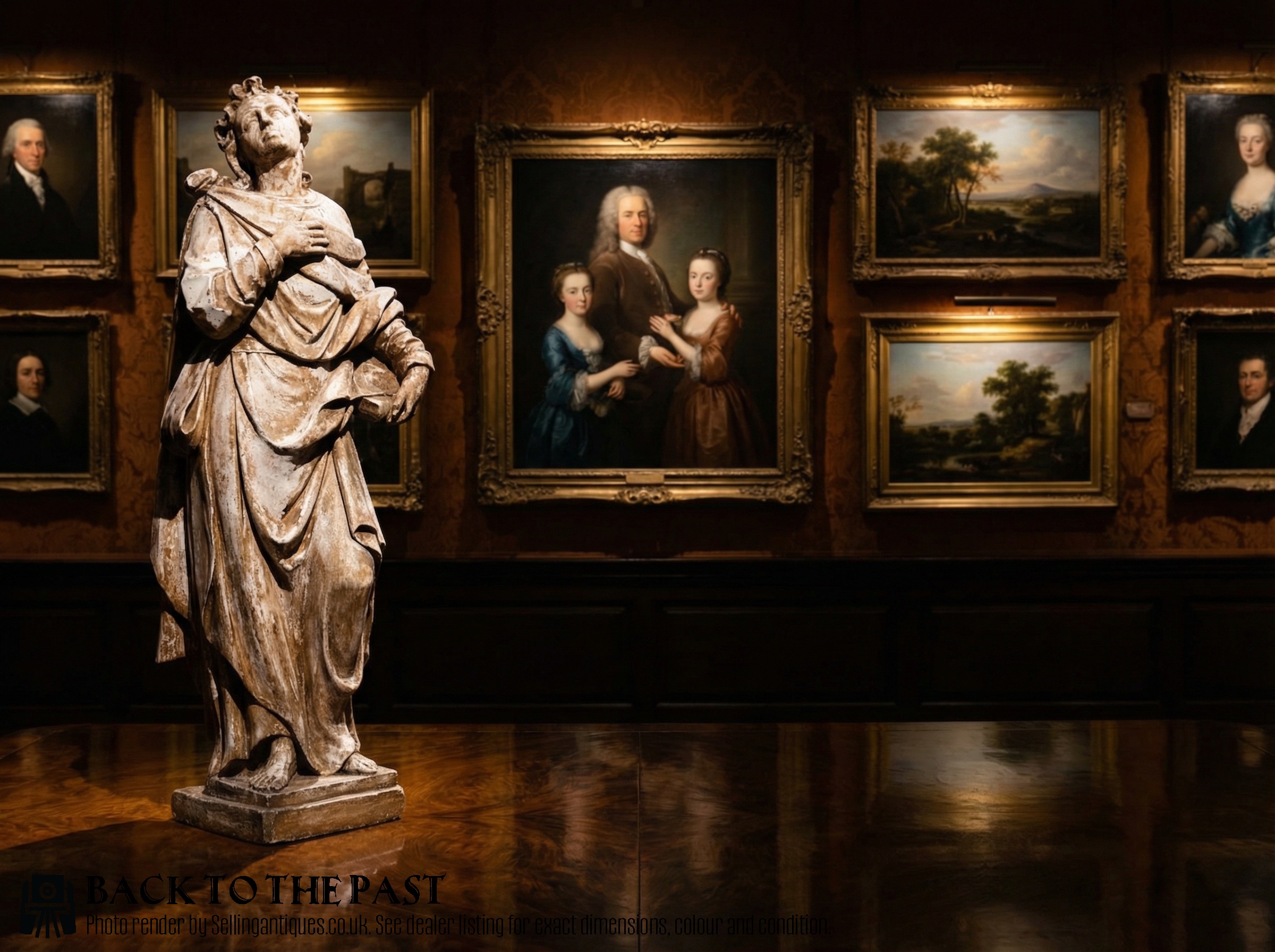
Gothic Ecclesiastical Statue
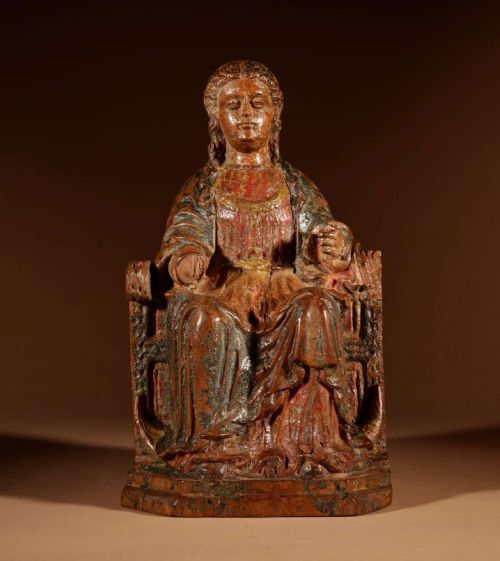
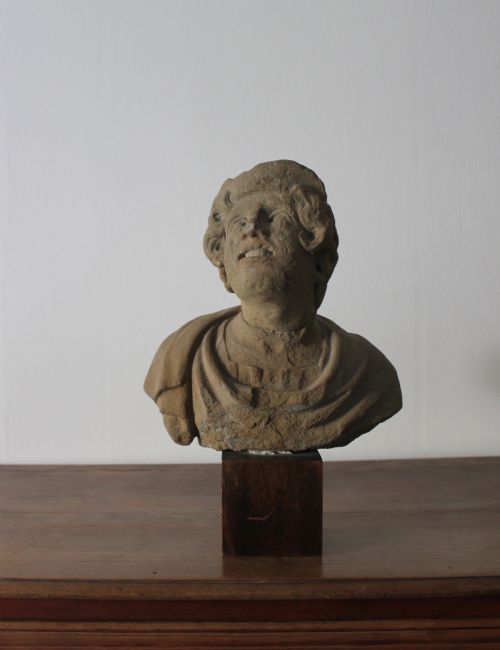
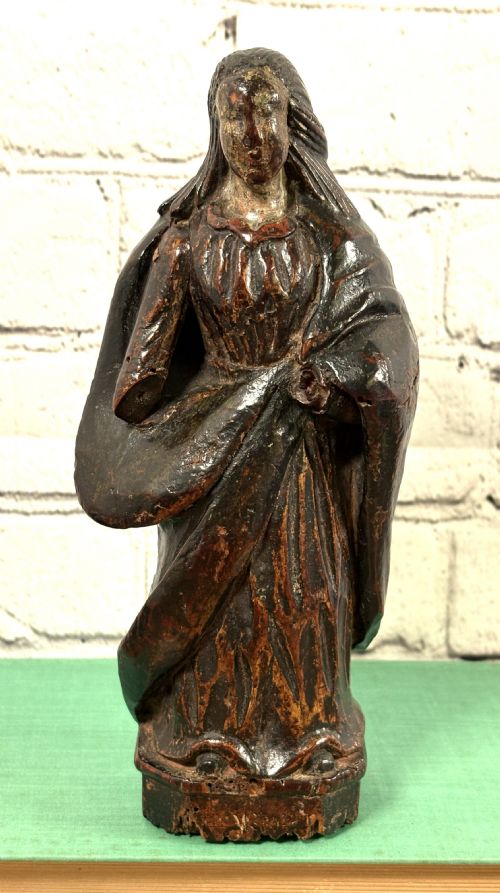
A gothic ecclesiastical statue encompasses carved figures of saints, Madonnas, bishops and biblical figures originating from medieval periods up to the nineteenth century. These devotional objects served sacred functions in churches, chapels and private shrines before entering the antique market.
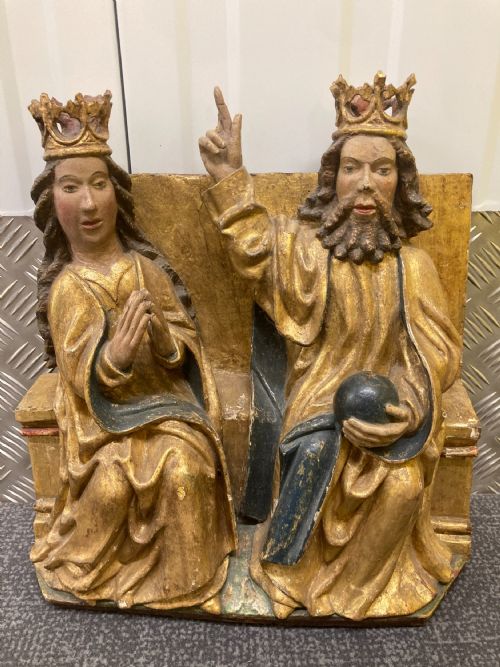
The pieces appearing on this page span from pre-sixteenth century medieval carvings and sixteenth century Renaissance works to later nineteenth century Gothic Revival interpretations. Oak and carved wood dominate the selection, alongside rarer examples in stone, walnut and polychrome finish.
Forms range from full-length figures of apostles and holy figures to seated groups of the Madonna and child, wall sculptures and architectural fragments. Buyers encounter everything from austere monastic studies to elaborate church figures complete with original paint and gesso.
What varies in quality
The survival of original surface treatments, such as early polychrome paint, gilding or undisturbed wooden patina, elevates a piece significantly. Alterations, heavy later restorations or stripped surfaces diminish the historical integrity of the carving.
Listings on this site range from pre-sixteenth century stone and oak figures to nineteenth century plaster and walnut interpretations.
Rouillard Angers
The Gothic Ecclesiastical Statue Glossary
- Polychrome
- Decoration consisting of several colours applied to the surface of wood, stone or plaster sculpture. It was extensively utilised in medieval and Renaissance churches to render figures lifelike.
- Gesso
- A plaster mixture applied to wood sculptures to prepare the ground for painting and gilding. This white compound provided a smooth, absorbent base for fine detail work.
- Giltwood
- Timber that has been decorated with a thin layer of gold leaf. This technique highlighted important ecclesiastical figures and created a luminous effect in candlelight.
- Limewood
- A fine-grained, soft hardwood favoured by continental carvers for intricate religious figures. Its lack of prominent grain allowed for extremely sharp and detailed sculptural work.
- Pieta
- A subject depicting the Virgin Mary supporting the dead body of Christ. These devotional carvings were central to late medieval and Renaissance religious life.
Gothic Ecclesiastical Statue: Frequently Asked Questions
Where were these statues originally displayed?
Most of these figures originated inside European churches, cathedrals, abbeys and roadside shrines. They stood in niches, on rood screens, or atop altars as objects of contemplation and prayer.
Some smaller devotional carvings were also commissioned for private domestic chapels or wealthy households. Today, they transition into interior settings as focal points on mantels, walls or dedicated stands.
Should I clean the original paint on an antique carving?
Original polychrome and paint layers should generally be left untouched, as harsh cleaning agents can strip away centuries of historical patina. Dusting gently with a soft, dry brush is usually sufficient for maintenance.
Professional conservators should handle any significant structural issues or flaking gesso. Preserving the worn, aged surface maintains the authentic character and historical value of the piece.
What is the difference between medieval and Gothic Revival pieces?
Medieval pieces were created during the active period of Gothic architecture and religious devotion, bearing the authentic wear and construction methods of their time. They reflect the spiritual priorities and craftsmanship of contemporary ecclesiastical workshops.
Gothic Revival pieces date from the nineteenth century, when makers deliberately emulated medieval styles. These later works often use machine-sawn timber or different framing techniques while celebrating historicist aesthetics.