



Gothic Church Lectern
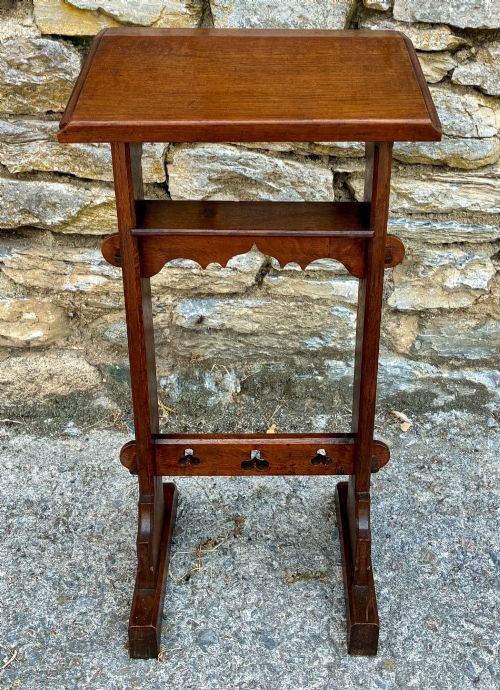
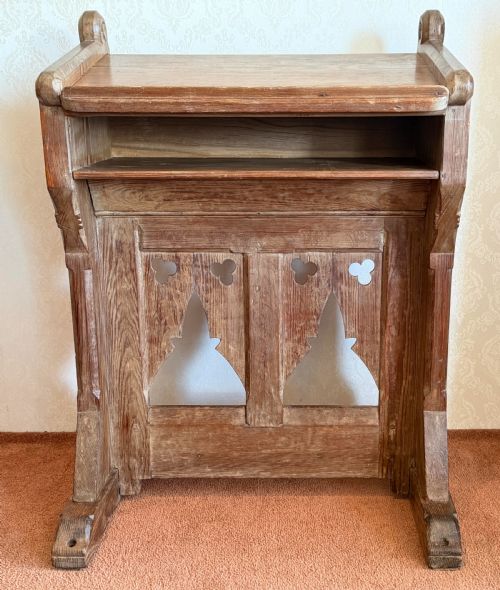
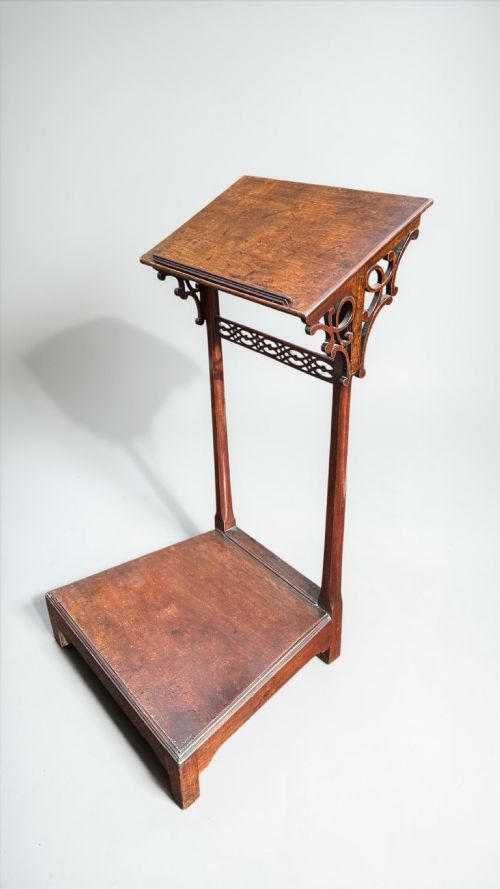
These gothic church lectern pieces combine heavy ecclesiastical timber and brass work with pointed arches to anchor a study or hall.
Gothic Church Lectern
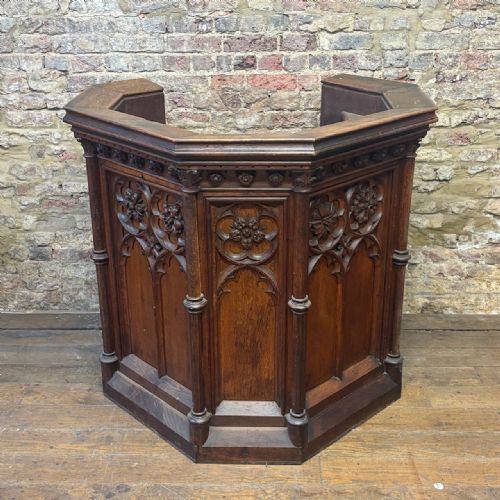
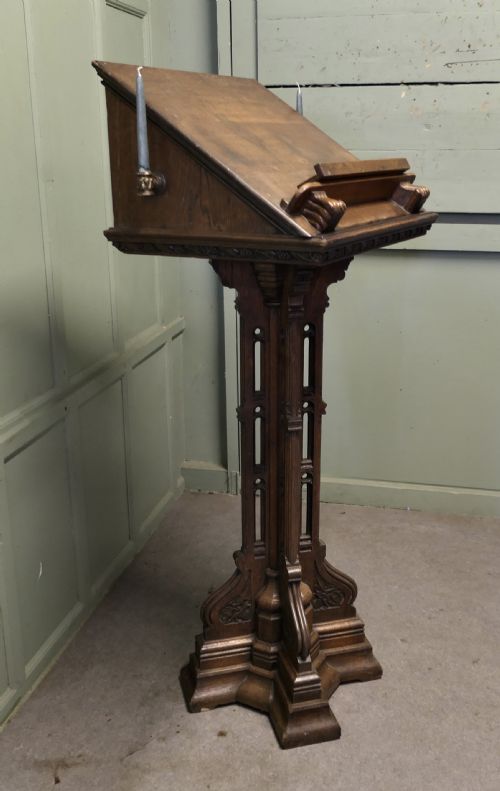
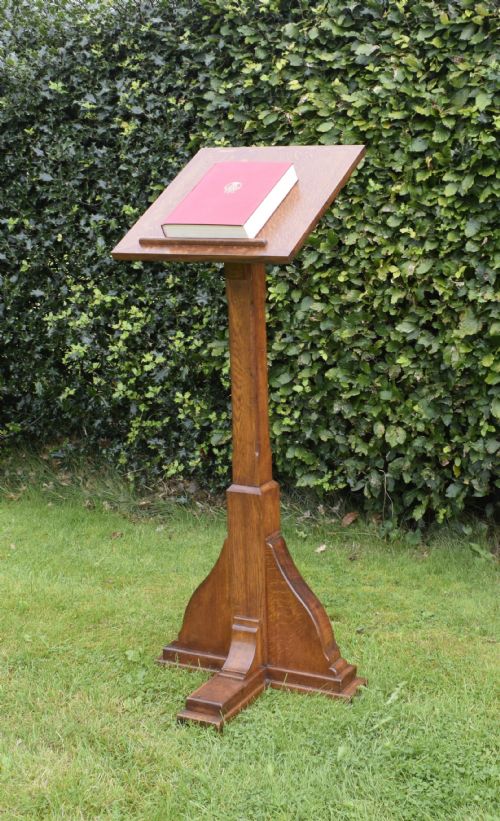
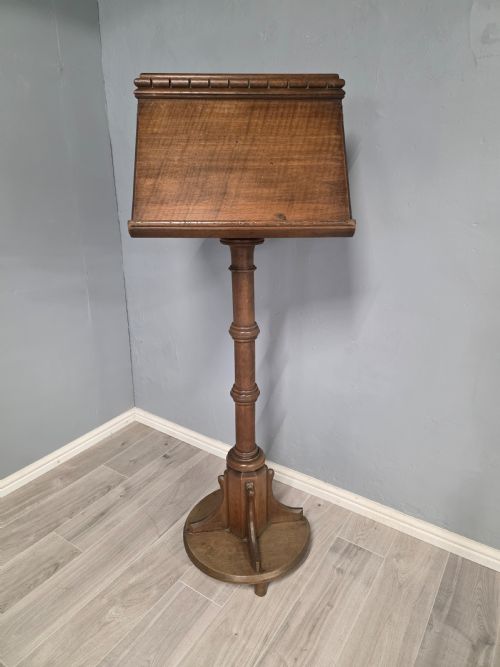
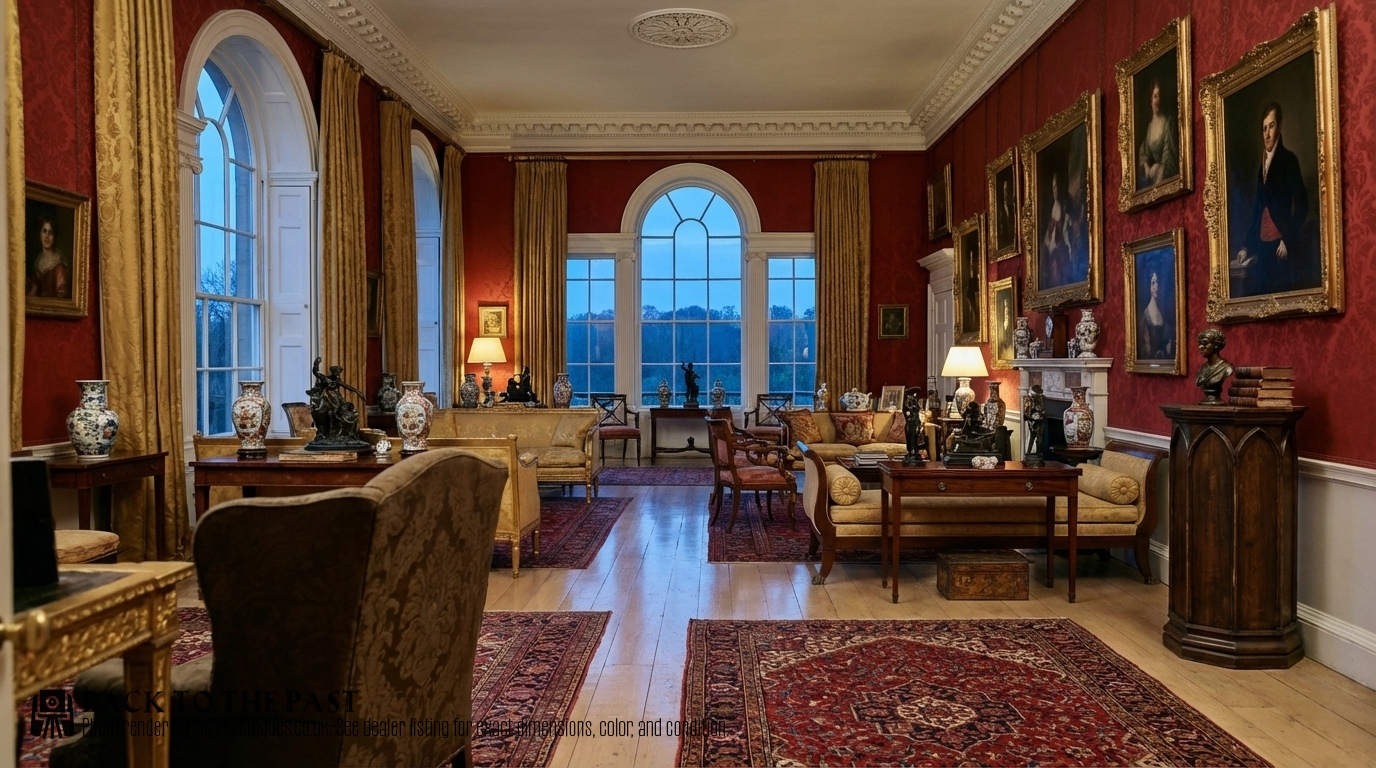
A gothic church lectern brings architectural presence into a room, taking the form of reading stands, pulpits, and prayer desks. Buyers seek these items for their strong vertical lines and heavy religious heritage.
The selections available lean heavily toward oak and pine constructions influenced by Victorian Gothic and Arts and Crafts movements. Many pieces date from the nineteenth century and the early decades of the nineteen hundreds.
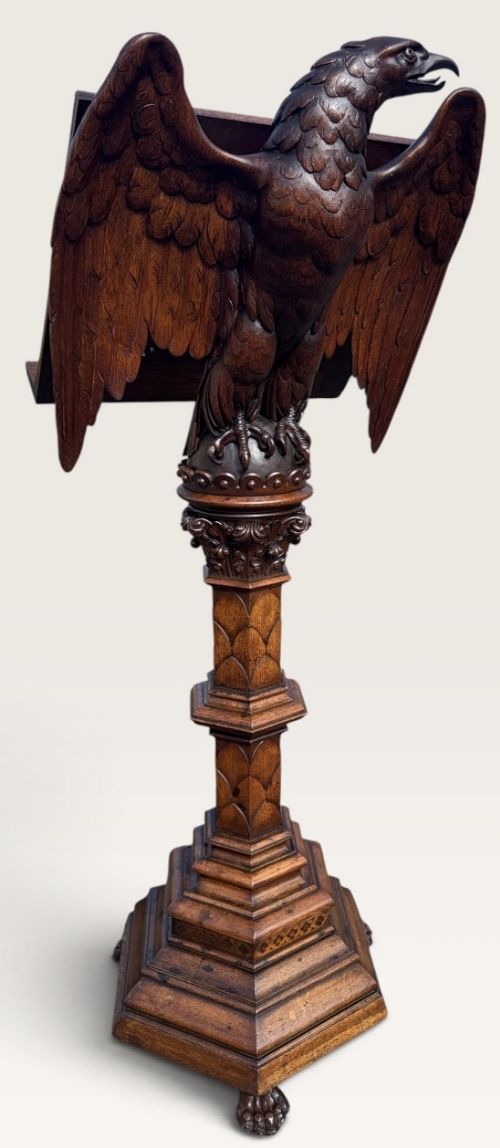
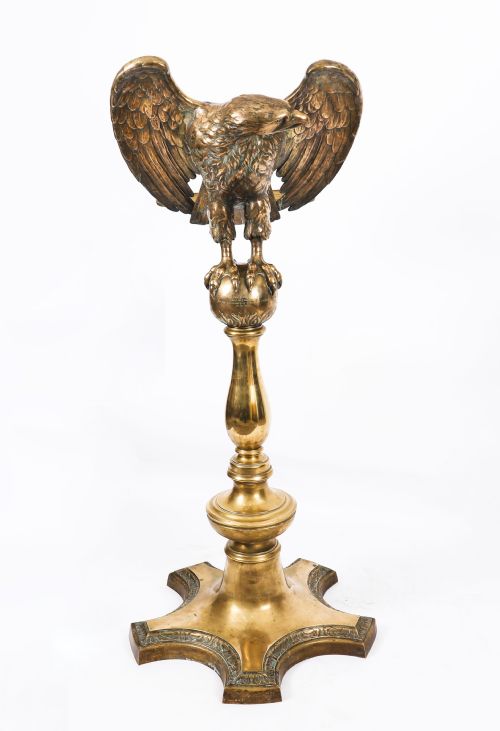
Alongside standard book rests and reading podiums, buyers encounter specialised forms including eagle lecterns in brass and wood. These functional furnishings bridge domestic interior use and grand ecclesiastical design.
How they were made
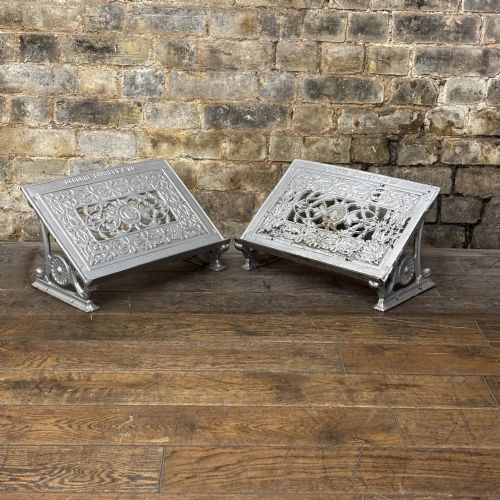
Cabinet makers utilised dense native timbers such as oak and pine, shaping them with hand tools to build sturdy upright stands. Selected pieces incorporate cast iron and brass elements for structural support and decorative contrast.
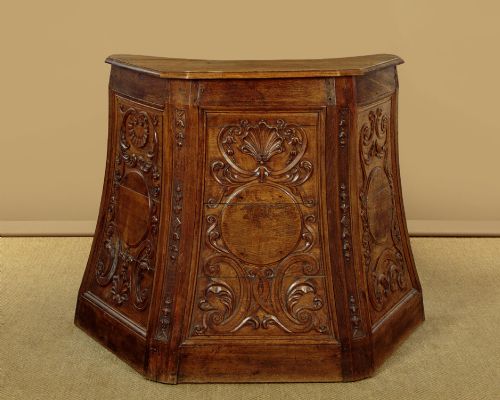
Carving defines the surface detail, showing deep relief work typical of Gothic Revival and ecclesiastical joinery. Artisans built these furnishings to withstand heavy daily use in chapels and parish churches.
Listings feature oak, pine, and mahogany alongside cast iron and brass, spanning the Georgian period to the early twentieth century.
What varies in quality
The depth and execution of the carved decoration separate standard joinery from superior examples. Sharp, well-defined tracery and figures demonstrate the hand of a skilled woodcarver.
Proportion and material choice dictate the character of each piece. Solid oak and cast brass examples carry a heavier, more commanding presence than simpler pine and iron alternatives.
Osborne Garrett Co·Pugin
The Gothic Church Lectern Glossary
- Gothic Revival
- An architectural and decorative style that draws inspiration from medieval design. It employs pointed arches, trefoils, and heavy vertical proportions.
- Prie Dieu
- A small desk or kneeling bench designed for private prayer. The name translates from French as pray to God.
- Ecclesiastical
- Pertaining to the Christian church or its clergy. Items described thus were originally made for use within a place of worship.
- Tracery
- Openwork ornamentation in stone or wood, typically seen in church windows and panels. It divides spaces into geometric shapes.
- Eagle Lectern
- A reading desk shaped as an eagle with outstretched wings supporting the book rest. The bird symbolises Saint John the Evangelist.
Gothic Church Lectern: Frequently Asked Questions
How do I date a gothic church lectern?
Examine the wood grain, tool marks, and construction joints to gauge the period of manufacture. Nineteenth-century examples often display machine-sawn components alongside hand carving.
Compare the decorative motifs against known style eras such as Victorian Gothic or Arts and Crafts. Hardware elements like screws and hinges also provide clues to age.
Can I use a church lectern at home?
These pieces suit home studies, libraries, and hallways as reading stands or display tables. Their height makes them practical standing desks for holding large books.
Ensure the floor space accommodates the footprint of the base before placement. Heavy oak designs require sturdy flooring to support their weight.
How do I care for antique oak and brass?
Clean wooden surfaces with a soft, dry cloth and apply a quality wax occasionally to nourish the grain. Avoid placing oak near direct heat sources to prevent splitting.
Polish brass components sparingly with a gentle cleaner to maintain their finish without removing age patination. Regular dusting prevents grime buildup in carved recesses.