
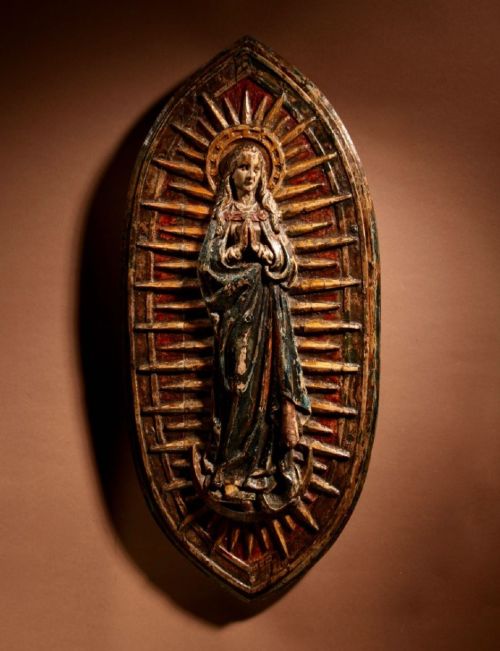


Gothic Carved Oak Statues
These gothic carved oak statues bring devotional history into interiors, taking the form of saints, madonnas, and narrative figures hewn from solid timber.
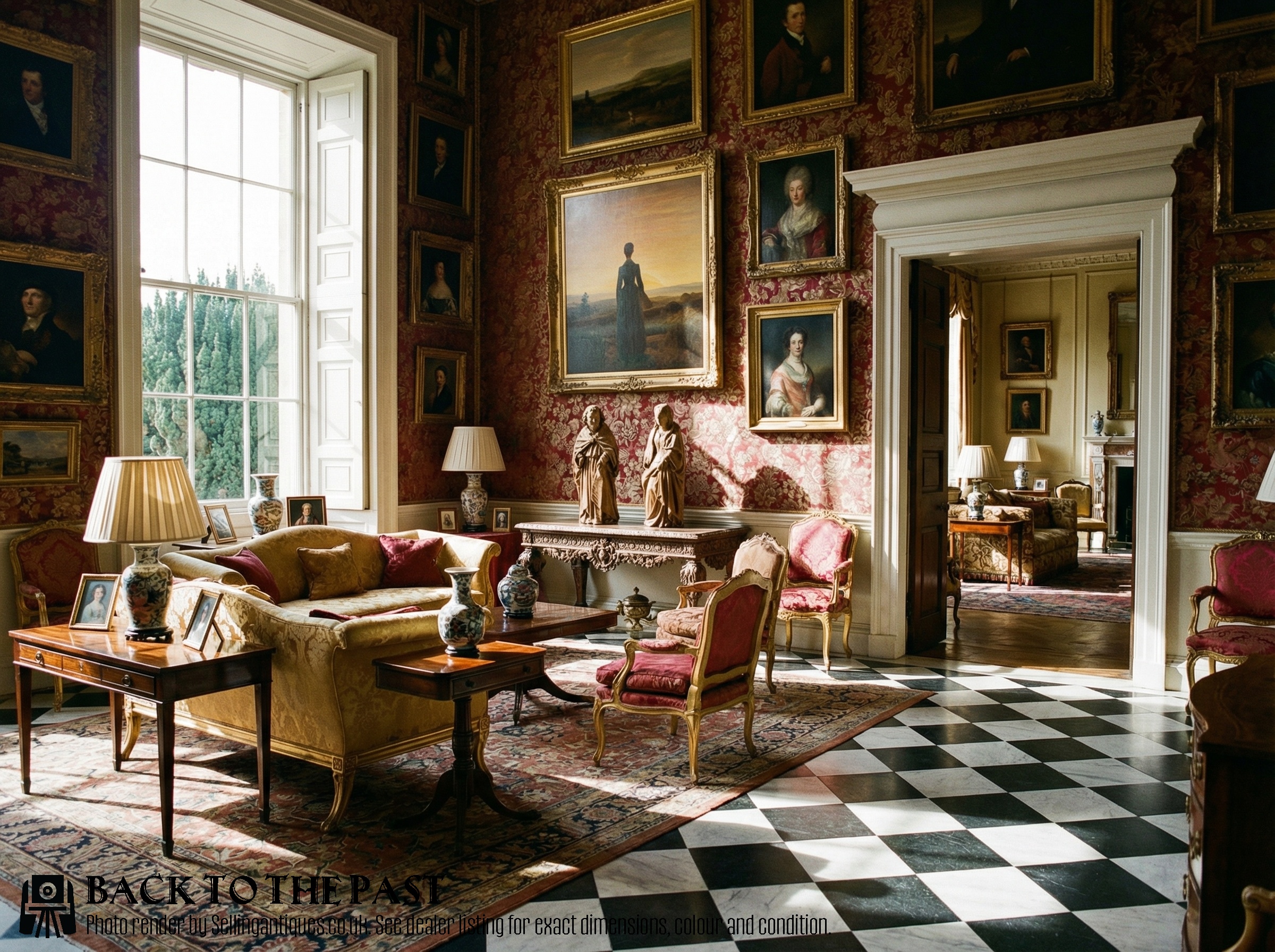
Gothic Carved Oak Statues
When searching for gothic carved oak statues, collectors encounter religious sculptures that originated in churches, altarpieces, and domestic chapels across Europe.
The selections span from pre-sixteenth century medieval panels and figures to later revival works from the nineteenth century, encompassing regional traditions from Germany, France, and the Low Countries.
Forms range from full-length figures of saints and the Madonna to architectural reliefs, donor figures, and animal guardians such as griffins.
How they were made
Artisans worked primarily with solid oak and hardwood, using chisels and gouges to shape figures from single blocks or assembled panels.
Many surviving pieces retain traces of polychrome paint, gesso, and gilded wood, which originally added vibrant colour and divine splendour to the carved surfaces.
The inventory includes figures of saints, the Madonna and child, architectural reliefs, and carved animal ornaments.
What varies in quality
The survival of original surface treatments, such as early polychrome pigments or untouched aged patination, significantly elevates the integrity of a piece.
The Gothic Carved Oak Statues Glossary
- Polychrome paint
- Decoration consisting of several colours applied to wood or stone surfaces. Medieval workshops utilised this technique to make religious statues lifelike and instructional for congregations.
- Gesso
- A plaster mixture used as a smooth base for paint and gilding on wooden sculptures. It provides a bright foundation that enhances the brilliance of applied colours.
- Altarpiece
- A structured artwork positioned above and behind an altar in a Christian church. Central panels often housed significant carved figures of saints or the Virgin Mary.
- Anna Selbdritt
- A devotional subject depicting Saint Anne with the Virgin Mary and the Christ Child together as a family group. This iconography gained popularity during the late medieval period.
- Donor figure
- A representation of the person who commissioned a religious work of art, often shown kneeling or praying at the edge of a sacred scene.
Gothic Carved Oak Statues: Frequently Asked Questions
How do I date these statues?
Dating relies on stylistic clues found in the carving of hair, facial structure, and particularly the fall and weight of drapery folds. Earlier pieces display gothic linearity, whilst later revivals adopt different proportions.
Examining tool marks and the natural ageing of the oak timber further assists in placing a piece within the sixteenth century or the nineteenth-century revival periods.
Where were these figures originally displayed?
Most early figures formed integral parts of larger architectural schemes, such as altarpieces, choir stalls, or rood screens in European churches. Some originated in private domestic shrines.
Later nineteenth-century examples were predominantly created as decorative ornaments or devotional pieces for domestic interiors.
Did these statues always retain their paint?
Many sculptures lost their original polychrome finishes over centuries through cleaning, stripping, or the natural degradation of the gesso and paint layers. Surviving traces offer important evidence of their initial appearance.
Pieces stripped to bare oak reflect later aesthetic preferences for exposed timber grain rather than original workshop finishes.
How do I care for antique oak carvings?
Display these sculptures in stable indoor environments away from direct sunlight and rapid humidity fluctuations to prevent the oak timber from splitting or warping. Gentle dusting with a dry cloth is sufficient for maintenance.
Avoid applying modern waxes or polishes that might seal the porous wood or obscure old surface patination and remaining pigment.