


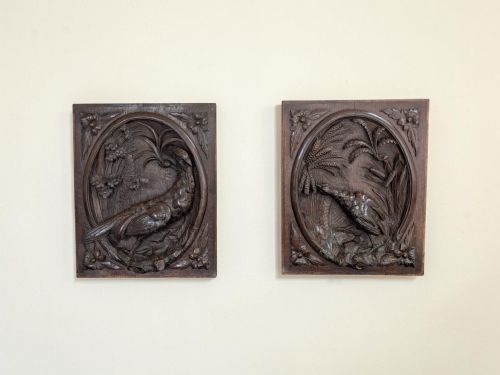


Pair Oak Carvings
Pair antique oak carvings bring architectural weight and rich grain into a room, spanning centuries of hand-hewn religious figures, panels, and architectural salvage.
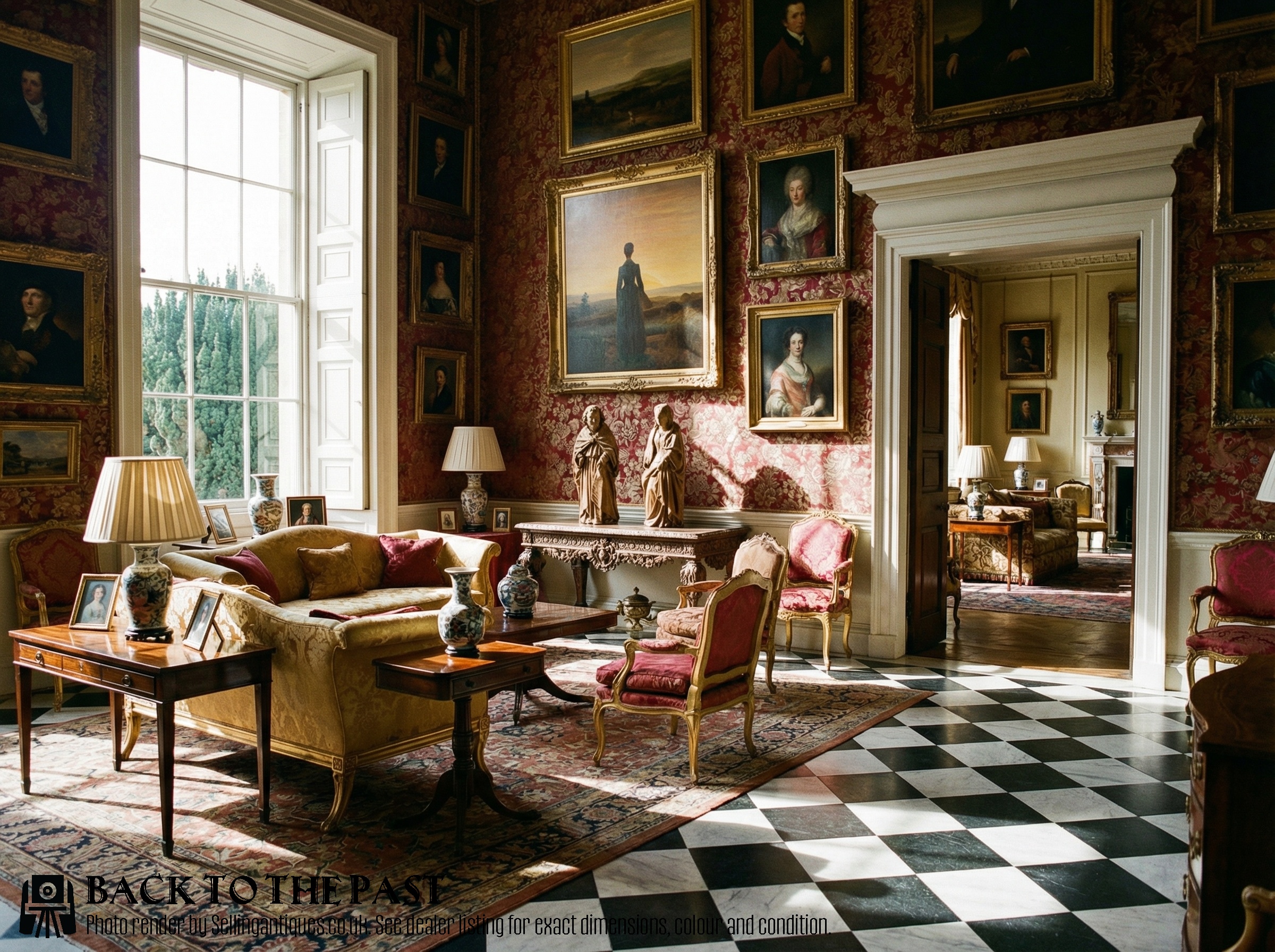
Pair Oak Carvings
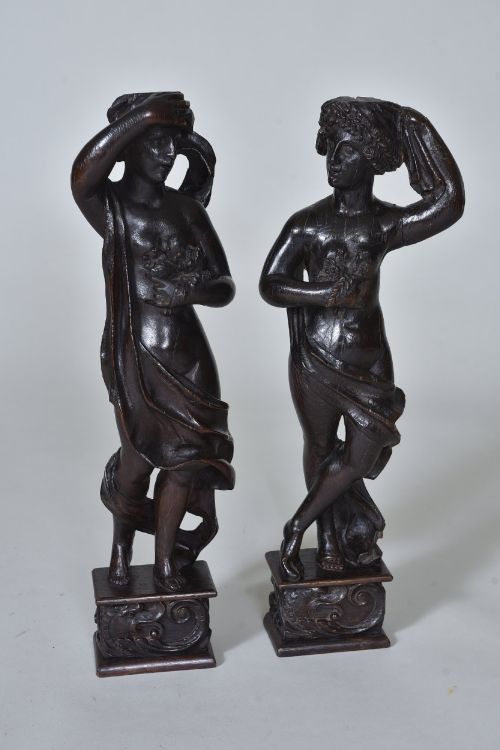
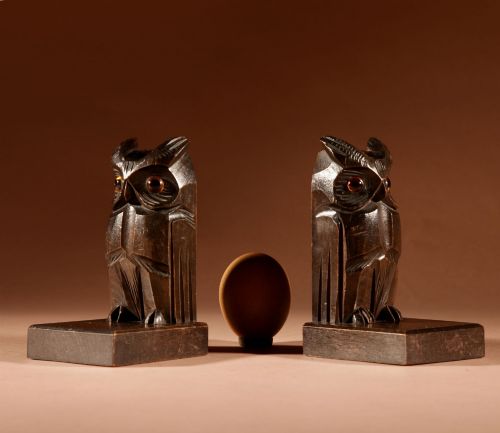
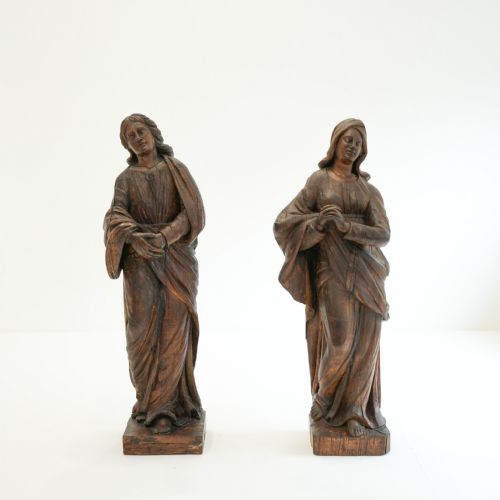
Pair antique oak carvings encompass a diverse range of objects, from architectural salvage and corbels to devotional figures and decorative panels. The selection spans centuries of craftsmanship, featuring items originating from English, French, German, and Italian workshops.
Buyers most frequently encounter 17th and 18th-century panels alongside later 19th-century interpretations in styles such as Gothic Revival and Baroque. These pieces often take the form of symmetrical wall plaques, architectural terminals, and figural sculptures.
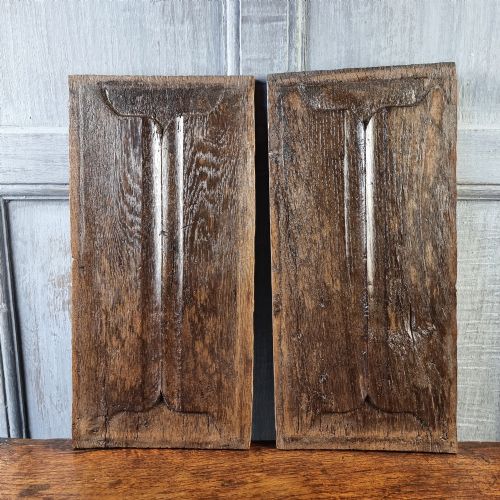
The objects serve as tangible fragments of church interiors, grand houses, and civic buildings, retaining the distinct tool marks of their makers. Their forms range from flat linenfold panels to deeply undercut figures of saints, caryatids, and mythical creatures.
Materials and techniques
The primary material across the majority of these pieces is oak, selected for its durability and prominent grain pattern, though variants like linden wood also appear in specific regional styles. Artisans shaped these dense timbers using hand chisels, gouges, and saws, creating varying depths of relief from shallow panels to fully rounded sculptures.
Listings feature oak alongside alternative timbers such as linden wood, complemented by occasional painted finishes and glass elements.
Judging quality and depth
The integrity of the timber and the preservation of the surface patination dictate the desirability of a piece. Original finish, minimal structural intrusion, and coherent pairing over time elevate the standing of these antique fragments.
The Pair Oak Carvings Glossary
- Linenfold
- A style of wood panel moulding popular in the Tudor period, carved to resemble folded lengths of cloth. It creates a subtle, rhythmic texture across flat surfaces.
- Corbel
- A structural piece of stone or wood projecting from a wall to carry a weight. In oak carvings, these often take ornate figural or scroll forms.
- Caryatid
- A sculpted female figure serving as an architectural support taking the place of a column or a pillar. They frequently appear supporting pediments or cornices in 17th-century work.
- Gothic Tracery
- Architectural ornamentation of intersecting ribwork, commonly found in windows and panels during the medieval period. It provides geometric structure to religious furnishings.
- Polychrome
- The practice of decorating architectural elements, sculpture, and varied items in a variety of bright colours. Surviving traces add considerable historical interest to early wood carvings.
Pair Oak Carvings: Frequently Asked Questions
Where were these carvings originally displayed?
Many of these pieces originated inside churches, abbeys, and stately homes as structural timberwork, wall panelling, or decorative church pews. Over time, elements were salvaged and repurposed as standalone decorative wall art.
Secular buildings also housed these items as fireplace surrounds, door garnishes, and architectural terminals within grand panelled rooms.
How do I hang heavy oak carvings?
Due to the density and weight of seasoned oak, secure wall fixings directly into studs or masonry are essential for safety. Heavy brackets or concealed metal mounting plates support the weight without damaging the timber.
Professional framing or bespoke French cleats distribute the load evenly across the back of the panel or sculpture.
How do I clean antique oak?
Gentle dusting with a dry, soft-bristled brush removes surface particulate without disturbing the historic wax or dry patination. Avoid wet cloths and liquid polish, which penetrate unsealed grain and soften old wood.
Occasional application of microcrystalline wax feeds the dry timber and protects the surface from atmospheric moisture fluctuations.
How can I tell the period?
Tool marks left by hand chisels and adzes reveal the method of production, with irregular pits and ridges pointing to early hand-working. The style of the carving, such as Gothic tracery or Baroque scrollwork, aligns with documented historical design periods.
Timber shrinkage, nail types, and the natural oxidation of the oak over centuries offer further clues to the true age of the piece.