




Antique Carved Wood Icons
These antique carved wood icons combine devotion and sculpture, offering intimate historical altarpieces and figures for your home.
Antique Carved Wood Icons
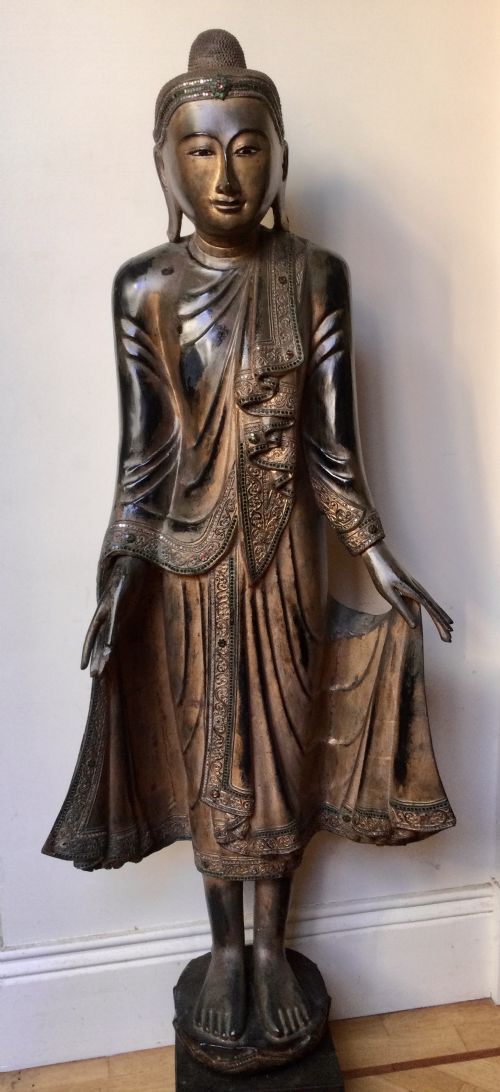
When you search for antique carved wood icons, you are looking at devotional sculptures, statues, and home altars shaped from timber across several centuries. The selections span figures of saints, Madonnas, and deities originating from European, Asian, and colonial traditions.
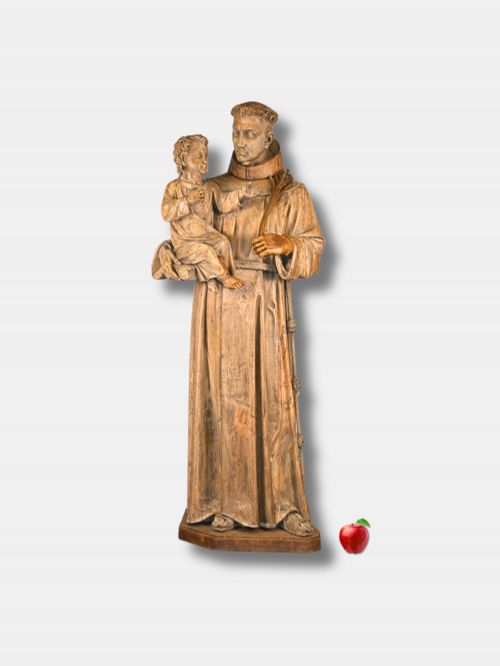
You are most likely to meet pieces dated to the seventeenth, eighteenth, and nineteenth centuries, alongside specific regional works like Spanish folk art home altars. Forms range from life-size French figures of Saint Anthony to compact crucifixes and framed saints.
The objects serve as portable shrines and focal points for prayer, embodying diverse spiritual practices through carved wood. Each piece carries the distinct sculptural language of its period, whether Gothic Revival, Spanish Baroque, or Renaissance.
How they were made
Carvers shaped these icons from solid timbers such as oak, applewood, and hardwoods, employing hand chisels and gouges to build relief and round forms. Artisans then applied gesso as a smooth base layer across the timber surface to receive subsequent decoration.
Makers finished many surfaces with polychrome paint and gold leaf, bringing depth and colour to vestments, flesh tones, and halos. This layered technique protects the underlying wood while creating the rich visual texture seen on Spanish Baroque and giltwood pieces.
Carvers occasionally hid miniature votive compartments inside wooden saints to hold tiny relics.
What varies in quality
The preservation of original polychrome paint and gold leaf directly influences the integrity of a piece. Intact surface layers retain the intended spiritual presence and historical honesty of the object.
The Antique Carved Wood Icons Glossary
- Gesso
- A mixture of a binder mixed with chalk or gypsum. It acts as a smooth preparation layer for gold leaf and paint on wooden sculptures.
- Giltwood
- Wood that has been covered with thin gold leaf. This finish creates a luminous effect on baroque religious figures and frames.
- Santos
- A carved figure representing a saint or divinity. These statues form central elements in domestic and church altars.
- Home Altar
- A small devotional shrine for domestic worship. These structures often house carved wooden figures and framed sacred art.
Antique Carved Wood Icons: Frequently Asked Questions
How do I date an icon?
Examine the tool marks left by the carver, the species of wood utilised, and the style of the gesso and paint layers. Tool technology and artistic conventions shifted distinctly between the sixteenth and nineteenth centuries.
Compare the sculptural style to known periods like the Spanish Baroque or Edwardian eras. Secondary elements such as framing or fixings can also provide reliable chronological clues.
Where were home altars placed?
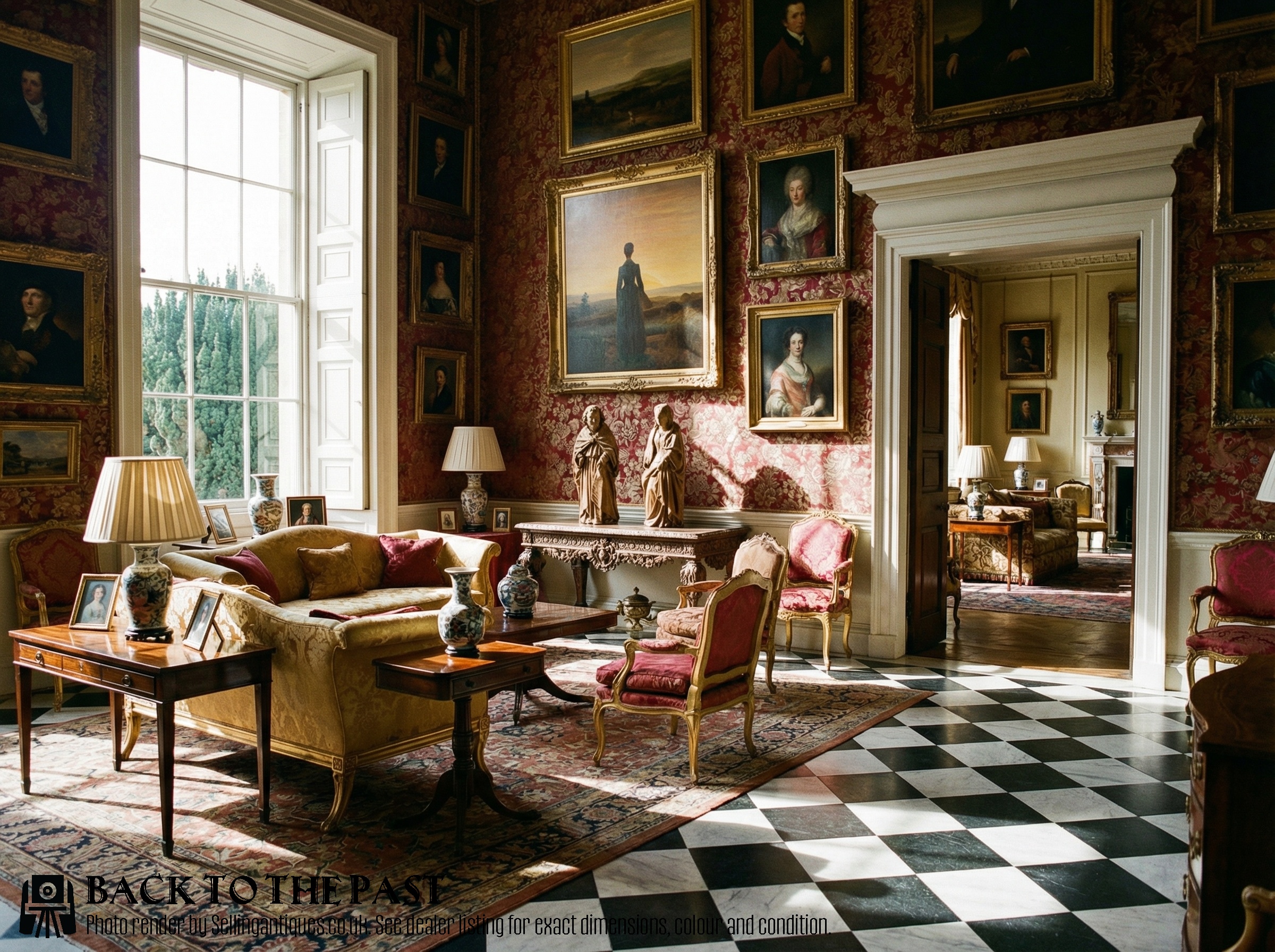
Devotees placed home altars in private chambers or quiet corners of a dwelling for daily prayer and contemplation. These domestic shrines provided an accessible focal point for family worship.
Portable domestic altars could be moved within the home or carried during travel. Their enclosed designs protected the carved figures inside from dust and damage.
Are these pieces made of solid wood?
The majority of these sculptures and panels are carved from solid timbers such as oak, applewood, or assorted hardwoods. Artisans selected dense woods that could hold fine details without splitting.
Some larger figures utilise joined timber sections to prevent warping as the wood aged. Gesso and polychrome paint layers were subsequently applied over these wooden foundations.
How should I clean my wooden icon?
Dust the surface gently with a soft, dry brush to remove particles without disturbing delicate paint or gold leaf. Avoid using water, liquid cleaners, or chemical solvents on historic wood and polychrome.
Keep the piece away from direct sunlight and fluctuating humidity to prevent the wood from cracking. Stable indoor environments preserve both the timber substrate and the historic surface decorations.