





16th Century Wooden Figures
These 16th century wooden figures bring quiet devotion and master carvers' hands straight from church altars into your room.
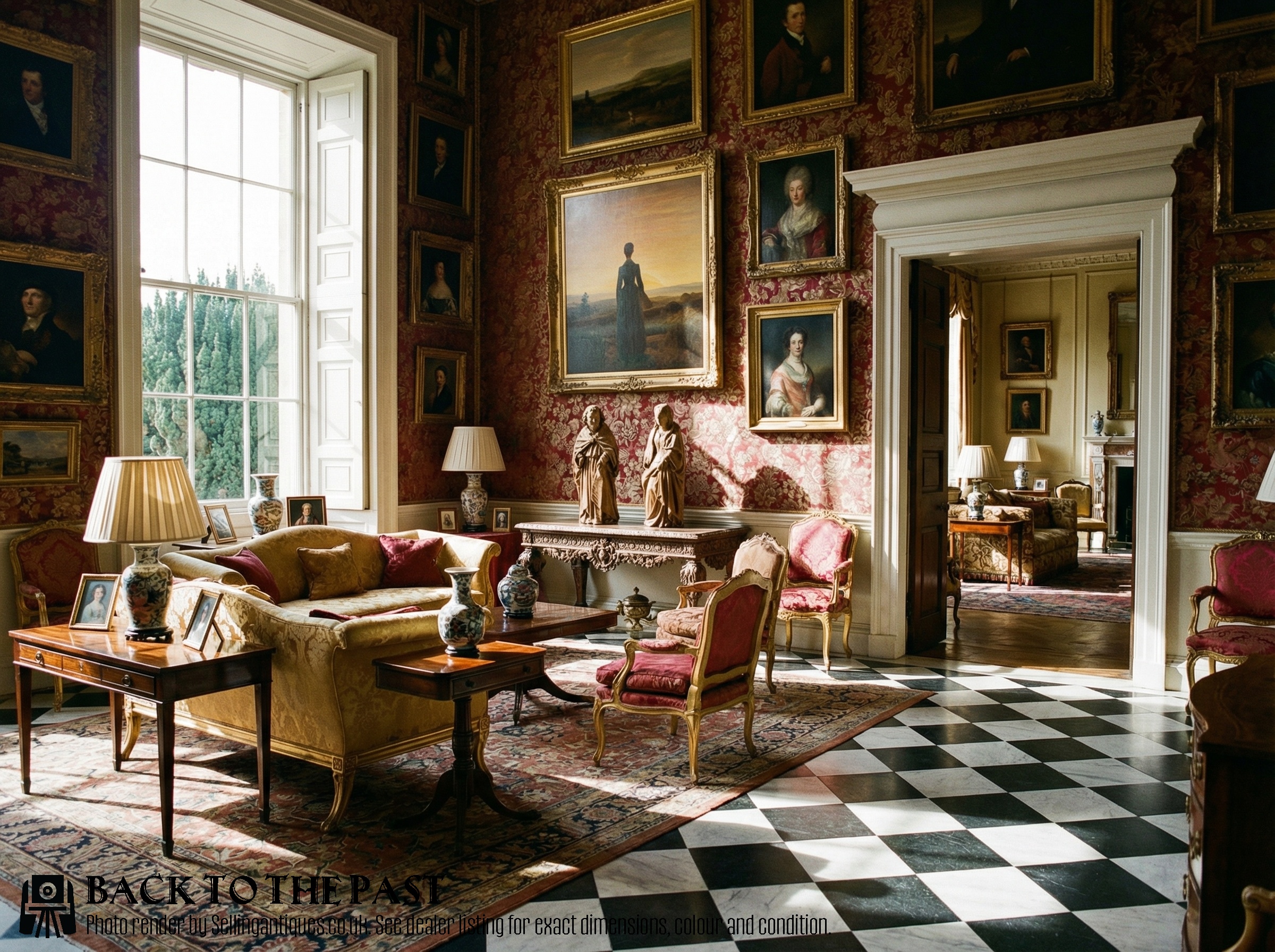
16th Century Wooden Figures
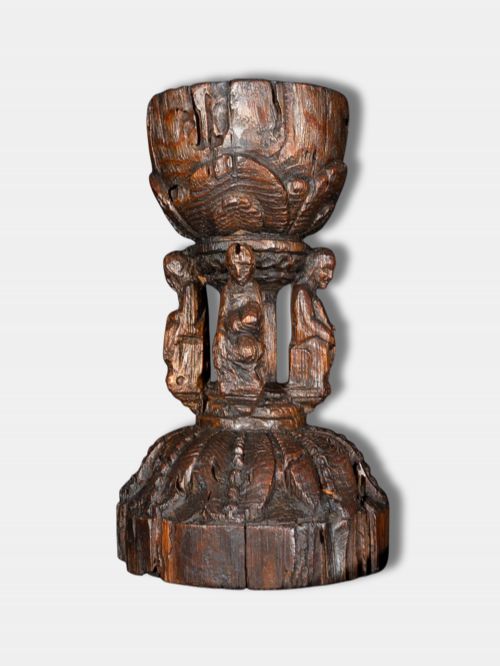
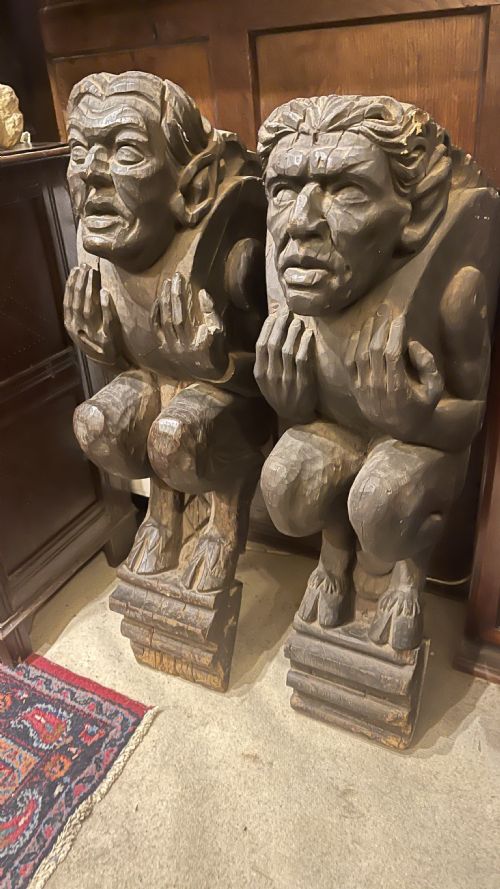
When you search for 16th century wooden figures, you encounter devotional carvings, saints, and architectural fragments that once shaped sacred spaces across Europe. These pieces embody the transition of styles from Late Gothic expressions into the balanced forms of the Renaissance.
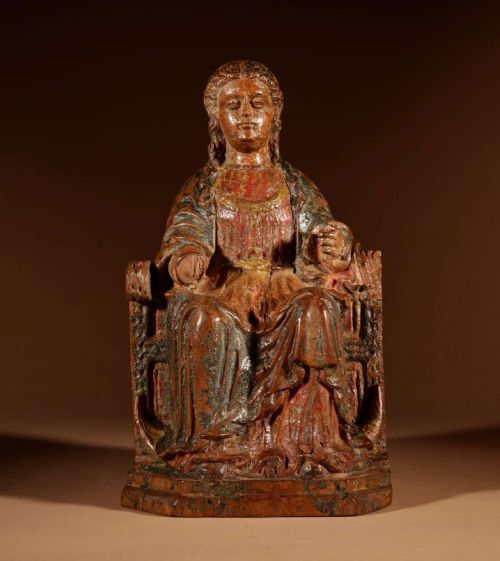
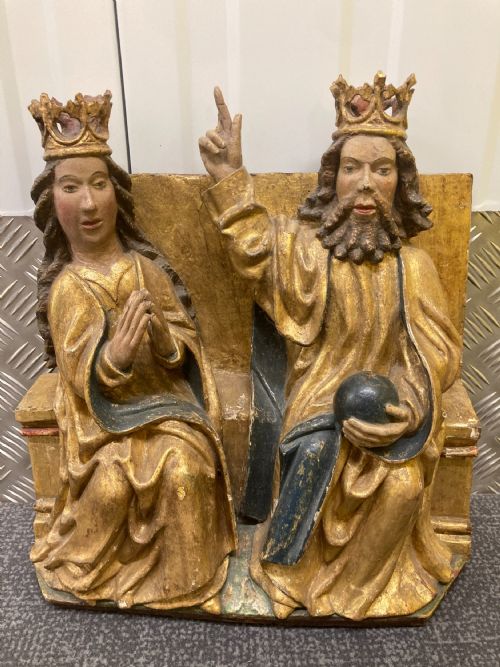
The versions most common on this page are carved in oak, walnut, and limewood, frequently retaining traces of original polychrome paint and gold leaf. They appear as single figures of saints, seated Madonnas, and relief panels intended for private prayer or church placement.
How they were made
Carvers shaped these figures from dense hardwoods like oak and walnut, alongside softer limewood that permitted deep, fluid undercut details. Once the chisel work concluded, workshops applied a thin layer of gesso to the wood surface to prepare it for painting.
Painters and gilders then finished the sculptures using rich polychrome pigments and delicate gold leaf to catch the candlelight. Surviving fragments often show how these layers interact as the wood ages beneath them.
Listings for 16th century wooden figures combine continental limewood and oak with regional styles spanning the Gothic and Renaissance periods.
What varies in quality
The distinction between ordinary workshop production and master craftsmanship lies in the depth of the carving and the naturalism of the drapery folds. Superior pieces capture weight and movement in the fabric rather than relying on stiff, repetitive lines.
Preservation of the original surface also dictates the character of each piece, as untouched polychrome and parcel gilding hold greater visual harmony than later overpainting. The authority of the carver's chisel marks directly influences the presence of the sculpture.
The 16th Century Wooden Figures Glossary
- Polychrome paint
- Pigments applied to the surface of wood sculpture, often bound with oil or tempera. These coloured finishes brought realism to sacred figures.
- Gesso
- A plaster mixture applied over wood to create a smooth base for gilding and painting. It fills minor imperfections in the carved material.
- Parcel gilt
- Portions of a carved object highlighted with gold leaf while other areas remain exposed wood or painted. This technique emphasises key details under shifting light.
- Late Gothic
- An architectural and artistic style spanning the fifteenth and early sixteenth centuries, characterised by pointed forms and expressive drapery. It precedes the classical revival of the Renaissance.
16th Century Wooden Figures: Frequently Asked Questions
Where were these figures originally displayed?
Most of these carved sculptures originated inside churches, monastic chapels, or private domestic shrines across Europe. They served as focal points for daily prayer and contemplation.
Over the centuries, many were removed from their original architectural settings during periods of religious change and dispersed into private collections.
How do I care for wooden sculptures?
Keep these pieces away from direct sunlight and sudden temperature shifts, which can cause old timber to split or warp. Maintain a stable indoor humidity level.
Dust the surface gently with a dry, soft brush rather than using liquid cleaners or polishes that might damage fragile paint and gesso layers.
Why do some figures have missing paint?
Centuries of handling, environmental changes, and deliberate cleaning often caused the original polychrome and gesso to flake away from the wood. This natural loss reveals the raw timber beneath.
Many collectors prefer these honest surfaces because they display the age and history of the carving clearly.