




Gothic Carved Oak Chest
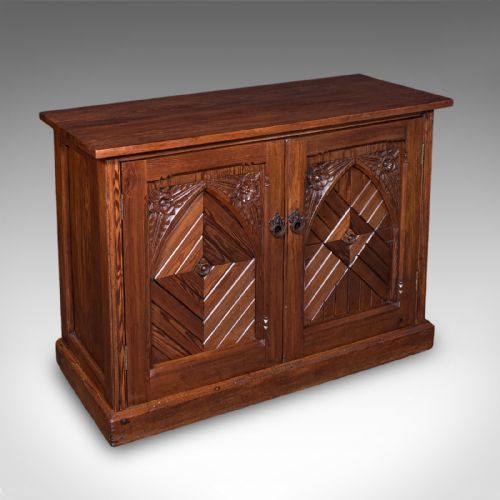
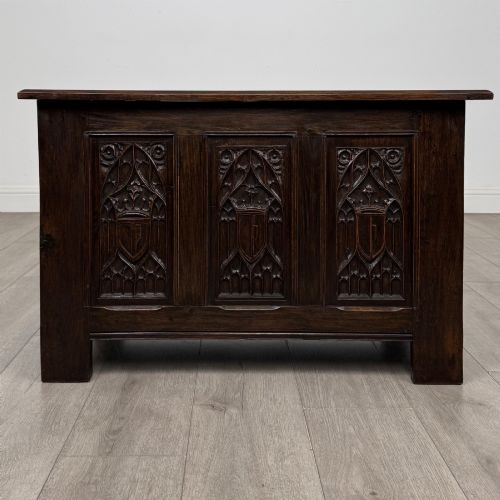
A gothic carved oak chest brings centuries of heavy timber and architectural tracery straight into a modern interior.
Gothic Carved Oak Chest
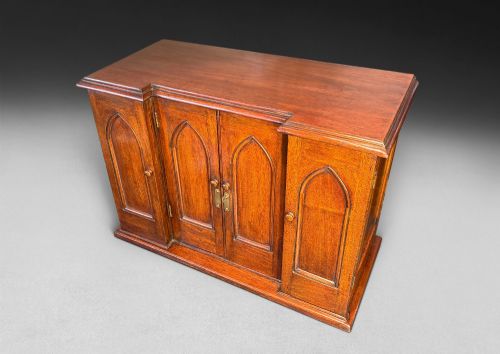
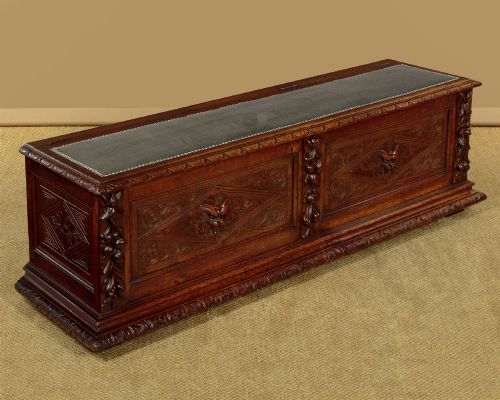
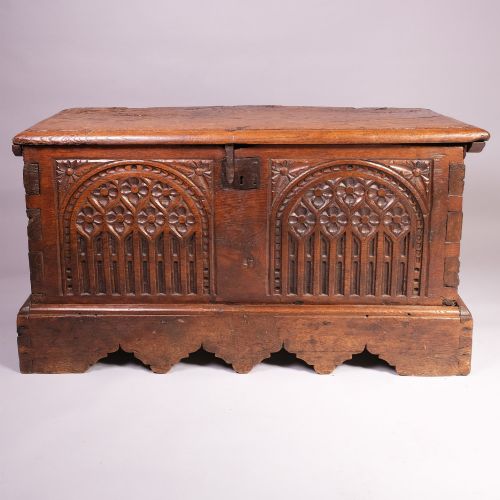
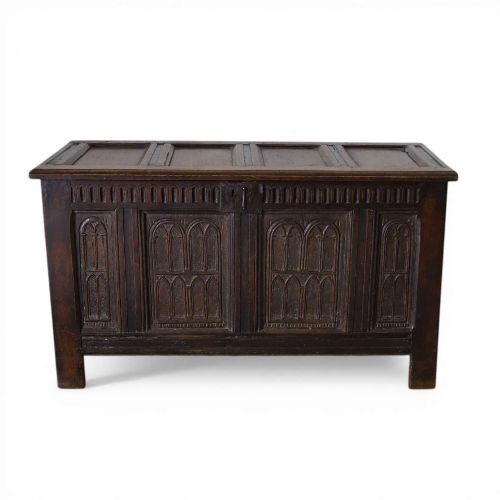
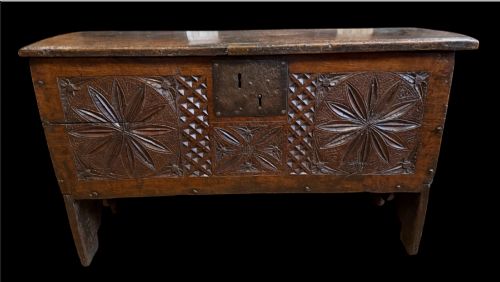
A gothic carved oak chest represents a formidable tradition of heavy timber storage, encompassing medieval coffers, plank chests and ecclesiastical boxes alongside later revival pieces from the Victorian era. When searching for a gothic carved oak chest, buyers encounter domestic and church furniture spanning from the late fifteenth century through to nineteenth-century interpretations.
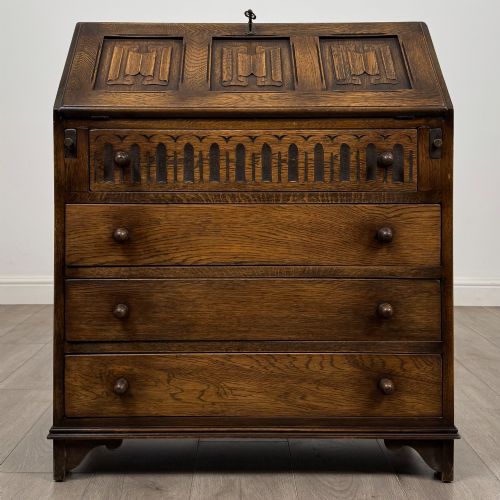
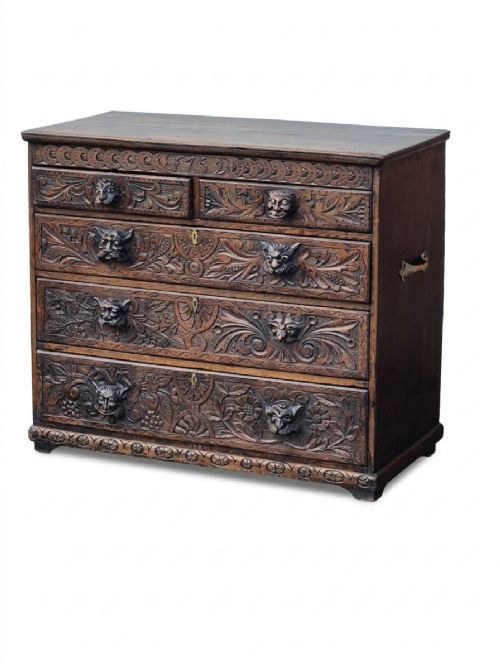
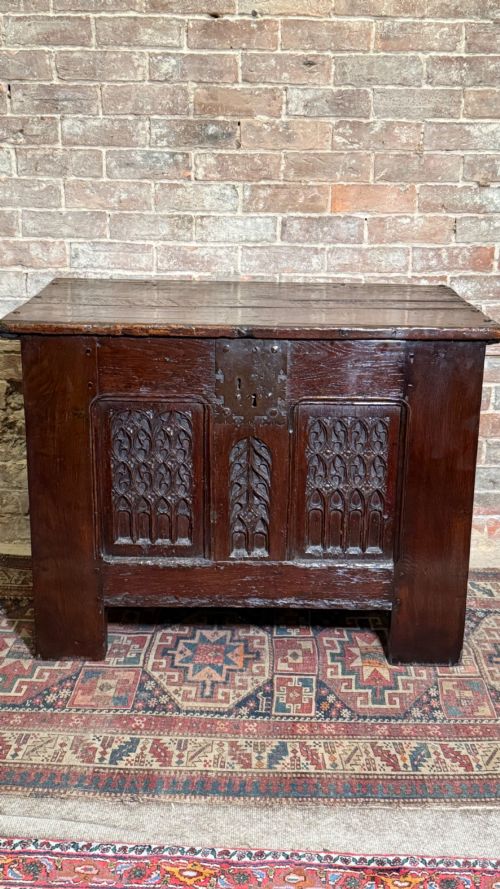
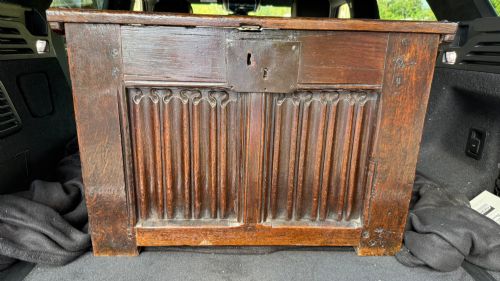
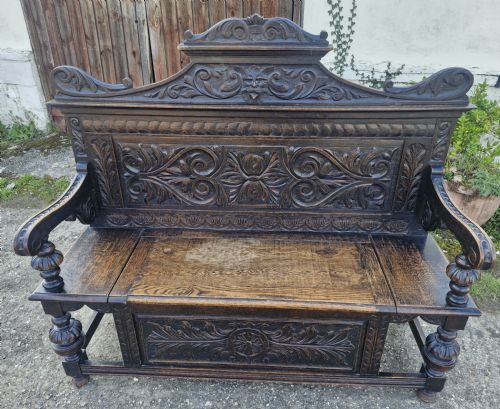
The material record shows a strong presence of sixteenth-century and seventeenth-century originals featuring linenfold panels and tracery, sitting alongside Victorian revival iterations such as green man coffers, hall benches and bedside chests. Most examples met on this page combine solid oak construction with iron or brass hardware, reflecting both medieval utility and later revivalism.
Judging quality in carved oak
Quality rests upon the integrity of the timber and the crispness of the hand-carved detail, distinguishing authentic period linenfold or tracery from later mechanical reproduction. The weight and stability of the oak boards, together with the originality of iron hinges and locks, dictate the standing of any given coffer or chest.
Proportion and architectural balance separate superior examples from more vernacular work, as seen in the depth of relief in green man carvings or saints. Original timber patination, untouched surface colour and minimal timber replacement elevate a piece above those suffering extensive modern reconstruction.
Several chests feature hidden compartments originally designed to keep parish tithes and medieval secrets safe from wandering eyes.
Jack Grimble·Pugin
The Gothic Carved Oak Chest Glossary
- Coffer
- A heavy wooden chest traditionally used for storing valuables or documents. Early versions featured simple plank construction before evolving into framed panel designs.
- Linenfold
- A carved wooden panel motif popular in the Tudor period resembling folded parchment or linen. This style is frequently found on sixteenth-century oak chests.
- Tracery
- Architectural stonework patterns adapted for woodwork, featuring pointed arches and geometric shapes. It appears carved into the panels of gothic revival and medieval chests.
- Green Man
- A sculptural motif of a human face sprouting foliage, popular in medieval stonework and later revived on Victorian oak furniture.
- Ironbound
- Describes a chest heavily reinforced with wrought iron straps and brackets for security. These pieces often served utilitarian or travel functions.
Gothic Carved Oak Chest: Frequently Asked Questions
How old is a gothic carved oak chest?
Pieces range from late fifteenth-century medieval originals and sixteenth-century Tudor examples through to nineteenth-century Gothic Revival reinterpretations.
Date attribution relies on construction methods, tool marks and the style of the architectural carving rather than surface appearance alone.
Where were these chests used originally?
Early coffers served as secure storage in churches, cathedrals and wealthy domestic halls for vestments, documents and valuables.
Later Victorian revival versions were designed for domestic bedrooms, hallways and studies as statement furniture.
How do I care for antique oak?
Keep oak furniture away from direct heat sources and radical humidity changes to prevent timber splitting and shrinkage.
Feed the dry wood periodically with traditional beeswax to maintain the natural patination and surface sheen.
Are these chests heavy?
Solid oak and iron hardware make these chests exceptionally heavy and substantial pieces of furniture.
Lifting requires multiple people, and placement should take floor load and permanent positioning into account.