





Golden Walnut Server
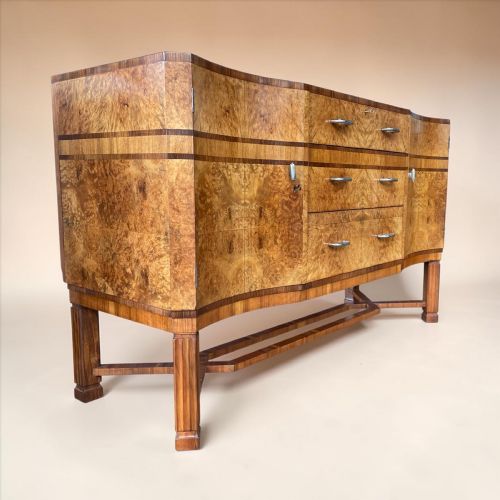
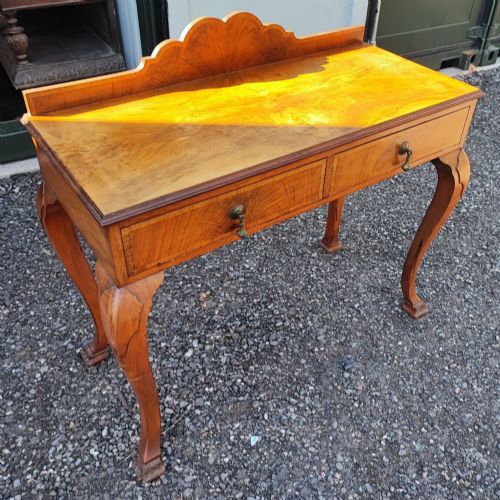
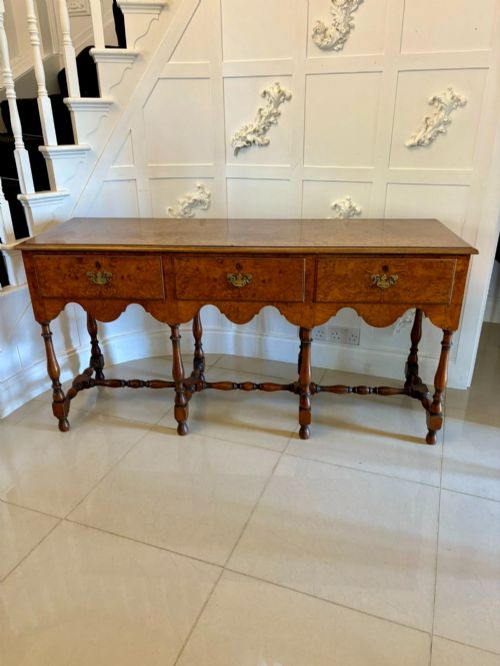
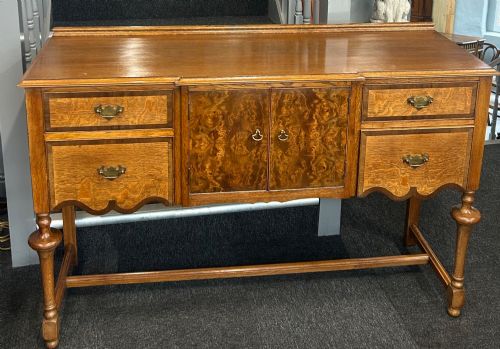
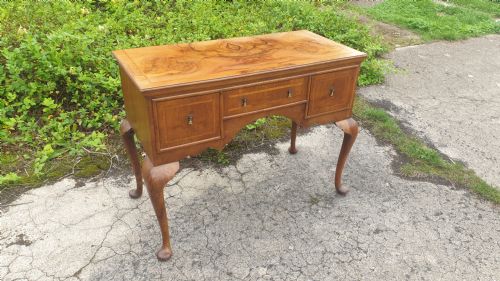
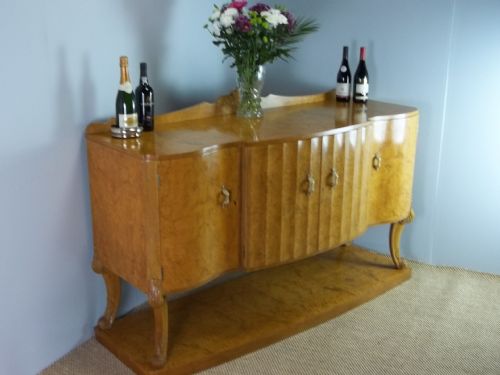
These golden walnut server pieces combine rich timber grains with practical storage for the dining room.
Golden Walnut Server
When you search for golden walnut server, you encounter a selection of sideboards, serving tables, and console tables designed for dining and entertaining. These pieces primarily date from the Edwardian era through to the Art Deco period of the 1930s.
How They Were Made
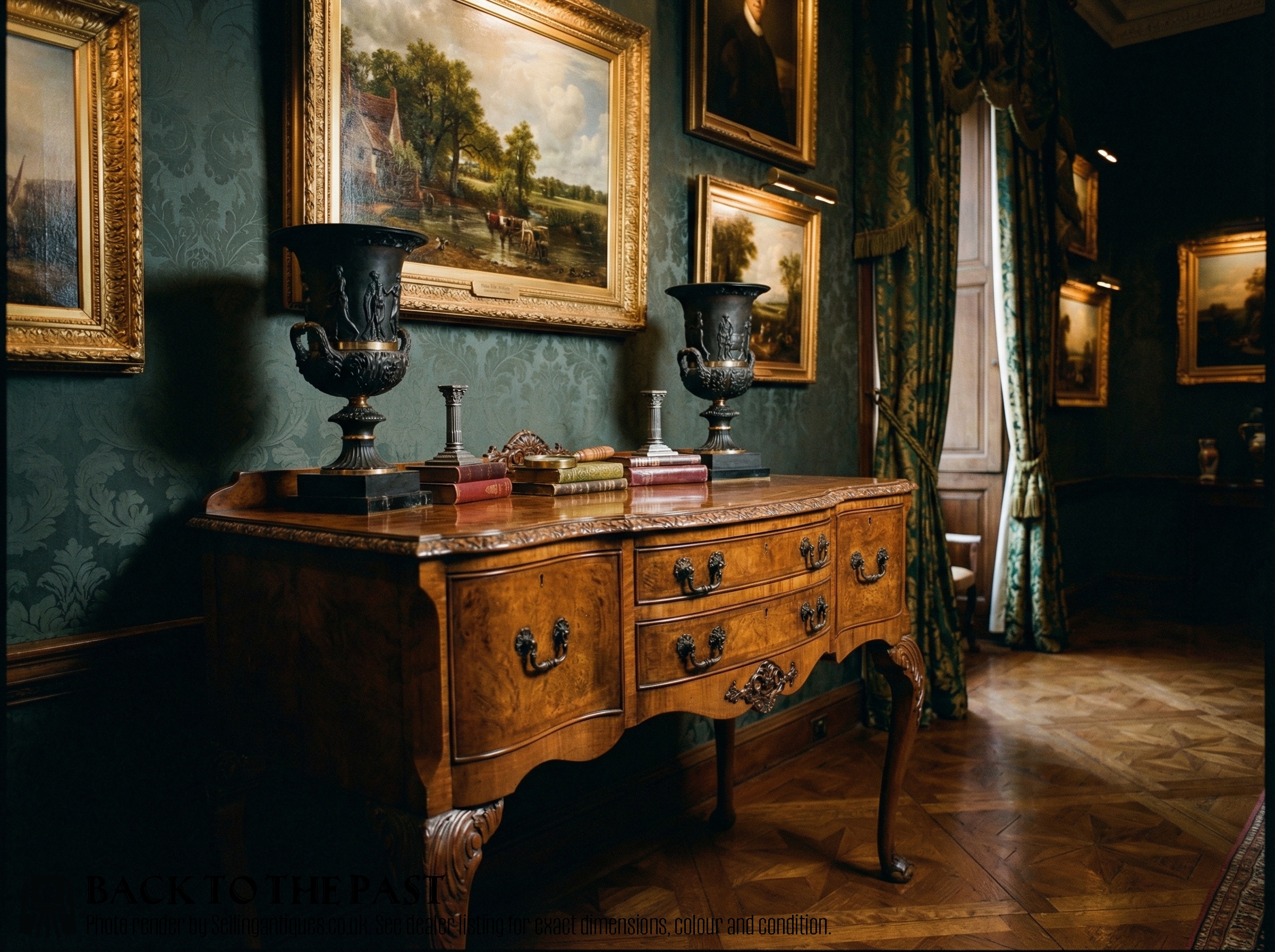
Craftsmen applied burr walnut veneer over solid wood carcases, arranging the grain patterns symmetrically to create visual depth on large surfaces such as doors and tabletops. This technique highlights the natural swirls and knots inherent in the timber.
Makers integrated functional hardware in brass, chrome, and occasionally bakelite to complement the dark and golden tones of the walnut. Construction methods reflect the prevailing cabinet-making standards of the early twentieth century.
The listings span three distinct decades: 1900, 1920, and 1930.
What Varies in Quality
The sophistication of the veneer layout dictates visual impact, with continuous matching across drawer fronts and cabinet doors marking superior examples. Plain timber surfaces lack the dynamic movement found in well-chosen burr walnut.
Attribution to prominent workshops elevates a piece, as demonstrated by recognised makers who applied rigorous standards to their casework and hardware integration. Pieces bearing distinct maker signatures stand apart from unsigned production.
Hille·Harry and Lou Epstein
The Golden Walnut Server Glossary
- Burr walnut
- A thin slice of wood taken from a growth on a walnut tree, prized for its swirling, intricate grain patterns. It is frequently applied as a veneer over a stable secondary timber.
- Veneer
- A thin layer of superior wood glued to a base panel of a less expensive material. This method allows cabinet makers to utilise expensive grain patterns efficiently.
- Console table
- A table designed to stand against a wall, often featuring decorative legs or brackets. In dining spaces, these function as serving surfaces.
- Art Deco
- A design style characterised by sleek geometric shapes, streamlined forms, and modern materials popular during the 1920s and 1930s.
- Sideboard
- A large dining room furniture piece used for storing crockery and serving food. It typically combines cupboards, drawers, and a flat top surface.
Golden Walnut Server: Frequently Asked Questions
What is a golden walnut server used for?
These pieces provide surface space for serving dishes and drinks during meals. They also incorporate interior compartments for storing dining accessories.
Their substantial tabletops make them practical additions to dining rooms and reception spaces alike.
How do I identify an Art Deco server?
Art Deco servers display geometric lines, symmetrical wood veneers, and often feature contrasting hardware made of chrome or bakelite. Their silhouettes emphasise horizontal or vertical streamlining.
They originate predominantly from the 1920s and 1930s periods.
What is burr walnut?
Burr walnut is harvested from a tree growth that produces highly figured, knotty grain patterns. Cabinet makers cut this wood into thin veneers for decorative surfaces.
This material creates distinctive golden swirls across the fronts of sideboards and tables.
Where were these servers made?
The listings include pieces produced in Britain and continental Europe during the early twentieth century. Workshops utilised local and imported timber stocks for their furniture.
Design styles reflect both traditional revival forms and modern Art Deco aesthetics.