


Golden Oak Hall Table
A golden oak hall table brings warm, figured grain to an entranceway, offering a practical surface with deep character that suits traditional and modern interiors alike.
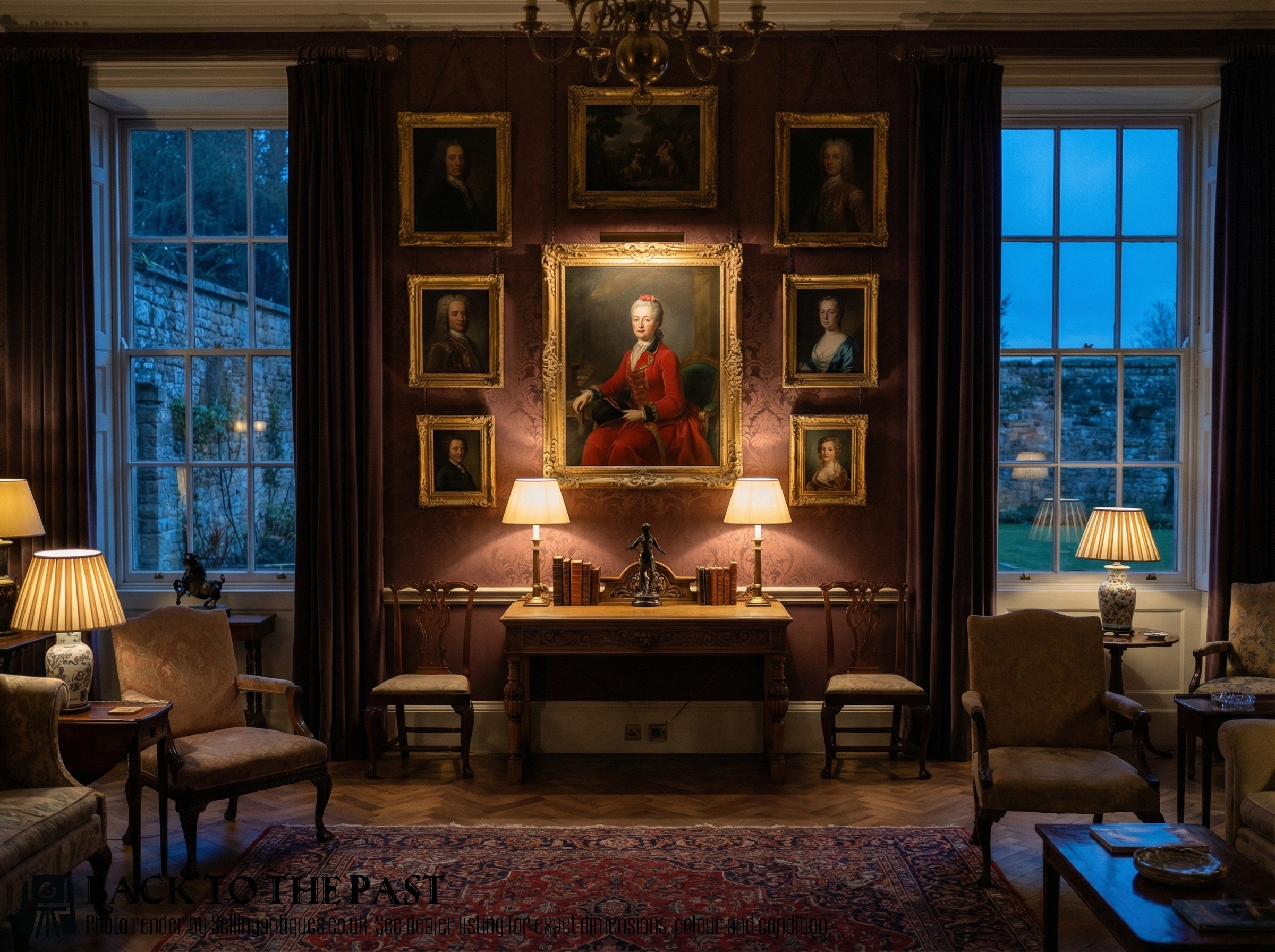
Golden Oak Hall Table
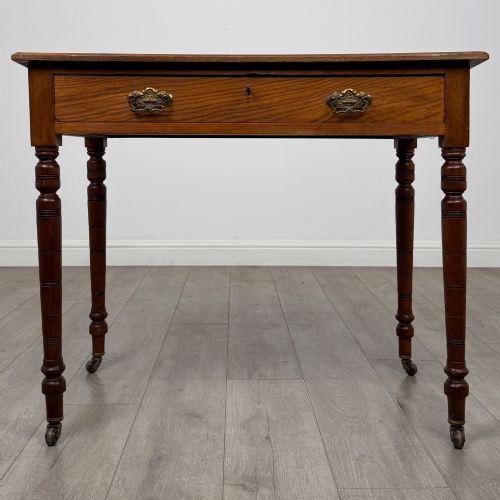
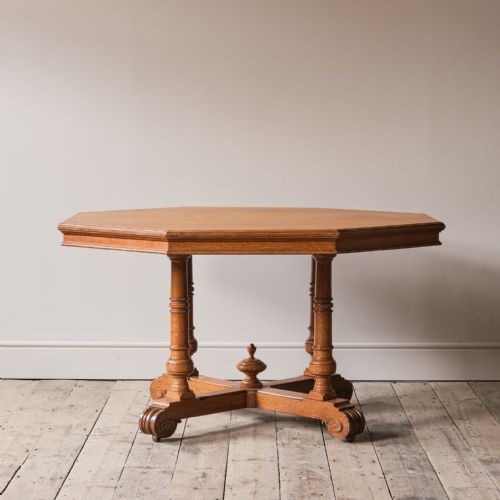
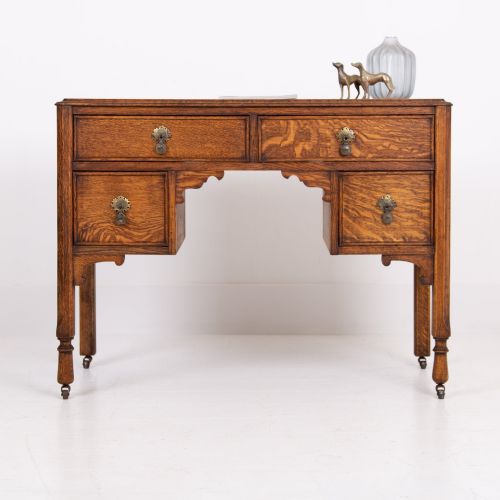
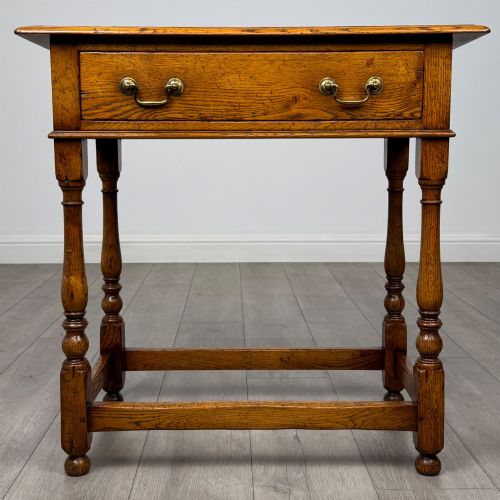
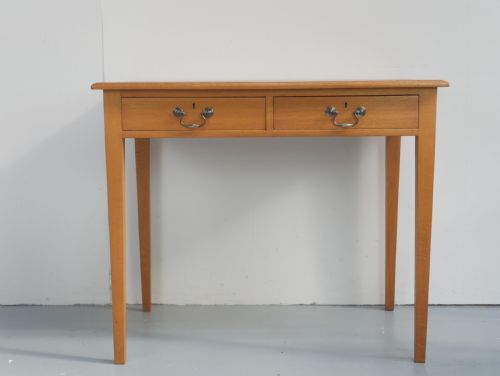
A golden oak hall table is a compact surface designed for narrow spaces, featuring prominently in Victorian and Edwardian domestic architecture where a welcoming piece was essential for correspondence and callers. You will frequently encounter nineteenth-century and early twentieth-century examples shaped as console tables, side tables, or writing desks.
The timber itself defines the aesthetic, displaying warm honey tones and pronounced medullary rays that catch the light in a hallway. Makers utilised various forms of oak, including figured and pollard variations, to create striking visual movement across the top surface.
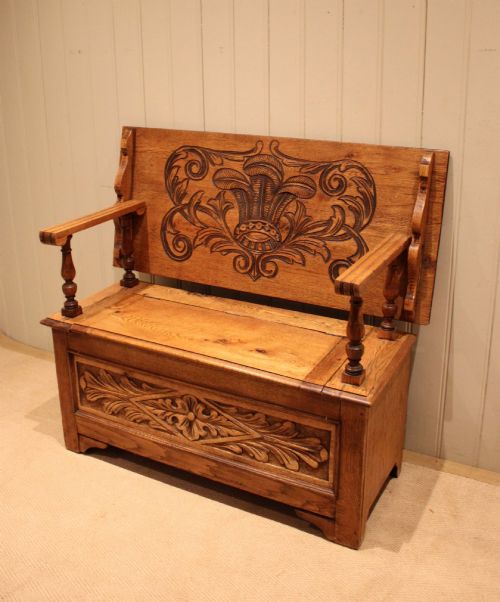
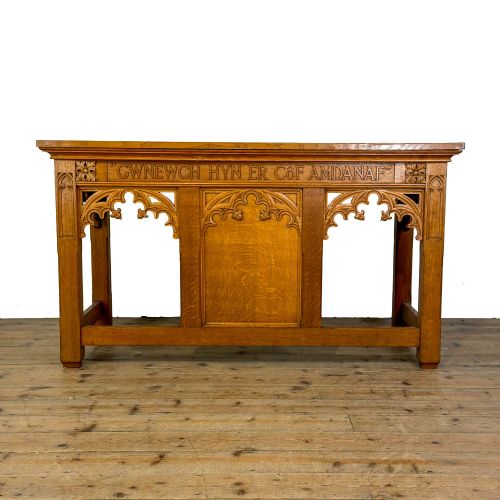
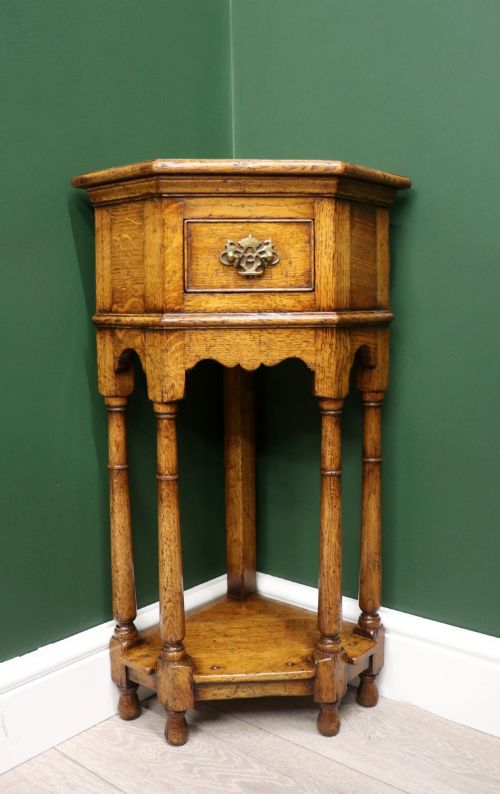
Beyond standard console formats, related iterations in the evidence include monks benches, altar tables, and occasional tables with galleried tiers. These versatile forms share the same sturdy oak construction and honeyed hue, serving specific functional needs in tight domestic spaces.
Materials and construction
Solid oak and figured oak form the structural core of these pieces, selected for density and striking grain patterns. Cabinetmakers often enhanced the visual depth of the timber through polishing, bringing out natural golden tones without obscuring the grain.
Metal hardware such as brass handles and iron fittings frequently complement the woodwork, particularly on pieces featuring drawers or drop leaves. Inlay work and intricate carving, including Green Man motifs and Gothic Revival details, demonstrate the hand of skilled artisans working across the Victorian and Edwardian periods.
Keep an eye out for the watchful gaze of carved Green Man faces hiding beneath the tabletops, guarding your post.
Markers of quality
Quality rests in the selection of the timber and the crispness of the carving, where figured or pollard oak displays superior grain movement compared to plain boards. Hand-carved elements, such as figural details or linenfold panels, show depth and precision that distinguish superior workshops from mass production.
Structural integrity and proportion separate standard utility furniture from finer examples, with well-proportioned legs and tight joinery ensuring longevity. The presence of secondary materials, like quality brass drawer pulls and secondary timber linings inside drawers, further indicates a higher grade of manufacture.
Jenners·Charles Bevan
The Golden Oak Hall Table Glossary
- Console table
- A table designed to stand against a wall, frequently secured with brackets or resting on slender legs to fit narrow hallways. These pieces maximise surface utility without obstructing foot traffic.
- Pollard oak
- Timber taken from trees that have been pollarded, producing a dense, highly figured grain pattern with clustered knots. Cabinetmakers prized this material for its decorative visual impact on tabletops.
- Medullary rays
- Ribbons of cellular tissue radiating from the centre of a log that create distinctive silver-flaked patterns when quarter-sawn. This biological feature is a hallmark of genuine quality oak furniture.
- Gothic Revival
- A nineteenth-century design movement drawing inspiration from medieval architecture, characterised by pointed arches, trefoils, and heavy carved ornamentation. Pieces in this style often incorporate ecclesiastical motifs.
- Monks bench
- A multifunctional piece of furniture featuring a hinged back that converts from a bench seat into a table top. This clever dual-purpose design was popular in smaller historic spaces.
Golden Oak Hall Table: Frequently Asked Questions
Where should I place a golden oak hall table?
These tables fit naturally in entrance halls, corridors, or narrow landings where floor space is at a premium. Their shallow depth allows them to sit flush against a wall while providing a convenient drop zone for keys and post.
The warm golden hue pairs effectively with neutral walls and traditional stone floors. Placing a mirror or a small lamp above the table completes the traditional arrangement.
How do I distinguish Victorian from Edwardian pieces?
Victorian examples typically feature heavier proportions, darker patination, and more elaborate carving such as Green Man motifs or Gothic Revival tracery. The timber work is robust and built to make a formal statement in a Victorian interior.
Edwardian pieces often display lighter golden tones, simpler lines, and occasional Arts and Crafts influences like galleried tiers. The overall aesthetic shifts toward practical elegance and brighter interior spaces.
What is pollard oak?
Pollard oak comes from trees pruned above trunk height to encourage dense branching, which creates a tightly swirled, highly decorative grain pattern. Furniture makers reserved this striking timber for prominent surfaces.
Because of its rich texture, a pollard oak top requires minimal additional ornament to look exceptional. It remains a key indicator of a more decorative or ambitious commission.
How do I care for antique oak furniture?
Maintain the finish by dusting with a dry, soft cloth and occasionally applying a traditional beeswax to nourish the timber. Avoid placing the table in direct sunlight or near heat sources to prevent the wood from drying out.
Using coasters and placemats protects the polished surface from moisture rings and scratches. Regular, gentle care preserves the natural golden sheen of the wood.