
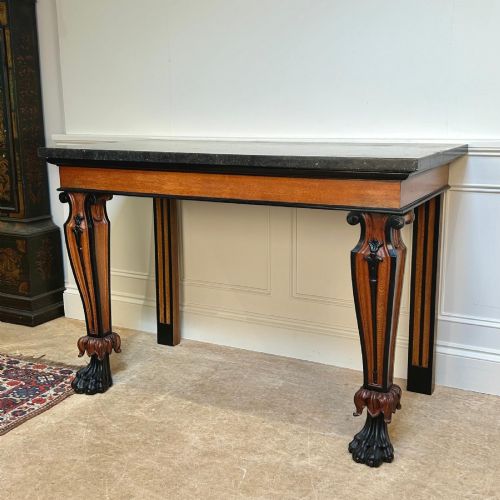
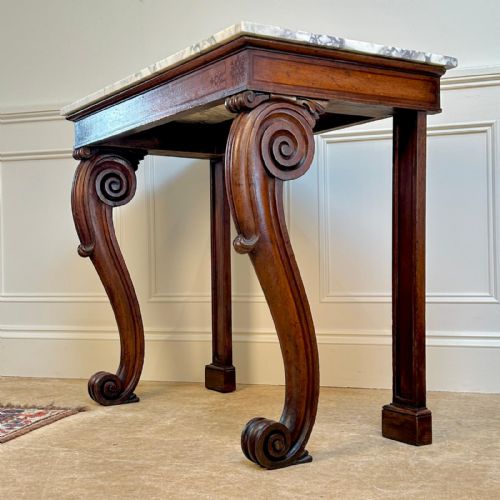
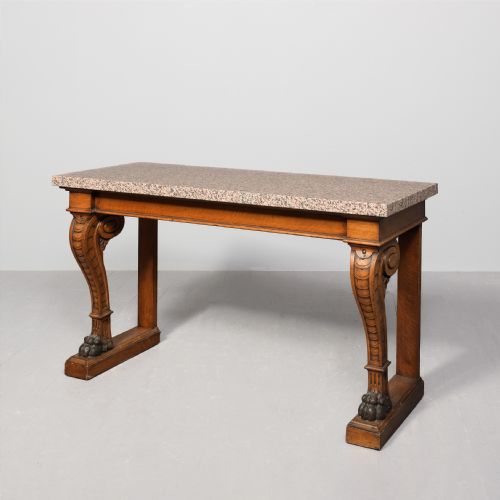

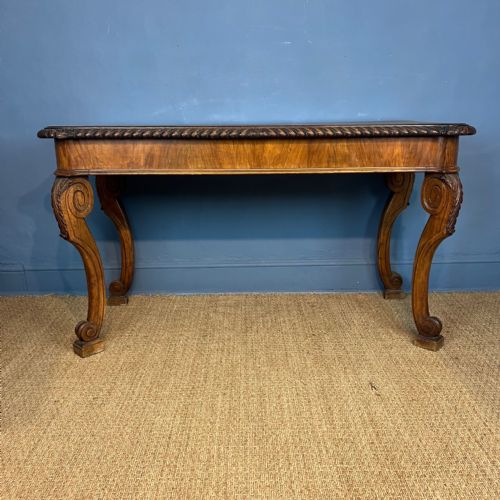


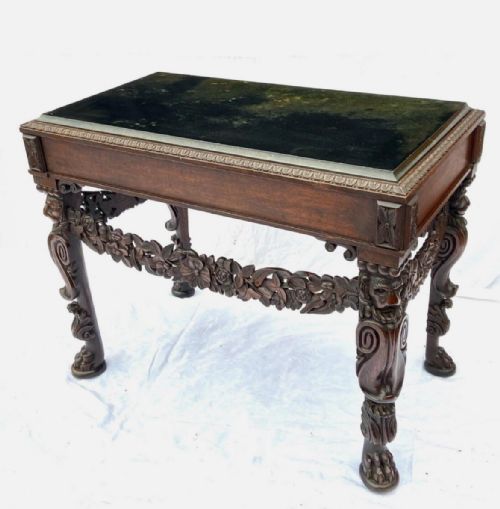


Carved Oak Pier Table
These carved oak pier table examples bring solid construction and striking marble surfaces straight into a hallway or reception room.
What a carved oak pier table is
When you search for a carved oak pier table, you look for heavy wooden console and hall tables designed to stand against a wall. The pieces listed here span the 19th century and 1930, capturing diverse regional aesthetics.
You meet various interpretations including French provincial, Regency, Victorian and Gothic styles. Console tables and hall tables make up the primary forms available on this page.
Many examples pair robust timber frames with fitted marble tops. Golden oak and standard oak dominate the material palette across these specific centuries.
How they were made
Carpenters utilised solid oak to build the structural frames and legs of each table. This durable timber supported heavy stone surfaces without buckling under weight.
Carvers applied detailed ornamentation directly into the wood, notably featuring green man motifs on golden oak hall tables. Craftsmen then mounted polished marble slabs onto the timber bases to finish the console designs.
Retail Price Guide 2026
Typical UK retail prices for carved oak pier table, calculated from the Sellingantiques database of over a million retail prices indexed since 2003. This retail price guide relies exclusively on Sellingantiques data; no external sources or auction records are used, so the figures do not describe the wider market.
French provincial, Regency, and Victorian styles represent the aesthetic variety found across these console tables.
What varies in quality
The refinement of the woodwork dictates the standing of an individual table. Crisp, deep relief carving demonstrates superior bench skill compared to shallow or mechanical shaping.
The selection and fit of the marble top also separate standard examples from finer ones. Thick, well-veined stone fitted precisely to the oak frame elevates the overall presence of the console.
The Carved Oak Pier Table Glossary
- Console table
- A table supported by wall brackets or front legs, designed to stand flat against a wall. This form serves narrow spaces like hallways and reception areas.
- Pier table
- A heavy table intended to sit specifically in the architectural pier space between two windows. It frequently carries a stone or marble top.
- Green man
- A sculptural face motif carved from foliage or branches, appearing on regional oak furniture. This ancient symbol represents rebirth and the spirit of nature.
- Golden oak
- A bright, warm timber finish applied to oak furniture during the nineteenth century. It highlights the natural grain and medullary rays of the wood.
Frequently Asked Questions
Where should I place a carved oak pier table?
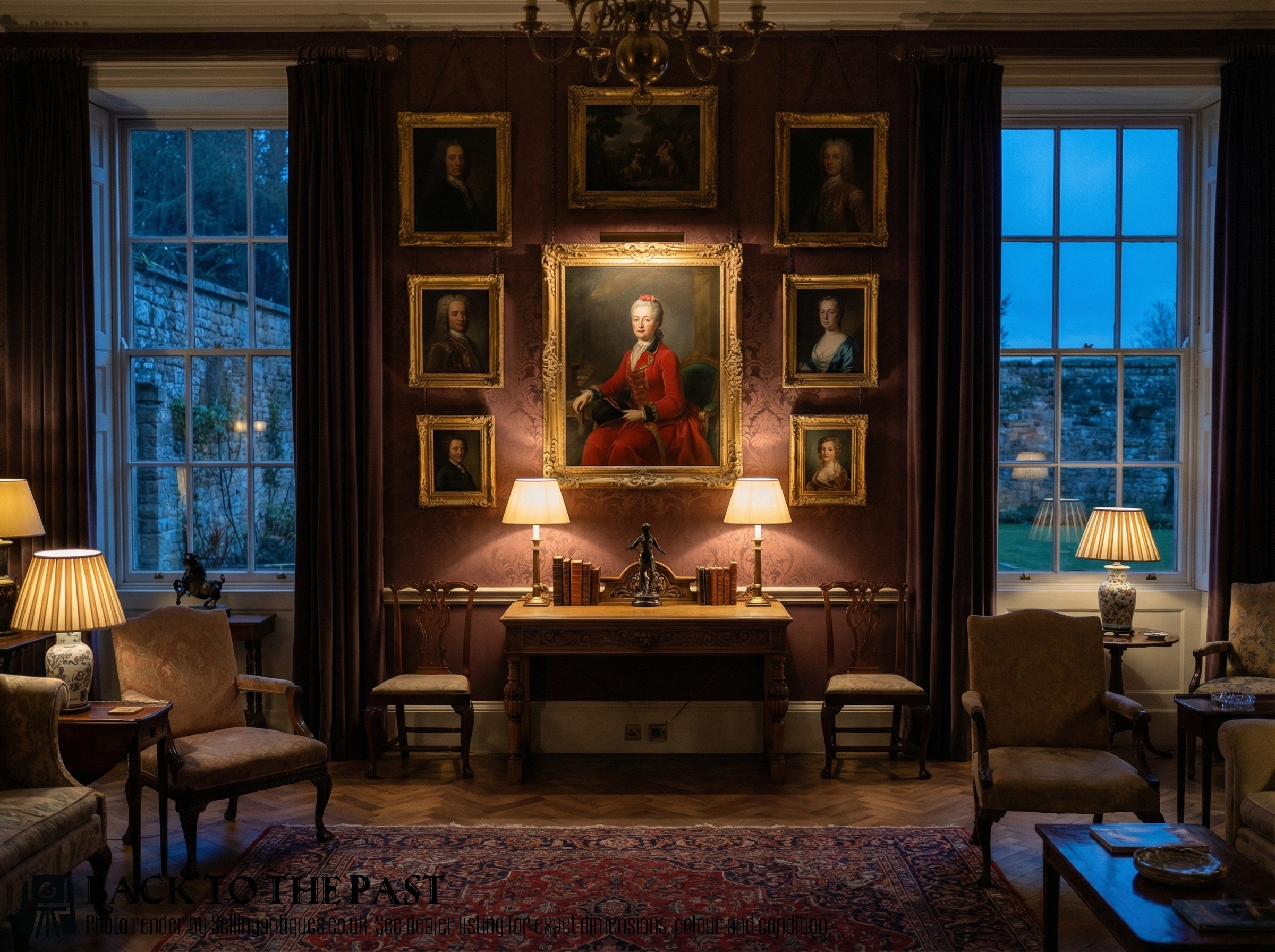
These tables suit narrow architectural spaces like hallways, entrance passages, or the wall space between two windows. Their shallow depth allows them to sit flush against a vertical surface without obstructing traffic.
Pooled against a wall, they provide a stable surface for lamps, decorative objects, or incoming post while adding architectural weight to a room.
How do I care for the marble top?
Wipe the marble surface regularly with a soft, damp cloth and mild soap to prevent staining from liquids. Avoid acidic cleaners, vinegar, or citrus substances that etch polished stone.
Apply a stone sealer periodically to protect the porous marble from absorbing oils and moisture during daily use.
Are these tables suitable for heavy use?
The solid oak construction provides a sturdy and resilient frame that withstands everyday placement of household items. Their primary design intention is to anchor against a wall rather than float freely in a room.
While robust, the heavy marble tops require care to prevent chipping along the vulnerable polished edges.
How do I identify a Victorian and Gothic style?
Victorian and Gothic pieces utilise heavier proportions, darker timber tones, and architectural motifs inspired by medieval buildings. You often spot pointed arches, tracery, and figurative carvings like the green man on these surfaces.
These design cues reflect a nineteenth-century fascination with historical revivals and ornate craftsmanship.