


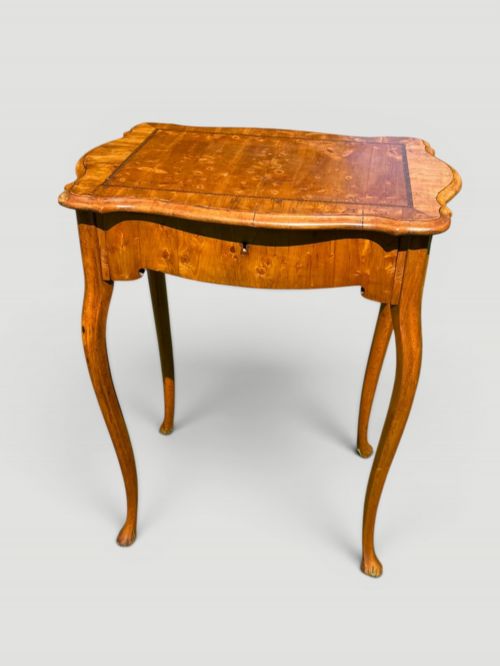


Golden Brown Side Table
These golden brown side table examples bring warmth and rich timber figure to a room, offering practical surface space with distinct period character.

Golden Brown Side Table
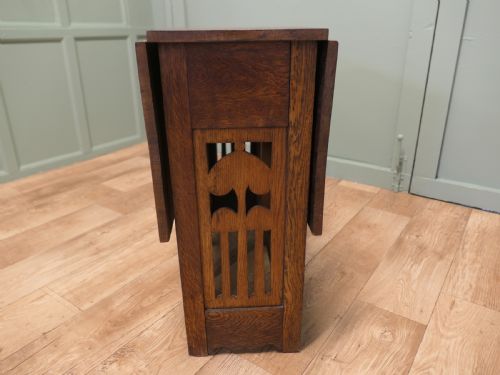
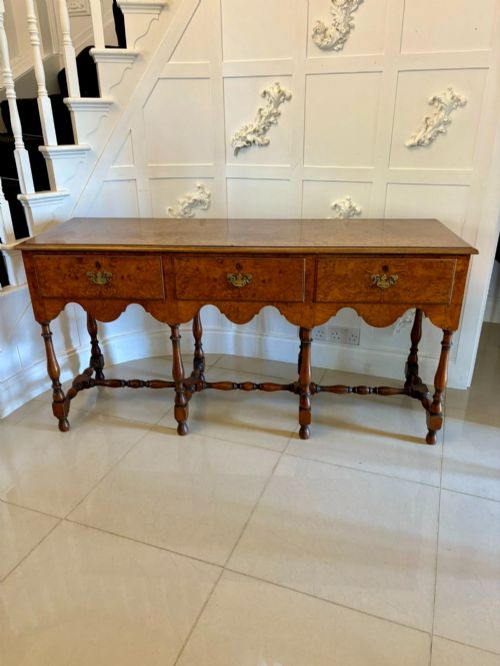
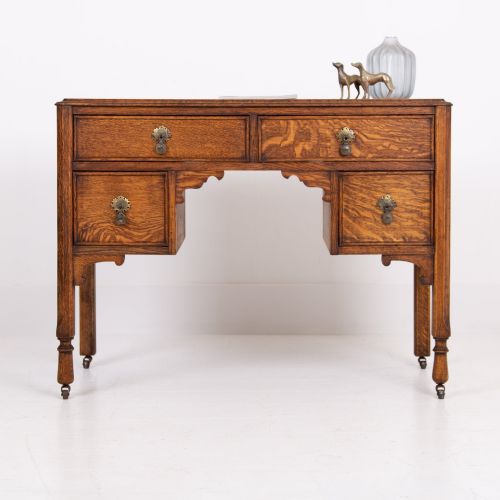
A golden brown side table spans compact occasional pieces, Sutherland tables, and tea tables originating from the nineteenth century, Edwardian era, and Regency period. Buyers seek these items for their warm natural timber tones, ranging from pale honey satinwood to deeper walnut and oak.
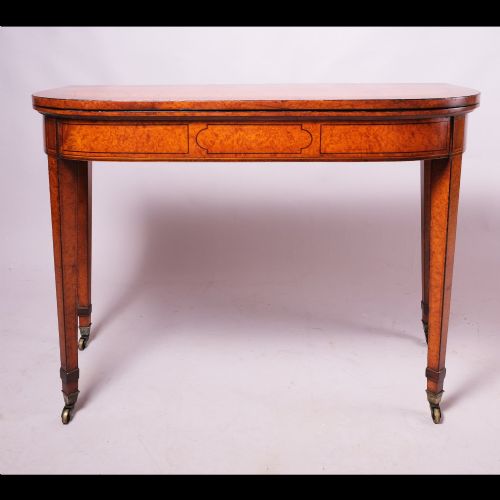
The selection here prioritises smaller occasional surfaces, often featuring figured veneers like burr walnut, pollard oak, or amboyna. These pieces function as versatile accents beside seating or within hallways, combining functional utility with decorative grain patterns.
Materials and construction
Cabinetmakers utilised rich timbers such as satinwood, mahogany, walnut, and oak, frequently selecting burr veneers to create striking surface patterns. Inlays of boxwood and floral marquetry often add fine linear contrast to the primary golden brown fields.
Traditional joinery underpins these tables, from tripod bases and pedestal supports to folding card table mechanisms and nested configurations. Polishing techniques build a warm lustre that accentuates the natural figure of the wood.
Several tables here include nested sets, proving that Victorian and Edwardian households understood the eternal human struggle of needing just one more surface for a cup of tea.
Assessing quality and finish
The distinction between standard and superior pieces rests on the choice of timber and the precision of the veneer work. Master craftsmen matched burr figures symmetrically across a top, whereas simpler examples relied on plain grain timbers.
Refinement in secondary details, such as crisp floral marquetry inlay or the structural integrity of folding mechanisms, marks out the higher tier of these tables. Original patination and depth of polish further distinguish the finer examples.
Maple & Co·Harry and Lou Epstein·Anton Seuffert·William Norrie
The Golden Brown Side Table Glossary
- Satinwood
- A dense, light-reflecting timber with a natural golden sheen, widely utilised for fine Edwardian and Georgian tables.
- Burr walnut
- A prized wood taken from the deformed growth or root of a walnut tree, producing swirling, highly decorative grain patterns.
- Sutherland table
- A narrow drop-leaf table with hinged flaps that fold down almost vertically, designed to save space when not in use.
- Marquetry
- The art of applying pieces of veneer to a structure to form decorative patterns, often featuring floral designs.
- Guéridon
- A small occasional table, typically supported by a central column or tripod base, originating from French furniture traditions.
Golden Brown Side Table: Frequently Asked Questions
How do I clean a satinwood table?
Dust regularly with a soft, dry cloth to prevent the accumulation of abrasive particles.
Apply a quality beeswax periodically to nourish the timber and maintain the subtle golden lustre without damaging the historic finish.
Where should I place a golden brown side table?
Position these pieces beside a sofa or reading chair where their compact surface can hold lamps or small decorative items.
Keep them away from direct sunlight and strong heat sources to protect the delicate satinwood or burr veneers from drying out.
How do I identify Edwardian satinwood?
Edwardian satinwood furniture often displays pale, glowing golden tones combined with delicate stringing, crossbanding, and sometimes marquetry inlay.
Examine the secondary woods and construction methods underneath to confirm the early twentieth-century manufacture period.