



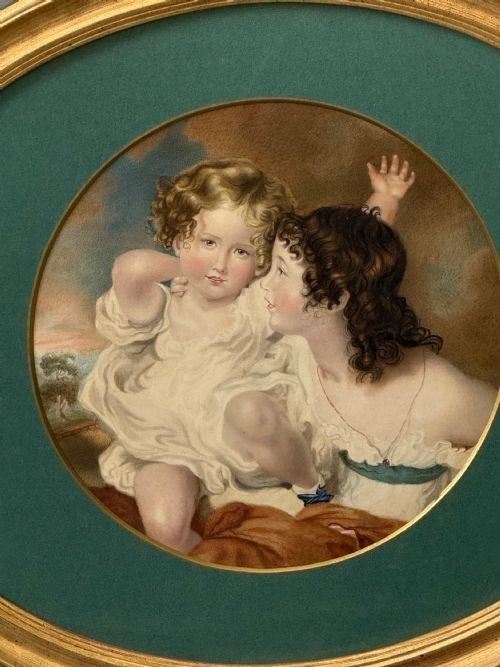
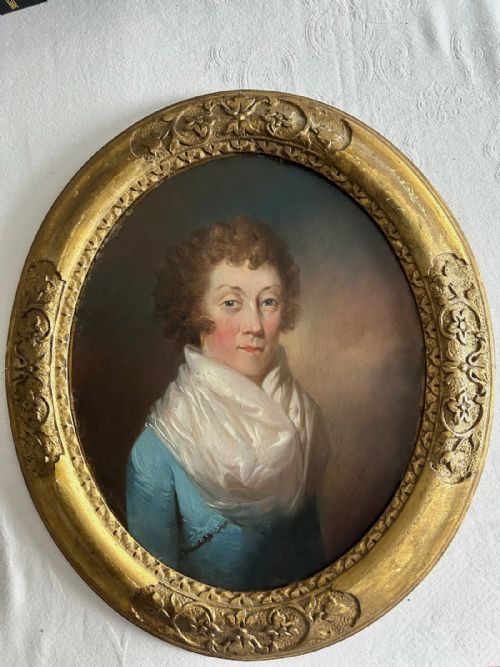



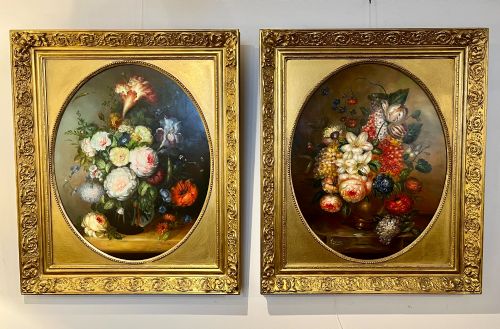
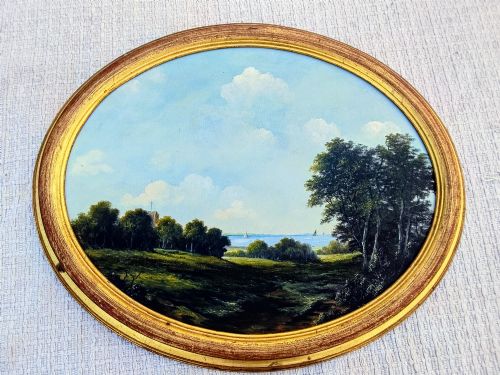
Gold Oval Framed Art
When you search for gold oval framed art, you meet centuries of portraiture and landscape bound within curved borders of giltwood, wood, and metal.
Gold Oval Framed Art
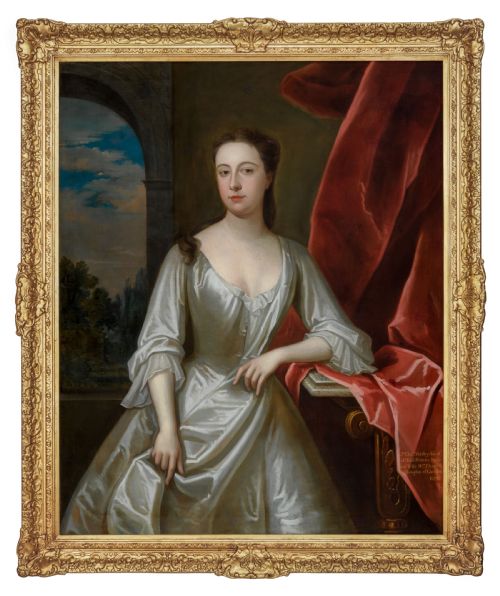
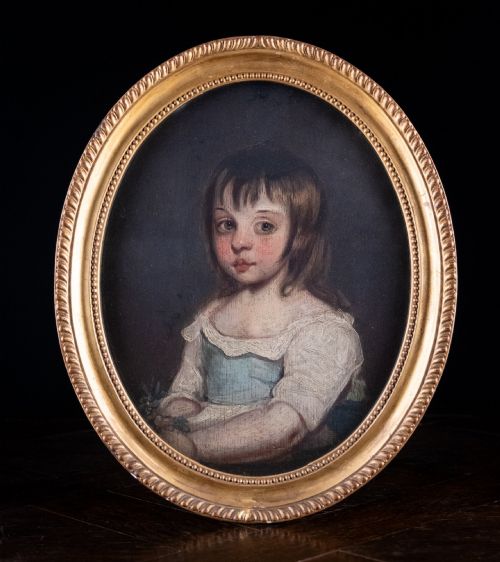
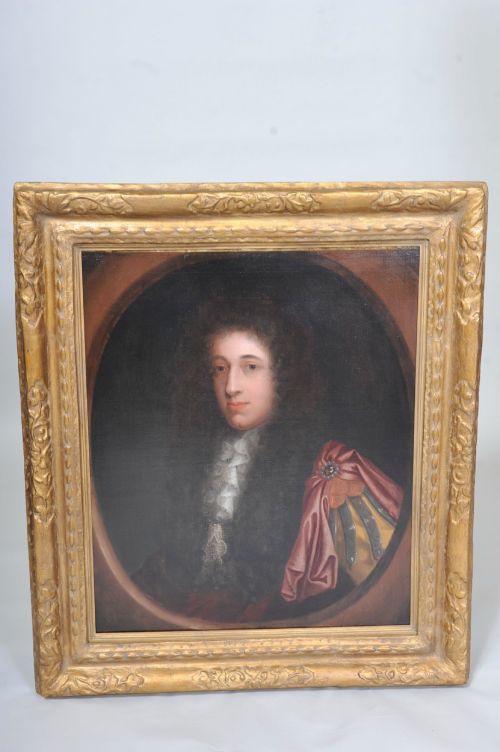
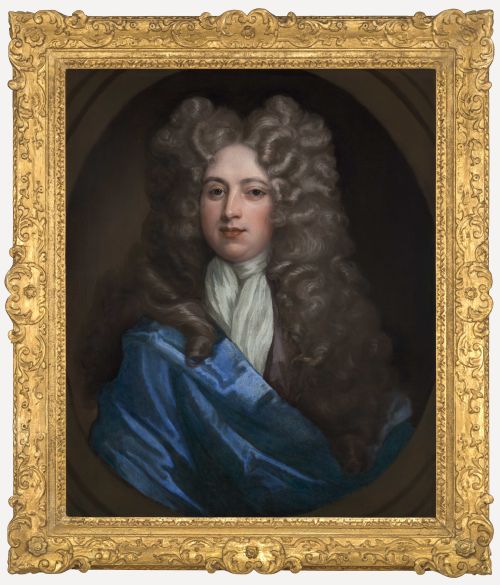
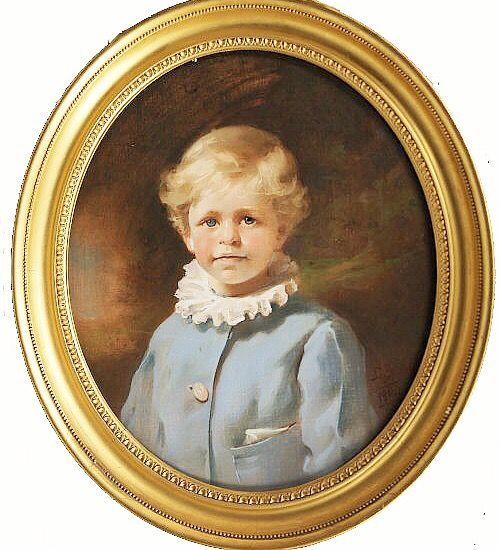
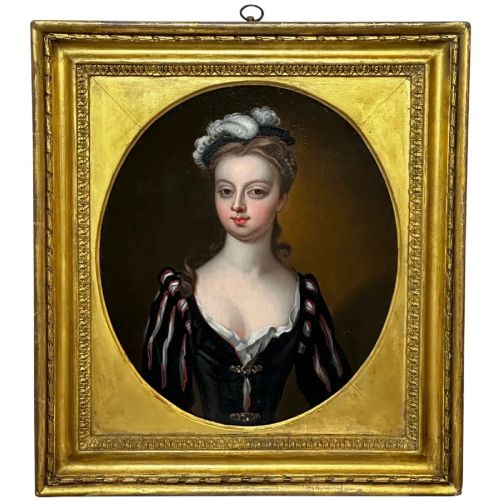
The pieces gathered under gold oval framed art span oil paintings, watercolours, portrait miniatures, and pastels housed in curved surrounds. These works bridge multiple eras, from seventeenth-century canvases and Georgian miniatures to nineteenth-century watercolours and later interpretations.
The dominant forms are portrait paintings and miniatures, reflecting subjects from nobility to country gentlefolk captured within distinct curved profiles. Many retain their original or period frames, maintaining the proportion intended by the maker.
Origins stretch across British, French, and Dutch schools, showcasing styles from the Baroque and Regency periods through to Italian Renaissance influences and academic traditions of the nineteenth century.
Materials and construction
Canvases, paper, enamel, and glass serve as the primary grounds for these works, painted in oil, watercolour, pastel, or executed as engravings and silkworks. These visual components sit inside surrounds shaped from wood, gilded with gold leaf, or cast in metal.
Giltwood frames rely on applied gold leaf over prepared wooden mouldings, often carved with recurring motifs suited to the period of the artwork. Miniature cases frequently incorporate gold frames, sometimes glazed to protect delicate surfaces such as enamel or silk.
Current selections encompass works originating across the seventeenth, eighteenth, and nineteenth centuries, utilising oil on canvas, watercolour, and pastel.
Assessing quality
Distinction across these works lies in the handling of the medium, whether through the fine brushwork of an oil portrait or the meticulous detail found in a miniature enamel. Superior examples display confident draughtsmanship and anatomical precision that mark the hand of a skilled artist.
The relationship between the art and its surround dictates much of the visual success, as period-correct frames designed specifically for the canvas or miniature preserve the historical integrity of the piece.
Sir Godfrey Kneller·James Sharples·Henry Bone·Thomas Murray·John Scougall·Richard Cosway·Jacob Philipp Hackert·John Russell·Thomas Beach·Jeremiah Davison
The Gold Oval Framed Art Glossary
- Giltwood
- Wood that has been covered with a thin layer of gold leaf. This finish gives frames a luminous quality that catches candlelight and natural illumination alike.
- Portrait miniature
- A small-scale painting, often executed on ivory, vellum, or card, designed for intimate viewing. These works frequently reside in small pendant frames.
- Enamel
- A material created by fusing powdered glass to a metallic substrate through firing. Henry Bone and similar practitioners utilised this technique for durable, vibrant portraits.
- Stipple engraving
- A printmaking method where images are built up using a pattern of dots rather than continuous lines. This technique allows for subtle tonal gradations, particularly in skin tones.
Gold Oval Framed Art: Frequently Asked Questions
Are these frames original to the paintings?
Many pieces retain their period or original frames, while others have been paired with suitable historic surrounds over time.
Examining the fit at the reverse and the wear on the gilt surface helps determine if the pairing is contemporary with the artwork.
How should I hang an oval frame?
Oval frames require secure wall fixings, often utilising a dual-point hanging system behind the vertical centre to prevent twisting.
Keeping them away from direct sunlight protects both the gilt surface and the pigments within the painting.
What subjects appear most frequently?
Portraits of gentlemen, noblewomen, and children dominate these listings, alongside occasional landscapes and still life studies.
Many depict identified historical figures or sitters from specific British and European aristocratic lines.
How do I identify the period of the frame?
Frame styles shift from the ornate carvings of the Baroque and Georgian eras to the cleaner sight lines of the Regency period.
Construction details at the corners and the composition of the gesso underneath the gold leaf offer clear chronological clues.