



Gold Metal Jardiniere
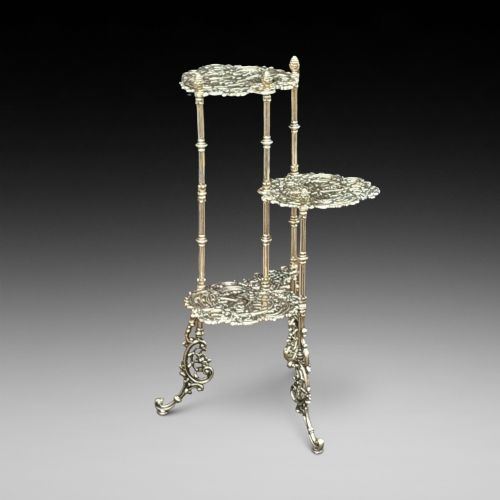
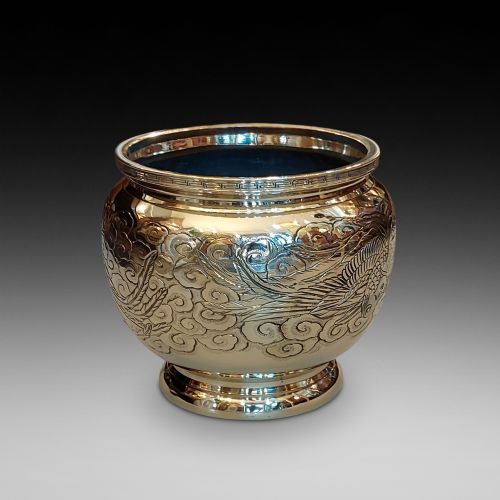
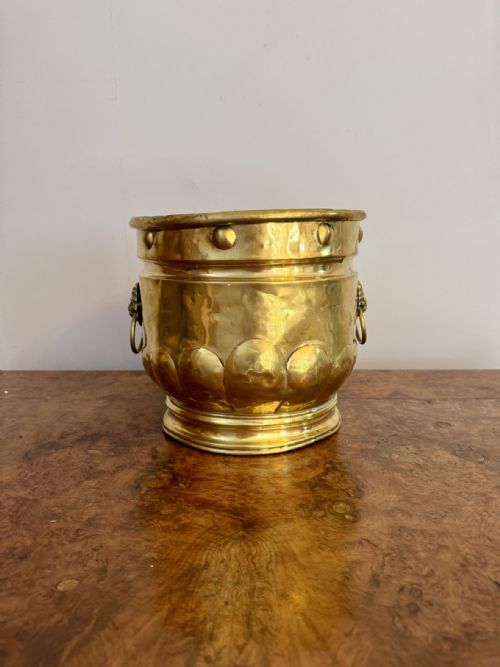
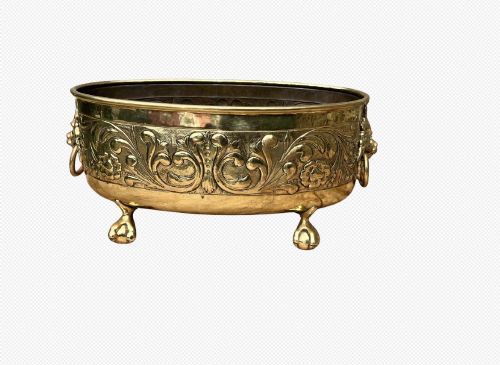
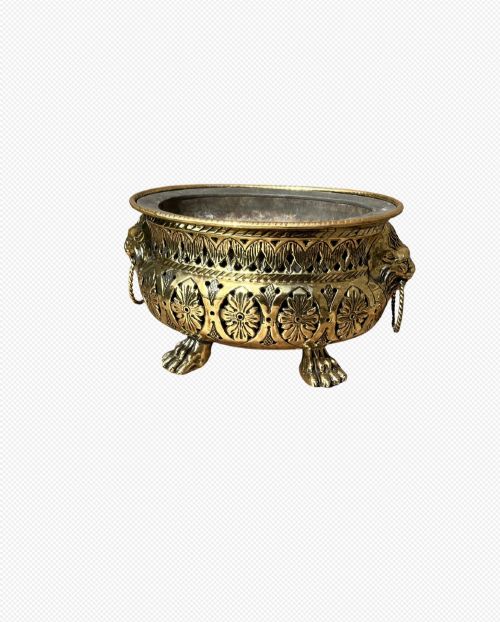
A gold metal jardiniere brings sculptural plant display indoors, and Victorian brass examples dominate this selection.

Gold Metal Jardiniere
A gold metal jardiniere functions as a decorative plant holder or cachepot designed for domestic interiors. When searching this phrase, buyers encounter various forms including planters, troughs, stands, and bowls intended to house potted plants.
The pieces on this page lean heavily towards Victorian brass examples, alongside French, Italian, and Asian metalware. Forms range from simple pierced vessels to large planters featuring crests, animal heads, and matched stands.
Originating across different centuries, these items demonstrate how interior horticulture evolved from utilitarian garden use into a refined indoor art. Many items double as decorative boxes or log buckets while retaining their primary planting purpose.
Materials and construction
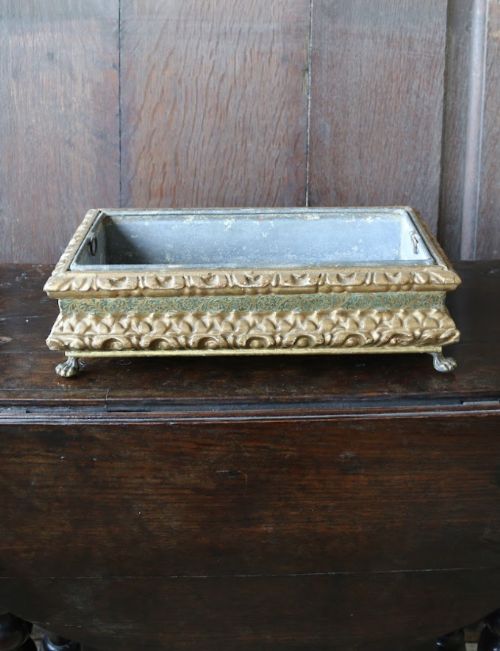
Makers utilised cast, pressed, and repoussé brass, bronze, and zinc to shape these vessels. Metal surfaces often received gilding or gold leaf finishes, while structural elements occasionally combined with carved giltwood and marble.
Techniques such as piercing, repoussé hammering, and surface casting allowed artisans to achieve high levels of ornamentation. Zinc linings frequently protected the main metal body from moisture damage originating from potted plants.
Gold Metal Jardiniere Retail Price Guide 2026
Typical asking prices for gold metal jardiniere among the pieces listed under this phrase on Sellingantiques today, from the lower quarter to the upper quarter. They describe what is for sale here now, not the wider market.
The listings span from the seventeenth century through the Victorian era to the early twentieth century, featuring brass, bronze, and zinc.
Evaluating craftsmanship
Quality reveals itself in the crispness of chased or repoussé details, such as animal heads and heraldic crests. Heavier gauge metals and sturdy construction methods distinguish superior vessels from lighter, purely decorative items.
The integrity of joints, the presence of original metal liners, and the balance of associated stands dictate the overall standard of a piece. Finer examples retain their original gilding and structural stability across centuries.
The Gold Metal Jardiniere Glossary
- Jardiniere
- An ornamental pot or stand designed to hold growing plants or flowers. These vessels sit on floors, tables, or dedicated stands.
- Cachepot
- A decorative pot used to conceal an ordinary flowerpot without a drainage hole. This French term translates literally to hide pot.
- Repoussé
- A metalworking technique where an artisan hammers a design from the reverse side to create relief on the front. This method adds tactile depth to brass and bronze surfaces.
- Giltwood
- Timber that has been coated with gold leaf or gold paint. It appears on associated stands and decorative boxes from various periods.
- Pierced
- Metalwork perforated with decorative cut-out patterns. This technique lightened the visual weight of heavy brass vessels.
Gold Metal Jardiniere: Frequently Asked Questions
What is a gold metal jardiniere used for?
These vessels serve primarily as decorative containers for indoor plants, holding potted foliage within living spaces. Many double as cachepots to conceal plain nursery pots.
Historically, they also functioned as log buckets or large display bowls for grand interiors. Their robust metal construction accommodates both live plantings and decorative arrangements.
How do I clean an antique brass jardiniere?
Maintenance requires gentle dusting with a soft, dry cloth to protect aged metal surfaces. Avoid harsh chemical polishes that strip away historical patina.
If moisture accumulates inside from plant pots, dry the interior thoroughly to prevent corrosion. Preserving the natural oxidation maintains the character of Victorian and earlier metalware.
Are these planters waterproof?
Many period examples feature zinc linings designed to catch water drainage and protect the outer metal body. However, older liners can develop leaks over long periods of use.
Placing a modern saucer inside provides additional protection for antique brass and bronze vessels. Checking the interior condition helps determine whether direct planting is suitable.
How do I date a brass jardiniere?
Dating relies on observing manufacturing techniques, material composition, and stylistic cues associated with periods like the Victorian era or French Empire. Machine-pressed elements often point towards the later nineteenth century, while hand-chased details can indicate earlier craftsmanship.
Maker marks, registration numbers, and specific motifs such as aesthetic movement patterns further narrow down the origin. Comparing the form against documented examples helps establish a reliable timeline.