




Gold Metal Candle Holder
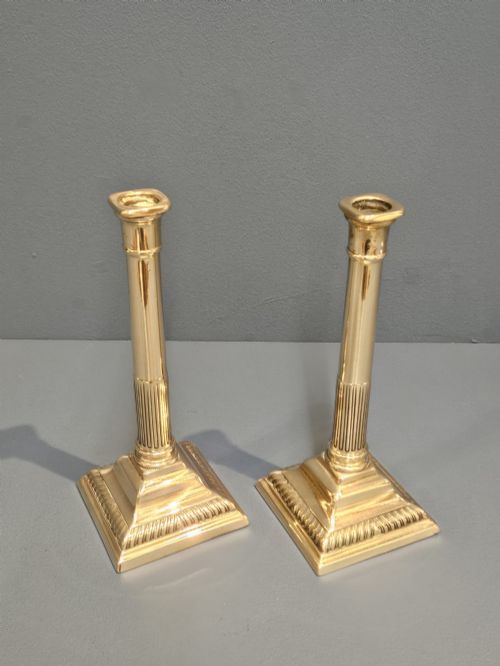
A gold metal candle holder brings warmth and structured light to a room, drawing the eye with polished surfaces and period form.
Gold Metal Candle Holder
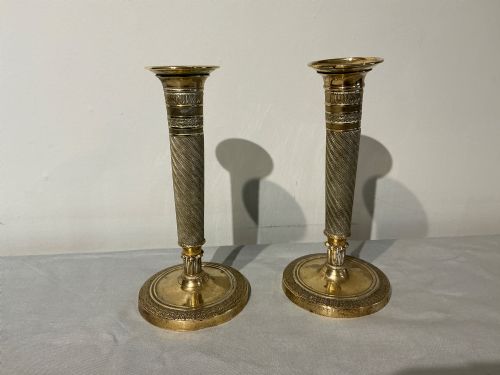
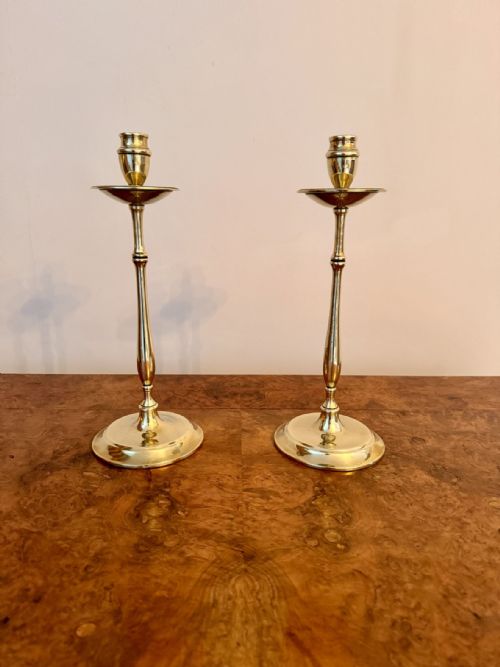
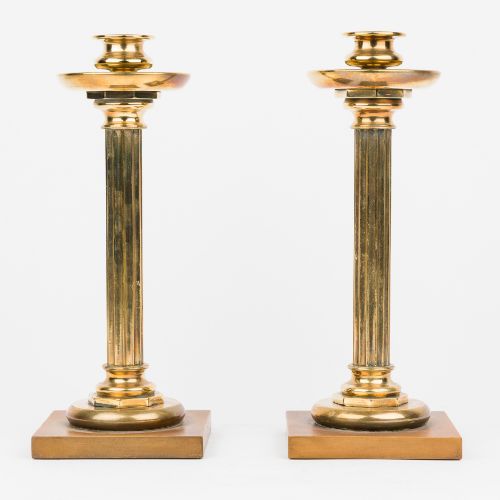
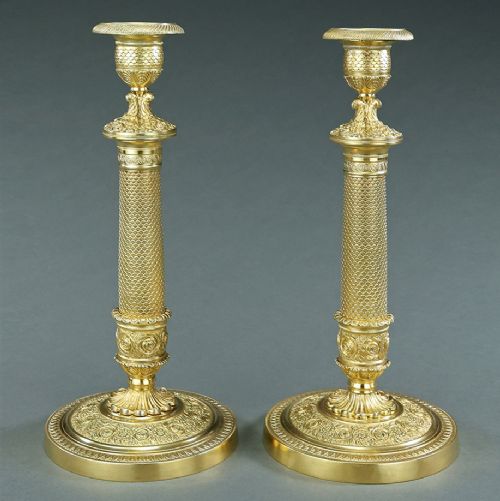
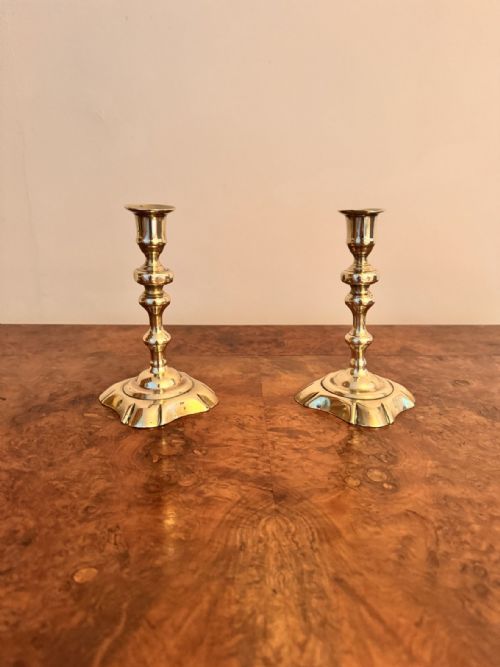
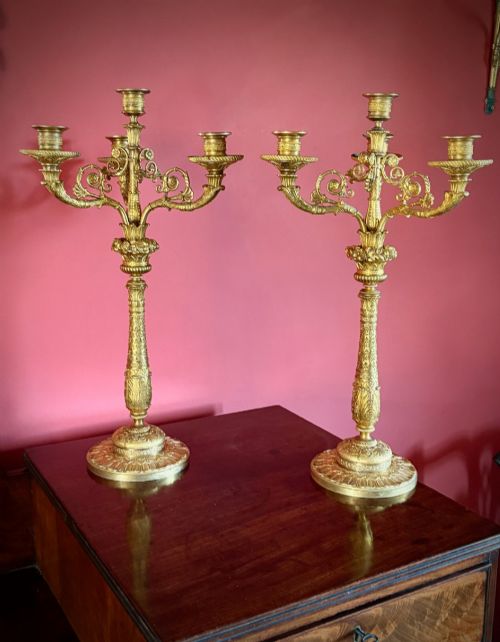
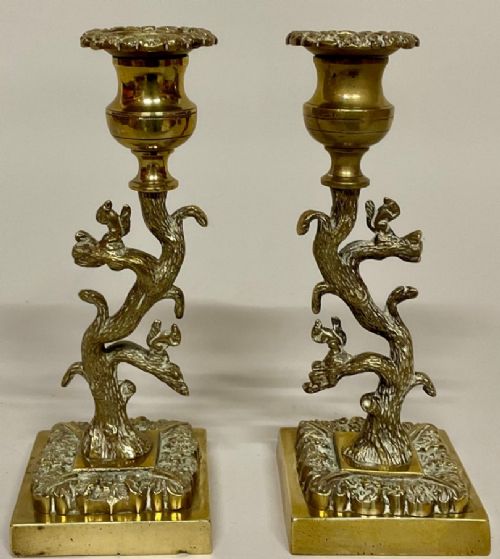
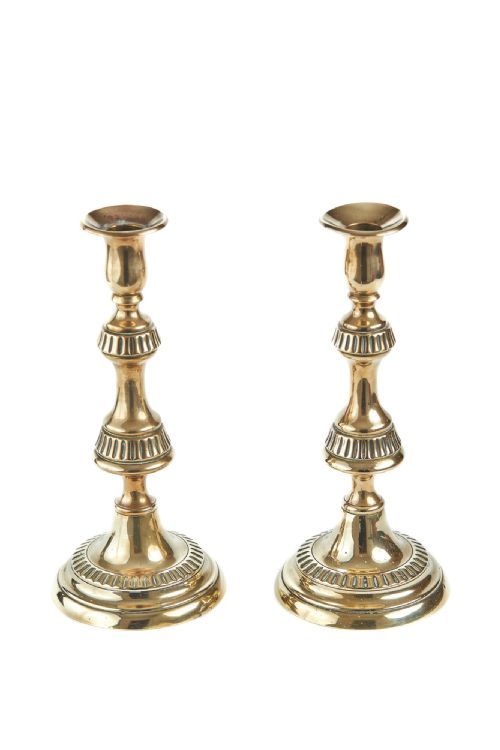
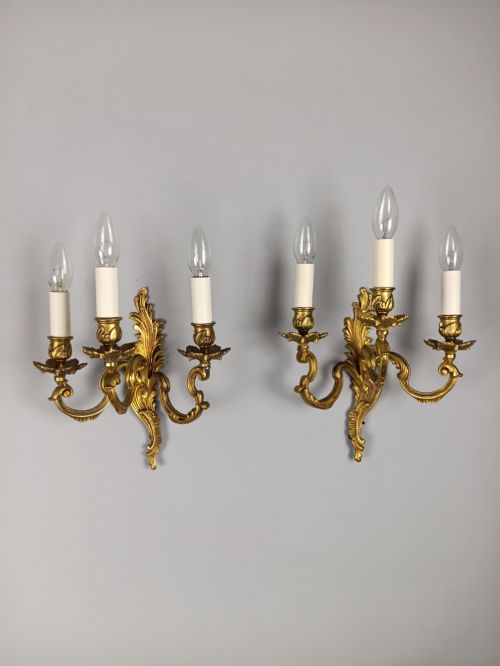
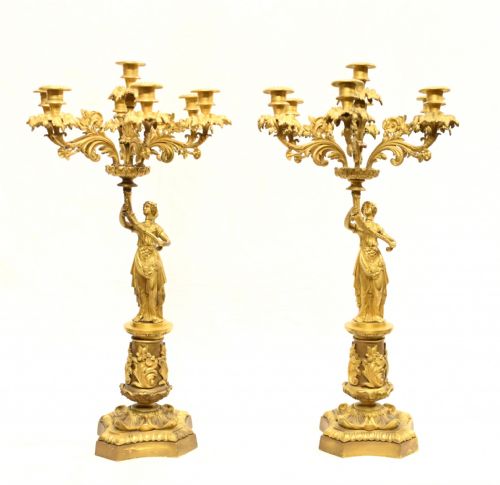
When you search for a gold metal candle holder, you encounter a range of lighting forms spanning several centuries of metalwork and design. The selection on this page consists predominantly of brass, gilt bronze, ormolu, and gilt metal pieces made as candlesticks, multi-arm candelabra, and wall sconces. These items originate from periods including the Georgian, Regency, Victorian, and Edwardian eras, alongside Continental French Empire and Rococo Revival styles.
You are most likely to meet pairs of brass and ormolu candlesticks dating from the nineteenth century, often cast with classical motifs or decorative bases. These domestic objects served to illuminate rooms before electric lighting, combining functional utility with sculptural presence. Makers applied traditional casting methods to shape molten metal into slender shafts, campana sconces, and sturdy square or petal bases.
How they were made
The pieces recorded here rely primarily on brass, bronze, and copper alloys shaped through casting and subsequent finishing. Brass and bronze were poured into moulds, then turned on lathes or hand-finished to sharpen the profiles of the stems and drip pans. Ormolu and gilt bronze items received a thin layer of gold applied to the bronze base, creating a durable golden sheen that caught the ambient light of a room.
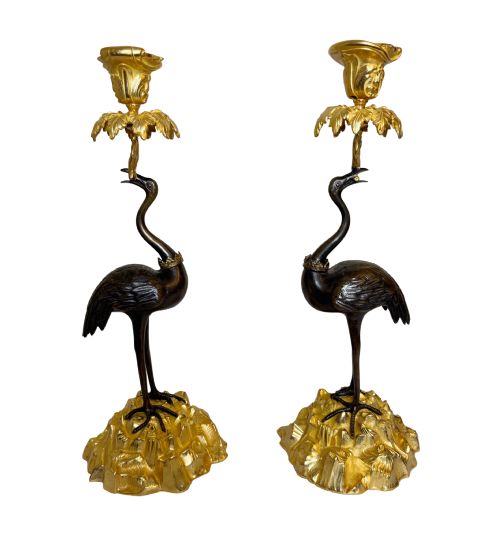
Many items combine cast metal elements with secondary materials such as marble bases, slate, or patinated bronze details. Craftsmen utilised seaming techniques for earlier brass examples, joining component parts before smoothing the seams away. Decorative motifs like animal figures, foliage, and architectural scrolls were cast separately and fixed to the main body.
Gold Metal Candle Holder Retail Price Guide 2026
Typical asking prices for gold metal candle holder among the pieces listed under this phrase on Sellingantiques today, from the lower quarter to the upper quarter. They describe what is for sale here now, not the wider market.
Listings feature materials spanning brass, gilt bronze, ormolu, marble, and slate across eighteenth and nineteenth-century periods.
What varies in quality
The distinction between standard domestic lighting and superior pieces rests on the crispness of the casting and the depth of the finish. High-grade ormolu and gilt bronze retain sharp chiselling on decorative details, whereas lesser items display softer edges where mould wear has dulled the pattern. Heavier weight and balanced proportions signal careful manufacture.
Surface preservation also separates grades of stock, with original fire-gilding maintaining a soft, rich lustre compared to later re-plating. The complexity of the design, such as sculptural figures or multi-arm configurations, demands greater skill from the foundry and indicates a higher order of production.
The Gold Metal Candle Holder Glossary
- Ormolu
- Finely ground high-carat gold applied to a bronze object through a mercury amalgamation process. This technique creates a rich golden finish characteristic of French decorative arts.
- Candlestick
- A portable device designed to hold a single wax or tallow candle upright. They typically feature a base, a vertical shaft, and a socket or nozzle at the top.
- Candelabra
- A branched candlestick holding multiple candles on separate arms. These lighting pieces often stand as centrepieces on dining tables or mantlepieces.
- Campana
- A bell-shaped candle socket commonly found on classical candlesticks and candelabra. The flared rim catches dripping wax before it runs down the shaft.
- Pricket
- A sharp metal spike set in the drip pan of early candlesticks to impale the base of a candle. This form predates standard socket holders.
Gold Metal Candle Holder: Frequently Asked Questions
How do I clean antique brass and ormolu?
Dust surfaces gently with a soft, dry cloth to remove particle build-up.
Avoid abrasive metal polishes on ormolu and gilt bronze, as harsh chemicals strip the historic gold layer away entirely.
Were these holders made to burn candles daily?
Historic households utilised these metal holders every evening for primary illumination before gas and electric systems arrived.
Today, you can burn standard taper candles in them, provided you monitor the wax level near the socket.
How can I tell a Georgian candlestick from a Victorian one?
Georgian examples often display simpler petal bases or heavy cast brass construction with seamed shafts.
Victorian pieces lean towards heavier ornamentation, incorporating intricate rococo scrolls, stamped factory marks, and mixed materials like marble.
Why do some candlesticks come as singles?
Many lighting pieces were manufactured in matched pairs to flank mirrors or fireplaces symmetrically.
Over the centuries, pairs became separated through dispersal, leaving surviving single items to be used independently on desks or side tables.