



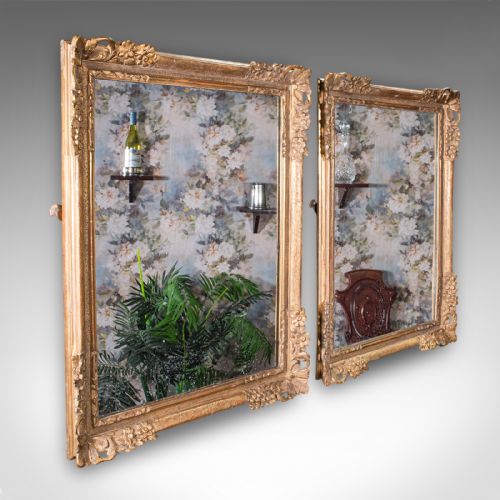
Gold Leafed Overmantel
A gold leafed overmantel brings reflected light and architectural scale to a room, hung traditionally above a fireplace or mounted as a large wall pier glass.
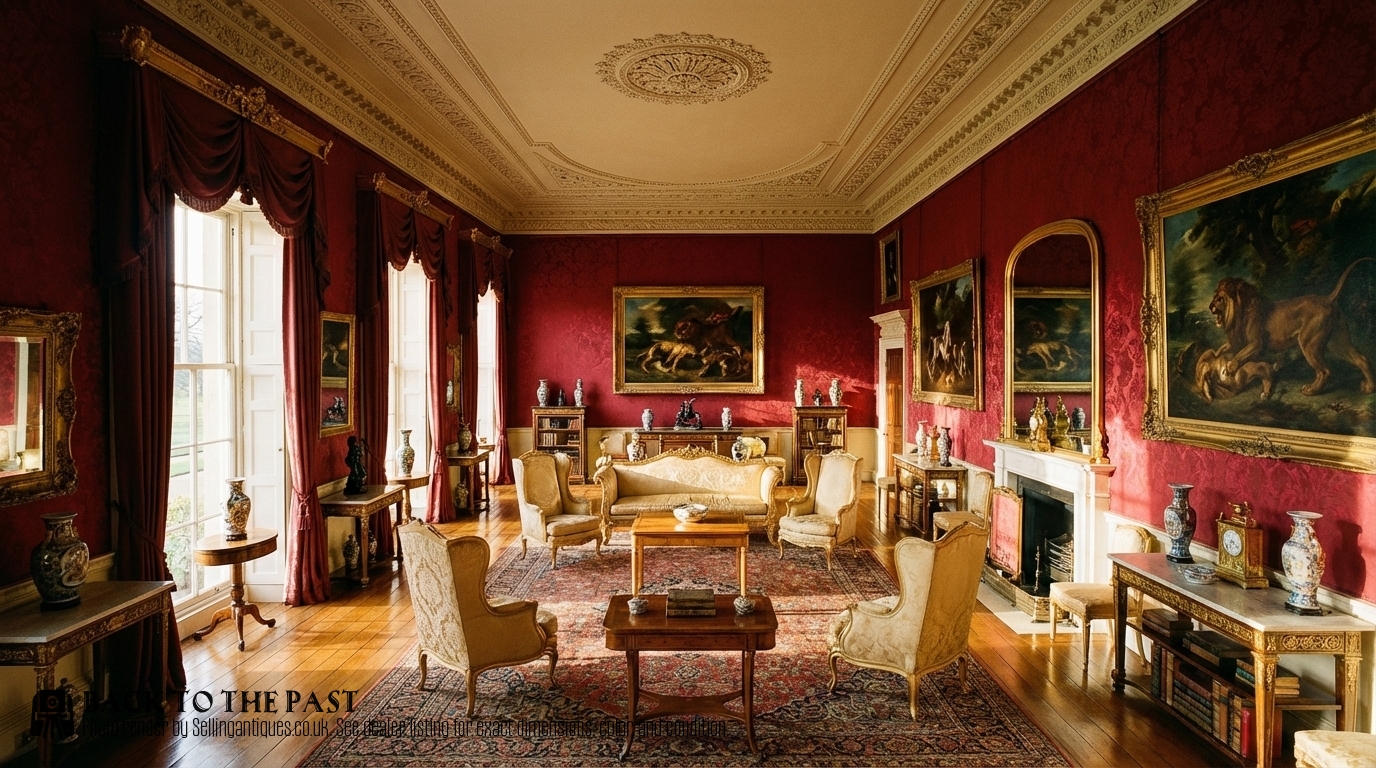
Gold Leafed Overmantel
When searching for a gold leafed overmantel, buyers encounter large wall and mantel mirrors originating predominantly from the nineteenth century, alongside eighteenth-century and Edwardian examples. These items typically take the form of substantial architectural mirrors designed to sit above a mantelpiece or anchor a large wall space.
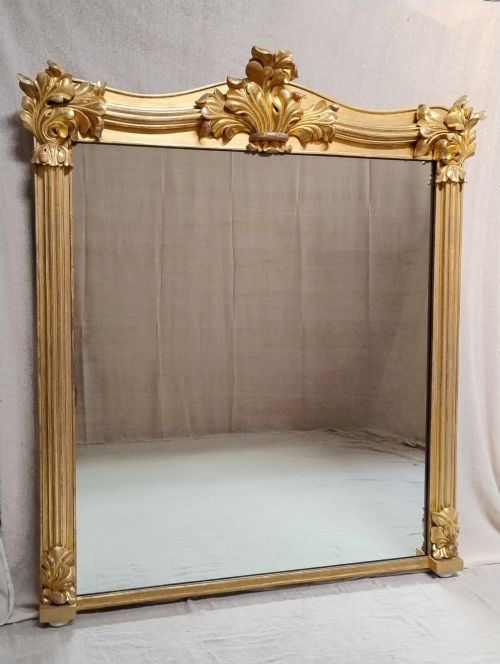
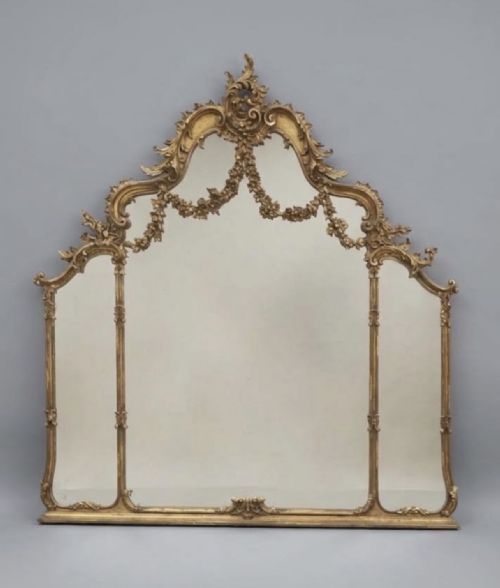
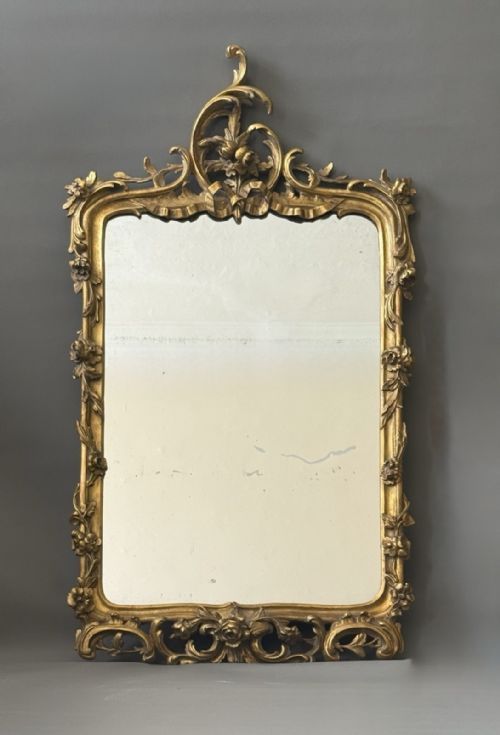
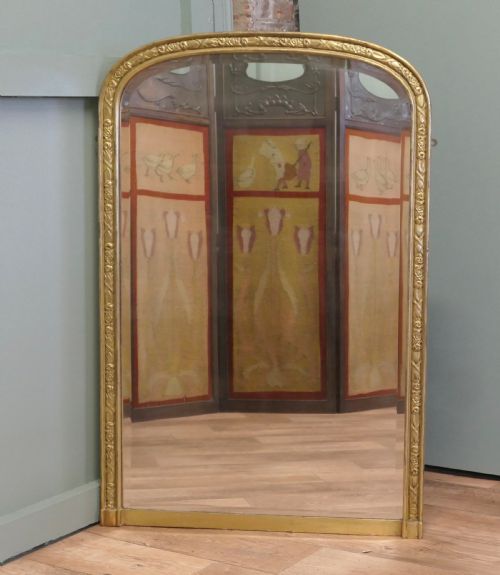
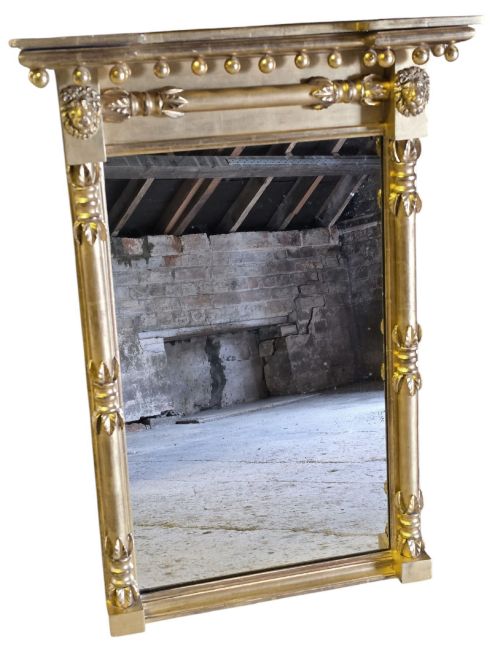
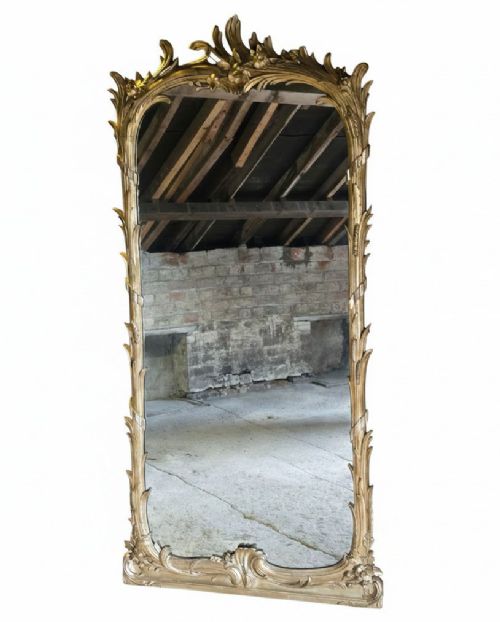
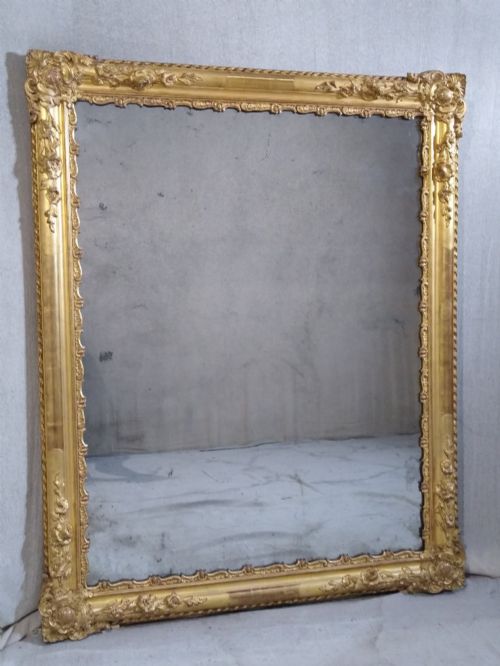
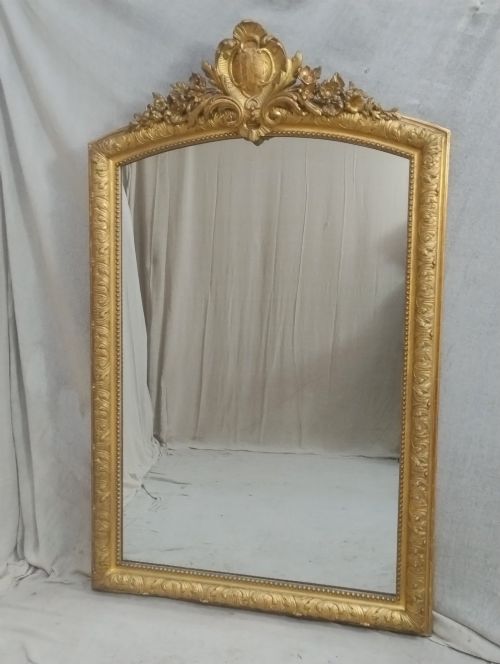
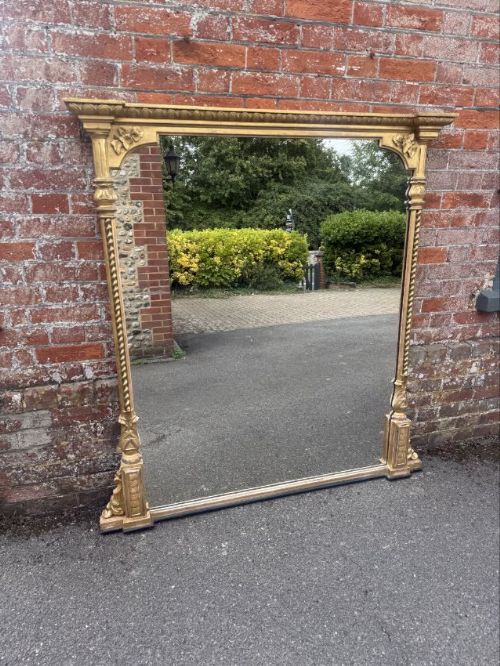
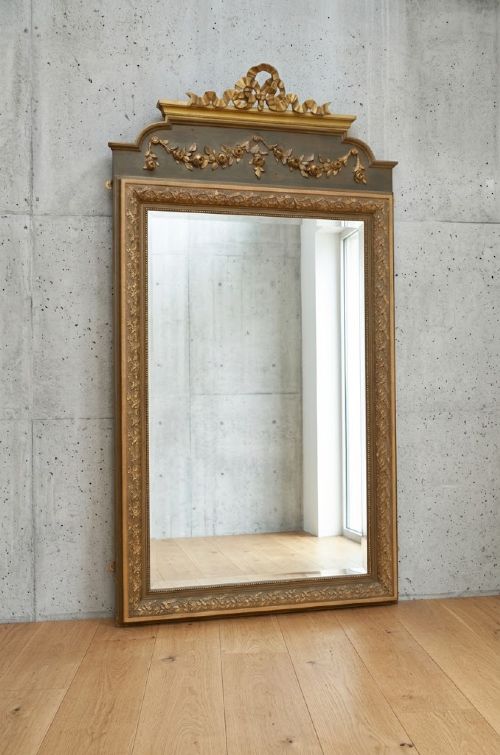
The selection includes English and French pieces spanning Regency, Victorian, Louis Philippe, and Rococo Revival styles. Many feature arched tops, shaped crests, or rope twist frames, while others present classical column framing or triple plate configurations.
Originating from domestic parlours, chateaux, and grand reception rooms, these mirrors serve both functional dressing purposes and decorative statements. The majority utilise substantial wooden frames built to command attention within a high-ceilinged interior.
Materials and construction
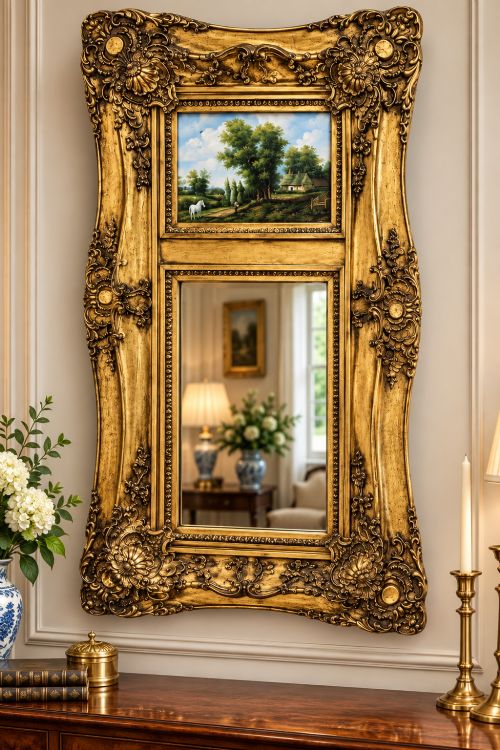
Makers constructed the structural frames of these mirrors using carved wood, frequently applying layers of gesso to build up intricate relief decoration such as acanthus leaves, floral motifs, and mythological carvings. This plaster-like ground provided a smooth, responsive surface for subsequent gilding.
The application of gold leaf or surface gilding enveloped the gesso and wood substrate in a brilliant metallic finish, sometimes complemented by painted wooden sections or olive green details. Mirror glass plates, including antique and foxed mercury glass, were then secured behind the frame to complete the piece.
Listings feature nineteenth-century pieces alongside eighteenth-century and Edwardian examples, utilising giltwood, gesso, and glass.
Assessing quality
Quality in these mirrors rests upon the crispness of the hand-carved wood and the depth of the gesso mouldings, where sharper relief and finer botanical or architectural detailing separate superior work from simpler production. The handling of the gold leaf application also dictates visual success, with even burnishing and rich tonality marking out the better examples.
The integrity of the frame construction and the preservation of the original glass plate heavily influence the overall standard of a piece. Mirrors that retain their early or original mirror plates alongside robust, undisturbed joinery in the timber carcass demonstrate the highest level of craftsmanship.
The Gold Leafed Overmantel Glossary
- Giltwood
- Wood that has been coated with gold leaf or a gold-coloured metallic finish. This surface treatment was standard for formal mirrors throughout the eighteenth and nineteenth centuries.
- Gesso
- A plaster-like mixture applied to wooden frame substrates to create a smooth surface for carving and gilding. It allows for deep, intricate relief ornamentation.
- Overmantel
- A large mirror specifically designed to hang on the wall directly above a fireplace mantel. They often feature horizontal proportions or arched tops suited to chimney breasts.
- Pier glass
- A tall mirror designed to fit on the narrow section of wall between two windows, known as a pier. These pieces frequently match the height of adjacent doorways or windows.
- Mercury glass
- An early type of mirror glass made by pouring a mercury amalgam behind the glass plate. It often develops a characteristic mottled or foxed appearance over time.
Gold Leafed Overmantel: Frequently Asked Questions
Where should an overmantel hang?
These large mirrors traditionally hang directly above a fireplace mantelpiece, where their expansive glass plates reflect light and anchor the focal point of a principal reception room.
Alternatively, many examples function effectively as wall or pier mirrors mounted lower down in hallways, dining rooms, or bedrooms to add architectural weight and a sense of depth to the interior space.
How do I identify a Victorian mirror?
Victorian mirrors often display robust proportions and characteristic ornamentation such as carved acanthus leaves, architectural columns, or heavy arched tops. They reflect the industrial confidence and stylistic revivals popular during the nineteenth century.
Examining the construction methods, such as the wood type and the composition of the gesso beneath the gold leaf, helps confirm the nineteenth-century manufacturing period alongside stylistic cues.
What is an antique plate?
An antique plate refers to the original sheet of mirror glass housed within the vintage frame, which frequently exhibits signs of age such as foxing, light distortion, or silvering loss.
Retaining the original glass adds authenticity and historical character to the piece, distinguishing it from modern replacements while offering a softer, more atmospheric reflection.
How do French and English styles differ?
French mirrors from periods like the Louis Philippe or Rococo Revival eras tend to feature sweeping curves, ornate crests with floral or mythological carvings, and tall, elegant proportions designed for chateaux and salons.
English counterparts from the Regency and Victorian periods often favour more architectural framing, incorporating rope twists, classical columns, and sturdy rectilinear or arched wooden structures.