

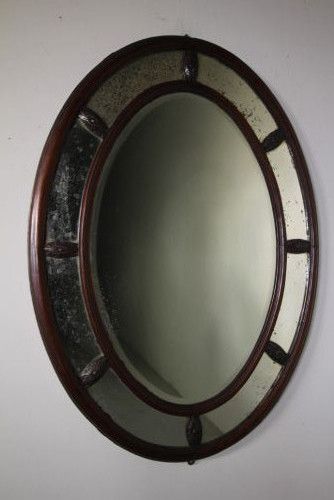
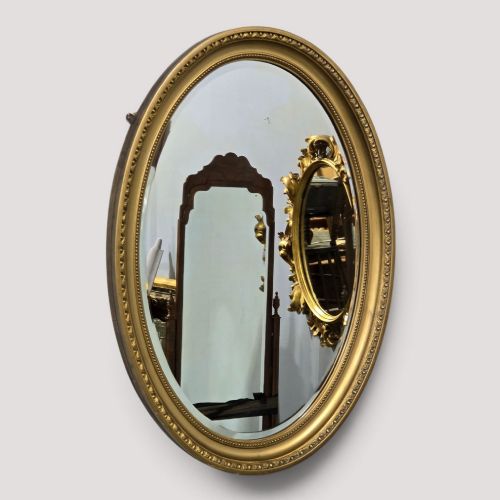

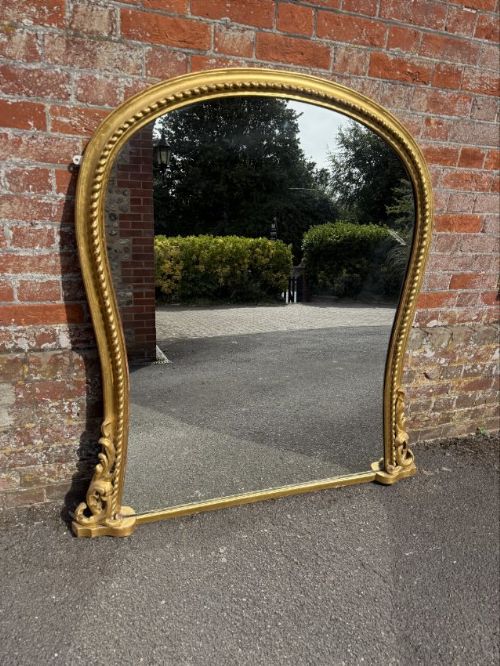

English Victorian Mirror
Selecting an english victorian mirror brings nineteenth-century craftsmanship into a room through grand proportions and gilded surfaces.
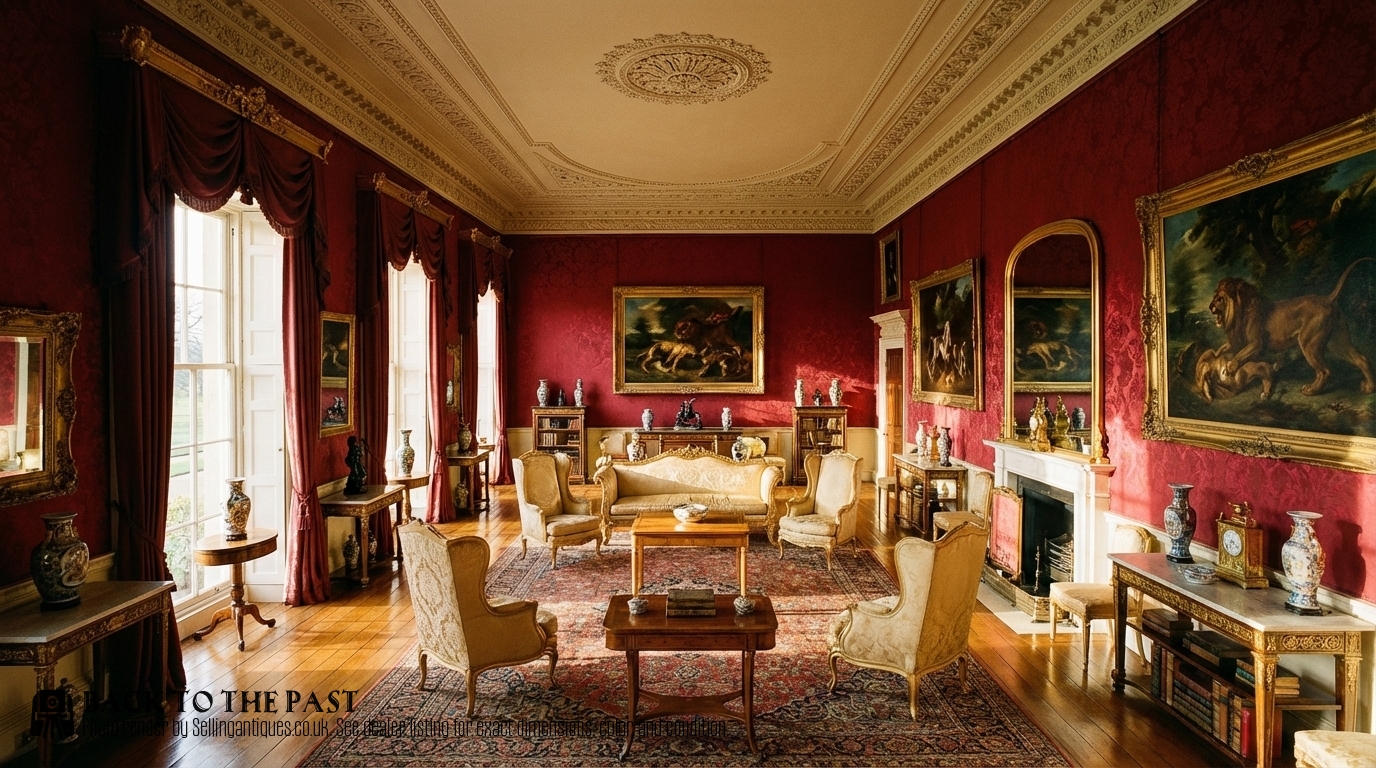
English Victorian Mirror
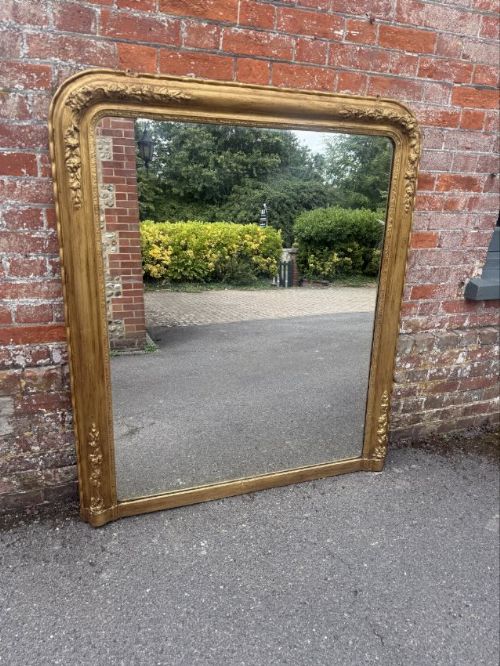
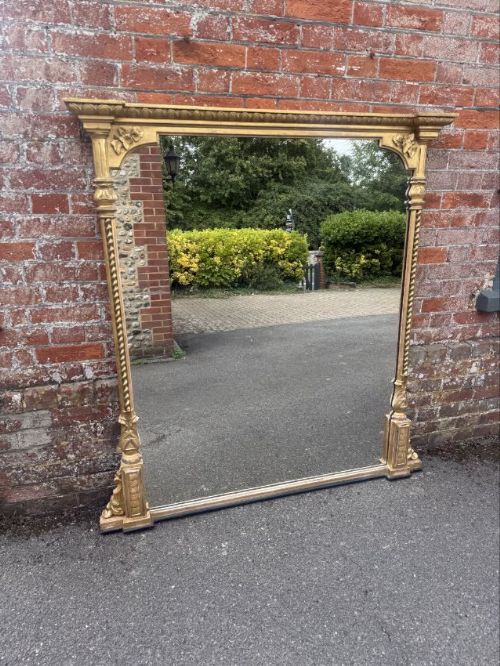
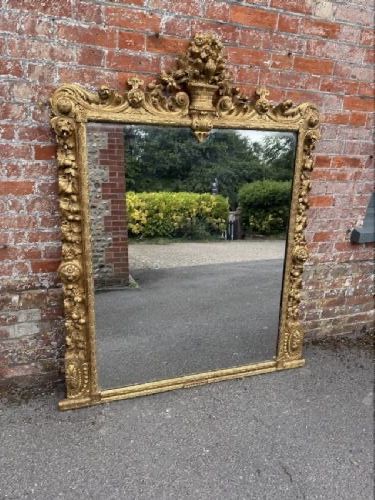
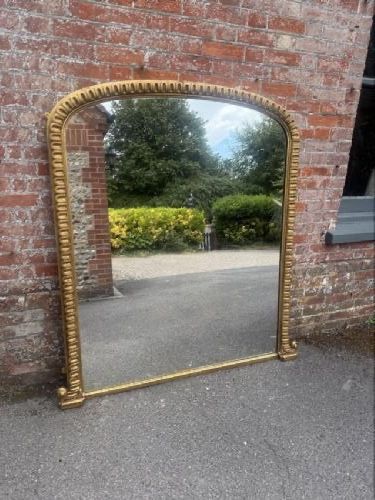
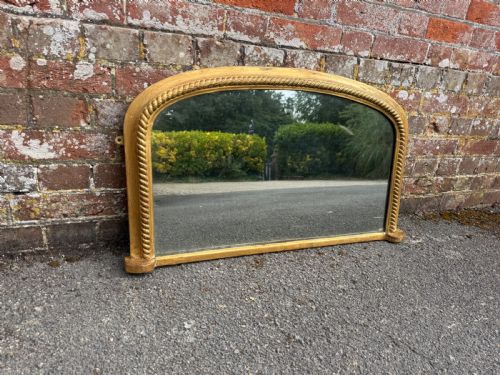
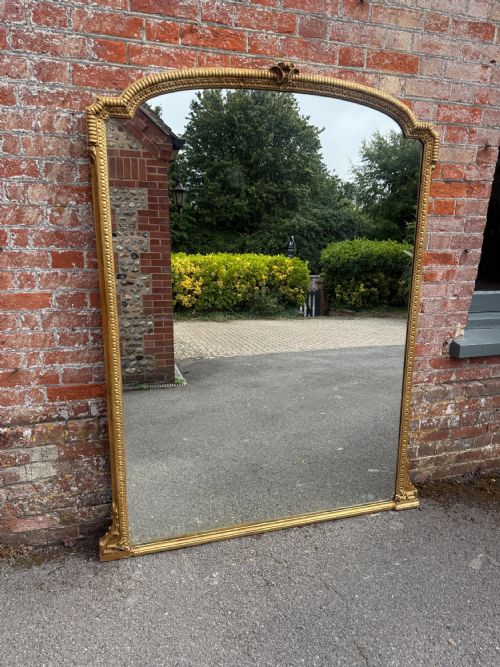
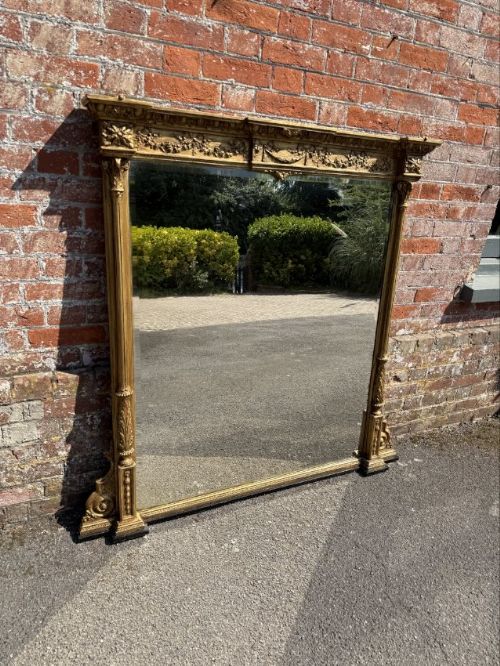
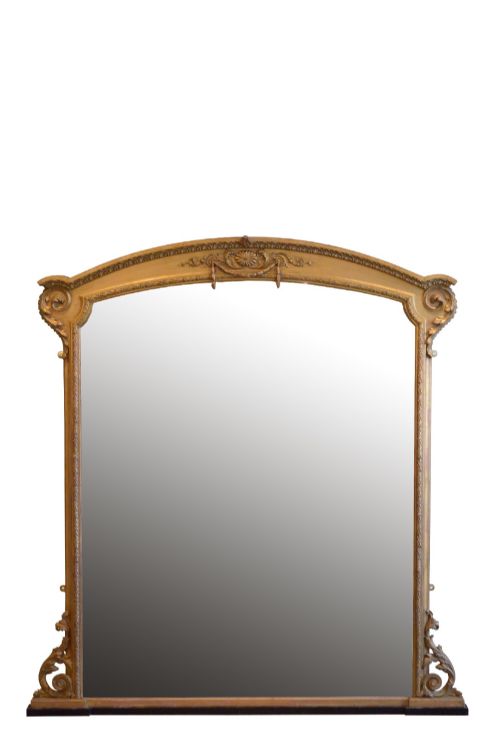
When searching for an english victorian mirror, buyers encounter a predominant selection of large overmantel frames designed to sit above fireplace mantelpieces.
These pieces date primarily from the mid to late nineteenth century, spanning various revivals including Gothic, Chinese Chippendale, and Louis styles.
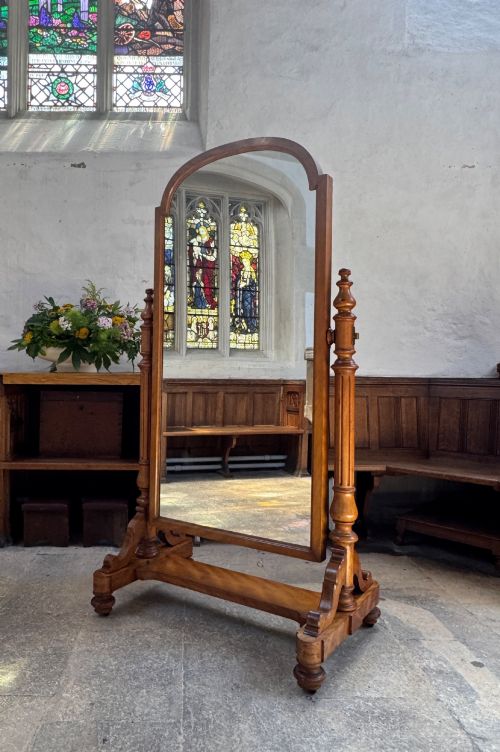
Alongside massive wall-hung and overmantel formats, the inventory includes freestanding cheval mirrors, shaving stands, and smaller portrait glasses.
How They Were Made
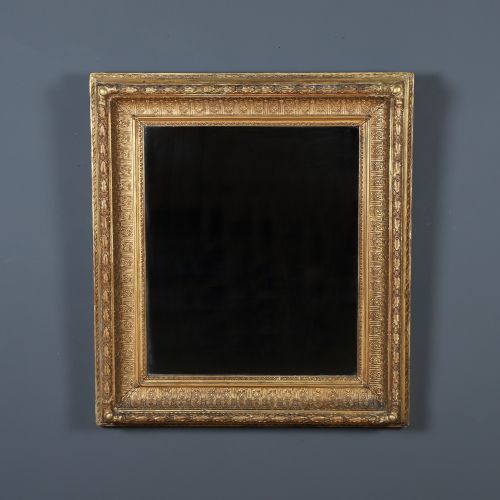
Carved wood and gesso form the foundational structure of the most common gilded frames, providing a smooth base for intricate surface ornamentation.
Gold leaf and giltwood application create the luminous reflective quality typical of the period, often combined with ebonised or parcel-silvered details.
Joinery utilises solid timbers such as mahogany, oak, satin birch, and walnut, frequently shaped into arched tops or fitted with turned columns.
Several mirrors incorporate hidden glove boxes, valet rails, or even porcelain feet to keep Victorian hallways tidy.
What Varies in Quality
The depth and crispness of the hand-carved wood elements dictate the upper tier of execution, distinguishing deeply sculpted motifs from shallow mouldings.
Originality of the gilding and mirror glass separates preserved examples from those that have undergone extensive modern re-gilding or plate replacement.
The English Victorian Mirror Glossary
- Gesso
- A plaster-like mixture applied to wood frames to create a smooth surface for gilding. It allows for sharp relief moulding and deep decorative carving.
- Overmantel Mirror
- A large mirror specifically proportioned to hang above a fireplace mantelpiece. These pieces often feature arched tops and substantial gilded frames.
- Cheval Mirror
- A full-length framed glass hung on a vertical swivelling pivot within a stable freestanding frame. They were popular in bedrooms and dressing rooms.
- Giltwood
- Timber that has been decorated with a thin layer of gold leaf. This material defines the opulent aesthetic of many nineteenth-century formal rooms.
- Parcel-Gilt
- A finishing technique where only specific raised portions of an object are gilded while the background remains painted or ebonised.
English Victorian Mirror: Frequently Asked Questions
How do I hang a heavy overmantel mirror?
Large nineteenth-century frames require professional wall anchoring directly into structural studs or masonry to support their considerable weight safely.
Weight distribution brackets attached to the back frame ensure the piece remains secure against the wall surface.
Where should I place a cheval mirror?
Freestanding cheval mirrors work best in bedrooms or dressing areas where full-length reflections are practical for daily use.
Positioning them near natural light sources helps brighten the surrounding room while remaining functional.
How do I clean antique mirror glass?
Use a soft microfiber cloth and a mild, ammonia-free cleaning solution applied to the cloth rather than directly onto the glass.
Avoid spraying liquid near the edges of the plate to prevent moisture from seeping behind the silvering.
What is the difference between an overmantel and a wall mirror?
Overmantel mirrors are specifically engineered in width and weight to anchor visually and physically above a fireplace hearth.
Standard wall mirrors are typically lighter, more compact, and proportioned for general hallway or parlour placement.