
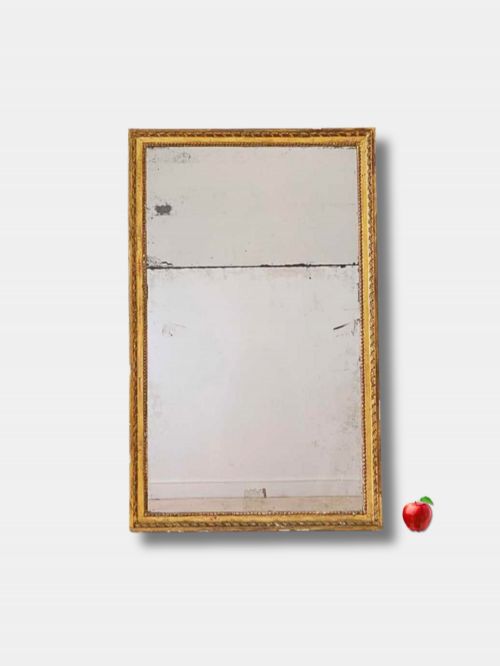


Gold Leaf Tall Mirror
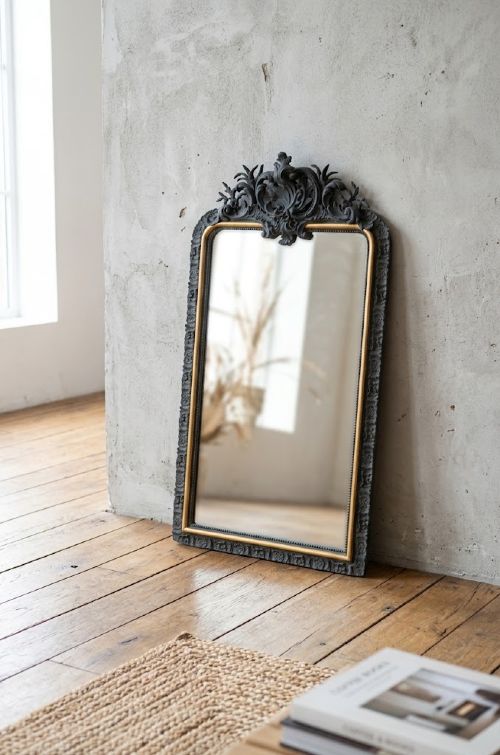
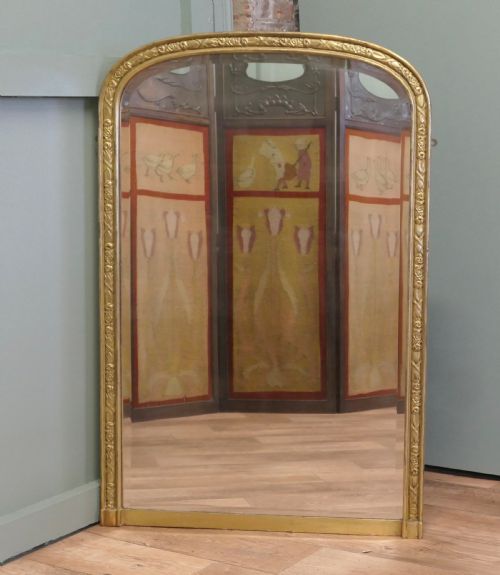
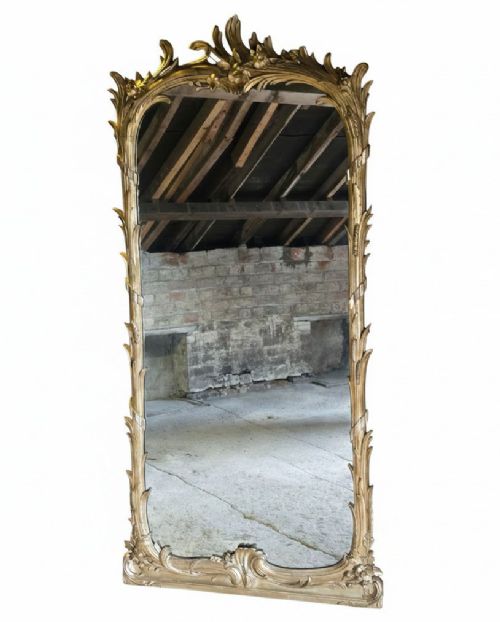
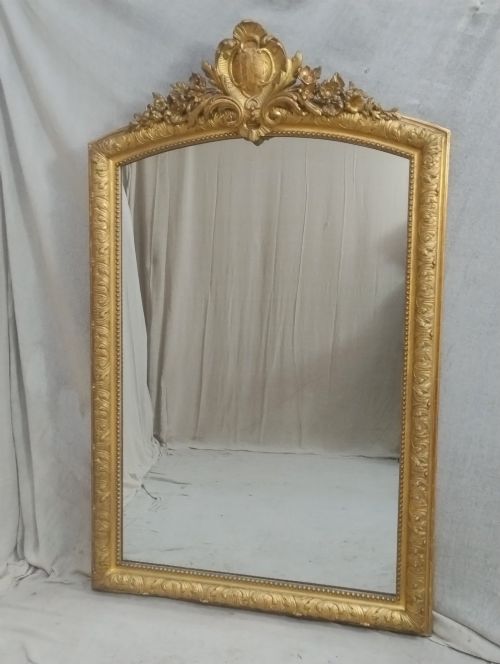
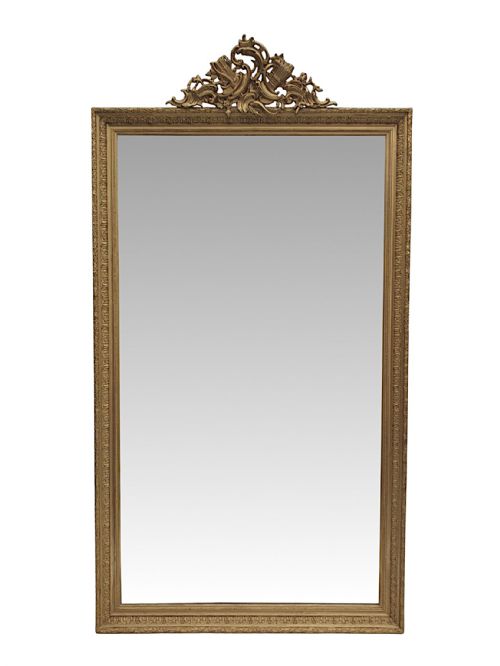
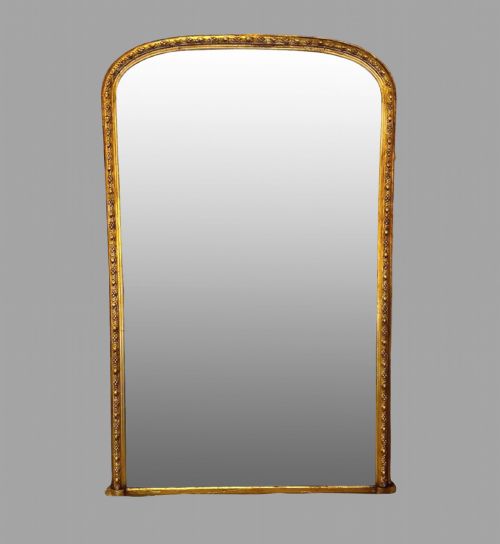
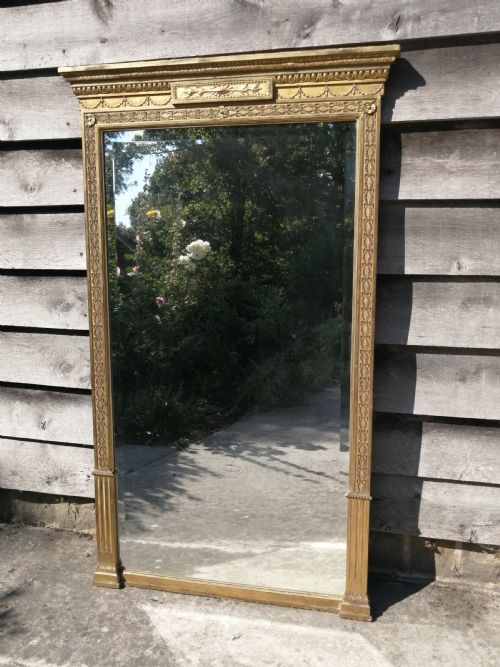
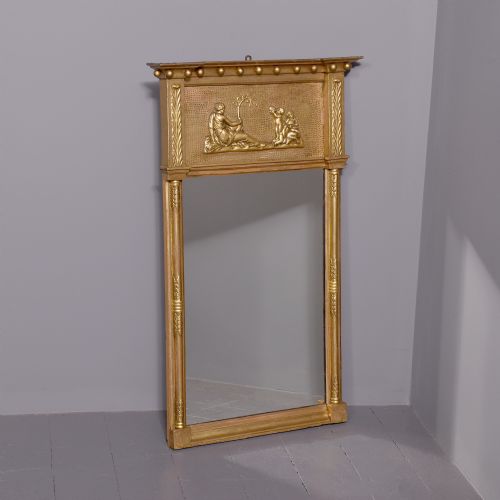
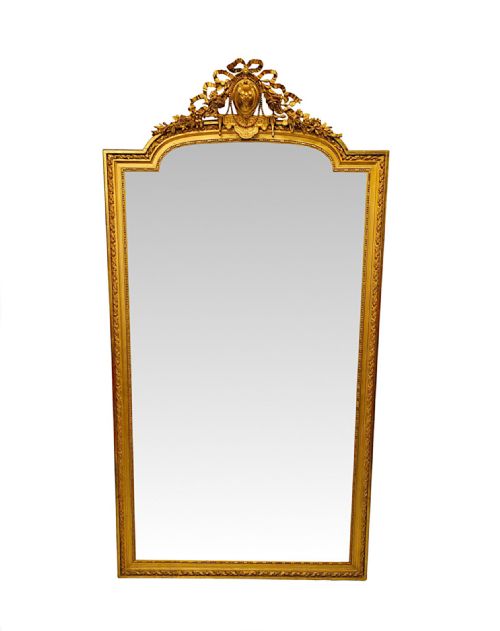
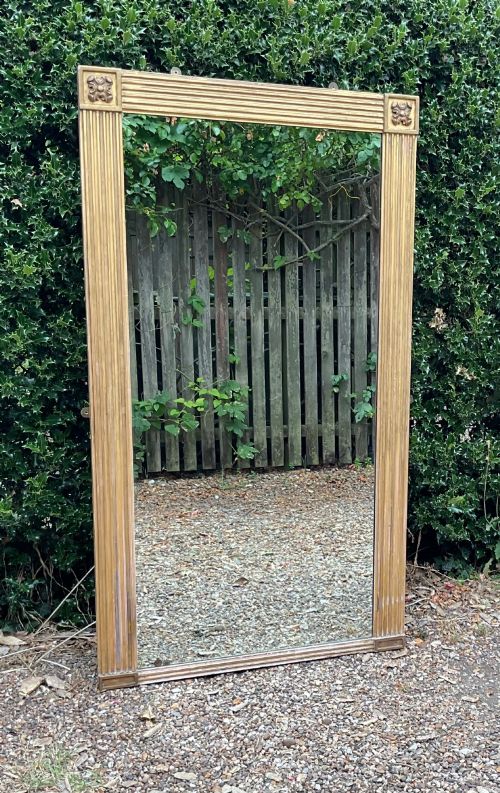
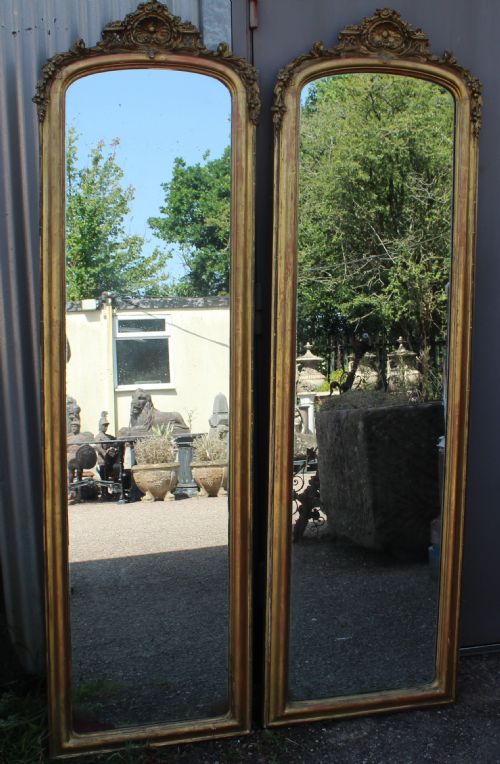
A gold leaf tall mirror brings vertical scale and captured light into a room, spanning French Empire pier glasses and tall Victorian wall mirrors.
Gold Leaf Tall Mirror
A gold leaf tall mirror stands as a commanding vertical element in a room, designed originally to hang between windows or above mantelpieces. The selections gathered here span nineteenth-century French Louis Philippe designs, Regency pier mirrors, and grand overmantels.
Most examples originate from the nineteenth century, though earlier eighteenth-century influences appear alongside twentieth-century interpretations. These pieces function as wall mirrors, floor-standing dressing glasses, and narrow hallway fittings.
The dominant aesthetic draws heavily on French Chateau, Neoclassical, and Rococo Revival styles. Buyers encounter both restrained architectural mouldings and highly decorative carved surfaces intended to expand perceived interior space.
Evaluating craftsmanship
Quality reveals itself in the depth and crispness of the carved wooden or gesso enrichment rather than flat surface decoration. Master carvers produced undercut foliage and ornaments that retain sharp definition beneath layers of gilding.
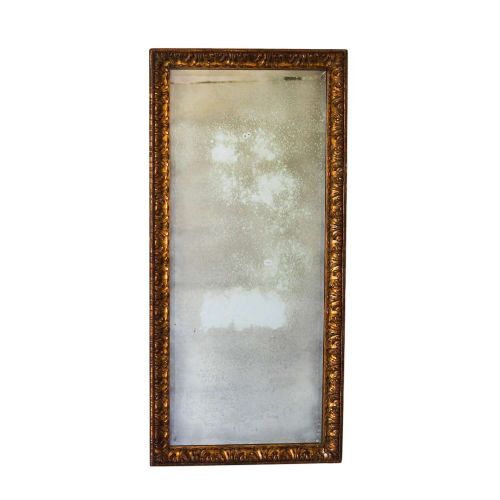
The integrity of the reflective plate distinguishes standard production from finer examples. Original mirror glass, mercury plates, and authentic bevelled edges show age character without obscuring the intended reflection.
Proportion and structural balance dictate the success of a tall frame. Superior pieces maintain harmonious vertical lines that support substantial weight without twisting or straining the original corner joints.
Several mirrors arrive complete with surviving nineteenth-century ferns tucked into their frames.
John Belchier
The Gold Leaf Tall Mirror Glossary
- Giltwood
- Wood that has been coated with thin sheets of gold leaf or gold dust over a prepared ground. This technique creates a warm, luminous metallic finish.
- Pier glass
- A tall mirror specifically designed to be hung on the narrow section of wall between two windows. These mirrors often stood above low pier tables.
- Gesso
- A plaster-like mixture applied to a wooden frame to create a smooth surface for carving or gilding. It allows for intricate relief ornamentation.
- Trumeau
- A decorative wall panel incorporating a painted scene or panel alongside a mirror glass. These pieces frequently date to eighteenth and nineteenth-century French interiors.
- Mercury glass
- An early type of mirror plate produced by pouring a mercury and tin amalgam behind glass. It yields a distinctive mottled, soft reflection.
Gold Leaf Tall Mirror: Frequently Asked Questions
Where should I hang a tall mirror?
These vertical pieces suit narrow wall spaces, hallways, or above mantelpieces where they can draw natural light deeper into the room. Placing them opposite windows maximises their original purpose of brightening darker interior corners.
Ensure the wall construction safely supports the substantial weight of large wood and gesso frames. Leaner formats offer flexibility if wall mounting is impractical.
How do I identify a nineteenth-century mirror?
Nineteenth-century examples frequently exhibit French Louis Philippe, Regency, or Rococo Revival styling executed in giltwood and gesso. Construction details like hand-carved wooden frames and heavier proportions distinguish them from modern reproductions.
Look for signs of age within the glass plate and backing structure, such as original mercury or bevelled glass. Frame joinery often utilises period construction methods appropriate to the Victorian or Georgian eras.
What is the difference between a pier mirror and an overmantel?
Pier mirrors were built to hang on the narrow wall space between windows, often resting above matching console tables. Their tall, narrow proportions maximised light reflection in formal reception rooms.
Overmantel mirrors are typically wider in relation to their height, designed specifically to sit directly above a fireplace opening. Both forms share the characteristic gold leaf and gesso finishes common to the period.
How do I care for antique giltwood?
Dust the carved frame gently with a soft, dry brush to prevent accumulation in the intricate gesso recesses. Avoid chemical cleaning agents and moisture, which can damage the delicate gold leaf surface.
Keep the mirror away from direct sunlight and excessive humidity to protect the underlying wooden structure and historic finish. Gentle handling preserves the original patina built up over centuries.