



Gold Leaf Porcelain Dish
A gold leaf porcelain dish brings rich metallic lustre and painted detail to a table, combining fine ceramic bodies with gilded highlights.
Gold Leaf Porcelain Dish
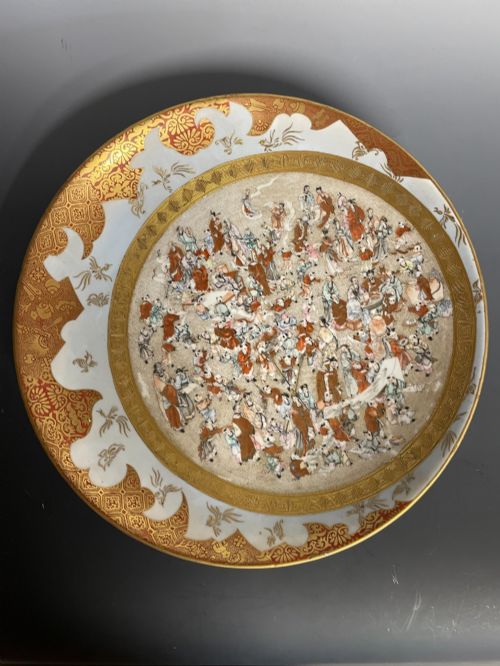
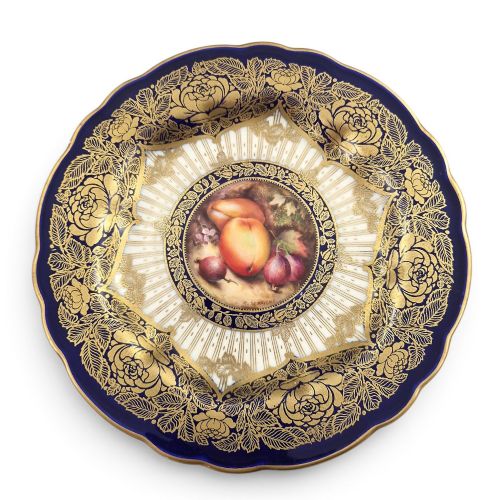
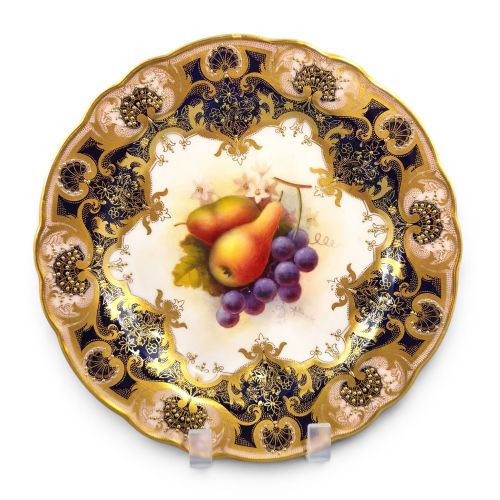
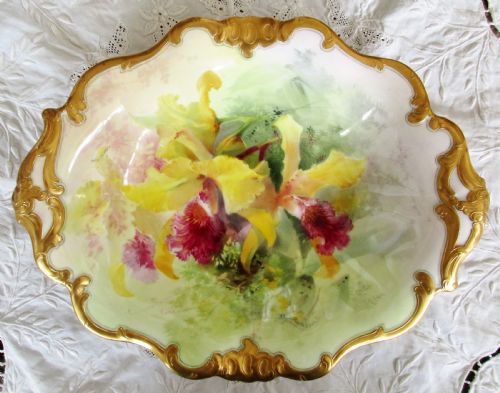
A gold leaf porcelain dish encompasses cabinet plates, serving dishes, and decorative bowls created across the eighteenth, nineteenth, and early twentieth centuries. When searching for a gold leaf porcelain dish, collectors encounter diverse international workshops ranging from English factories like Royal Worcester and Derby to continental makers such as Vienna and Meissen, alongside Japanese Meiji period wares.
The objects take many forms, including twin-handled serving vessels, basketweave plates, and large chargers designed primarily for display rather than daily service. Pieces bearing hand-painted fruit, botanical studies, or mythological scenes represent the most intricate examples of the genre.
Victorian and Georgian English manufactories frequently produced bone china and soft-paste porcelain dishes decorated with rich gilding and enamel highlights. Meanwhile, Japanese Satsuma and Kutani pieces introduce complex traditional motifs combined with extensive gold leaf application.
Materials and construction methods
Potters formed these pieces using hard-paste porcelain, soft-paste porcelain, bone china, or earthenware, shaping them into plates, bowls, and trays before initial firing. Artisans then applied enamel colours and gold leaf or gilding by hand, often returning the ceramics to the kiln multiple times to fuse the metallic leaf and pigments to the glazed surface.
British and continental European factories utilised intricate hand-painted designs depicting birds, fruit, and classical figures, while Japanese workshops employed dense layering of enamel and gold leaf across earthenware bodies. The careful application of burnished gold leaf created contrasting matte and bright metallic finishes against the white porcelain ground.
Gold Leaf Porcelain Dish Retail Price Guide 2026
Typical asking prices for gold leaf porcelain dish among the pieces listed under this phrase on Sellingantiques today, from the lower quarter to the upper quarter. They describe what is for sale here now, not the wider market.
Listings feature porcelain, bone china, and earthenware items decorated with gold leaf and enamel from the eighteenth through the early twentieth centuries.
Distinguishing quality across periods
The standard of painting and the precision of the gilding determine the position of a piece within the range, distinguishing standard factory output from master artist commissions. Signed works by established ceramic painters carry greater distinction than unsigned or generic factory decorations.
The integrity of the porcelain body and the preservation of the delicate gold leaf and enamel layers dictate the overall desirability of an individual dish. Crisp moulding in forms such as basketweave or twin-handled serving vessels indicates superior craftsmanship during the initial forming stage.
Royal Worcester·Royal Doulton·Barr Flight and Barr·Royal Crown Derby
The Gold Leaf Porcelain Dish Glossary
- Cabinet plate
- A decorative ceramic plate intended for display in a cabinet rather than for practical dining use. These pieces often feature elaborate painted scenes and extensive gilding.
- Soft-paste porcelain
- A ceramic composition fired at lower temperatures than hard-paste porcelain, common in early English factories. It produces a warm, slightly creamy glaze well suited to detailed enamel painting.
- Gilding
- The application of gold leaf or powdered gold to the surface of porcelain. It provides metallic accents that highlight rims, handles, and painted motifs.
- Kakiemon
- An asymmetric Japanese ceramic style featuring delicate enamel painting on a white porcelain ground. It heavily influenced European porcelain factories during the eighteenth century.
- Charger
- A large decorative plate or dish used traditionally for ceremonial purposes or as a base setting. They frequently serve as canvases for elaborate mythological or historical painted scenes.
Gold Leaf Porcelain Dish: Frequently Asked Questions
How were these dishes used originally?
Many of these pieces served as dessert dishes, presentation pieces, or decorative cabinet plates intended for display in formal reception rooms. Owners showcased them on walls, sideboards, or within glass cabinets to demonstrate taste and wealth.
Larger chargers and twin-handled serving dishes occasionally held fruit or sweetmeats during formal dinners before transitioning to pure display items as tastes changed.
How do I care for a gilded dish?
These fragile ceramics require gentle cleaning with a soft, dry cloth to remove dust without disturbing the delicate gold leaf or hand-painted enamels. Immersion in water or the use of chemical cleaning agents can permanently damage the historic glaze and metallic decoration.
Display the pieces securely away from direct sunlight and high humidity to prevent fading of the enamel colours and degradation of the ceramic body.
How can I tell the age of a piece?
Factory backstamps, painted signatures, and registration marks stamped or written on the underside offer the most reliable indicators of date and origin. Comparing the style of the painting, the composition of the porcelain body, and the colour of the gilding against known factory timelines helps narrow down the period of manufacture.
Stylistic cues such as Rococo Revival scrollwork or Neoclassical motifs further align pieces with specific nineteenth or early twentieth-century design movements.
What is the difference between porcelain and bone china?
True porcelain relies on kaolin and petuntse fired at high temperatures to create a vitrified, translucent body. Bone china incorporates calcined bone ash into the paste, resulting in a slightly warmer tone and high chip resistance.
Both materials accepted enamel colours and gold leaf readily, allowing nineteenth-century factories to produce similarly detailed decorative wares across different ceramic compositions.