

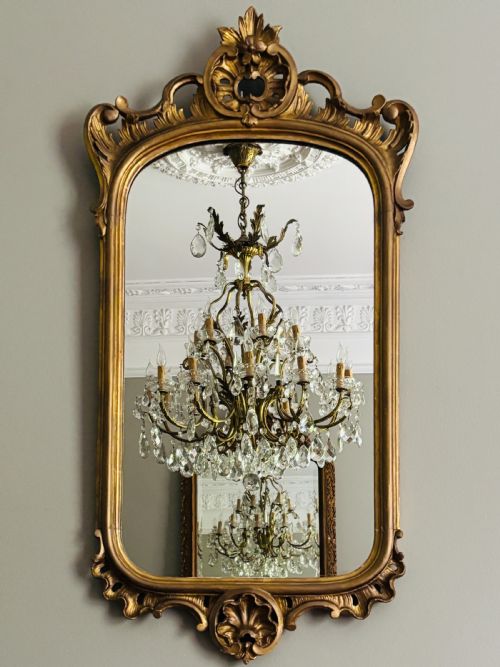
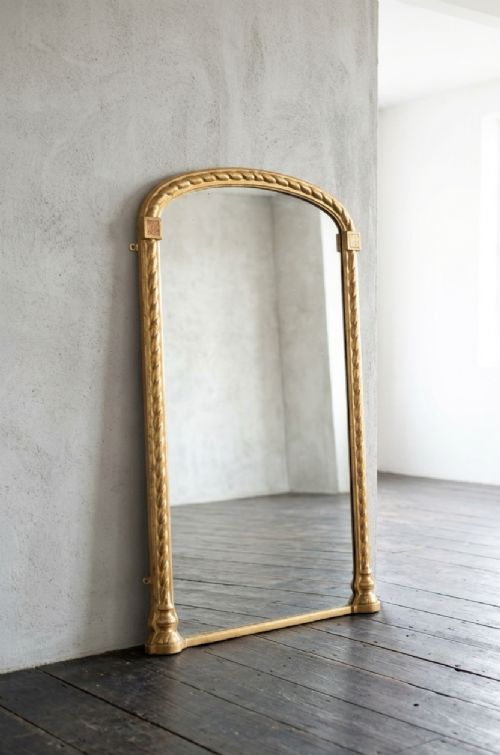
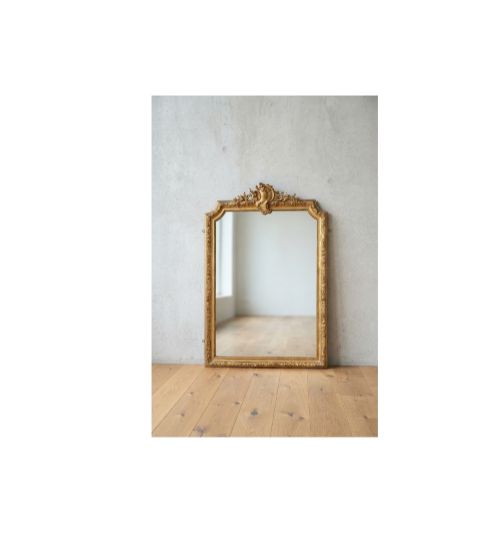

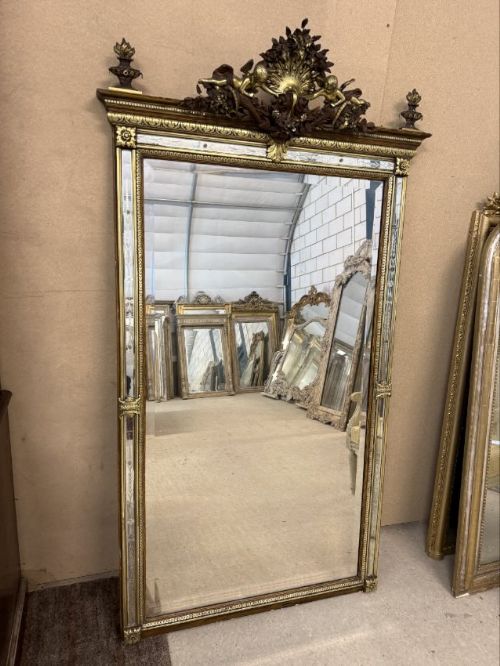
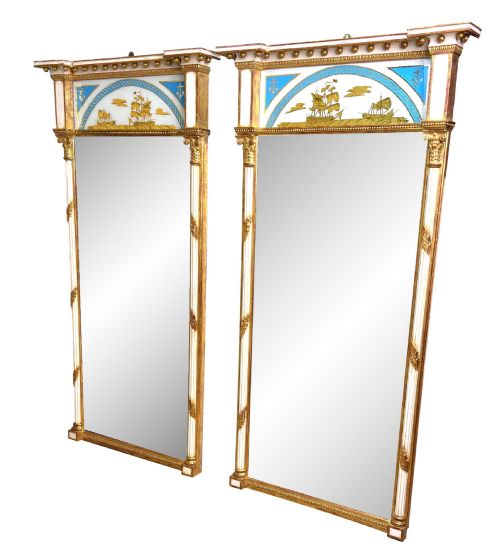
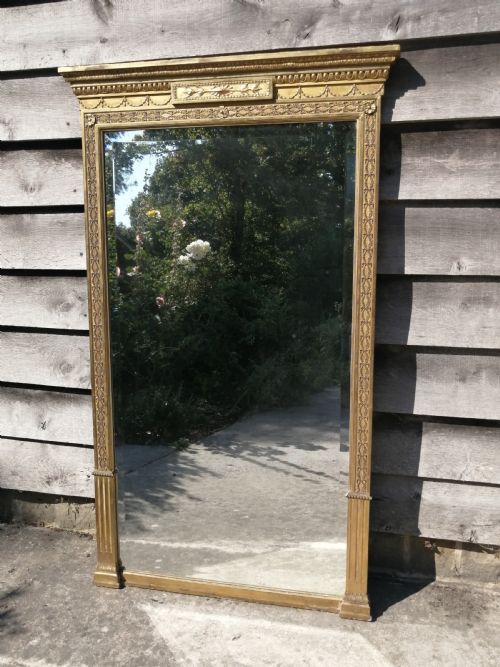
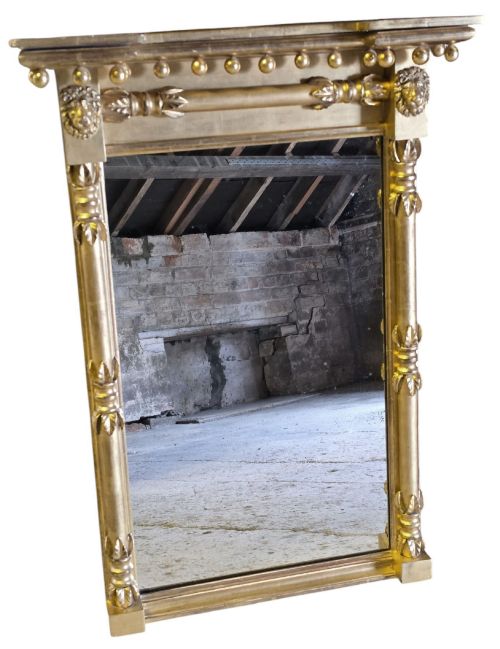
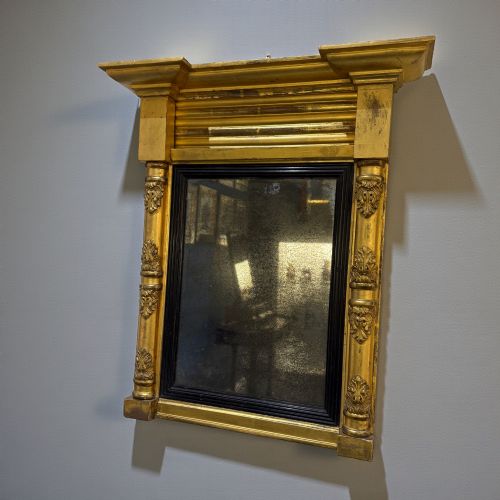
Gold Leaf Pier Glass
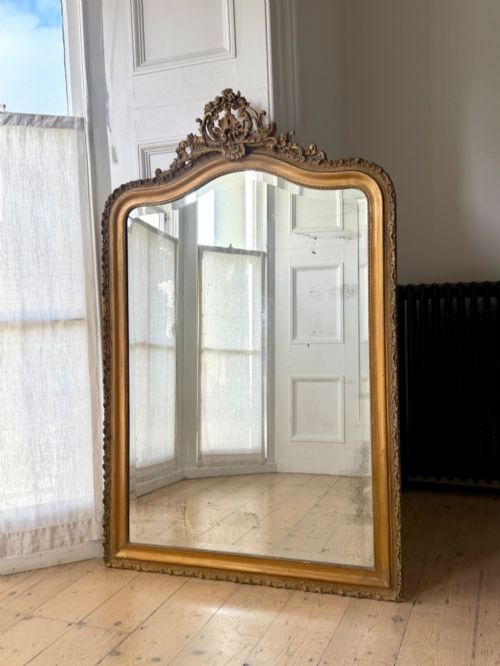
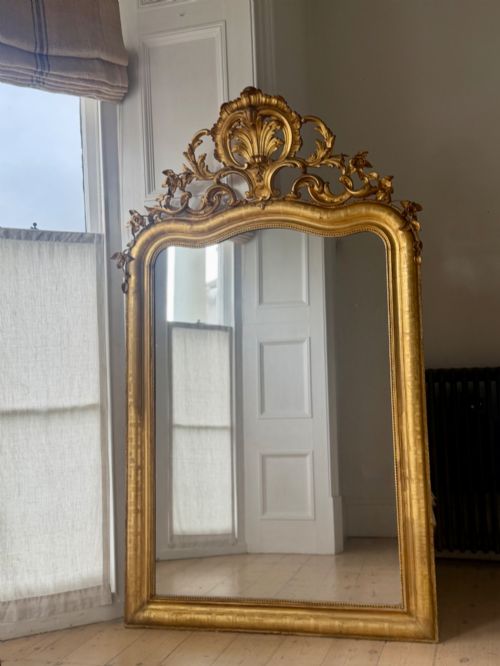
A gold leaf pier glass brings architectural height and reflected light to a room, hung traditionally between windows.
Gold Leaf Pier Glass
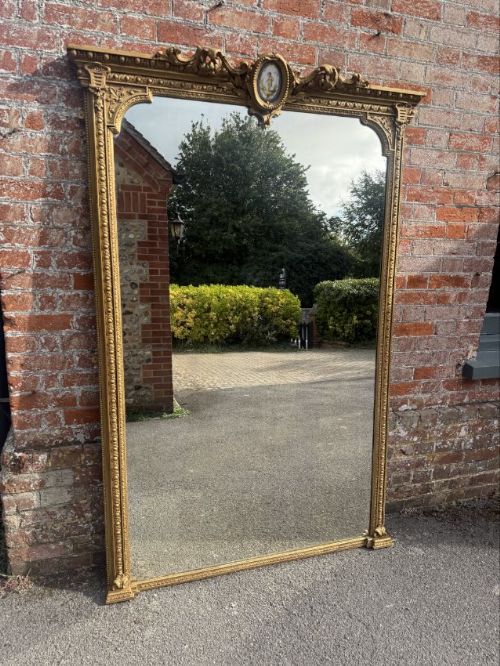
A gold leaf pier glass is a tall, vertical wall mirror designed specifically to hang on the narrow wall space between windows. The form frequently appears in Regency, Georgian, and nineteenth-century designs, often incorporating architectural details suited to formal reception rooms.
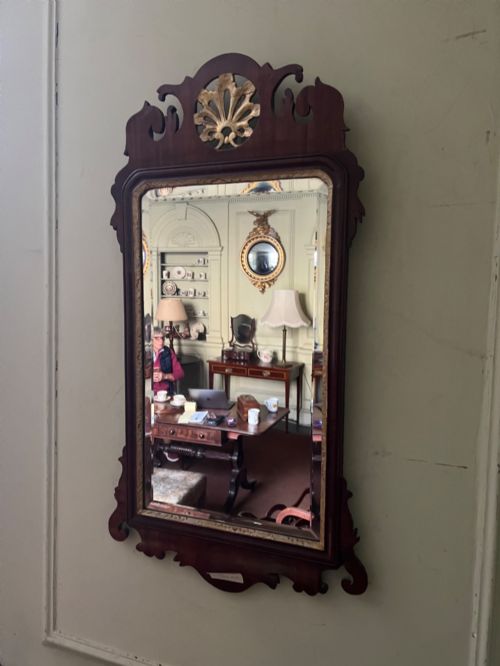
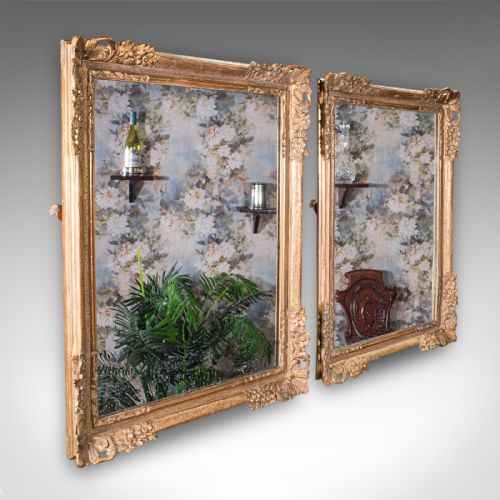
Examples on this page span from eighteenth-century walnut and parcel gilt pieces to ornate nineteenth-century French and Italian giltwood creations. Buyers meet variations ranging from simple rectangular frames to elaborate Rococo Revival and Neoclassical styles with shaped tops.
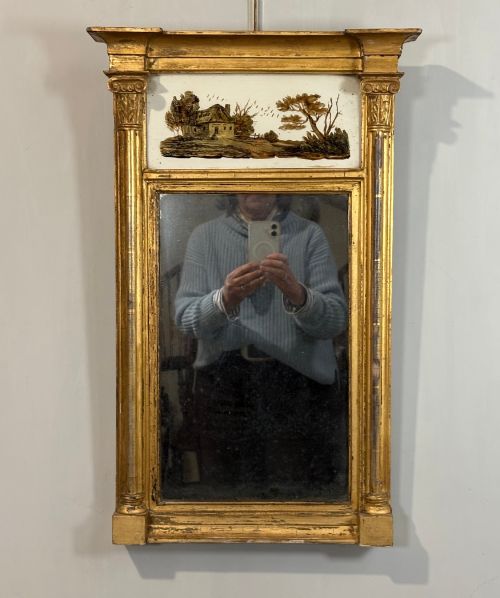
Many variants include specific decorative elements such as verre eglomise panels or original mercury glass plates. The primary function remains reflecting ambient light into the centre of a room while adding vertical proportion to the wall.
Materials and construction methods
Makers carved frames from timber such as pine, oak, or walnut, then applied layers of gesso to build up intricate surface ornamentation. Gilders laid fine gold leaf over bole onto the prepared gesso ground, burnishing the metal to achieve a deep lustre.
Mirror plates were historically produced using mercury silvering techniques before modern vacuum-deposition methods replaced them. Composition ornaments pressed from a putty-like mixture of whiting, resin, and glue were frequently utilised alongside hand-carved woodwork on nineteenth-century frames.
Gold Leaf Pier Glass Retail Price Guide 2026
Typical asking prices for gold leaf pier glass among the pieces listed under this phrase on Sellingantiques today, from the lower quarter to the upper quarter. They describe what is for sale here now, not the wider market.
Listings feature periods spanning from the eighteenth century through the early twentieth century, incorporating Georgian, Regency, and Louis XVI styles.
Assessing craftsmanship and condition
Quality rests in the crispness of the carved or moulded ornament and the depth of the gilding layers. Finer examples retain their original mercury glass plates, showing subtle foxing and irregularities that distinguish them from modern replacements.
The integrity of the underlying wooden frame and gesso determines the structural stability of the piece. Superior execution shows smooth joins, retained detail in high-relief foliage, and minimal restoration to the original gold leaf surface.
The Gold Leaf Pier Glass Glossary
- Pier glass
- A tall mirror designed to hang on the wall space between two windows. These pieces often feature narrow proportions to fit architectural wall panels.
- Giltwood
- Timber that has been coated with gold leaf or gold paint. This finish defines the reflective, decorative aesthetic of classical mirrors.
- Verre eglomise
- A cold decoration technique where designs are painted and gilded on the reverse side of glass. It frequently appears on panels above the main mirror plate in Regency pieces.
- Gesso
- A plaster mixture applied to wood frames to provide a smooth surface for gilding. Skilled carvers and gilders relied on it to hold fine sculptural detail.
- Mercury glass
- A double-walled blown glass type containing a silvering mixture of mercury and tin. Older mirrors using this method exhibit characteristic dark spots and soft reflections.
Gold Leaf Pier Glass: Frequently Asked Questions
Where should a pier glass be hung?
These mirrors were historically placed on the narrow wall between two windows to maximise daylight distribution. Modern placement works well above a low console table, fireplace, or in any hallway requiring vertical emphasis.
Ensure the wall fixings match the substantial weight of carved timber and glass frames. Secure hanging brackets directly into wall studs or utilise appropriate masonry anchors.
How do I identify a Regency pier glass?
Regency pieces often feature architectural elements such as reeded columns, classical pediments, and black ebonised details. Verre eglomise panels at the top of the frame are also common in this period.
The gilding methods and heavier gesso work of the early nineteenth century help separate these items from later revival styles.
What is mercury glass?
Mercury glass refers to double-walled blown glass silvered with a liquid mercury amalgam through a small hole in the base. This historic manufacturing process creates a mottled, atmospheric reflection rather than the uniform clarity of modern silvered glass.
Genuine examples often display characteristic cloudiness and dark speckling known as foxing.
How do I clean an antique giltwood frame?
Dust the carved surfaces gently with a soft, dry brush to remove particles without disturbing the delicate gold leaf. Avoid liquid cleaners, chemical sprays, or water, as moisture strips historical gilding from the gesso.
Professional conservators should handle structural repairs or flaking surface areas to preserve the integrity of the antique finish.