
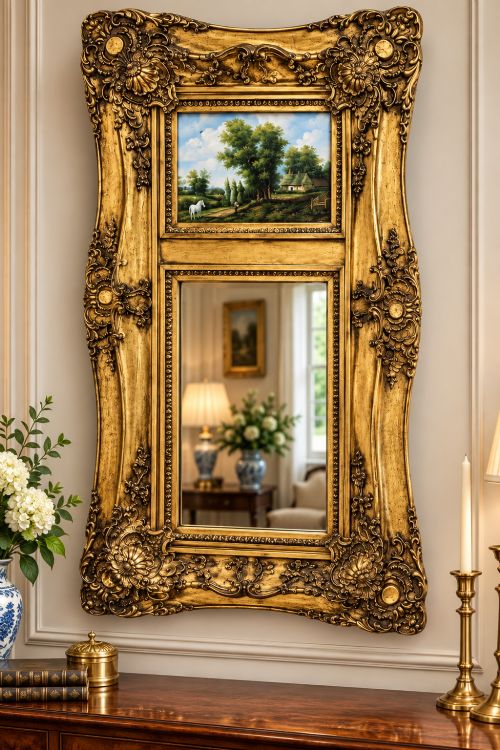
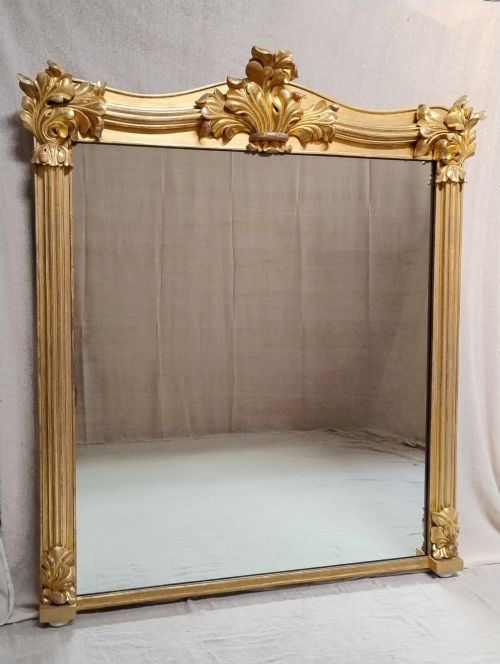
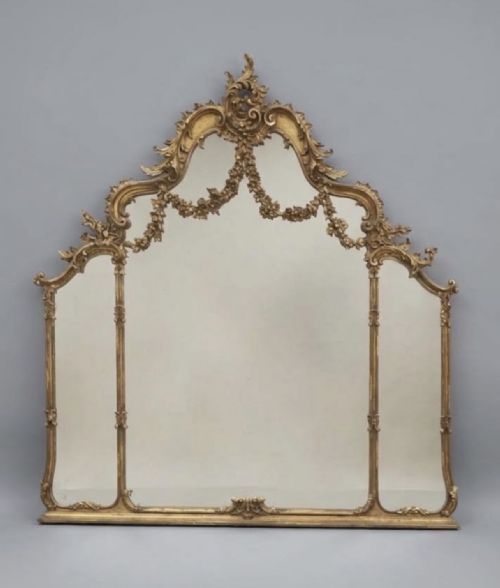
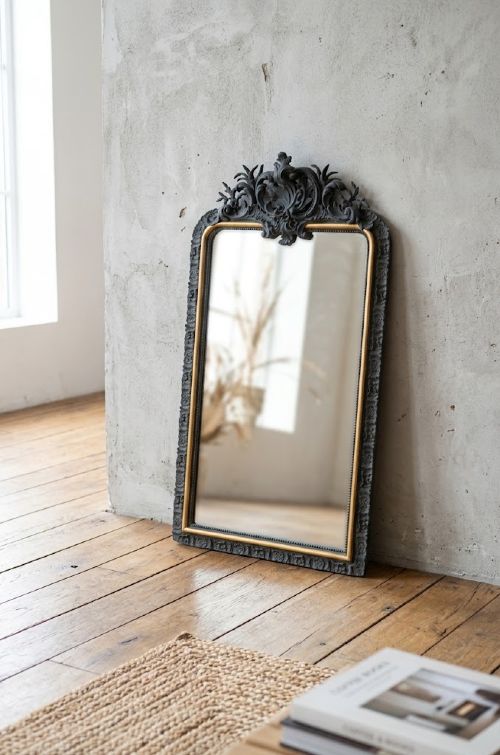


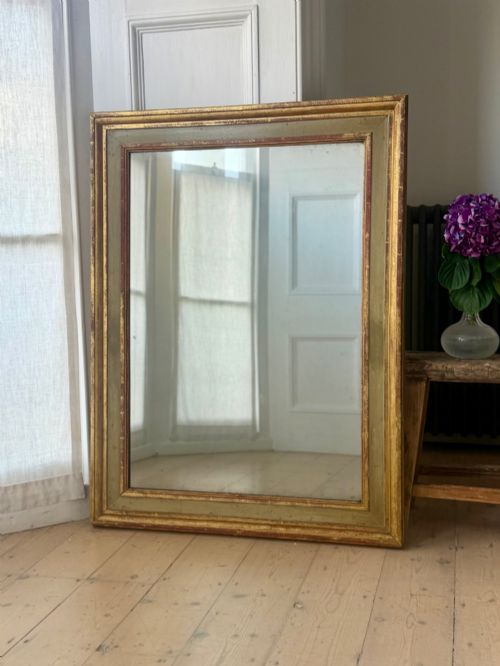
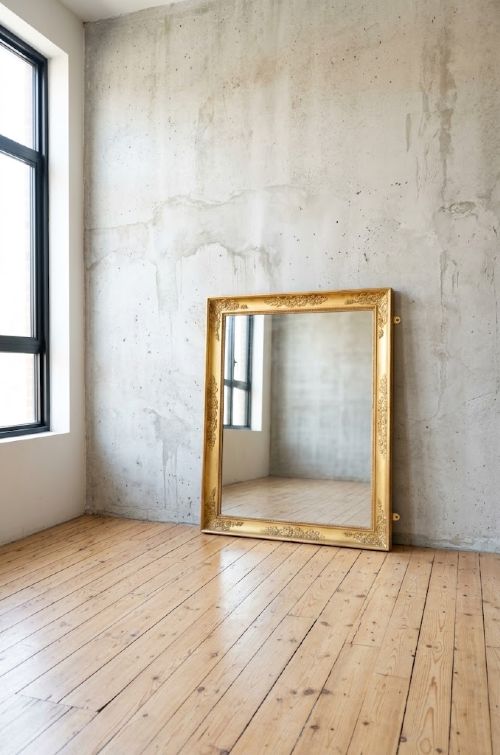
Gold Leaf French Mirror
A gold leaf french mirror brings dramatic scale and reflective light to a room through carved timber and metallic lustre.
Gold Leaf French Mirror
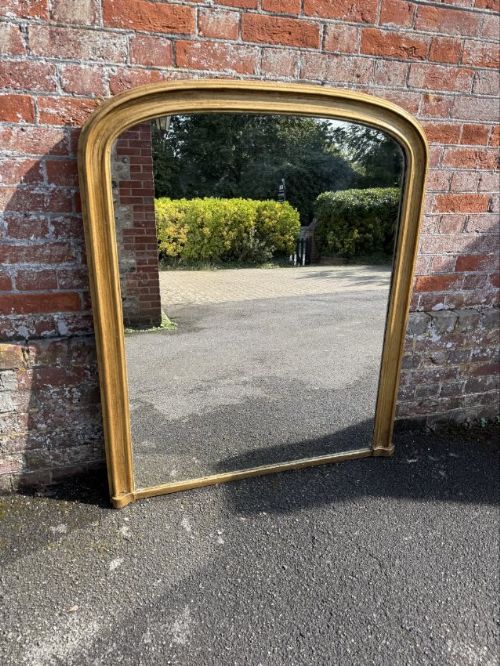
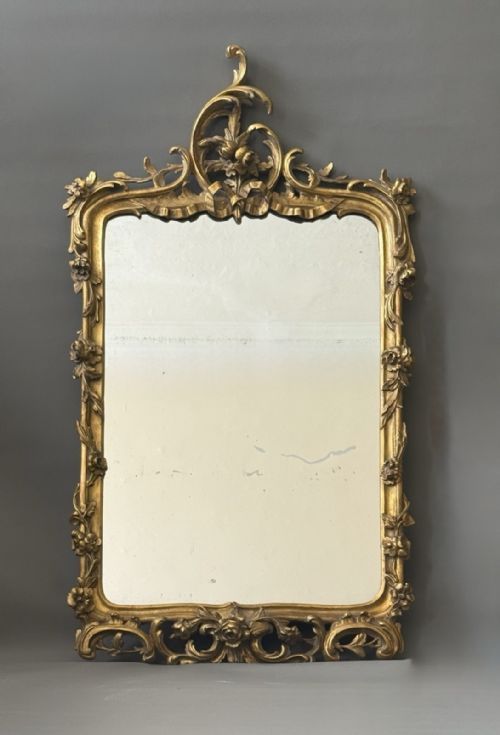
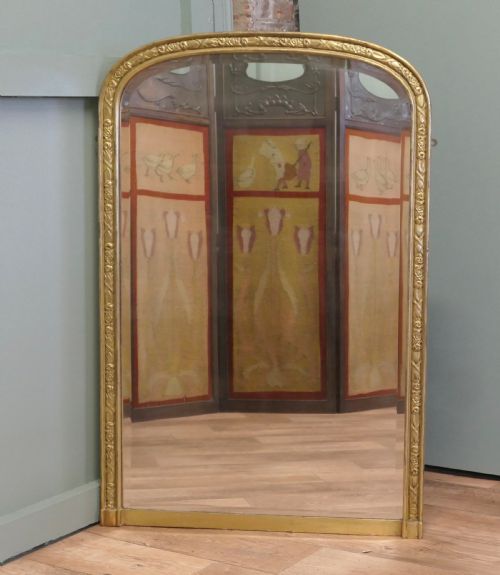
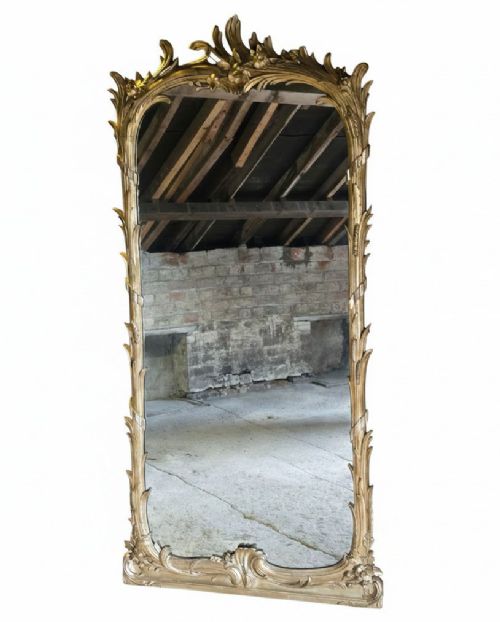
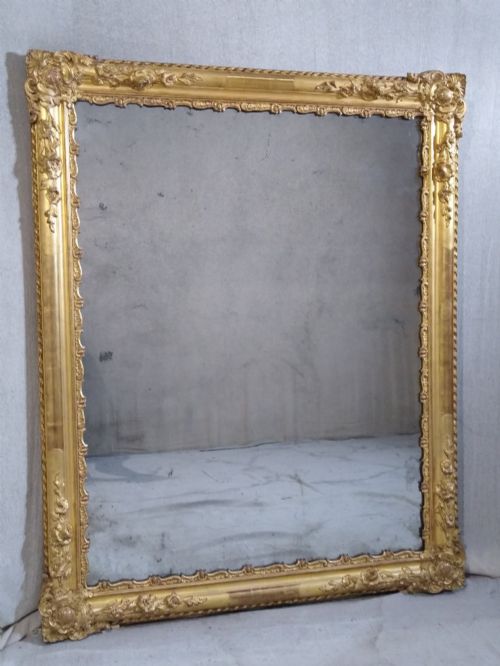
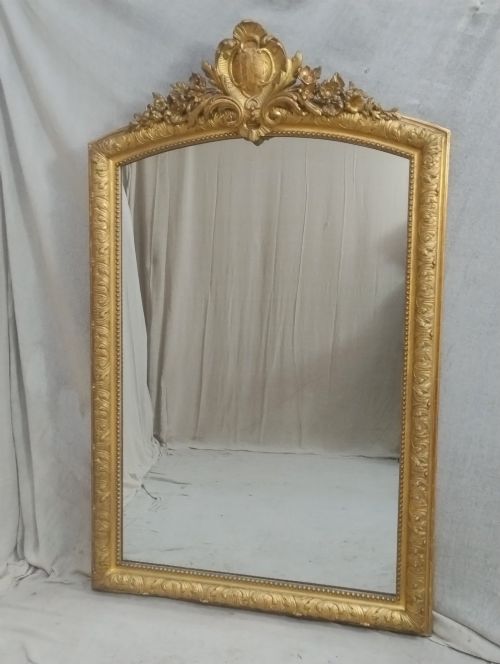
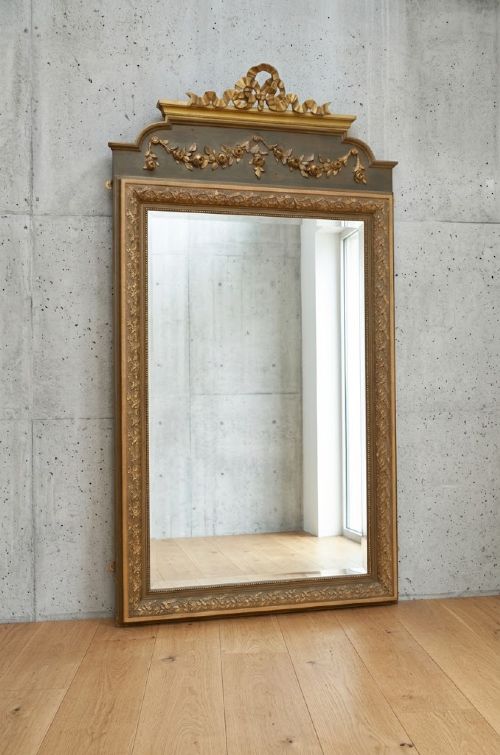
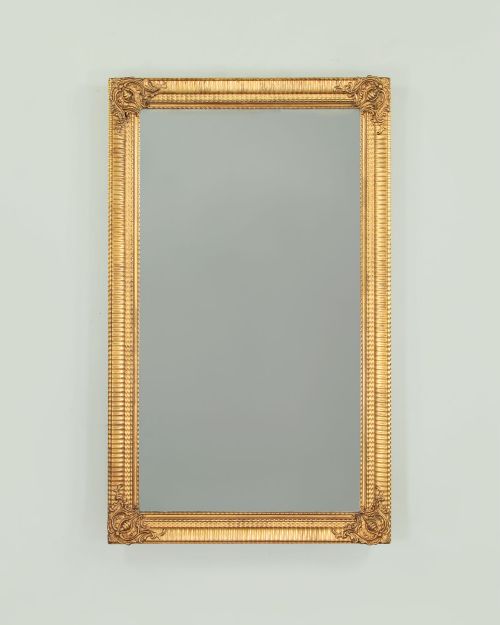
When searching for a gold leaf french mirror, buyers encounter grand architectural forms designed to dominate a wall or sit above a mantelpiece. The selection ranges from towering pier mirrors and arched overmantles to shaped top frames featuring intricate crests.
Most pieces date from the nineteenth century, spanning periods like the Victorian era, Napoleon III, and the wider nineteenth century. Styles lean heavily towards Rococo Revival, Louis Philippe, and French Neoclassical, reflecting historical European design sensibilities.
How they were made
The primary construction relies on wood, gesso, and carved timber which form the structural core and decorative relief. Artisans applied gold leaf or gilt finishes over these prepared surfaces to create a luminous metallic sheen.
Glass plates, including antique mercury glass and bevelled mirror plates, complete the construction. Frames often incorporate painted wood elements alongside the gilding to add depth and textural contrast.
Several mirrors feature nautical rope twist frames, proving that even formal nineteenth-century gilders enjoyed taking their inspiration for a little sail.
What varies in quality
Depth and crispness of the carving separate standard frames from superior examples, particularly where floral motifs, ribbon crests, and mythological carvings meet the timber. The handling of the gesso beneath the gold leaf dictates how sharply the underlying ornament catches the light.
The preservation of the glass plate introduces another distinction, as original mercury glass and hand-bevelled antique plates carry distinct visual depth compared to later replacements.
The Gold Leaf French Mirror Glossary
- Giltwood
- Wood that has been coated with gold leaf or a gold-coloured metallic finish. This surface treatment provides the reflective warmth characteristic of traditional frames.
- Gesso
- A paint mixture consisting of a binder mixed with chalk, gypsum, or pigment. Artisans use it to create a smooth surface for gilding and deep relief carvings.
- Mercury glass
- A type of double-walled glass blown in the nineteenth century with a silvering mixture inserted between the layers. It produces a mottled, dark reflective quality.
- Pier mirror
- A tall mirror designed specifically to hang on the wall space between two windows. These vertical pieces often feature painted or carved details to suit formal nineteenth-century interiors.
- Overmantel mirror
- A large mirror intended to sit directly on the mantelpiece above a fireplace. They frequently span substantial widths to anchor the room's central hearth.
Gold Leaf French Mirror: Frequently Asked Questions
Where should I hang a large overmantel mirror?
These pieces traditionally sit directly above a fireplace mantel to reflect light and anchor the central wall of a principal room.
Alternatively, leaning them securely against a main wall creates a dramatic architectural presence without permanent wall fixings.
How do I identify a nineteenth century French mirror?
Look for characteristic construction methods such as carved wood and gesso frames paired with period styles like Rococo Revival or Louis Philippe.
Reference markers also include original mercury glass plates and specific regional cabinetmaking traits recorded across the nineteenth century.
What is the difference between pier mirrors and wall mirrors?
Pier mirrors are traditionally tall and narrow, built to fit the exact wall space between two windows.
Standard wall mirrors feature a wider variety of proportions, including horizontal overmantles and rectangular formats suited for general room placement.
How do I care for antique gold leaf frames?
Dust the carved surfaces gently with a soft, dry brush to prevent accumulation without disturbing the delicate metallic leaf.
Keep the mirrors away from direct moisture and fluctuating heat sources to preserve the underlying gesso and wood.