
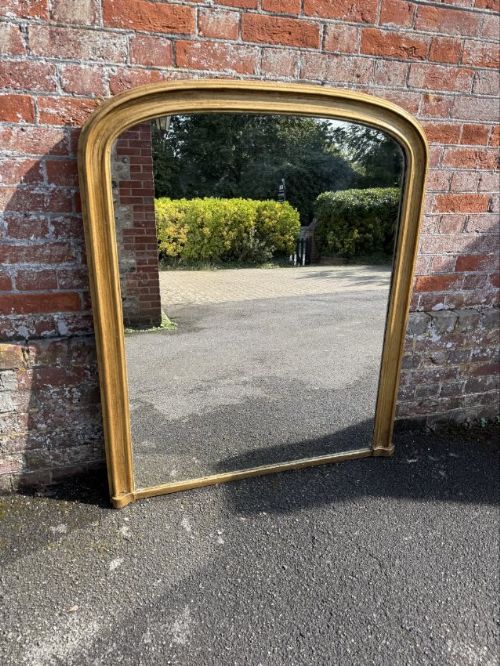
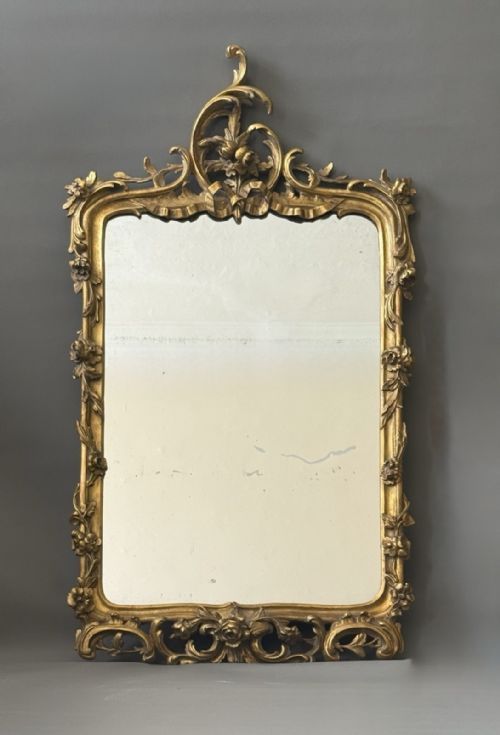
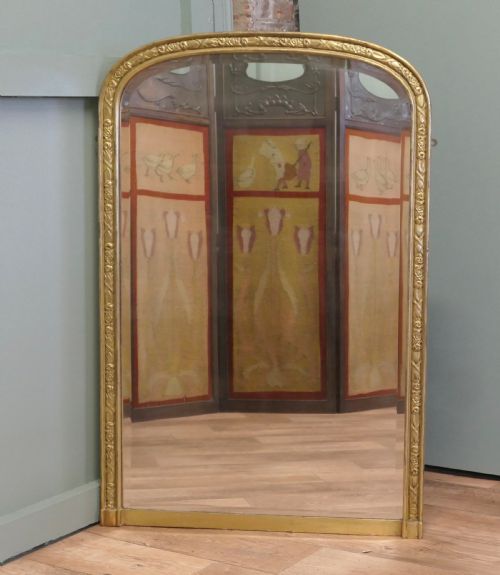
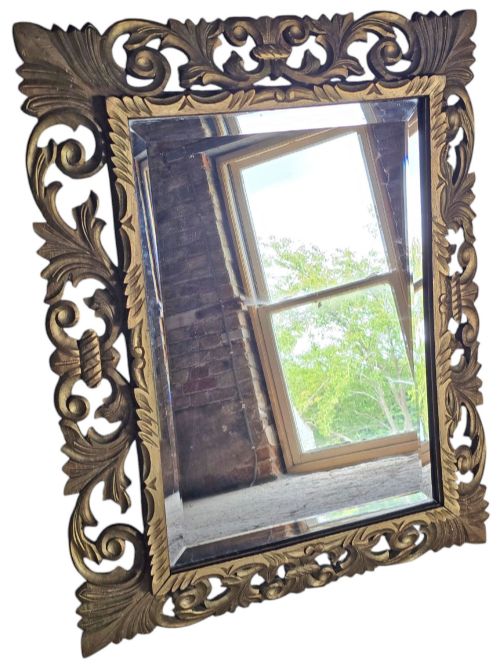
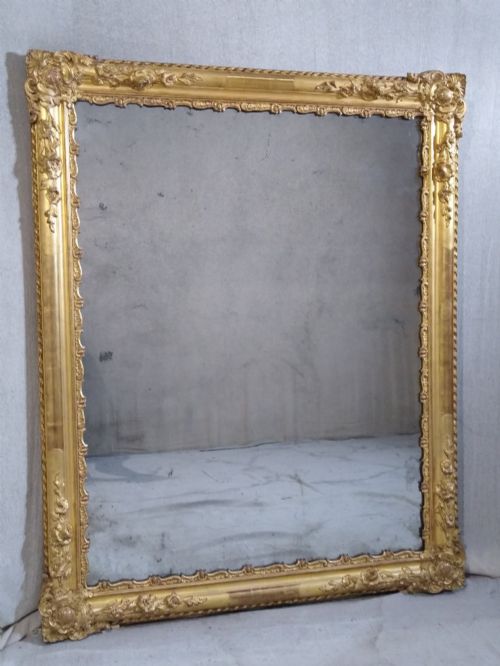
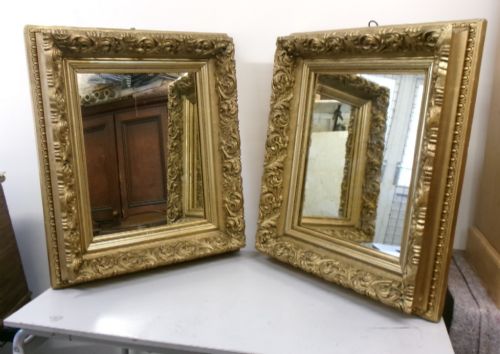


Gilded Overmantel Wall Mirror
When you search for a gilded overmantel wall mirror, you find large, reflective centrepieces designed to sit above a fireplace or span a grand wall.
Gilded Overmantel Wall Mirror
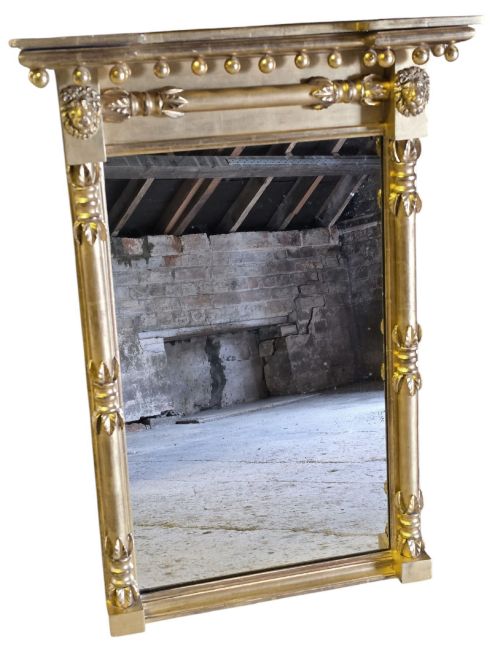
A gilded overmantel wall mirror serves as a dominant architectural feature, traditionally positioned above a mantelpiece to reflect light and amplify the sense of space in a room. These pieces span several centuries and styles, originating from English workshops and French salons alike.
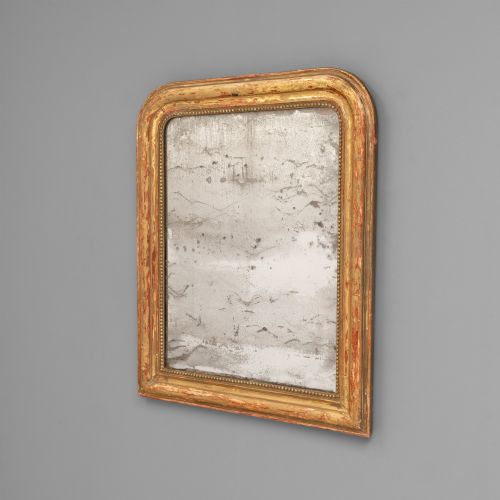
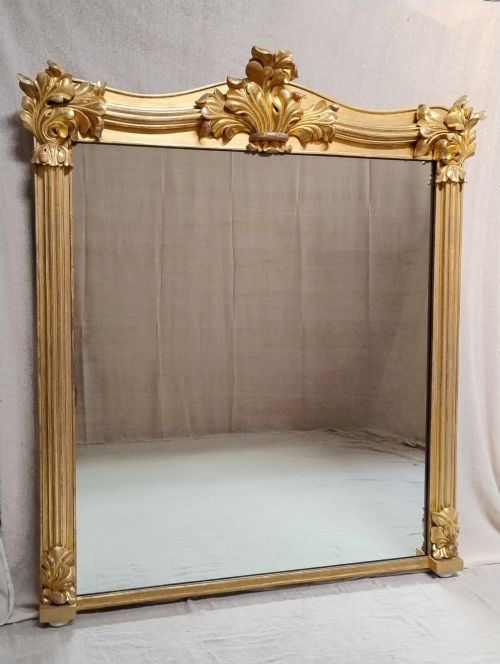
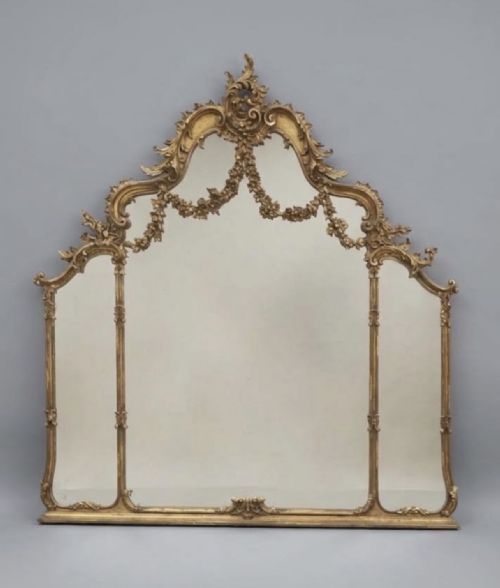
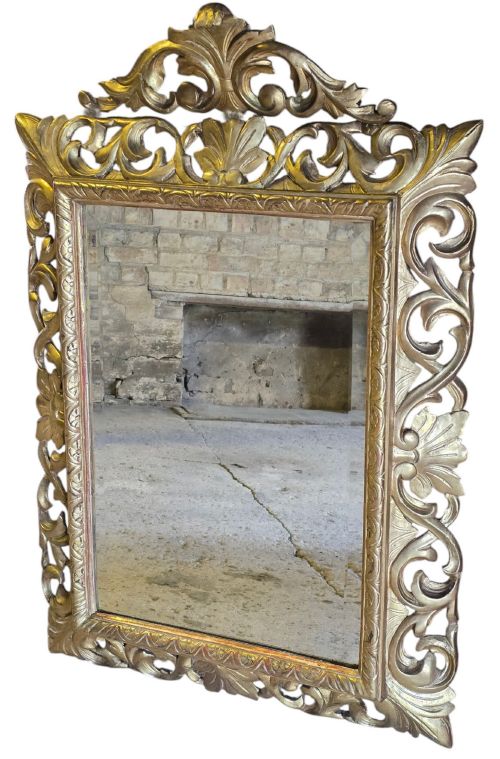
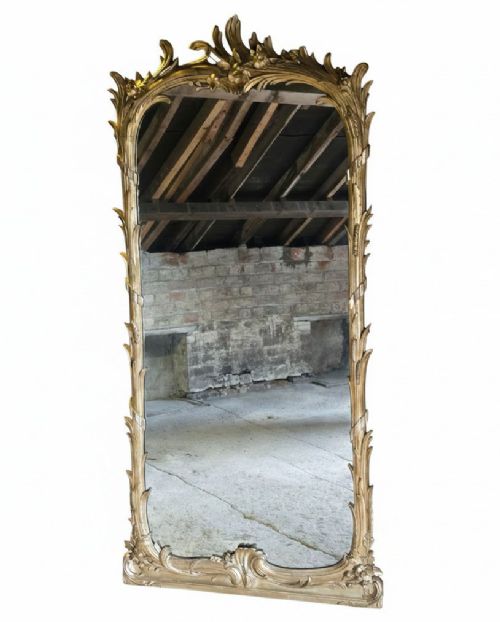
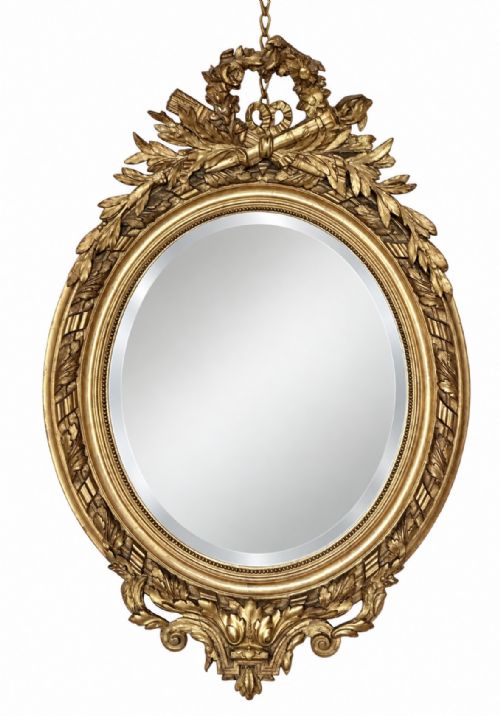
You will most frequently meet nineteenth-century examples on this page, taking forms such as arched top frames, tall pier glasses, and robust overmantel mirrors. The selection encompasses distinct aesthetic revivals, including Rococo curves, Regency restraint, and Florentine carvings.
Makers and makers' marks surface occasionally, while many mirrors survive simply as testament to the skilled joiners and gilders of the Victorian era and earlier. Whether French or English in origin, each piece carries the distinct proportion and ornamentation of its period.
How they were made
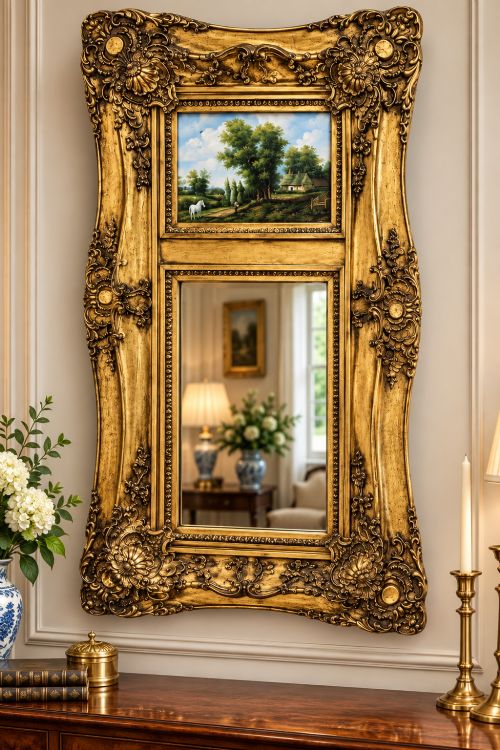
Makers constructed the structural frames of these mirrors using timber such as pine or hardwood, onto which they applied layers of gesso to build up intricate relief decoration. Carved wood details and composition ornaments moulded from paste provided the deep acanthus leaves, ribbons, and floral motifs seen on the frames.
The decorative surfaces received a coating of gold leaf or gilt finish, bonded to the gesso foundation to create a brilliant metallic sheen. Early and mid-nineteenth-century examples often house antique mirror plates, including mercury glass with characteristic foxing and age spots.
The selection includes architectural pier mirrors and French Louis Philippe styles alongside English overmantel forms.
What varies in quality
The depth and crispness of the carving distinguish finer frames from standard production, as hand-carved wooden details hold sharper definition than moulded composition ornaments. The integrity of the original gilding and the preservation of the antique mirror plate also dictate the character and standing of the piece.
Proportion and scale play significant roles in desirability, with monumental or exceptionally tall formats commanding attention for their architectural presence. The harmony between the original frame construction and its glass plate indicates the standard of craftsmanship invested in the mirror.
Nosotti
The Gilded Overmantel Wall Mirror Glossary
- Overmantel mirror
- A large mirror specifically designed to hang or stand upon the mantelpiece above a fireplace. These pieces often follow the horizontal or arched width of the chimney breast.
- Gesso
- A plaster-like mixture applied to wooden frame foundations to create a smooth surface for gilding or deep relief carving. Artisans build it up in layers before carving intricate details into the dry medium.
- Giltwood
- Timber that has been coated with gold leaf or metallic powder applied over a prepared base. It differs from painted gold finishes through its genuine metallic reflection.
- Mercury glass
- A type of mirror plate produced by pouring a silvering mixture containing mercury behind the glass pane. Over time, this compound creates characteristic dark spots and foxing.
- Pier glass
- A tall, narrow mirror designed to hang on the wall space between windows. These mirrors frequently paired with matching console tables in nineteenth-century interiors.
Gilded Overmantel Wall Mirror: Frequently Asked Questions
Where should I hang an overmantel mirror?
These mirrors traditionally anchor the space directly above a fireplace mantel, where their proportions reflect the hearth below. They also function successfully on any principal wall where a grand scale is required.
Ensure the wall structure and fixings can support the substantial weight of a large gilded wooden frame and glass plate.
How do I identify a nineteenth-century mirror?
Examine the construction of the wooden backboards, the type of gesso preparation, and the characteristics of the mirror plate. Nineteenth-century frames often display hand-carved elements combined with composition ornamentation.
Foxing on the glass and traditional joinery methods further point to an authentic period origin rather than a later reproduction.
What is mercury glass?
Mercury glass refers to mirror plates silvered using traditional chemical processes that frequently involved mercury amalgams. This older technique results in a warm, uneven reflection with characteristic dark spots.
Collectors prize this aged appearance as a key indicator of eighteenth and nineteenth-century provenance.
Can these heavy mirrors be wall mounted safely?
Wall mounting requires robust professional fixings secured directly into solid masonry or substantial wall studs. Because many of these pieces combine dense timber, gesso, and heavy glass, they demand secure load-bearing support.
Consult a professional restorer or installer to evaluate the weight and hanging mechanism before placement.