
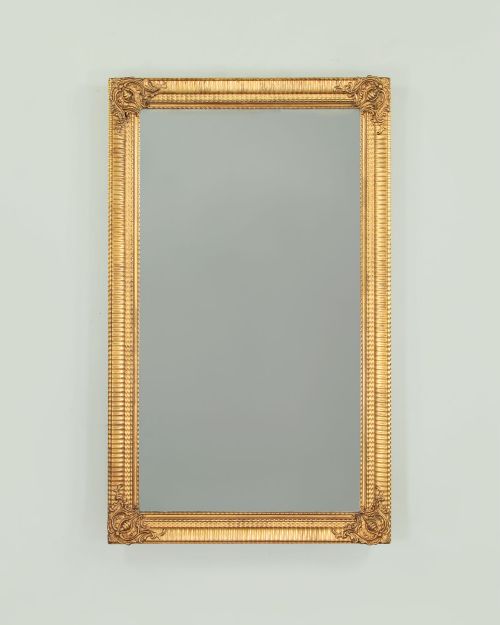
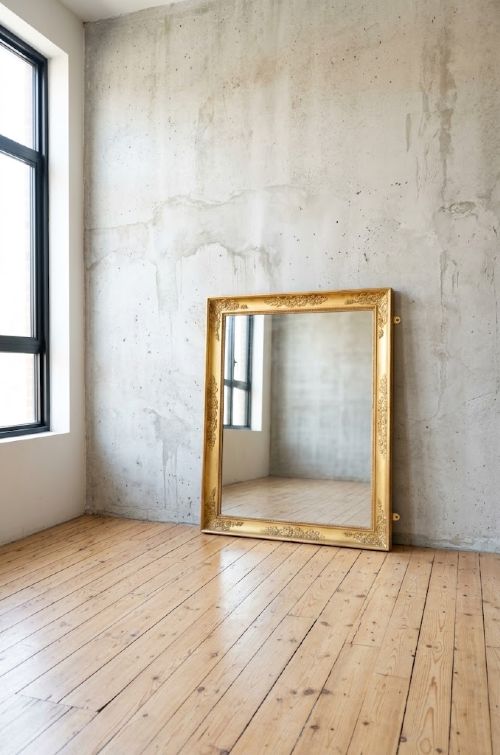
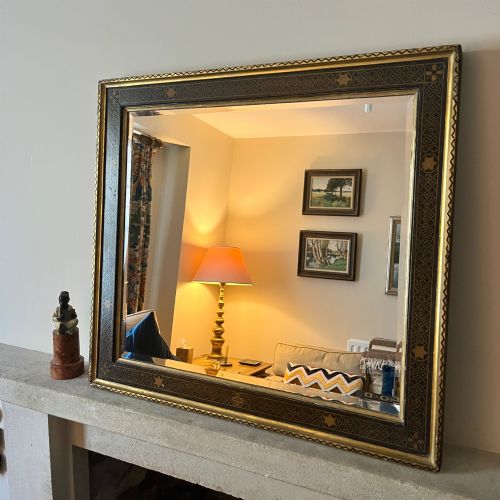
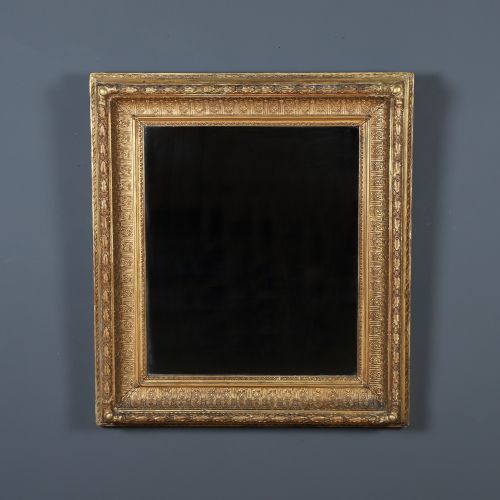
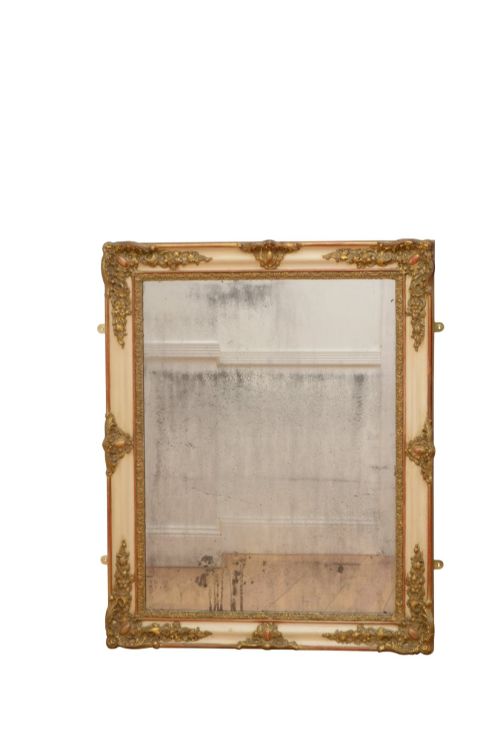
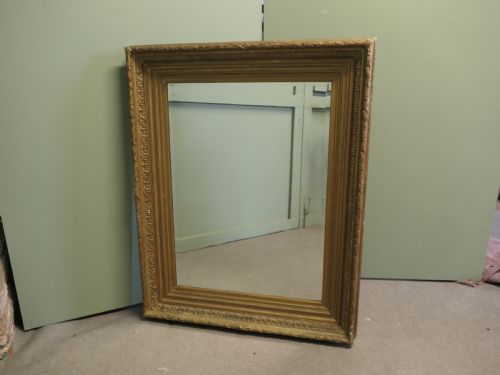
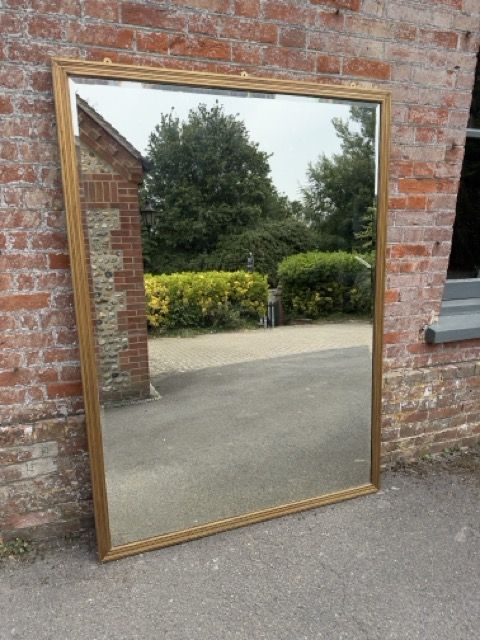
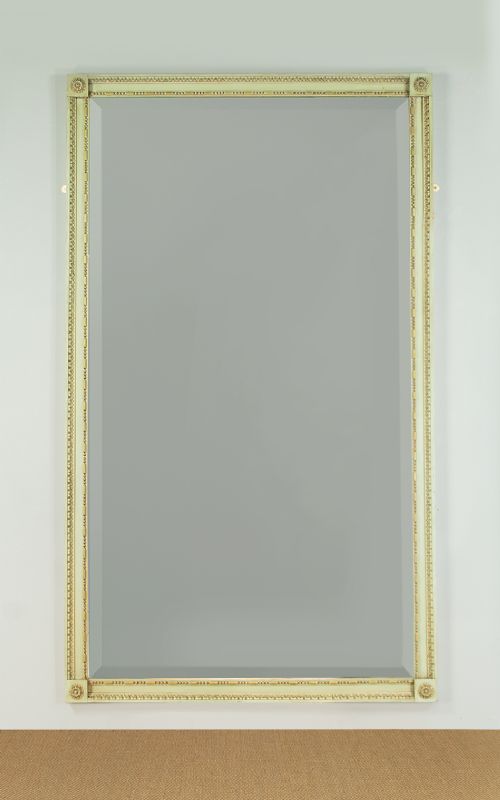
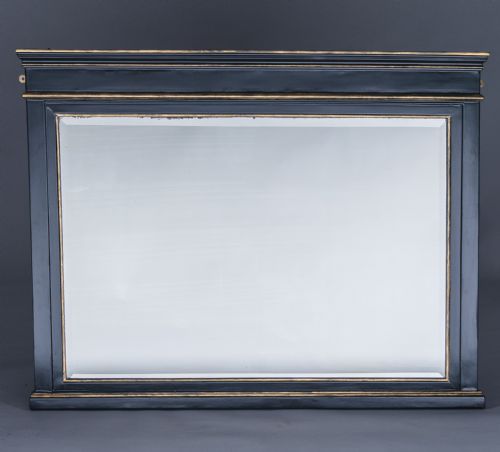
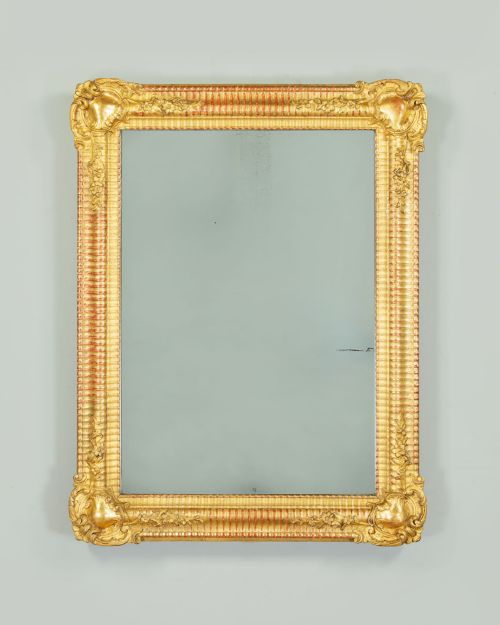
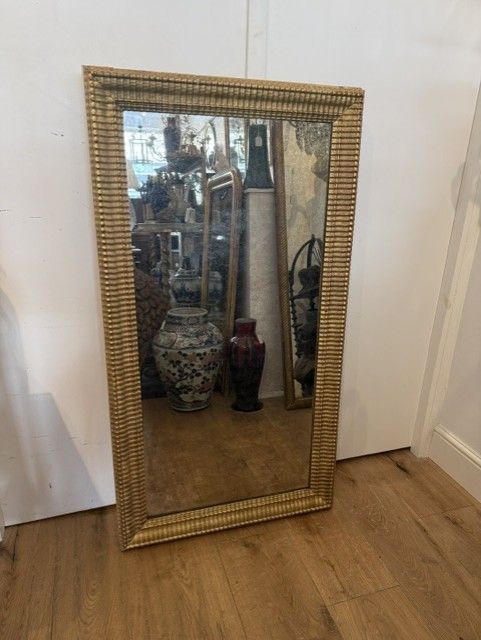
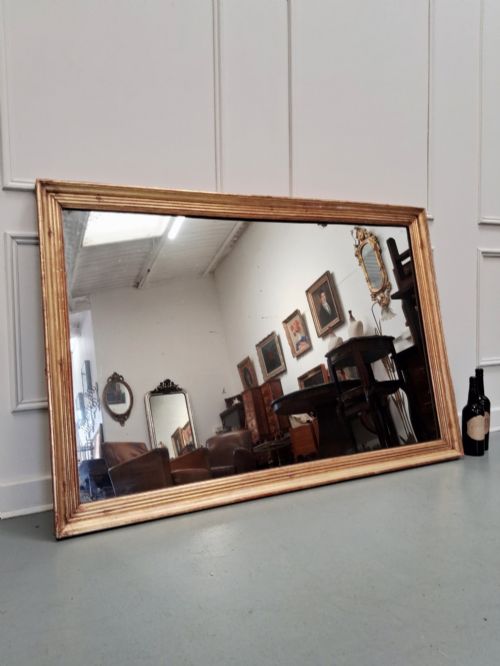
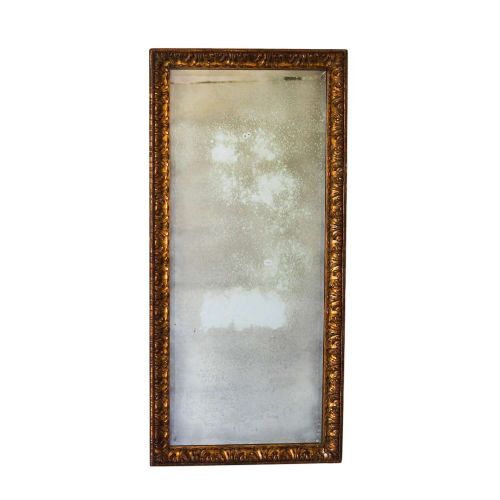
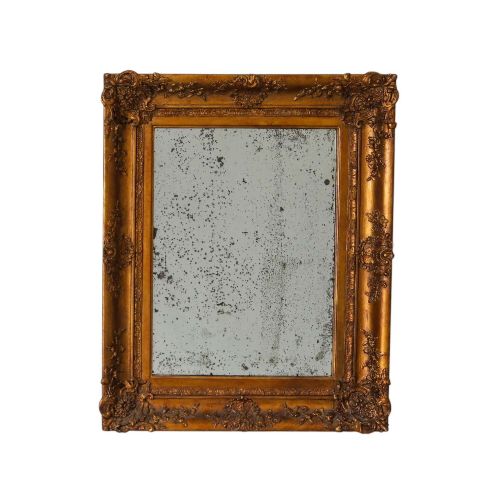
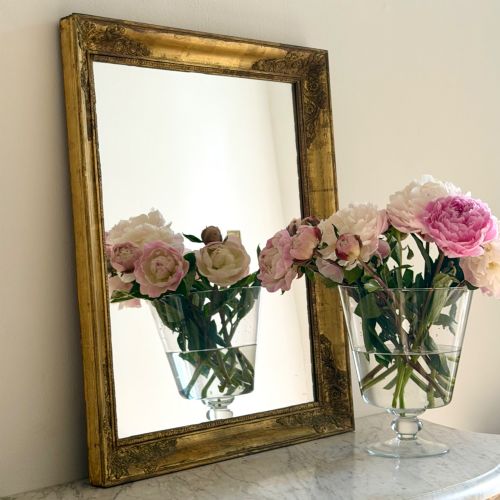
Rectangular Gilt Frame Mirror
A rectangular gilt frame mirror brings reflective depth and metallic warmth to a room, drawing the eye with polished surfaces.
Rectangular Gilt Frame Mirror
A rectangular gilt frame mirror combines functional glass with decorative metallic finishes, spanning periods from the Regency era through the Victorian period and into the early twentieth century. Buyers seeking a rectangular gilt frame mirror encounter wall mirrors, overmantel mirrors, and dressing mirrors originating from English country houses and French salons.
The selections on this page draw heavily from nineteenth-century craftsmanship, including French Napoleon, Rococo, and Florentine styles. Pieces range from large decorative overmantels designed for grand chimney breasts to simpler timber and ebonised frames intended for hallways.
How they were made
The construction of these mirrors relies on carved wood or moulded gesso as a foundational base, coated in gold leaf, silver gilt, or oil gilt to achieve a luminous metallic finish. Artisans applied layers of gesso onto wooden frames before carving intricate floral, mythological, or classical motifs by hand.
Glass plates vary in origin, with some pieces retaining foxed plates showing age and oxidation, while others incorporate replacement glass or silvered surfaces. Frames frequently utilise timber subframes joined at the corners, sometimes enhanced with brass mounts or painted details.
Listings feature pieces from the Regency era, 1850, 1880, 1890, and the early twentieth century up to 1950.
What varies in quality
The crispness of the carved wood and gesso ornamentation distinguishes standard production from exceptional pieces, particularly in how deeply the floral and mythological details are defined. Superior examples display meticulous hand-tooling on the frame and subtle variations in the application of gold leaf or paint.
The condition and authenticity of the mirror plate also determine the character of the piece, with undisturbed foxed plates offering historical depth. Structural integrity within the wooden carcass and the preservation of the original gilding complete the measure of quality.
The Rectangular Gilt Frame Mirror Glossary
- Giltwood
- Wood coated with a thin layer of gold leaf or metallic powder. This technique provides a rich, warm metallic sheen across the frame.
- Gesso
- A plaster-like mixture applied to wood frames to create a smooth surface for carving and gilding. Artisans mould or carve intricate details directly into this layer.
- Overmantel Mirror
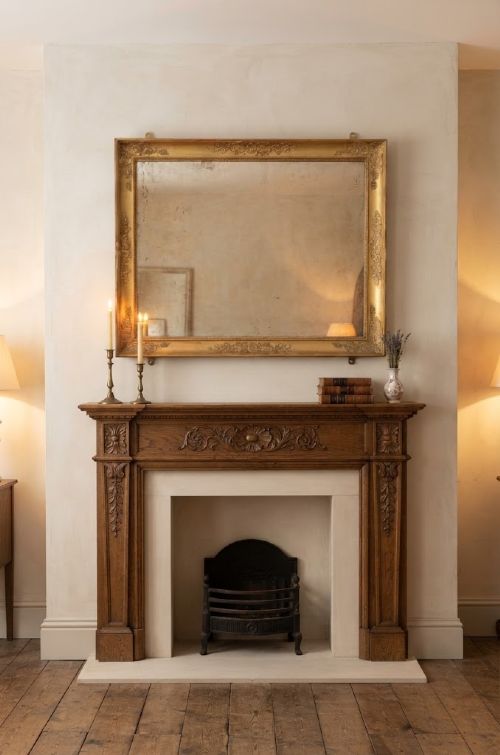
- A large mirror specifically designed to hang above a fireplace mantelpiece. These pieces often feature extended horizontal proportions to match the width of the hearth.
- Foxed Plate
- Mirror glass showing age-related spots, dark patches, and oxidation. This natural degradation develops within the silvering over many decades.
- Rococo
- An ornate decorative style characterised by asymmetric curves, scrollwork, and natural motifs. Originating in France, it heavily influences nineteenth-century frame designs.
Rectangular Gilt Frame Mirror: Frequently Asked Questions
Where should I hang an overmantel mirror?
An overmantel mirror is traditionally positioned directly above a fireplace mantelpiece to reflect light and anchor the reception room.
Alternatively, hanging one above a low sideboard or console table creates a similar focal point in rooms without a functioning fireplace.
How do I clean a gilt frame?
Dust the carved surface gently with a soft, dry brush to prevent damage to the delicate gold leaf or gesso layers.
Avoid using water, chemical solvents, or abrasive cloths, as moisture strips the historic gilding from the wooden base.
What is a foxed mirror plate?
A foxed plate refers to mirror glass where the reflective silver backing has degraded over time, producing characteristic dark spots and speckles.
Many collectors prize this natural ageing process because it confirms the genuine antiquity of the glass.
How do I date a nineteenth-century mirror?
Dating relies on examining the construction of the wooden frame, the composition of the gesso, and the style of the carved ornamentation.
Backboards, screw types, and the method of securing the glass plate provide additional clues regarding the period of manufacture.