

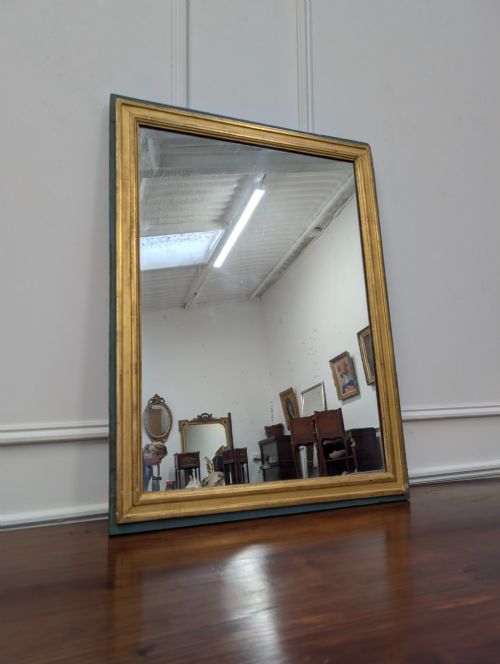
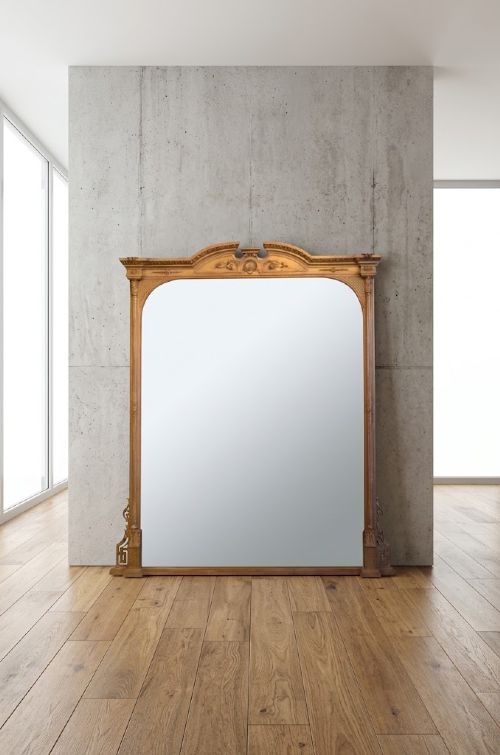
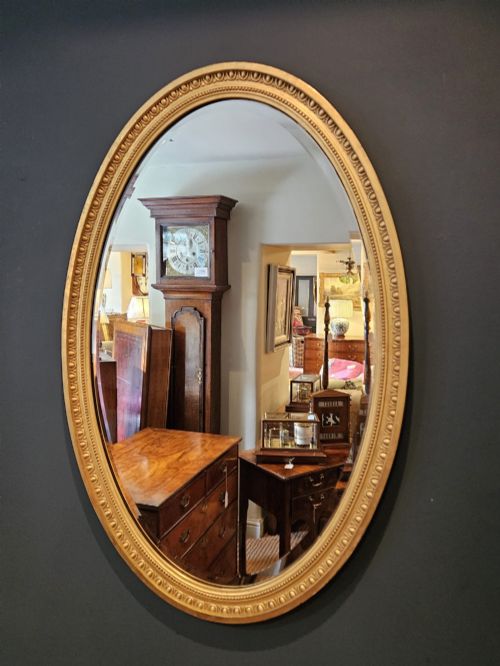
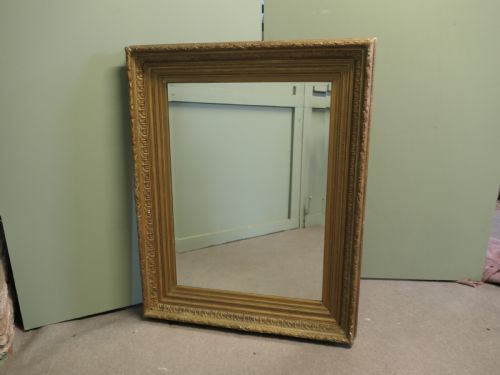


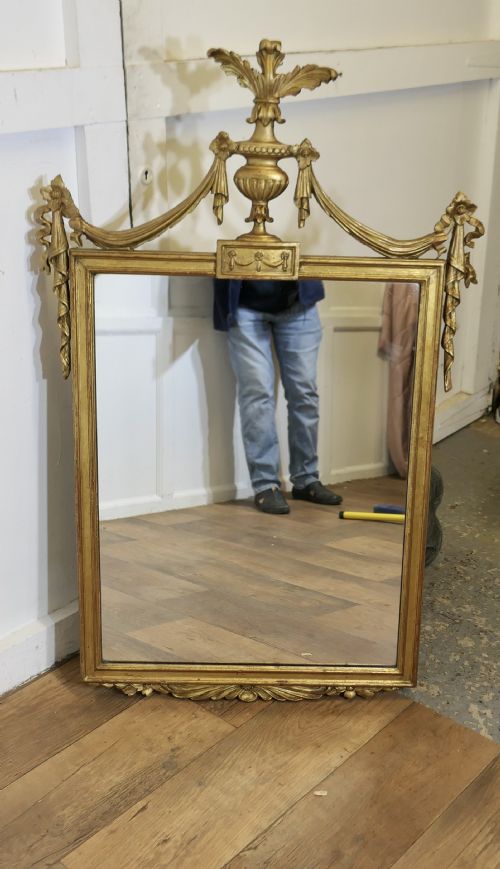


Classic French Style Mirror
These classic french style mirror selections bring decorative presence and reflection to a room through period carved frames and gilt finishes.
Classic French Style Mirror
A classic french style mirror encompasses wall mirrors, overmantel mirrors, and cheval mirrors originating from periods such as the nineteenth century, Victorian era, and early twentieth century. Buyers seeking this aesthetic encounter architectural wall pieces and large overmantels designed to anchor a room.
Pieces frequently reflect nineteenth century and Edwardian craftsmanship, utilising traditional joinery and composition ornament to achieve ornate detailing. The variety on offer captures both grand salon proportions and more intimate boudoir scales.
How they were made
Frames are constructed from wood such as mahogany or pine, serving as the foundational structure for applied ornamentation. Craftsmen utilised gesso and composition plaster moulded over timber to build up elaborate relief decoration.
Surfaces receive decorative finishes including gold leaf, gilding, and paint applications. Silvered mirror glass is set within the rebate, secured at the rear with traditional wooden panels or framing battens.
Classic French Style Mirror Retail Price Guide 2026
Typical asking prices for classic french style mirror among the pieces listed under this phrase on Sellingantiques today, from the lower quarter to the upper quarter. They describe what is for sale here now, not the wider market.
Some nineteenth-century mirrors retain their original hand-beveled glass, capturing centuries of reflected drawing room light.
What varies in quality
The refinement of the carved or moulded ornament distinguishes finer examples, where crisp relief work demonstrates superior artisan skill. The depth and integrity of the original giltwood or gold leaf surface further separate standard production from exceptional pieces.
Proportion and scale dictate the visual impact of the mirror, with well-balanced frames maintaining structural harmony across large overmantel formats. The clarity and age of the glass plate also contribute to the overall character of the piece.
The Classic French Style Mirror Glossary
- Giltwood
- Wood that has been coated with gold leaf or a gold-colored finish. This technique provides a luminous surface that catches the light within a room.
- Gesso
- A plaster mixture applied to wood frames to create a smooth surface for carving or moulding. It allows for intricate relief details before gilding takes place.
- Overmantel mirror
- A large mirror designed to hang specifically above a fireplace mantel. These pieces often feature extended horizontal proportions to fit the architectural space.
- Cheval mirror
- A freestanding full-length mirror suspended in a frame that allows it to tilt. This form emerged for dressing rooms and bedrooms.
- Napoleon III style
- A nineteenth-century French design movement known for eclectic revivalism and opulent ornamentation. It draws heavily on earlier royal French aesthetics.
Classic French Style Mirror: Frequently Asked Questions
Where should an overmantel mirror be hung?
An overmantel mirror traditionally hangs directly above a fireplace mantelpiece to anchor the room's central architectural focus. It reflects light and creates a sense of expanded space.
Ensure the wall fixings match the substantial weight of these large wooden and gesso frames. Secure the mirror safely to wall studs or masonry.
How do I clean an antique giltwood frame?
Dust giltwood frames gently with a soft, dry brush to prevent disturbing fragile leaf or composition surfaces. Avoid using liquid cleaners or abrasive cloths.
Moisture can damage nineteenth-century gilding and underlying gesso. Keep the frames in stable environmental conditions away from direct heat sources.
What is the difference between a wall mirror and an overmantel mirror?
Wall mirrors are generally proportioned for general hanging across any room wall. Overmantel mirrors possess specific horizontal widths tailored for placement above fireplaces.
Overmantel formats often feature heavier decorative crests and grander proportions. They serve as primary focal points in drawing rooms and parlours.
How do I identify a Napoleon III style mirror?
Napoleon III style mirrors display ornate, eclectic ornamentation drawing from historical French design motifs. They frequently incorporate rich gilt finishes and elaborate crestings.
Look for nineteenth-century construction methods beneath the gesso and composition decoration. The overall aesthetic leans toward opulent interior decoration.