


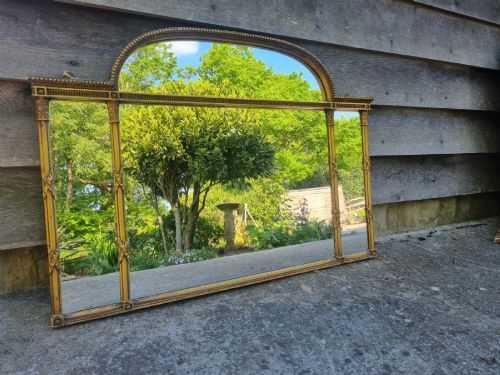
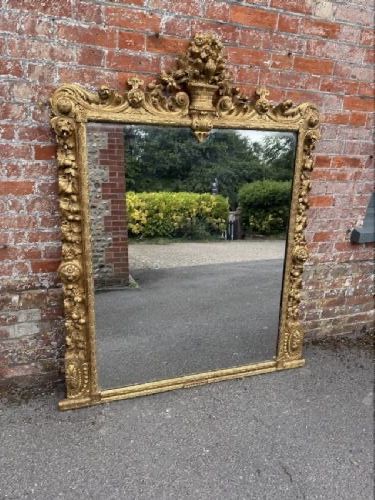
Gold Leaf Framing Mirror
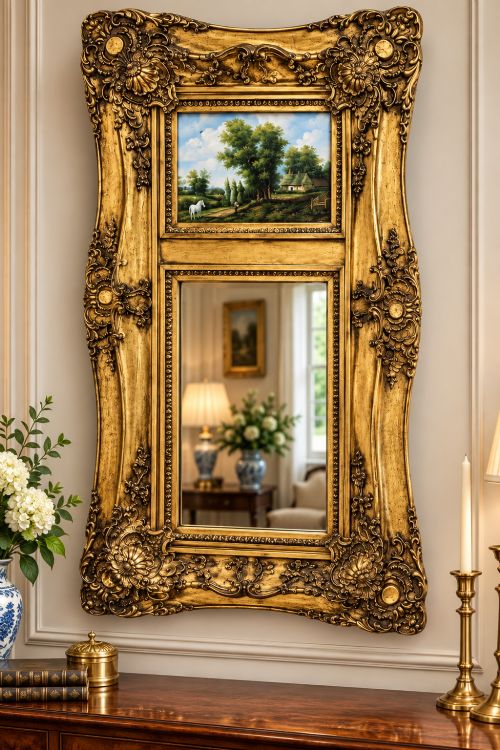
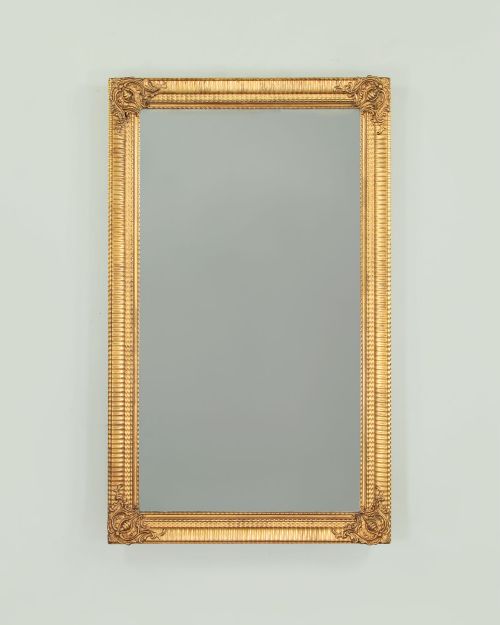
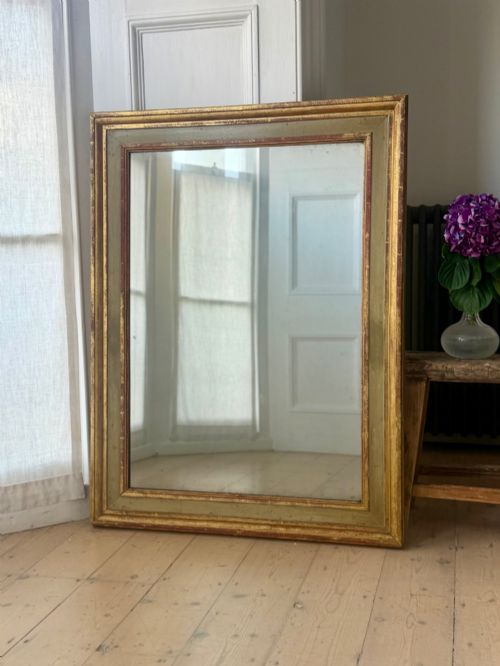
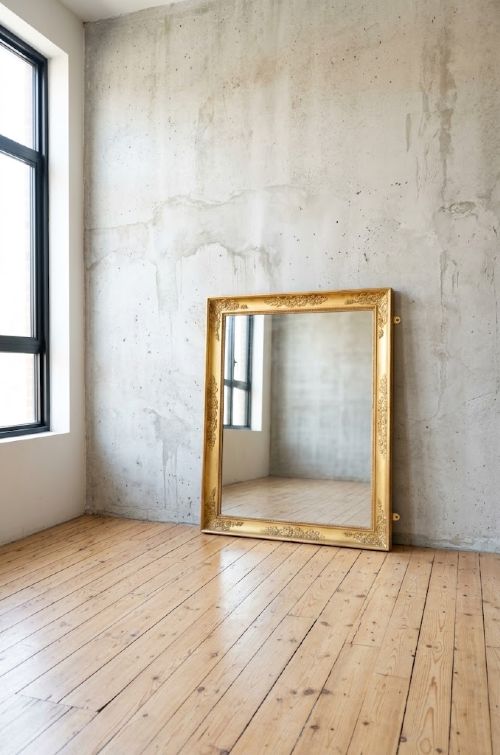
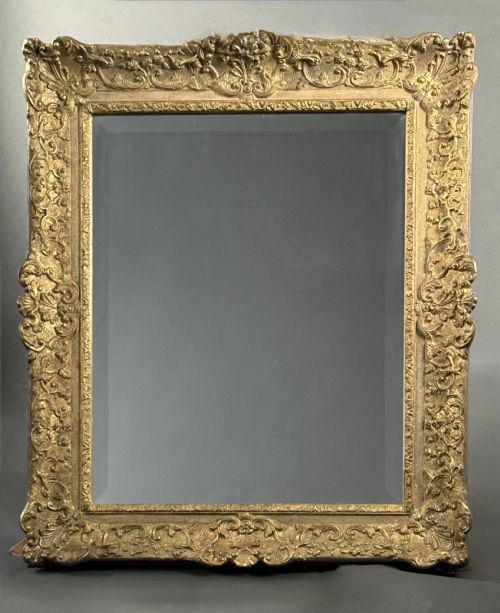
These gold leaf framing mirror examples bring historic elegance and rich reflection into a room through elaborate giltwood and gesso craftsmanship.
Gold Leaf Framing Mirror
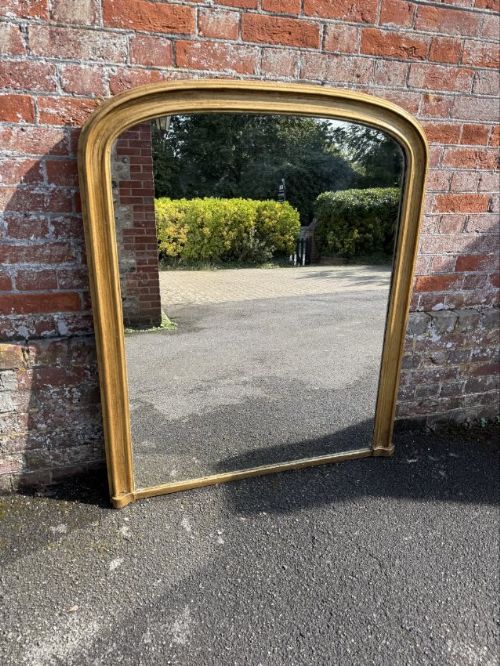
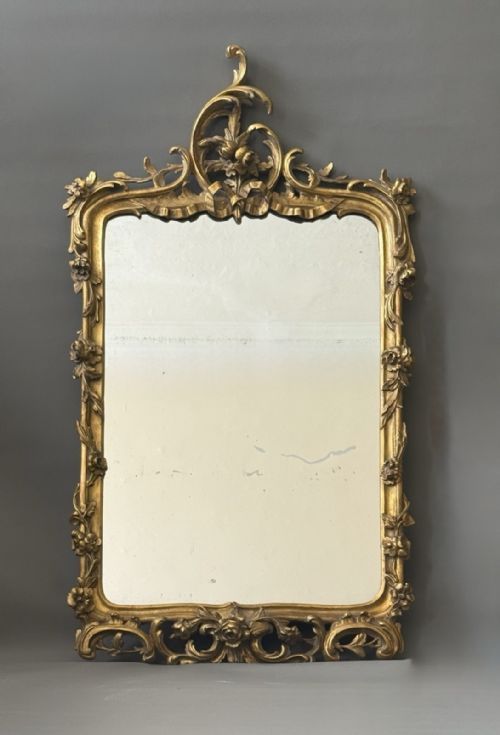
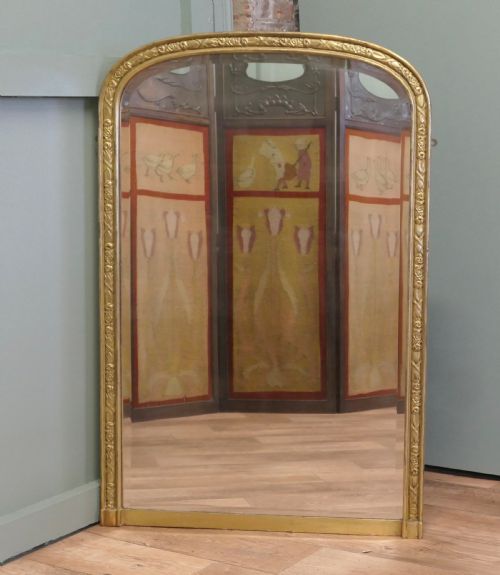
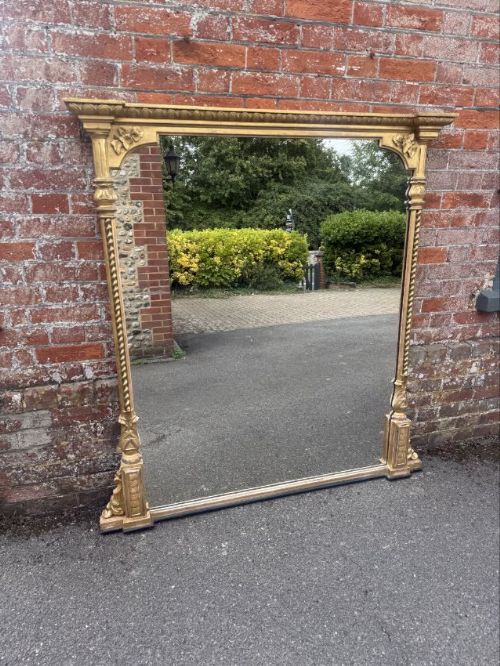
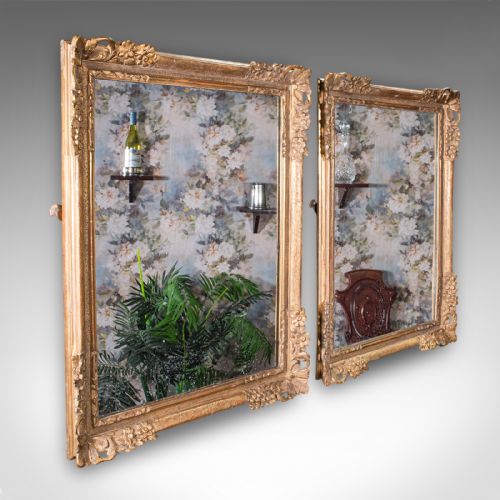
When searching for a gold leaf framing mirror, collectors encounter an array of ornate wall, overmantel, and pier mirrors spanning the eighteenth, nineteenth, and early twentieth centuries. English and French workshops dominate the selection, offering grand architectural proportions alongside delicate domestic designs.
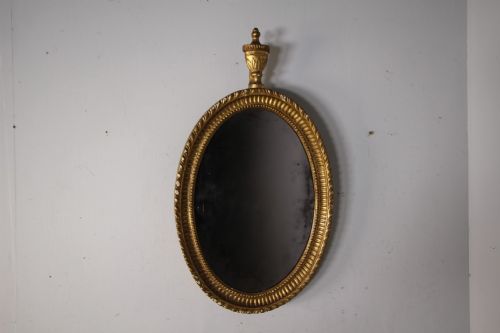
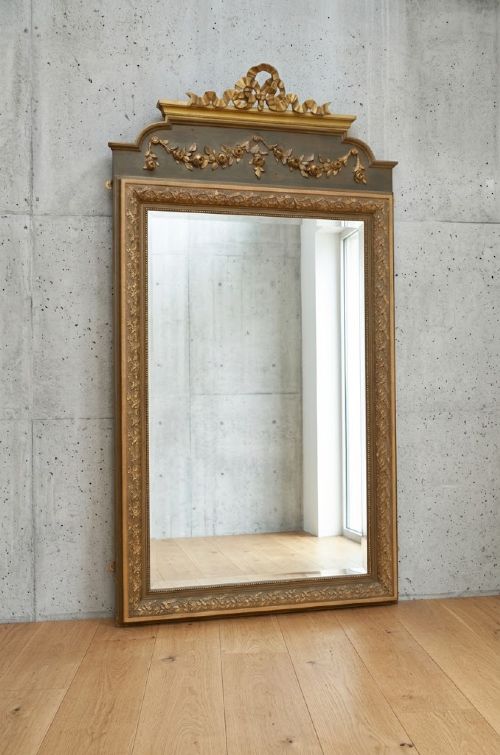
The most common pieces on this page are nineteenth-century overmantel mirrors and tall wall mirrors, often featuring arched tops, rope twist details, or classical column framing. Pieces range from restrained Georgian ovals to exuberant Rococo Revival and French Neoclassical interpretations.
Originating from diverse settings such as stately homes and French chateaux, these mirrors serve both functional dressing purposes and decorative focal points. Many retain their original glass plates, showing authentic age through subtle foxing.
How They Were Made
Carved wooden structures form the foundation of these pieces, utilising timbers such as oak, pine, or walnut beneath the decorative surface layers. Artisans applied thin layers of gesso over the carved wood to create a smooth preparation for gilding.
Gold leaf or fine gilt application brings a brilliant metallic sheen to the frames, often complemented by moulded composition ornamentation for intricate floral and mythological carvings. Mercury glass plates, popular in earlier periods, provide the distinct reflective quality seen in antique examples.
A nineteenth-century Masonic mirror hides fraternal symbols within its gilded frame, ready to oversee lodge secrets from the hallway wall.
What Varies in Quality
The depth and crispness of the hand-carved wood ornamentation distinguish finer examples from standard production pieces, particularly where acanthus leaves, ribbons, or crests are shaped with exceptional precision. The integrity of the original gilding and the survival of untouched mercury glass plates elevate the status of a mirror.
Proportion and structural balance also separate superior items, as grand overmantel and pier mirrors require robust joinery to support heavy glass plates over centuries. Pieces that retain their original backing and historical mounting hardware demonstrate better preservation.
The Gold Leaf Framing Mirror Glossary
- Giltwood
- Wood that has been coated with gold leaf or gold paint. This traditional finish creates a warm, luminous metallic surface across the carved frame.
- Gesso
- A plaster-like mixture applied to wood frames. It provides a smooth base for subsequent gilding and intricate moulding work.
- Overmantel Mirror
- A large mirror designed to hang above a fireplace mantel. These pieces frequently feature wide horizontal proportions to complement the hearth.
- Mercury Glass
- A double-walled glass blown type with a silvering mixture inserted between the layers. It produces a mottled, atmospheric reflection typical of older mirrors.
- Pier Mirror
- A tall, narrow mirror made to hang on the wall space between two windows. They often incorporate original plates and delicate vertical framing.
Gold Leaf Framing Mirror: Frequently Asked Questions
Where should I hang an overmantel mirror?
These large mirrors traditionally sit directly above a fireplace mantel to reflect light and anchor the room's proportions.
They also work effectively on substantial dining room or hallway walls where their architectural frames create a strong focal point.
How do I identify original mirror glass?
Original glass plates often exhibit foxing, which appears as dark spots and softening in the reflection caused by age and oxidation.
Twentieth-century replacements generally present a uniform clarity lacking the atmospheric irregularities of antique mercury glass.
How do I care for antique gilt frames?
Dust the carved and gilded surfaces gently with a soft, dry brush to prevent the accumulation of particles without disturbing the finish.
Avoid liquid cleaners and moisture, as water can damage delicate gesso and lift fragile gold leaf from the wood.