



Gold Leaf Accent Mirror
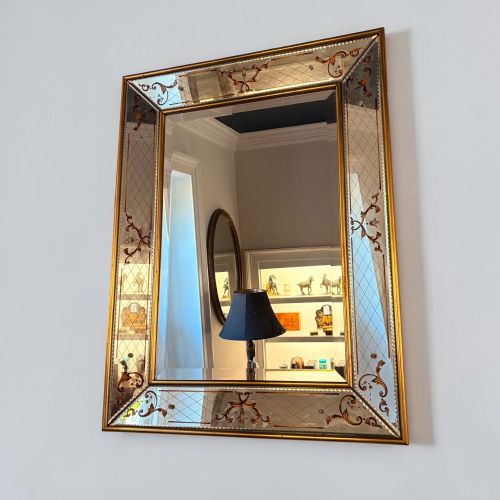
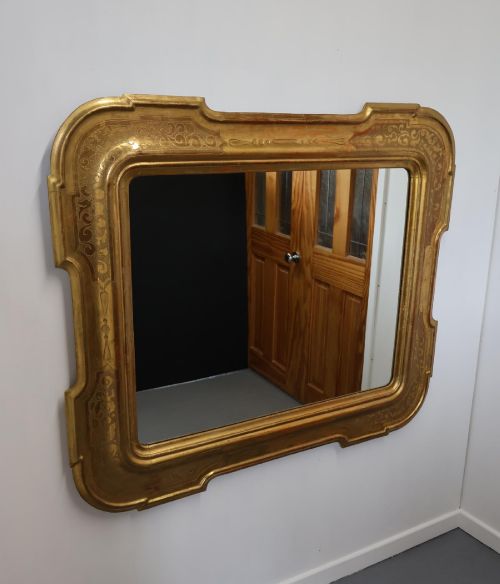
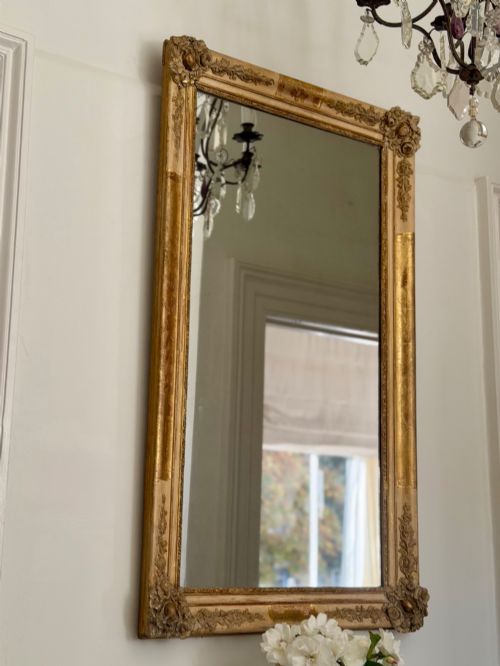
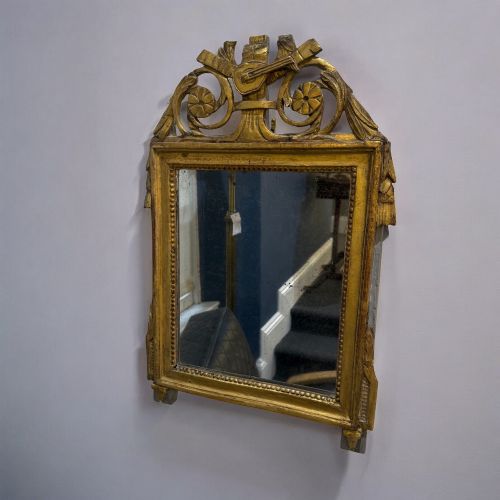
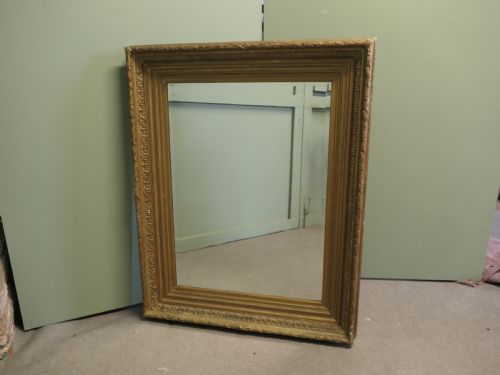
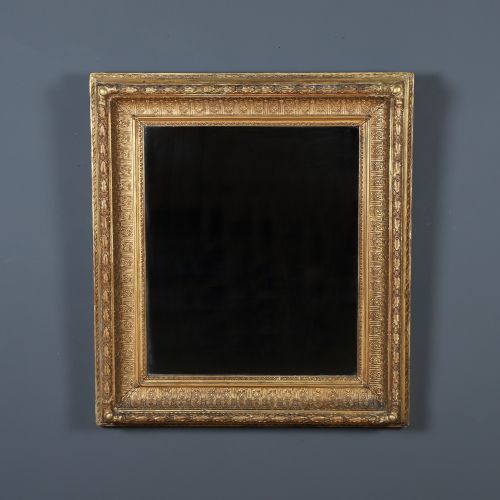
A gold leaf accent mirror brings light and reflective depth to a room through traditional carved timber frames and ornate gilded surfaces.
Gold Leaf Accent Mirror
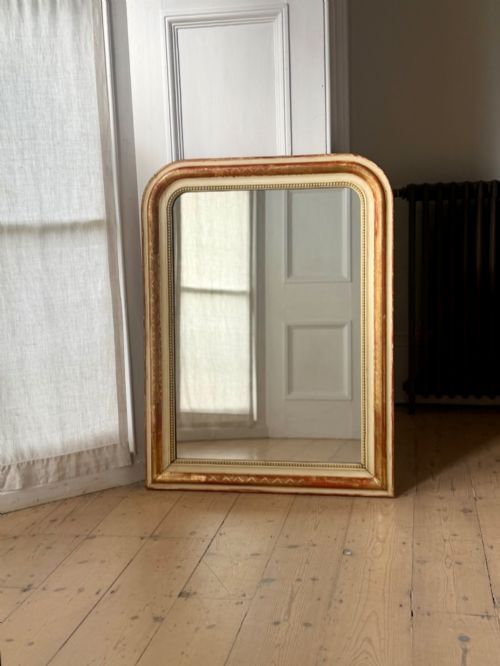
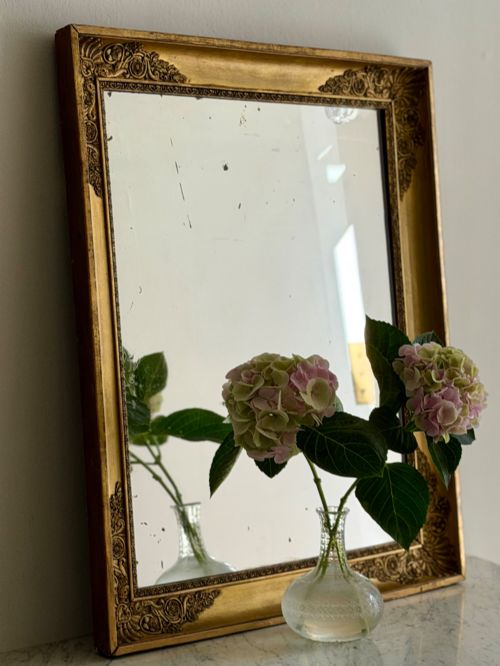
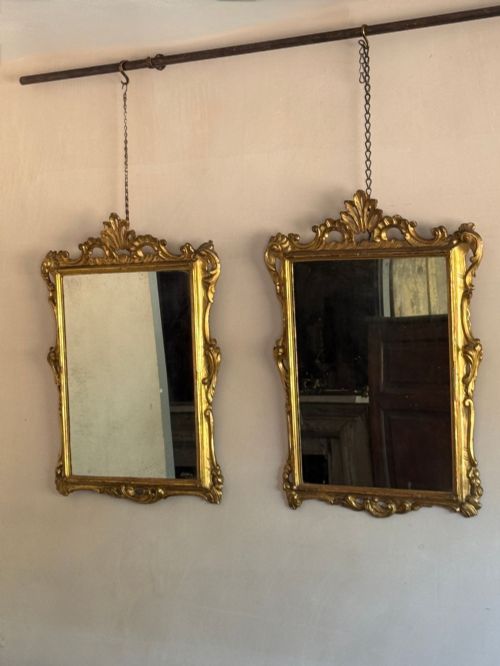
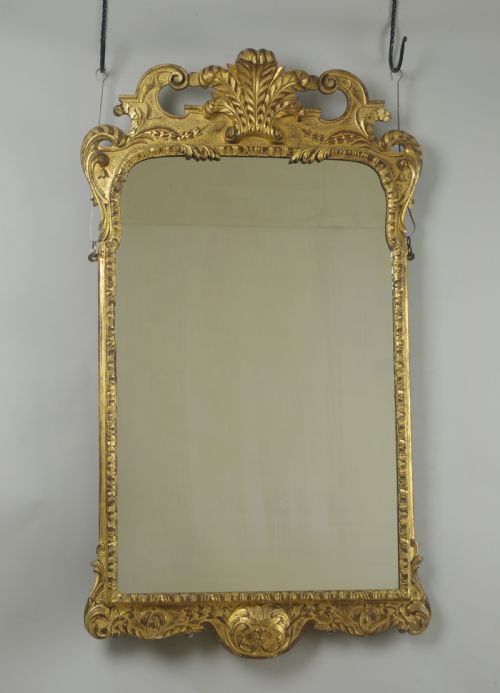
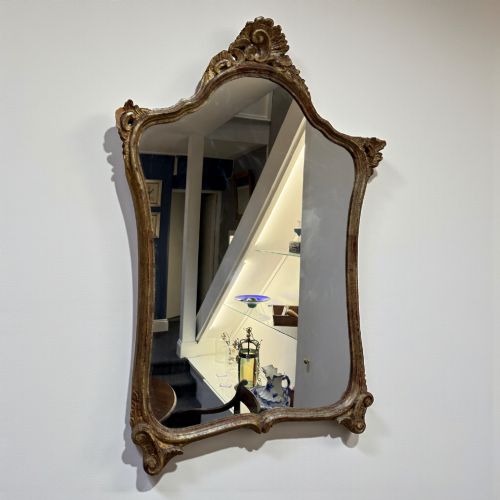
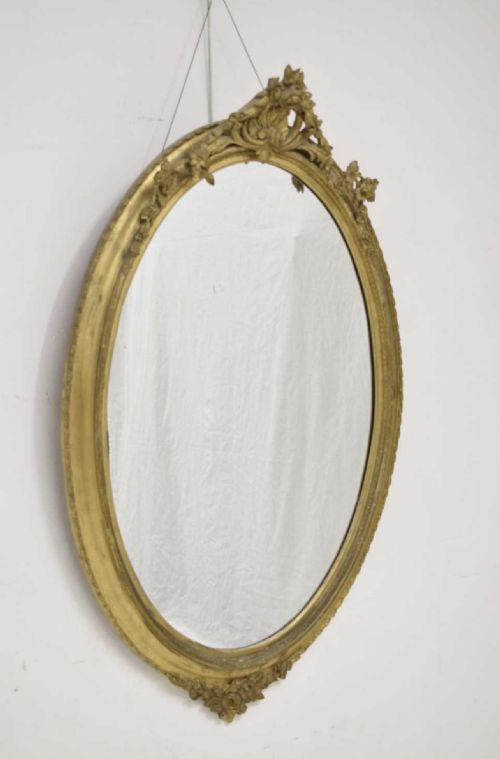
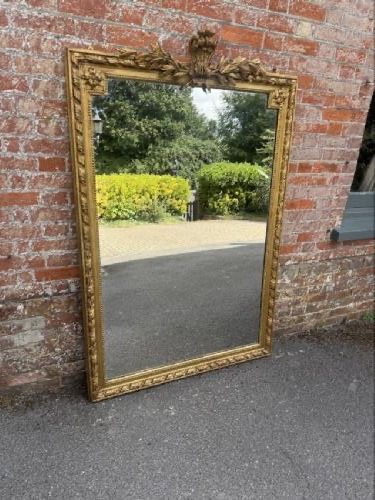
When you search for a gold leaf accent mirror, you encounter pieces spanning from the eighteenth century through to the early twentieth century, with nineteenth-century Victorian and continental examples appearing most frequently on this page. These wall mirrors, overmantels, and pier glasses reflect diverse design revivals including Rococo, Baroque, and George II styles.
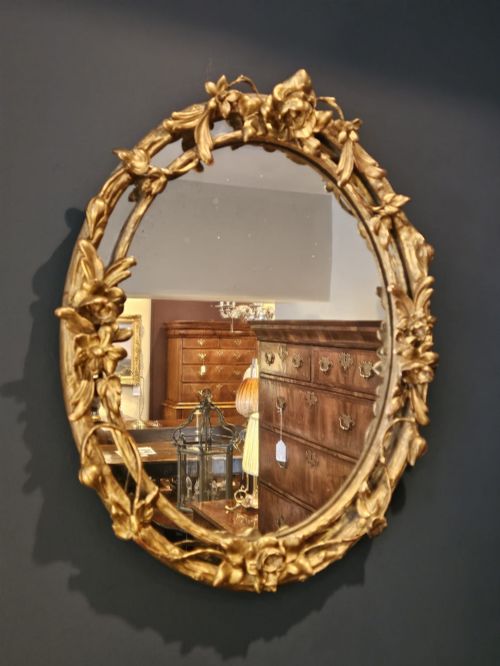
Italian, French, and English workshops created these pieces in various forms, ranging from small proportioned oval shapes to large imposing overmantels. Pier mirrors designed to hang between windows appear alongside rectangular wall mirrors and intricate foliate-crested designs.
The aesthetic draws heavily on historical motifs such as ribbons, bows, rose vines, and elaborate scrollwork. Continental pieces often display deep relief carving characteristic of Florentine and French provincial traditions.
Materials and construction methods
Maker artisans built the core structures using solid woods such as oak, walnut, and pine, often applying a layer of gesso to create a smooth preparatory surface for ornamentation. Woodcarvers worked directly into the timber or gesso build-up to render intricate floral and architectural details.
Thin sheets of gold leaf were applied over the prepared frames by hand, sometimes combined with parcel gilt accents where exposed wood grain contrasts with gilded sections. Glass plates within these frames reflect the period production methods of silvering and bevelling.
Gold Leaf Accent Mirror Retail Price Guide 2026
Typical asking prices for gold leaf accent mirror among the pieces listed under this phrase on Sellingantiques today, from the lower quarter to the upper quarter. They describe what is for sale here now, not the wider market.
Some frames incorporate hidden timber shrinkage cracks that prove the wood has spent over a century breathing with the seasons.
Assessing craftsmanship and execution
Depth and crispness of the hand-carved wood separate finer examples from simpler moulded or cast gesso pieces. Superior execution shows sharp undercut foliage, clean symmetrical scrolls, and harmonious proportions without distortion in the framing elements.
The integrity of the original gilding and the preservation of the underlying gesso layers dictate the physical character of each surviving object. High-quality mirrors retain their original reflective glass plates and stable structural joinery within the timber frame.
The Gold Leaf Accent Mirror Glossary
- Giltwood
- Timber that has been coated with gold leaf or gold paint for decorative effect. This forms the primary material framework for traditional decorative wall mirrors.
- Gesso
- A plaster mixture applied to wood frames to provide a smooth base for subsequent gilding and carving. It allows artisans to shape intricate relief ornamentation.
- Pier glass
- A tall mirror specifically designed to hang on the wall space between two windows. These pieces often sit above a matching pier table.
- Overmantel mirror
- A wide mirror intended to be hung directly above a fireplace mantelpiece. They scale horizontally to match the width of the hearth below.
- Parcel gilt
- A decorative technique where only specific portions of an object receive gilding while other areas reveal the natural wood underneath.
Gold Leaf Accent Mirror: Frequently Asked Questions
How do I hang a heavy giltwood mirror safely?
Heavy carved timber and gesso mirrors require robust wall fixings anchored directly into masonry studs or substantial wooden battens. Professional mirror hangers utilise heavy-duty D-rings and steel wire rated well above the actual weight of the frame.
Position the hanging height so the centre of the glass sits at natural eye level. Ensure the wall brackets distribute the load evenly across the top corners of the frame.
What is the difference between a pier mirror and an overmantel?
Pier mirrors were historically manufactured to occupy the narrow wall sections between architectural windows, maximising light diffusion in domestic interiors. Their vertical proportions are taller and narrower than standard wall mirrors.
Overmantel mirrors are constructed with broad horizontal dimensions designed to anchor the visual space above a fireplace. They command more lateral presence in a room compared to vertical pier glasses.
How should I clean antique gold leaf frames?
Dust delicate giltwood surfaces gently using a very soft, dry artist brush or ostrich feather duster. Avoid applying moisture, chemical sprays, or abrasive cloths to the fragile gold leaf layers.
If the glass plate requires cleaning, apply glass cleaner directly to a cloth rather than the mirror surface to prevent liquid seepage into the vulnerable wooden frame.
Can I date these mirrors by their wood and gesso?
Examination of the underlying timber, such as early oak or later pine, provides initial clues regarding the period of manufacture. Hand-applied gesso thickness and the nature of the tool marks beneath the gold leaf indicate historical workshop practices.
Stylistic cues like Rococo asymmetry or Neoclassical symmetry help narrow down the decade of creation when combined with construction analysis.