


Gold Lacquer Tray
A gold lacquer tray brings together deep polished surfaces and metallic ornamentation, offering a functional piece of furniture that doubles as striking wall art.
Gold Lacquer Tray
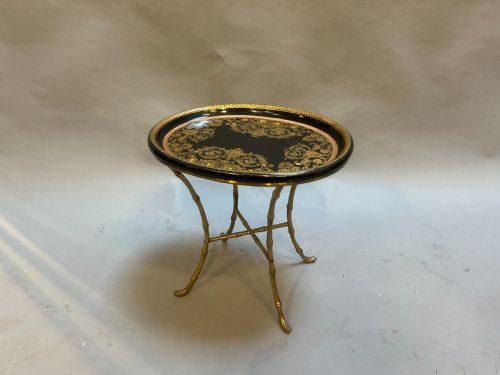
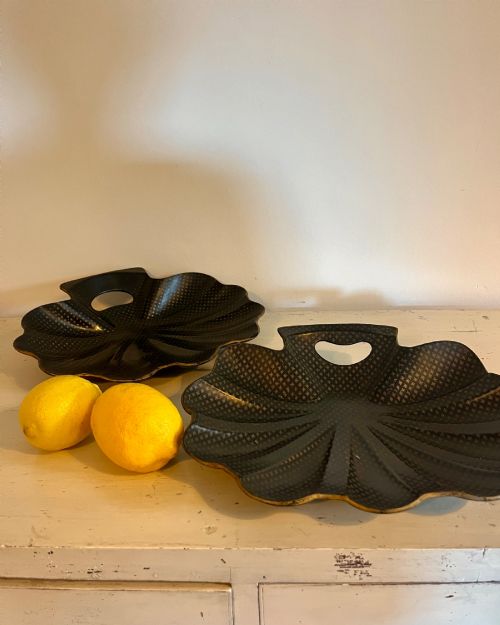
A gold lacquer tray comprises portable serving surfaces and display trays shaped from papier-mâché, wood, and metal, often elevated on later stands to function as coffee tables and occasional tables. These items emerge from various distinct global traditions, spanning English Regency workshops, Victorian households, and Japanese export studios.
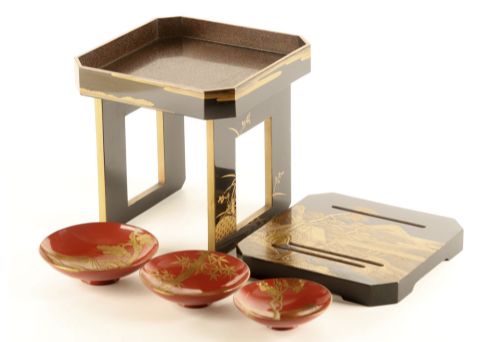
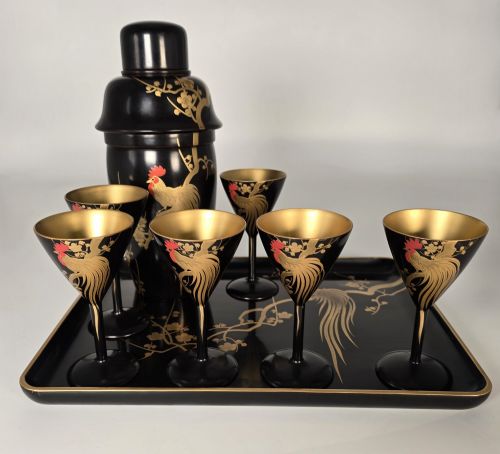
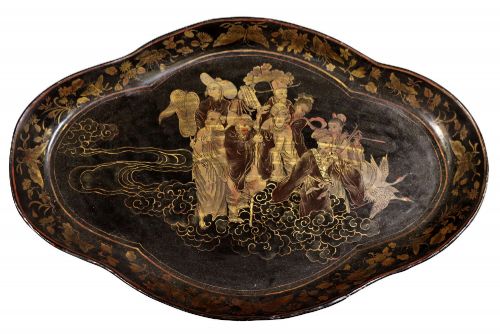
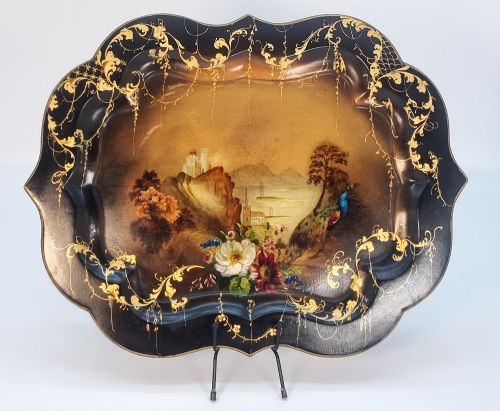
English examples favour moulded papier-mâché finished with dark grounds and gilt Chinoiserie decoration, while Japanese pieces demonstrate refined lacquer techniques featuring gold leaf, paint, and mother of pearl inlay. Surviving forms range from small desk tidies and sake sets to large oval hanging trays and substantial serving pieces.
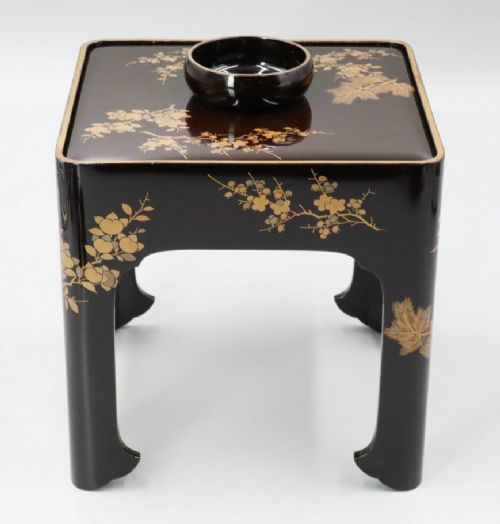
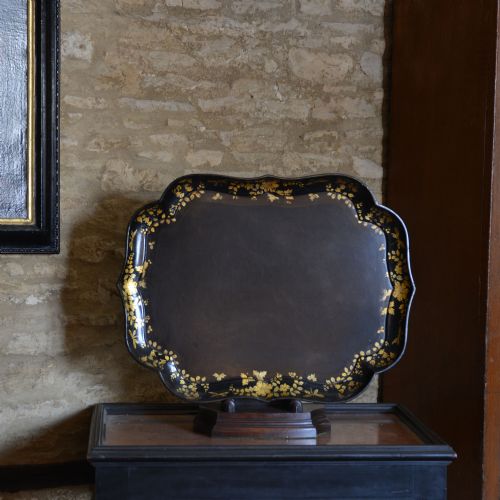
Buyers frequently encounter nineteenth-century English papier-mâché trays alongside Japanese Meiji and Taisho period lacquerware. Many pieces cross the boundary between serving accessories and low furniture through the addition of bespoke stands.
How they were made
Makers formed the rigid bases of English pieces using layered paper pulp and glue, known as papier-mâché, pressed in moulds and baked until hard before receiving multiple coats of dark lacquer. Japanese artisans applied successive layers of natural sap onto wooden foundations, sanding each coat meticulously to create a durable, smooth finish.
Surface ornamentation relied on applied gold leaf, metallic paint, and hand-painted pigments, sometimes combined with inlaid mother of pearl details. Workshops sealed these intricate designs beneath protective transparent lacquer coatings to ensure longevity.
Listings feature papier-mâché, wood, brass, and gilt materials across nineteenth-century and early twentieth-century periods.
What varies in quality
Quality rests in the precision of the hand-painted detailing and the depth of the lacquer layers. Master workshops achieved crisp outlines and subtle gradations in the gold leaf, whereas lesser pieces display flat, mechanical application.
The integrity of the underlying papier-mâché or timber foundation dictates structural endurance. Superior examples retain their original surface sheen and exhibit minimal craquelure or losses across the decorated fields.
Jennens & Bettridge·Clay·Heian Zohiko
The Gold Lacquer Tray Glossary
- Papier-mâché
- A composite material made from paper pulp or reinforced paper sheets mixed with glue, then moulded and dried to form a rigid base for lacquer. It provided a lightweight alternative to solid timber for large serving trays.
- Meiji
- Japanese historical period spanning from eighteen sixty-eight to nineteen twelve, characterised by opening trade with Western markets. Lacquerware from this era often combines traditional techniques with export-focused decorative ambition.
- Taisho
- Japanese historical period lasting from nineteen twelve to nineteen twenty-six, following the Meiji era. Pieces from this time maintain high standards of black and gold lacquer craftsmanship.
- Toleware
- Painted or lacquered metalware produced in England and Europe during the eighteenth and nineteenth centuries. It shares decorative vocabularies with contemporaneous papier-mâché items.
Gold Lacquer Tray: Frequently Asked Questions
How do I use a tray table?
A tray table combines a portable lacquer tray with a folding or fixed wooden stand, serving as a flexible surface for drinks or display.
Lift the tray off its base when you need to carry items, then return it to the stand to use the assembly as an occasional coffee table.
How do I clean lacquer?
Dust surfaces gently using a soft, dry microfiber cloth to prevent scratching the delicate gold leaf and varnish layers.
Avoid chemical cleaners, abrasive pads, and excessive moisture, which can penetrate hairline cracks and damage the underlying papier-mâché or wood.
Are these trays waterproof?
Traditional lacquer finishes resist light moisture and spills due to their sealed resin and varnish composition.
Do not submerge these items in water or leave standing liquids on the surface, as prolonged dampness degrades the historic finish.
How do I distinguish English from Japanese pieces?
English trays typically utilise moulded papier-mâché with black japanned grounds and painted Chinoiserie scenes, frequently bearing maker stamps on the reverse.
Japanese examples rely on wooden cores treated with sap lacquer, showcasing distinct pictorial traditions like Meiji or Taisho landscapes and flora.