
Gold Gilt Pier Table
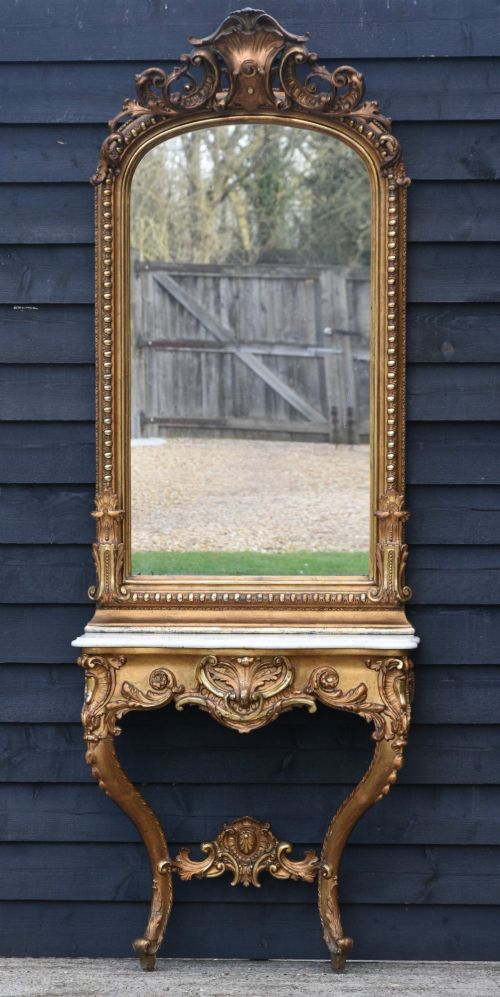
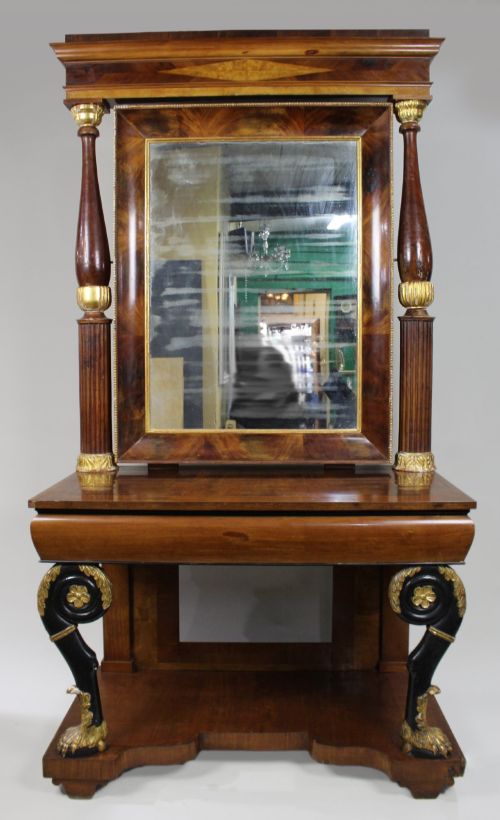
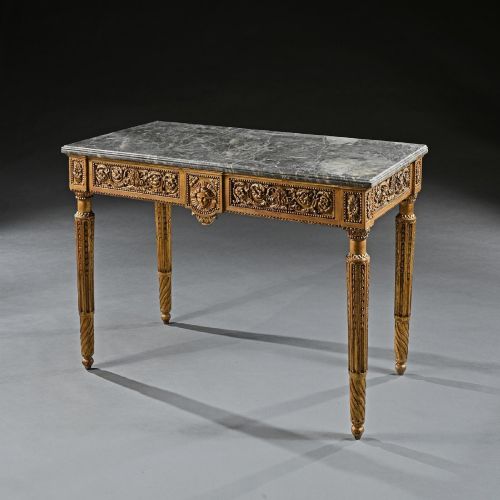
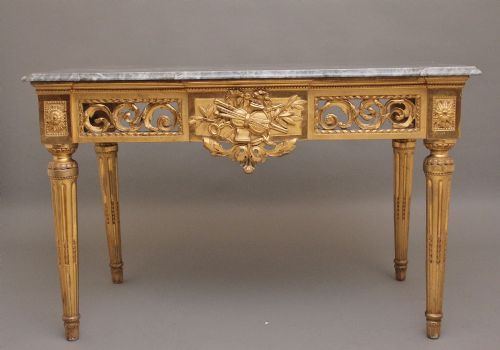
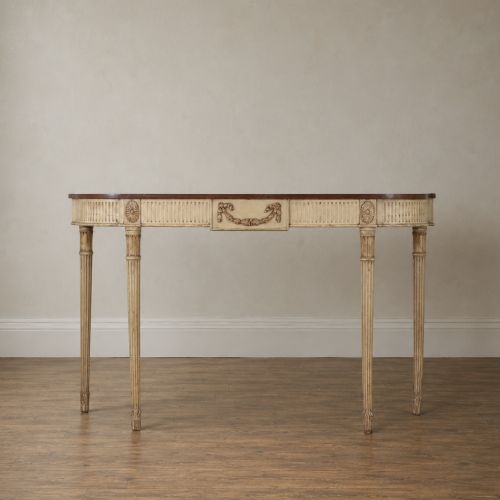
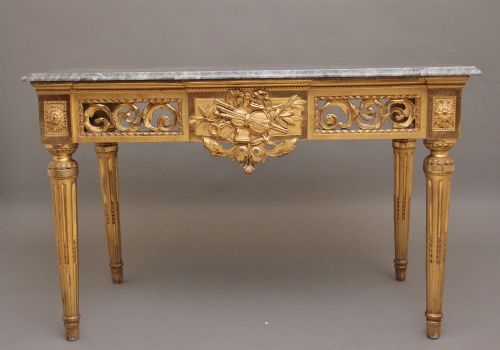
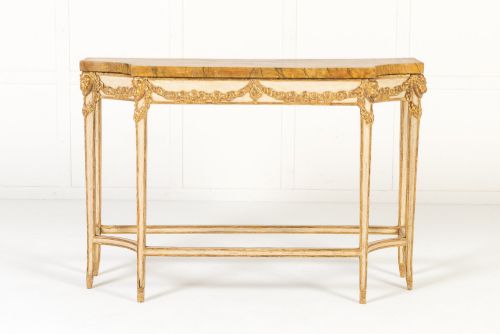
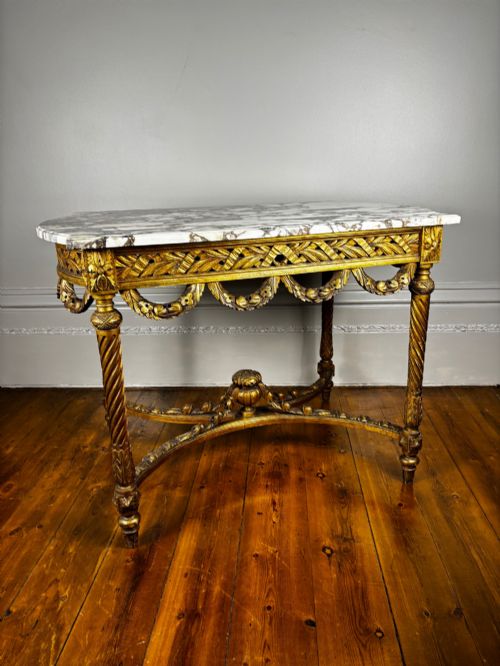
A gold gilt pier table brings neoclassical and rococo elegance to a room, designed to stand flat against a wall beneath a matching mirror.
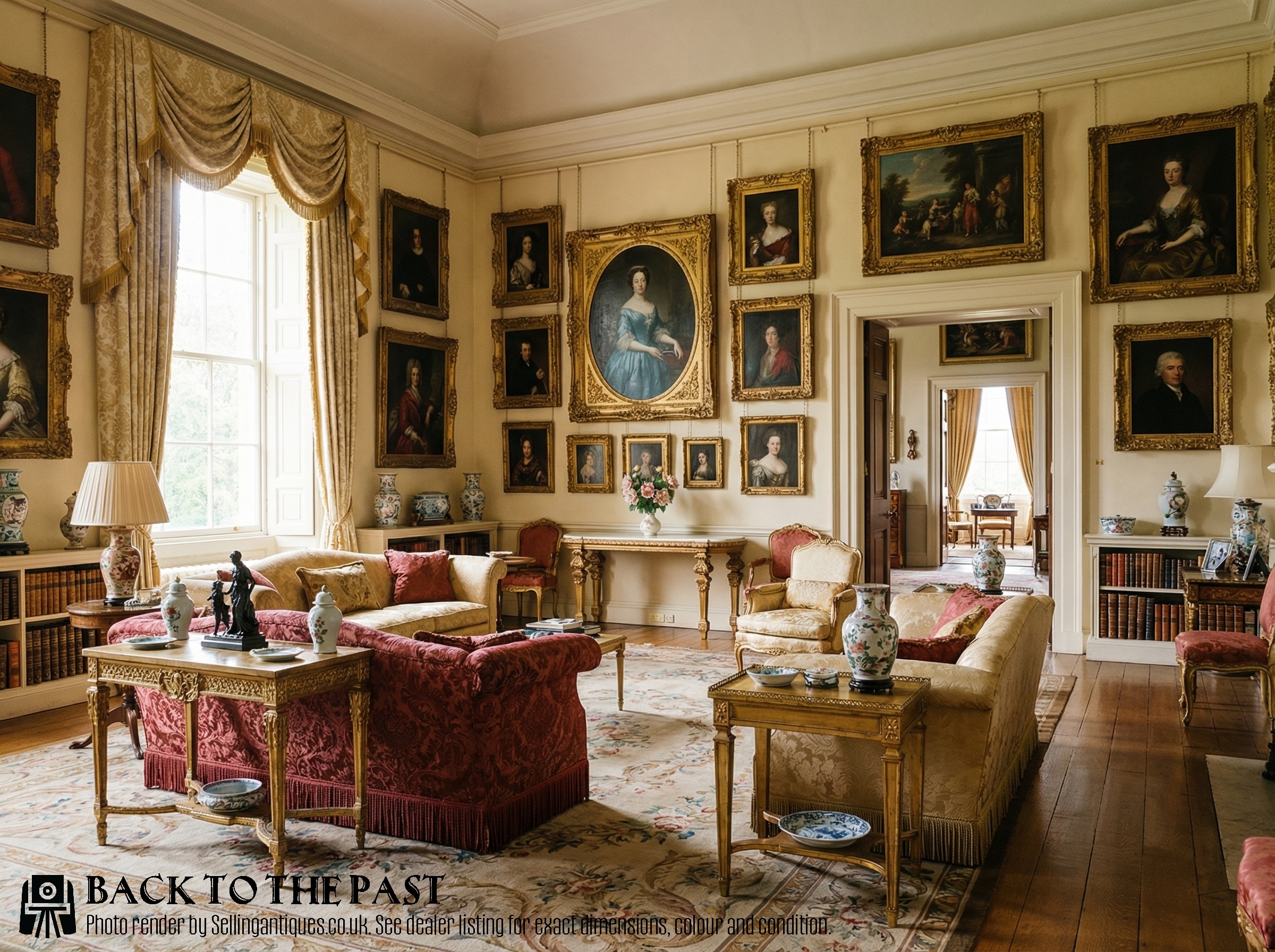
Gold Gilt Pier Table
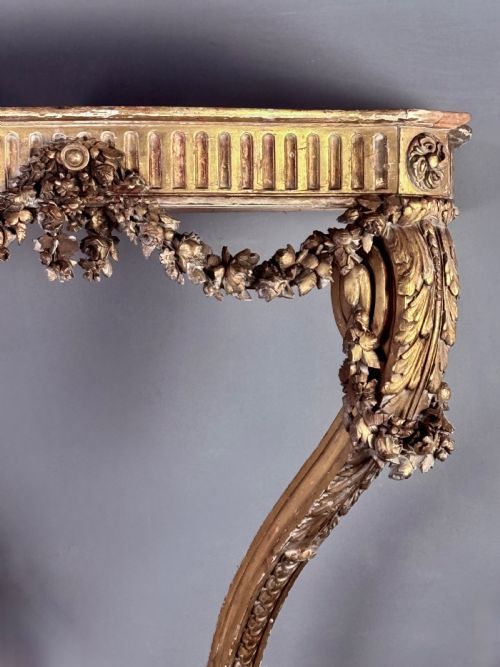
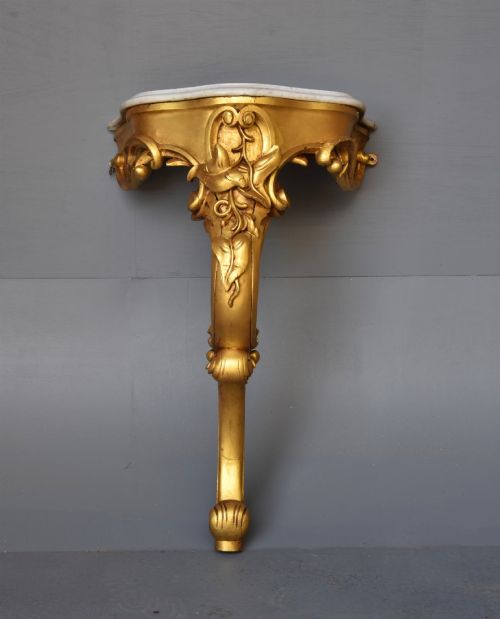
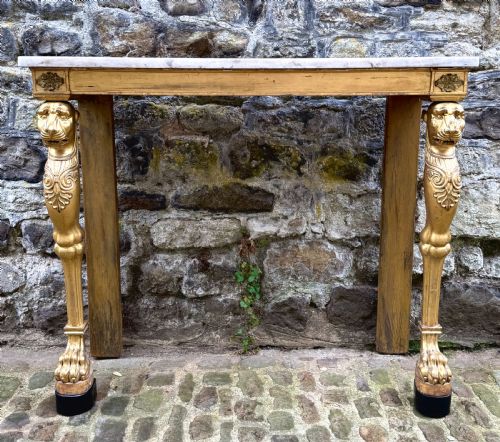
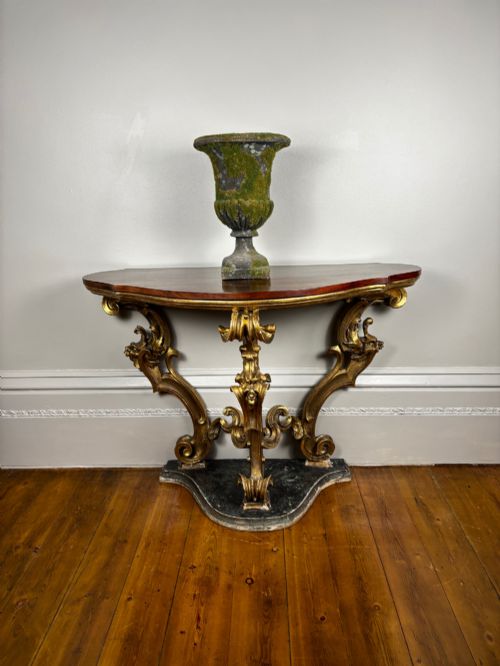
When you search for a gold gilt pier table, you are looking at grand wall-mounted or console supports designed for formal reception rooms, frequently paired with matching pier mirrors. These tables span from the eighteenth century through the nineteenth century and into the early twentieth century, taking forms such as console tables, side tables, and demi-lune shapes.
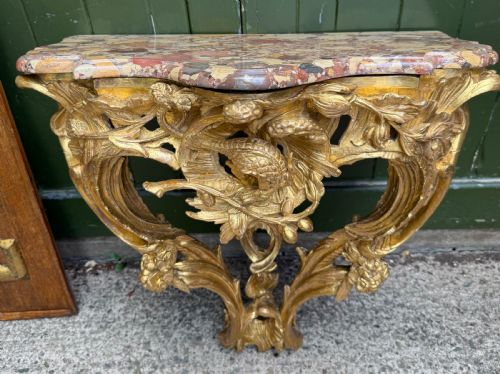
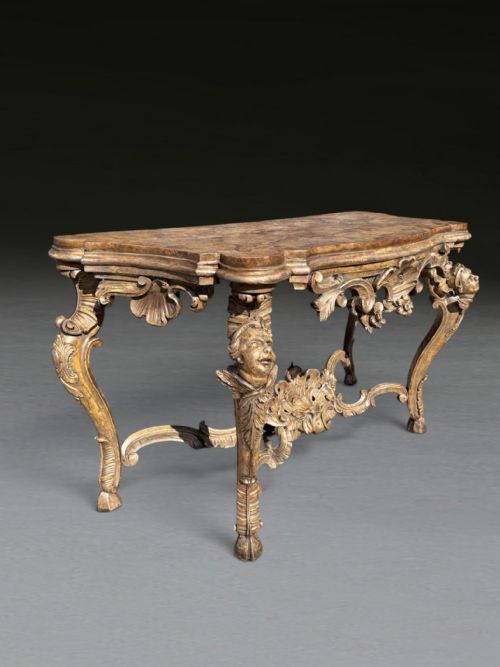
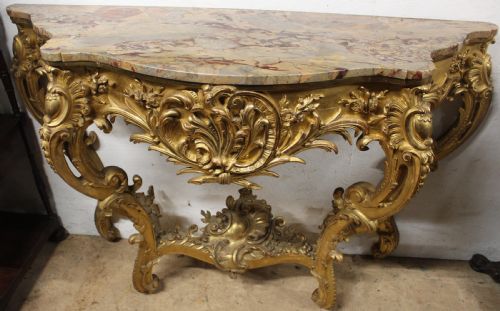
The most common examples you will meet on this page originate from Italy, France, and England, reflecting Italian and French revivals of the rococo and neoclassical styles. Makers built these pieces to sit snugly against the architecture of a room, often featuring serpentine outlines and substantial marble tops.
Originating in periods like the regency and Victorian eras, these tables served both decorative and architectural functions in period homes. They anchor large wall spaces, particularly when combined with matching glass and gilt frames.
Materials and construction
Craftsmen shaped these tables primarily from carved wood, applying layers of gesso to create smooth surfaces for gold leaf and paint. Giltwood and parcel gilt finishes provide the characteristic metallic lustre seen across the pieces.
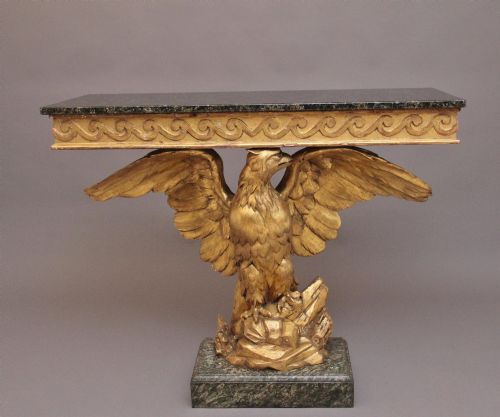
Listings feature marble tops in white Carrara, breccia, and rouge varieties paired with giltwood and painted wood bases.
Distinctions in quality
The depth and definition of the wood carving separate standard items from superior works, particularly in the rendering of rococo scrolls, foliage, and figural supports. Crisp detailing in the gesso before gilding allows the gold leaf to catch the light sharply.
The choice and thickness of the marble top also indicate the standard of the piece, with figured stones like breccia d'alep adding substantial weight and visual richness.
Felix-Alfred Ternisien
The Gold Gilt Pier Table Glossary
- Giltwood
- Wood that has been coated with gold leaf or gold paint over a prepared gesso ground. This finish provides the bright metallic appearance characteristic of these tables.
- Pier table
- A table specifically designed to stand against the wall between two windows, often placed directly beneath a tall pier mirror. These tables anchor architectural wall spaces.
- Gesso
- A plaster-like mixture applied to wood surfaces to create a smooth base for carving and gilding. It allows craftsmen to achieve sharp relief details.
- Console table
- A table supported by wall brackets or console legs rather than four independent freestanding legs. They require attachment to a wall for stability.
- Breccia marble
- A type of marble composed of broken fragments cemented together by a fine-grained matrix. It creates a mottled, highly variegated stone top.
Gold Gilt Pier Table: Frequently Asked Questions
Where should I place a pier table?
A gold gilt pier table belongs flat against a wall, traditionally positioned in the space between two windows. Pairing it with a matching wall mirror completes the historical arrangement.
Because these tables often rely on wall support or console brackets rather than four freestanding legs, securing them properly ensures stability in daily use.
How do I care for giltwood?
Giltwood surfaces require gentle dusting with a soft, dry cloth to protect the delicate gold leaf layer. Avoiding moisture and harsh cleaning products preserves the underlying gesso and metal.
Keeping the table away from direct heat sources prevents the wood from expanding and cracking the finished surface.
What is a console table and mirror set?
A console table and mirror set combines a wall-mounted table with a matching tall mirror designed to hang directly above it. This pairing creates a unified decorative scheme for formal rooms.
The matching gilt frames and carved motifs connect the table base visually to the glass above.
How do I distinguish nineteenth-century pieces from eighteenth-century originals?
Eighteenth-century examples often display deeper hand-carved detailing in the naturalistic rococo or neoclassical styles, using period-specific joinery. Nineteenth-century and later revival pieces frequently incorporate heavier Victorian or Edwardian interpretations of those earlier designs.
Examining the construction methods and the wear on the gesso layer helps reveal the true age of the wooden base.