
Marble Topped Pier Table
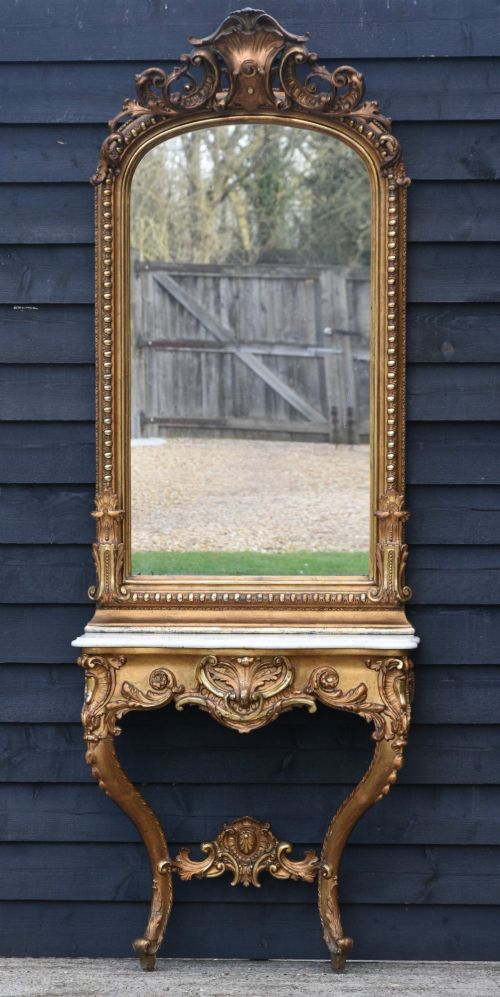
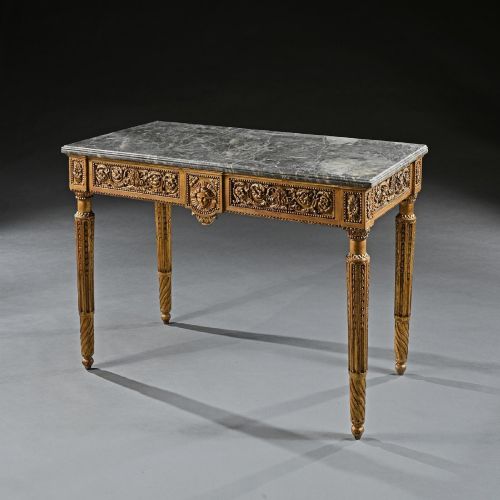
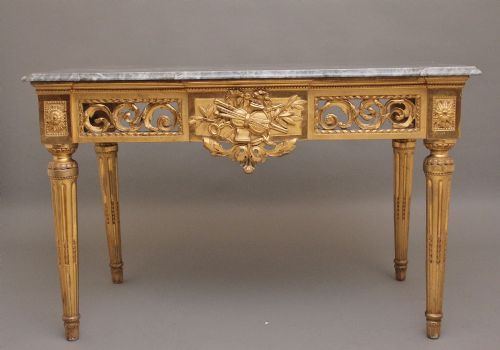
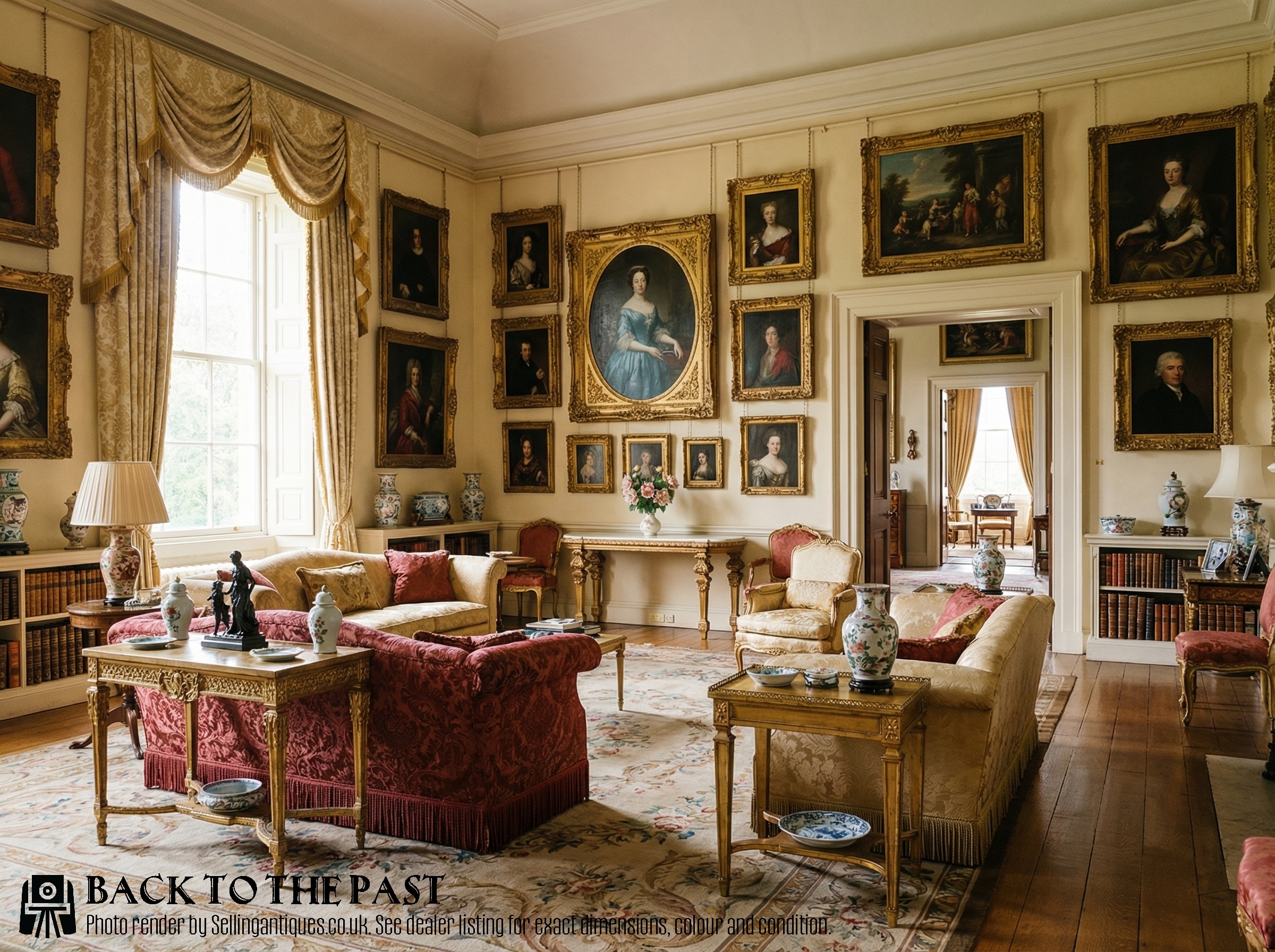
A marble topped pier table anchors a hallway or drawing room with stone and timber.
Marble Topped Pier Table
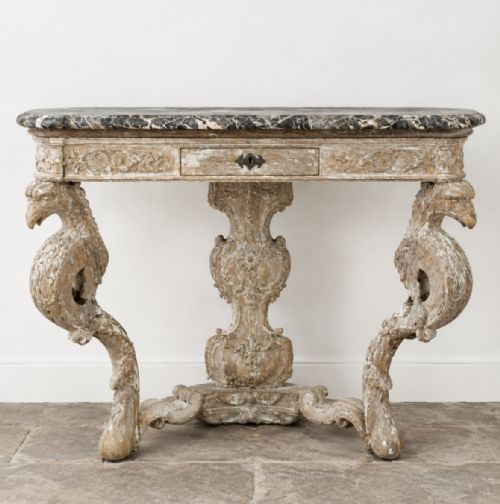
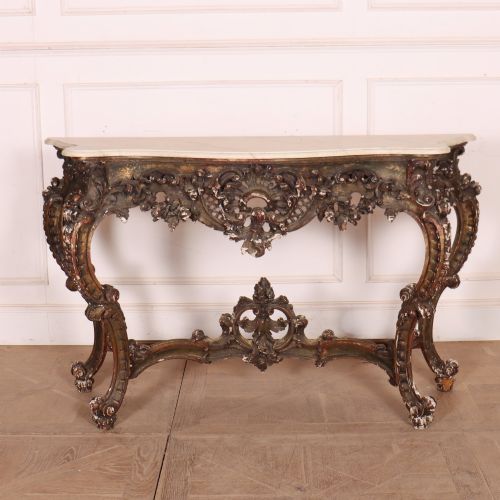
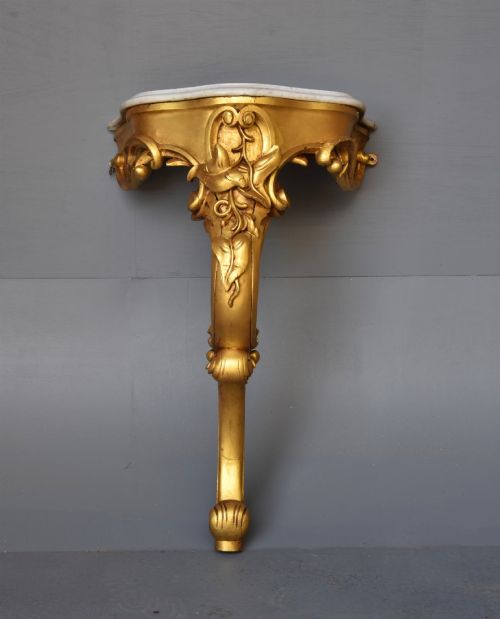
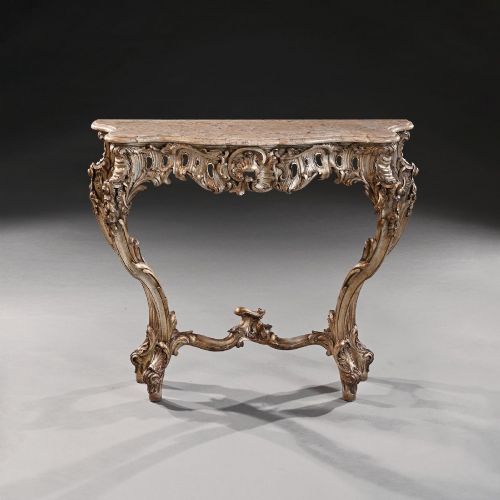
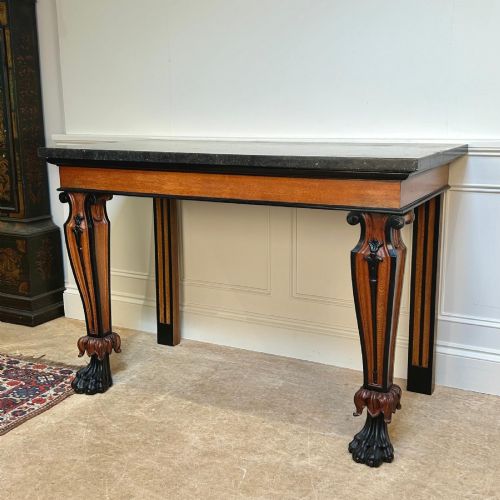
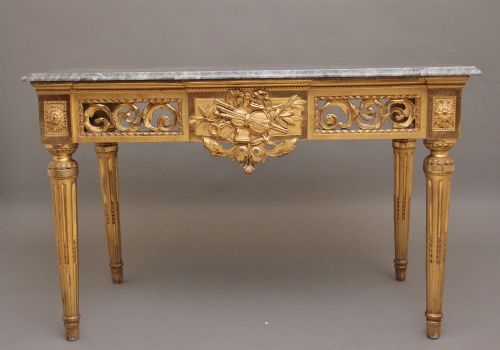
When you search for a marble topped pier table, you encounter console and side tables designed to stand against a wall, frequently beneath a mirror. The selections span from the eighteenth century through the nineteenth and into the early twentieth century, drawing on French, Italian, Regency, and English traditions.
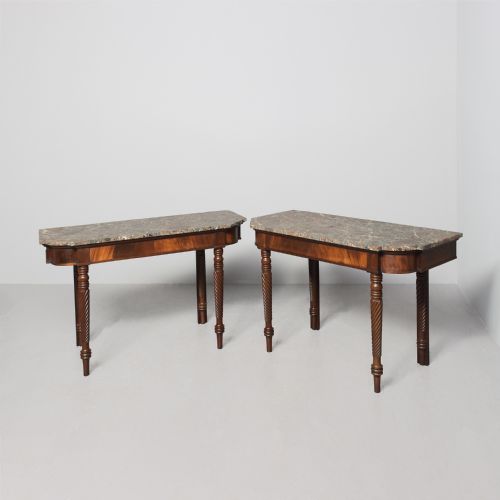
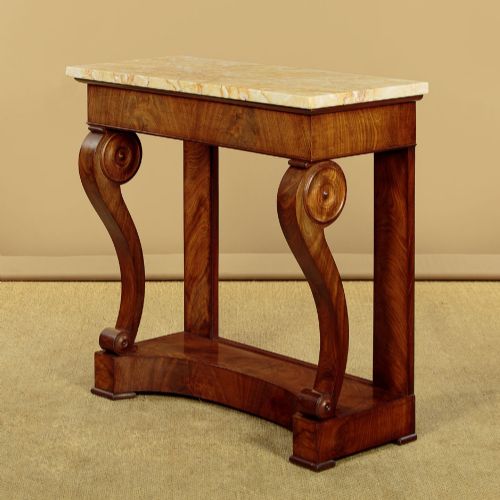
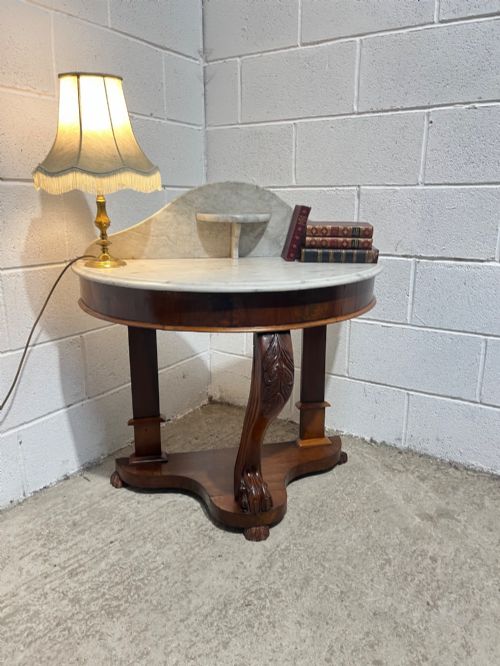
Most examples you meet on this page date from the nineteenth century, including French Empire, Louis style revivals, and Victorian interpretations in mahogany, giltwood, and wrought iron. Eighteenth-century Italian and Gustavian pieces also appear, alongside robust Regency oak and rosewood designs.
Materials and Construction
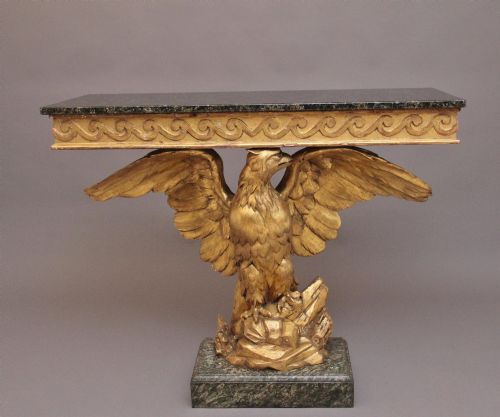
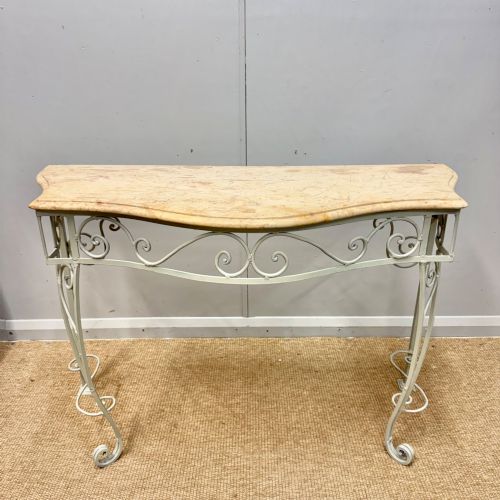
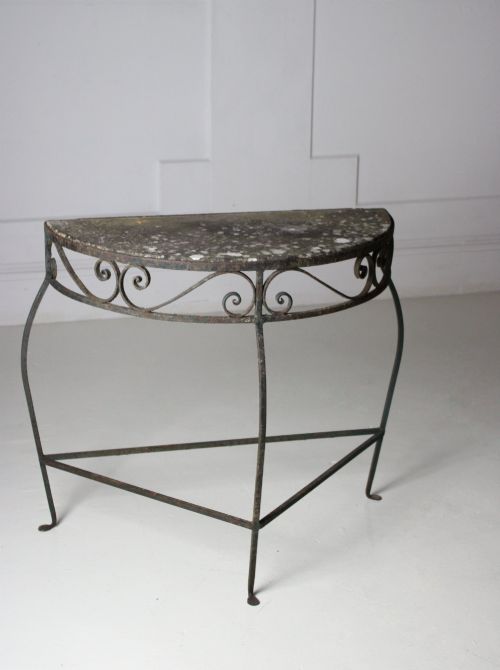
The construction relies on heavy timber frames of mahogany, oak, walnut, or rosewood, frequently paired with carved giltwood, gesso, or painted finishes. Wrought iron forms alternative structural supports for continental country pieces.
Slab tops of figured marble, such as breche d'alep, sit directly upon the timber base or within moulded wooden surrounds, sometimes accompanied by brass mounts, glass mirror backs, and gold leaf highlights.
Listings feature marble, giltwood, mahogany, brass, gesso, and glass across French Empire, Neoclassical, Regency, and Victorian styles.
Assessing Craftsmanship
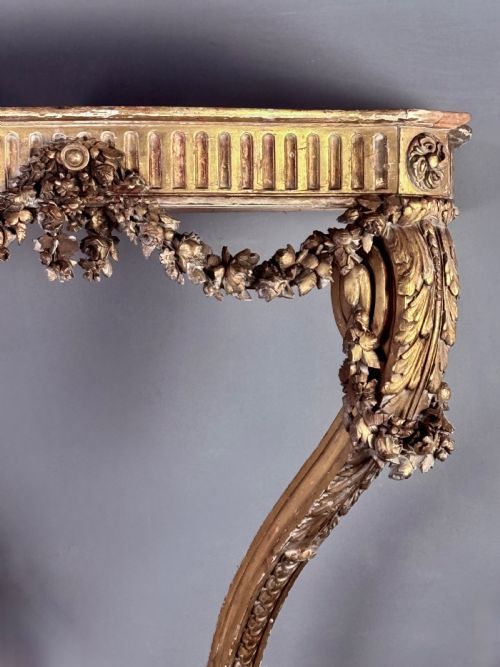
Distinctions in quality emerge in the depth and crispness of the carving on giltwood frames, where hand-tooled gesso and gold leaf display sharper detail than later cast ornaments. Timber selection also dictates standard, with figured mahogany and dense rosewood marking out superior workshop production.
The weight and selection of the marble top influence the piece, particularly where figured stones show deliberate matching or substantial thickness. Stamped maker signatures on the structural chassis further separate standard production from high Parisian cabinet-making.
Krieger Paris
The Marble Topped Pier Table Glossary
- Pier table
- A side table designed to stand against the wall between two windows, typically positioned beneath a pier mirror.
- Giltwood
- Timber, usually lime or pine, coated with gesso and gold leaf to create a metallic decorative surface.
- Console table
- A table fixed to a wall or supported by front legs, functioning as a decorative support for objects.
- Breche d'alep
- A type of quarried marble known for its distinctive mixed brecciated pattern of warm tones.
- Gesso
- A plaster mixture applied to wood frames as a smooth preparation base for gilding.
Marble Topped Pier Table: Frequently Asked Questions
Where should I place a pier table?
These tables suit hallways, drawing rooms, or entryways where floor space is shallow against a wall.
They pair well beneath large wall mirrors or paintings, providing a surface for decorative objects without blocking movement.
How do I care for the marble top?
Clean the stone surface with a damp cloth and mild soap, avoiding acidic substances that can etch the polish.
Wax the timber base periodically according to the wood type while keeping moisture away from the stone joints.
Are these tables designed to be freestanding?
Console tables often require attachment to the wall for complete stability due to their narrow footprint and heavy stone tops.
Some heavier side tables stand independently, but wall anchoring remains common for taller or giltwood examples.
How can I tell an eighteenth-century table from a nineteenth-century revival?
Examine the timber shrinkage, joinery marks, and the tool work beneath the gilt or paint layers for signs of age.
Revival pieces from later periods often utilise machine-sawn timber elements and brighter, uniform gilding techniques.