
Gold Gilt Overmantel
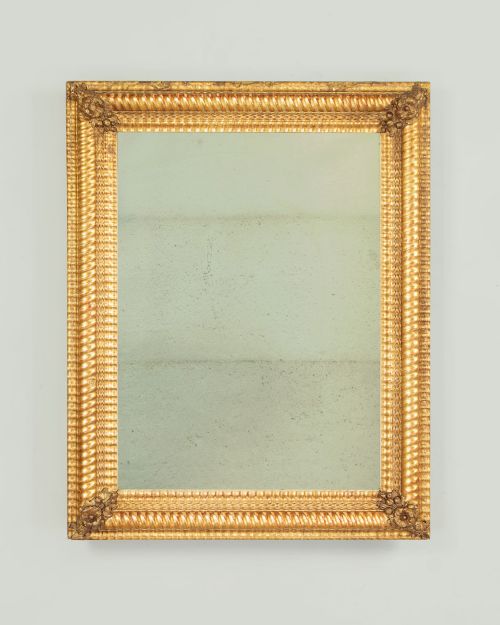
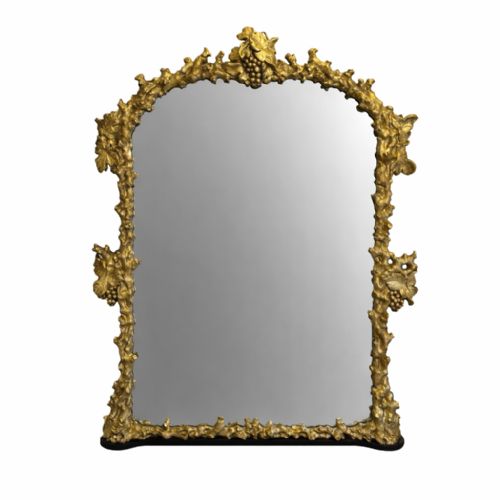
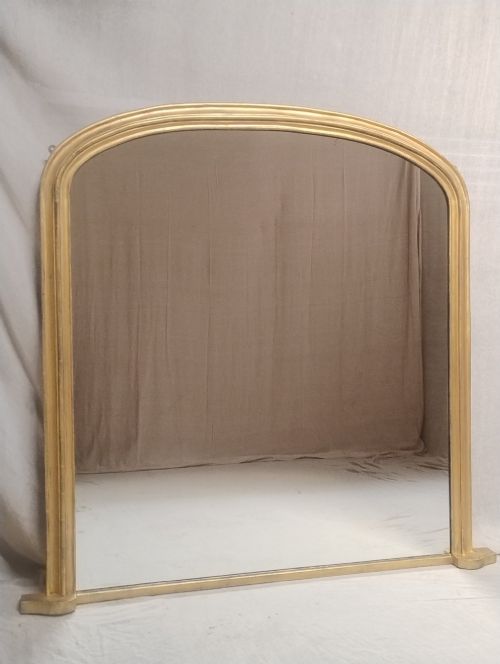
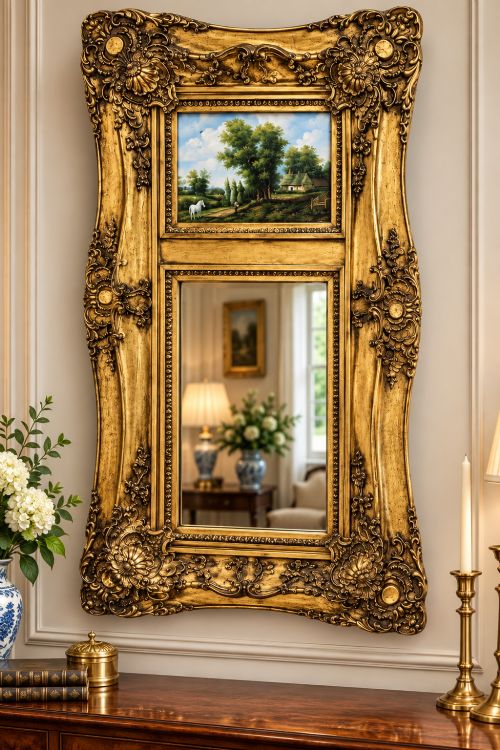
A gold gilt overmantel brings historical presence and reflected light into a room, framed in ornate gilded timber that anchors a fireplace.
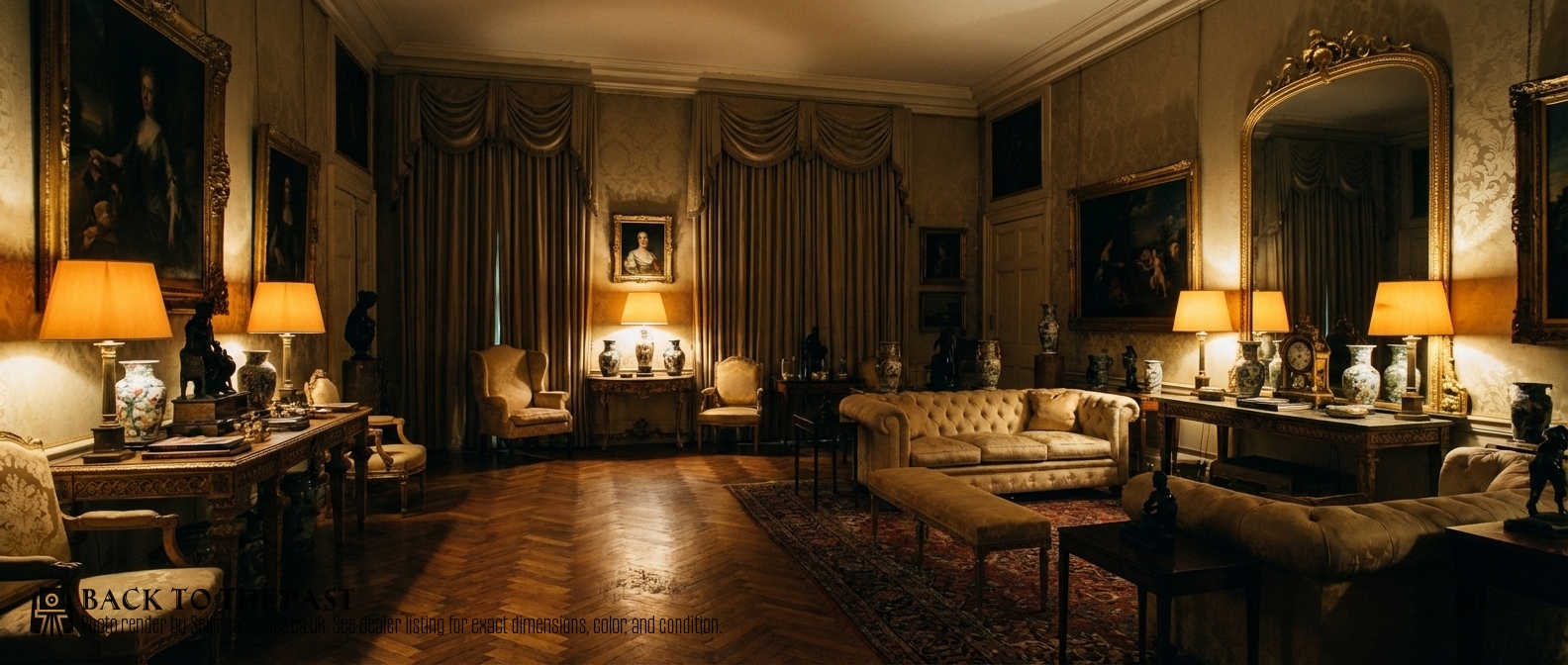
Gold Gilt Overmantel
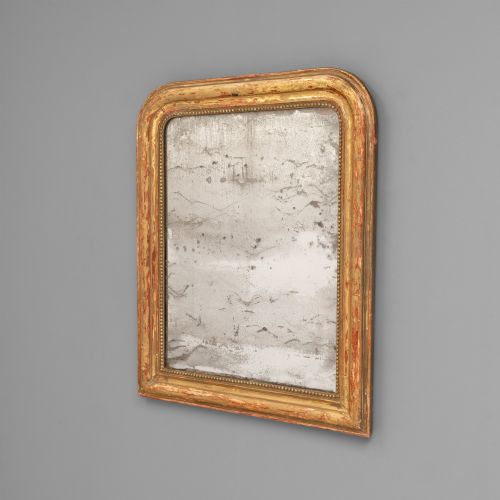
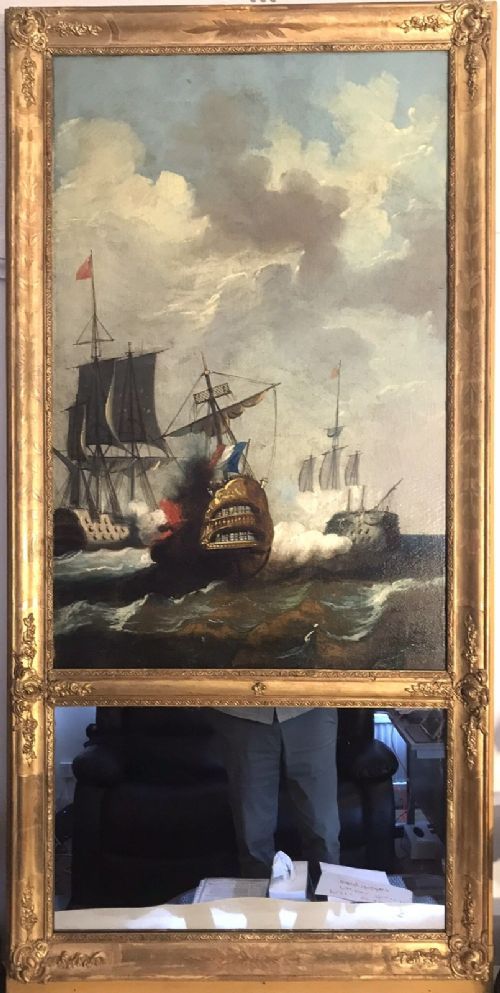
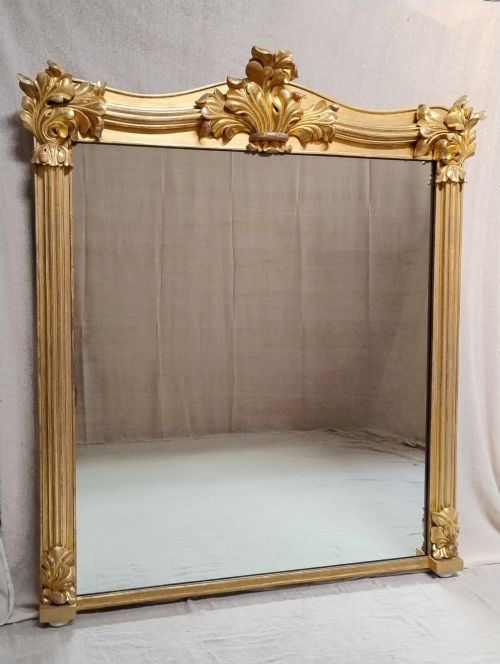
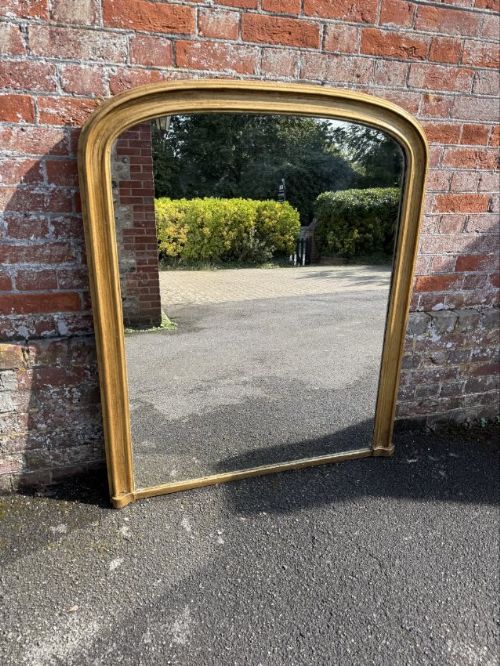
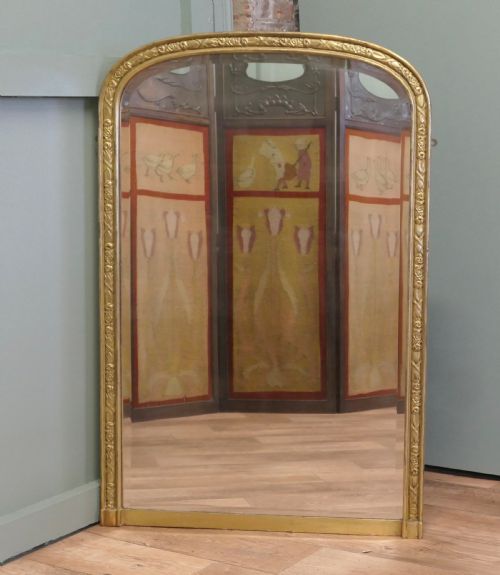
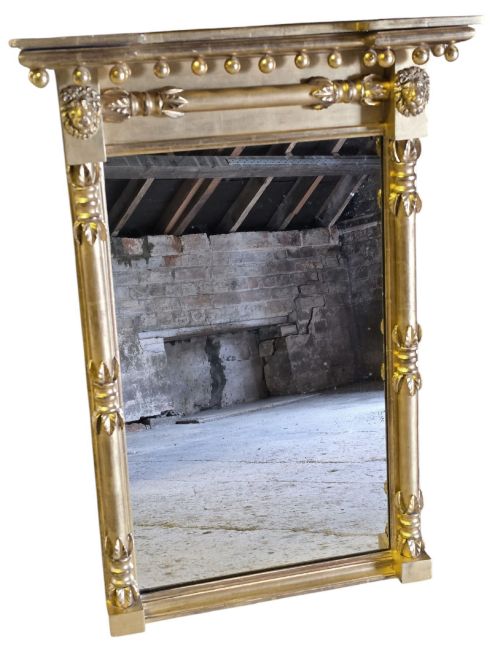
When searching for a gold gilt overmantel, buyers encounter large wall-hanging glasses designed to sit directly above a fireplace mantel. The versions met most often on this page span the nineteenth century, including Victorian, Regency, and French Louis Philippe periods.
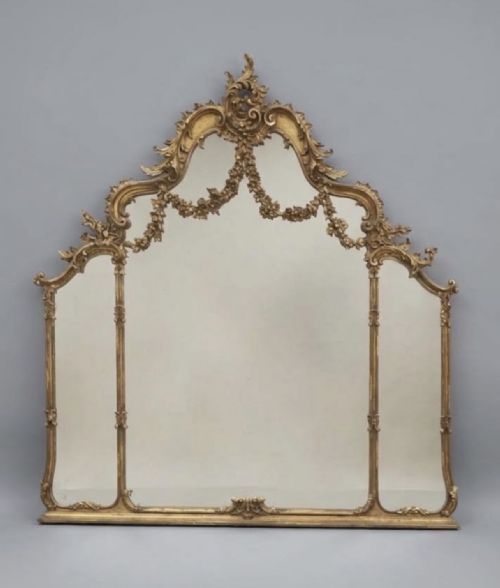
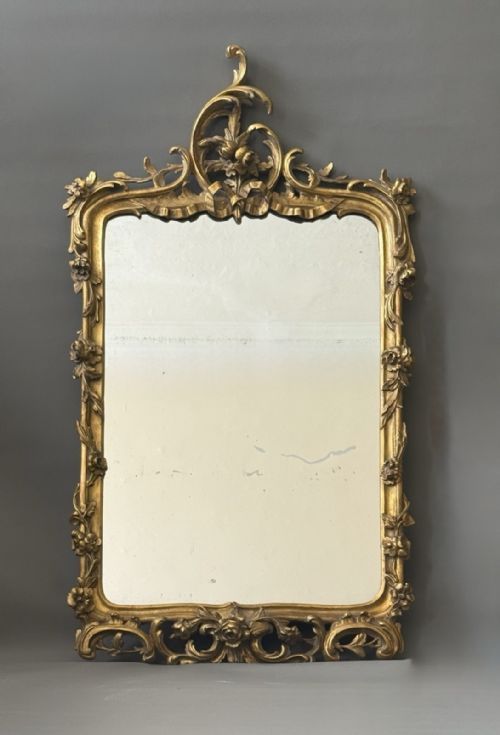
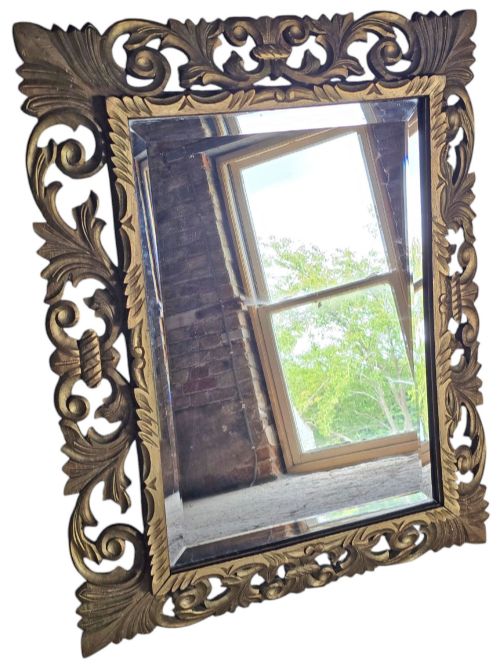
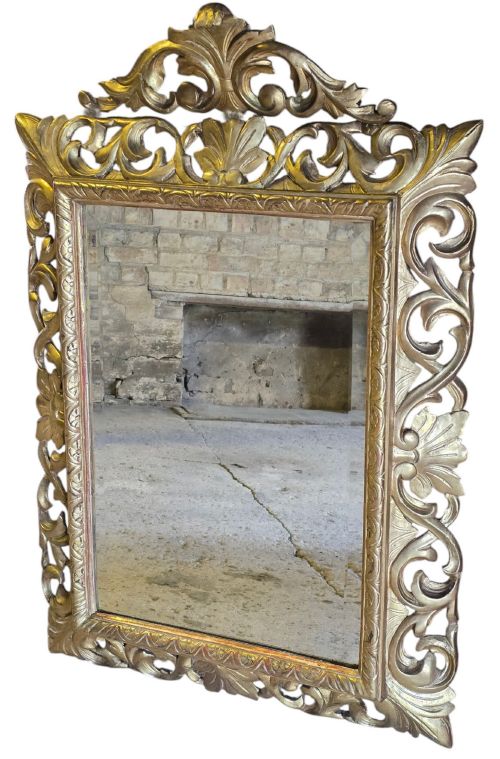
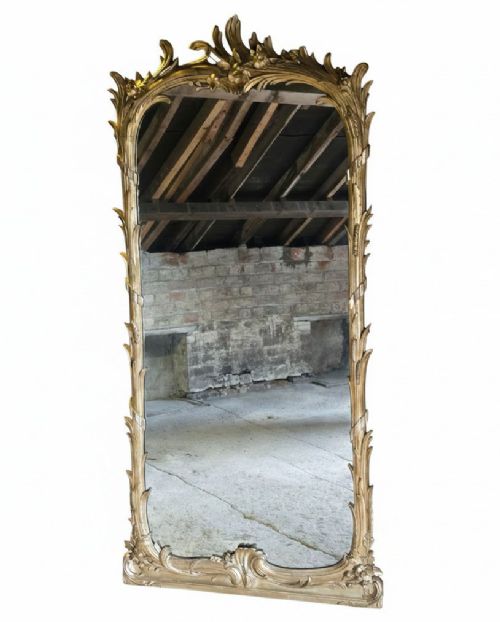
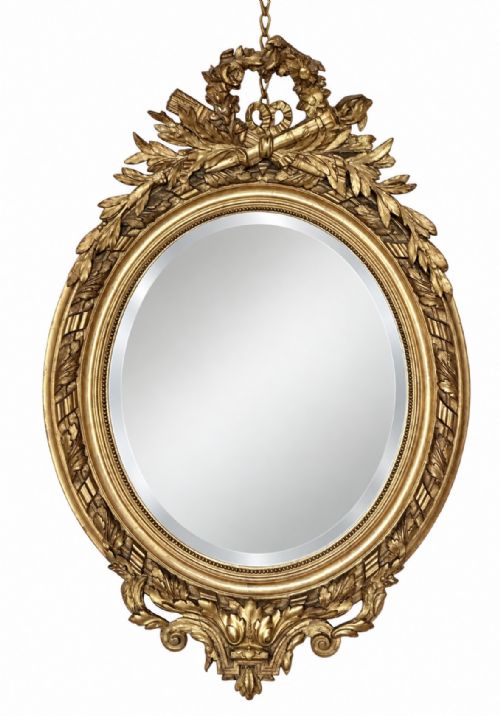
Forms range from arched top and shaped timber frames to rectangular pier mirrors and large decorative statements. Makers produced these pieces in English and French workshops, utilising carved wood, gesso, and elaborate crests.
Styles extend across Rococo Revival, Florentine, and Chinese Chippendale influences. Many pieces incorporate original or antique mirror plates, offering substantial scale for domestic interiors.
How they were made
Carpenters and carvers shaped wooden frames from timber before applying layers of gesso to build up intricate relief decoration. Artisans then laid gold leaf or gilt over the prepared surfaces to achieve a brilliant metallic sheen.
Makers utilised composition ornament pressed into moulds for repetitive floral and acanthus leaf motifs. Glass plates, including mercury glass varieties, were set into the rabbet and secured from the back.
Listings feature eighteenth and nineteenth-century pieces alongside Regency and Victorian examples, constructed from wood, gesso, and glass.
What varies in quality
The depth and crispness of the hand-carved woodwork distinguish exceptional examples from simpler production. Fine pieces display cleanly modelled gesso ornamentation where scrolls and floral details retain sharp relief.
The integrity of the original gilding and the condition of the glass plate influence the character of the object. Heavier framing timbers and balanced proportions separate monumental statement pieces from standard domestic mirrors.
The Gold Gilt Overmantel Glossary
- Gesso
- A plaster-like mixture applied to wooden frames as a base for gilding. It allows artisans to carve intricate relief details before applying gold leaf.
- Mercury glass
- A type of silvered glass produced by pouring a liquid mercury amalgam between double-walled blown glass. Over time, it develops characteristic foxing and dark spots.
- Giltwood
- Timber that has been coated with gold leaf or metallic paint. It forms the primary structural and decorative medium for these large mirrors.
- Overmantel
- A large mirror specifically proportioned to hang on the wall above a fireplace mantel. These pieces were traditionally designed to reflect light from the hearth.
Gold Gilt Overmantel: Frequently Asked Questions
Where should an overmantel mirror be hung?
These large mirrors are traditionally positioned directly above a fireplace mantelpiece to anchor the wall space and reflect ambient light.
Because of their substantial weight and height, they require secure fixings anchored directly into structural wall studs or masonry.
How do I identify a nineteenth-century frame?
Nineteenth-century frames typically feature hand-carved wooden construction overlaid with gesso and gold leaf rather than modern synthetic finishes. Examining the backboards, joinery, and the ageing of the mirror plate helps confirm the period.
Stylistic cues such as acanthus leaf decoration, Rococo Revival curves, or Regency proportions also point to nineteenth-century manufacture.
What is foxed mercury glass?
Foxing refers to the mottled, aged spots and discoloration that develop behind the glass plate over many decades. In older pieces, this occurs as the silvering or mercury backing oxidises with age.
Collectors prize genuine foxed glass for the authentic historic character and soft reflection it provides.
Are these mirrors heavy to mount?
Many examples are constructed from solid timber and thick gesso, making them exceptionally heavy pieces of wall furniture. Professional installation using heavy-duty brackets is essential for safe hanging.