
Gold Gilt Bowl
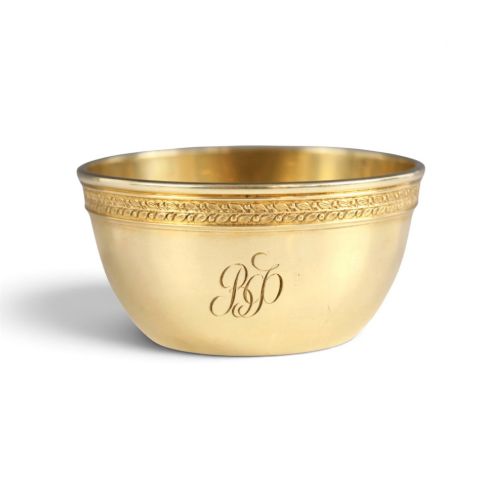
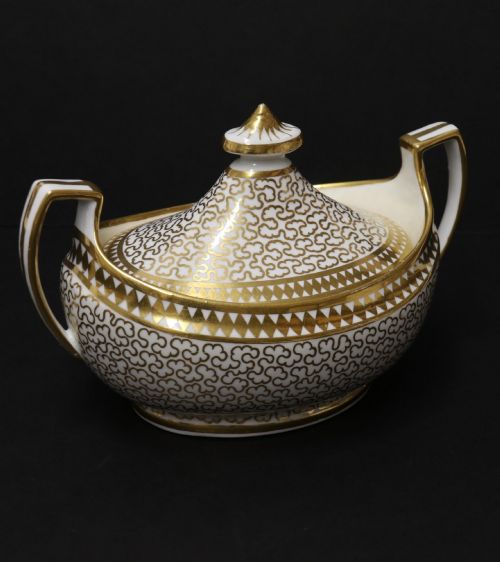
When you search for a gold gilt bowl, you enter a world of reflective metalwork, painted porcelain, and decorative crystal designed to command attention on a dining table or cabinet.
Gold Gilt Bowl
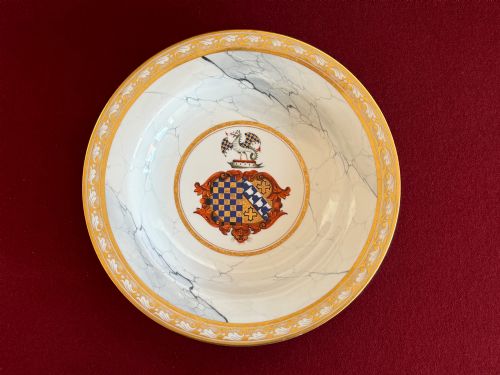
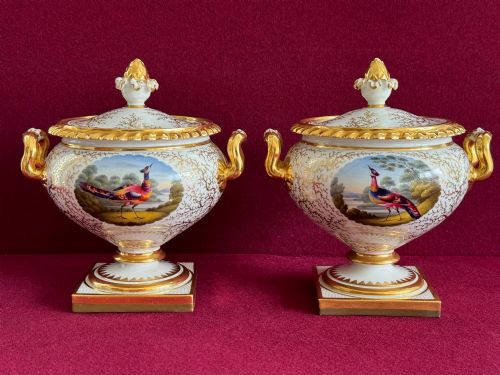
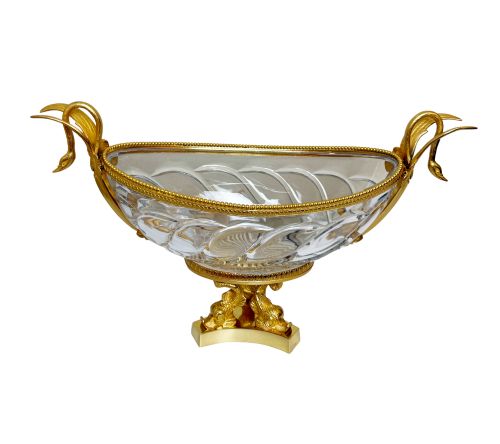
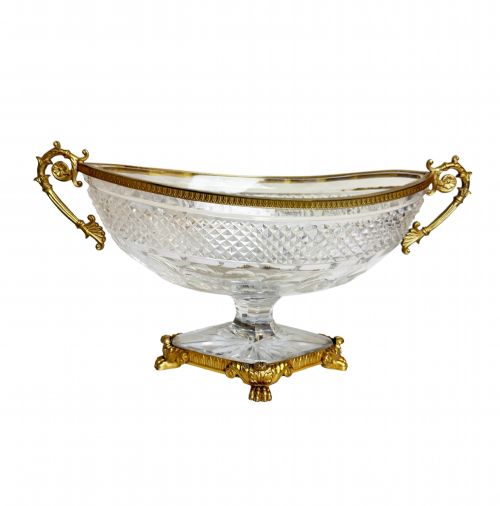
A gold gilt bowl encompasses a diverse selection of decorative vessels, ranging from porcelain cabinet dishes and earthenware to grand crystal centrepieces fitted with heavy mounts. Buyers seeking a gold gilt bowl will find pieces spanning the nineteenth and early twentieth centuries, shaped by Victorian, Regency, and Art Nouveau aesthetics.
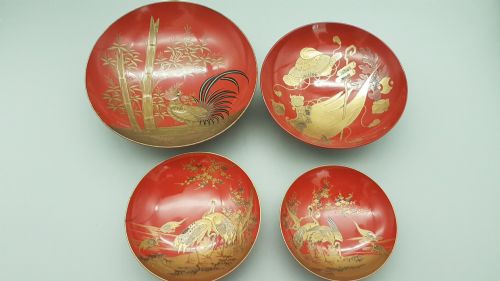
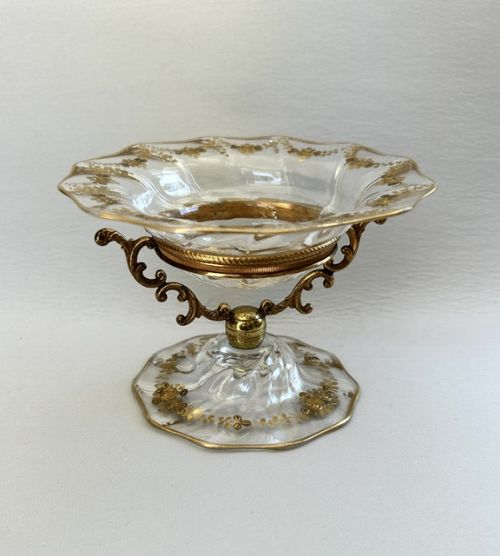
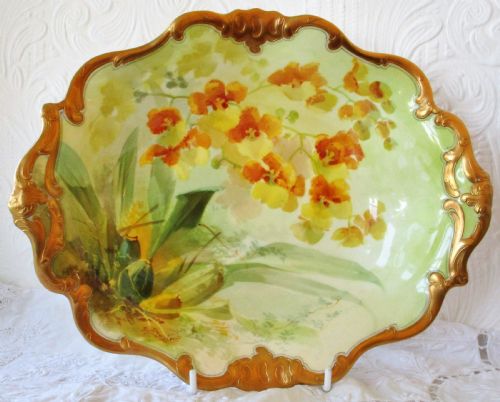
The material evidence demonstrates that these items take the form of tazzas, punch bowls, and footed vessels decorated with gold leaf, ormolu, and intricate enamelling. Many items originate from notable European factories and Japanese workshops, bridging domestic utility and ornamental display.
Materials and Techniques
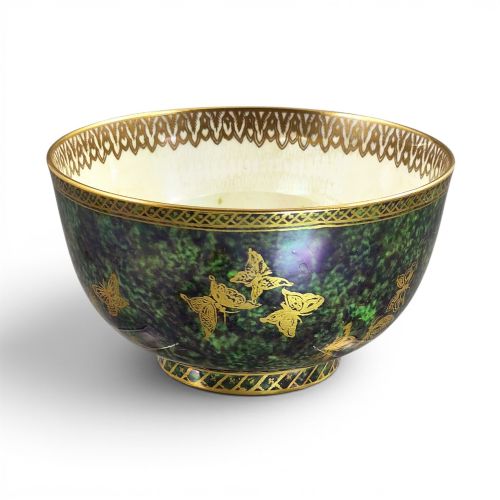
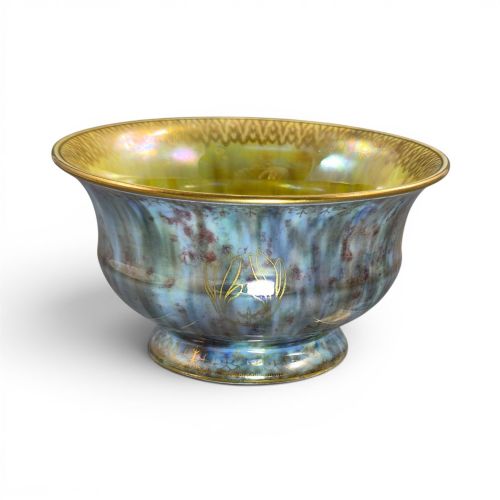
Makers utilised fine porcelain, earthenware, and crystal glass as substrates, often combining them with cast gilt bronze and ormolu frames to add structural weight and visual contrast. Surface decoration relies on applied gold leaf, hand-applied gilding, paste gilt, and champlevé enamel to catch the light across intricate patterns.
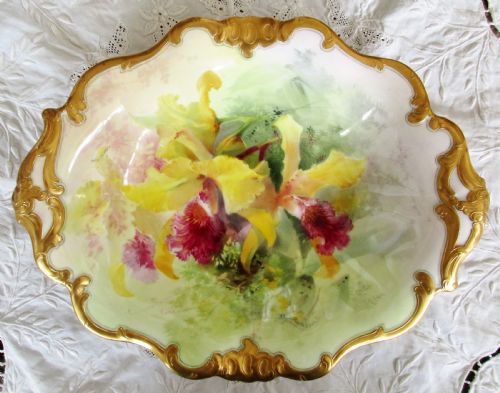
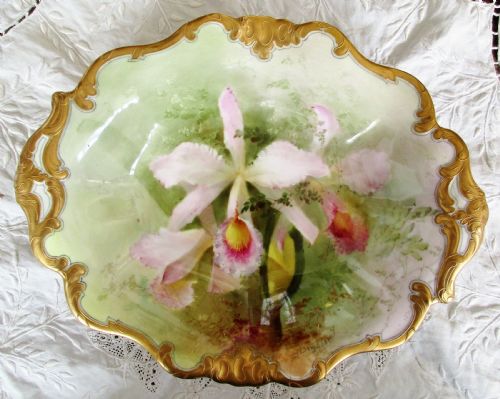
Techniques range from the delicate brushwork of ceramic painters on Worcester and Royal Doulton bodies to the precision casting of bronze mounts found on French Empire and Victorian centrepieces. Japanese Satsuma items employ dense gilt enamelling over crackle-glaze ceramic bases, showing distinct regional craftsmanship.
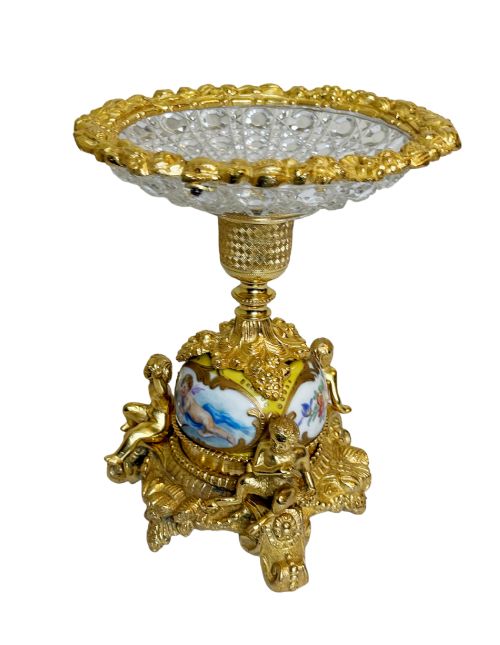
Several Victorian and Edwardian pieces incorporate playful winged cherubs and fierce Taotie masks peering out from the metal mounts.
Distinctions in Execution
Quality rests upon the crispness of the casting in metal mounts and the hand-painted fidelity of the ceramic decoration, where artists such as David Dewsberry or Albert Shuck applied detailed floral and illustrative motifs. Heavier cast bronze frames and uniform gilding separate standard production items from masterworks bearing signatures or factory crests.
The integration between glass or porcelain inserts and their metal frames reveals the ambition of the maker, with superior examples exhibiting secure fitment, intricate cherub or mask detailing, and well-preserved enamel layers across the surface.
Fabergé·Chamberlains Worcester·Royal Doulton·Wedgwood·Meissen·Crown Derby·Doulton Burslem·Royal Worcester
The Gold Gilt Bowl Glossary
- Gilt bronze
- An alloy of copper and zinc finished with a layer of fine gold applied by mercury amalgamation or electroplating. This technique protects the underlying metal while providing a rich golden shine.
- Ormolu
- A term derived from the French for ground gold, describing finely cast bronze furnishings coated in gold leaf or gilt. It appears frequently on nineteenth-century French centrepieces and stands.
- Tazza
- A shallow ornamental bowl raised upon a high foot or pedestal. These vessels are typically displayed on dining tables or cabinets to hold fruit or sweets.
- Champlevé enamel
- A technique where troughs or cells are carved into a metal surface and filled with vitreous enamel powder before firing. The resulting design sits flush with the surrounding metal borders.
- Satsuma ware
- A type of Japanese earthenware featuring a pale, ivory-coloured crackle glaze decorated with elaborate polychrome enamels and raised gold. It became exceptionally popular during the Meiji period.
Gold Gilt Bowl: Frequently Asked Questions
How are gilt bronze centrepieces cleaned?
Maintenance requires only a soft, dry cloth to remove dust from intricate cast details and metal surfaces. Water and chemical cleaners should be avoided to protect the underlying gold leaf and delicate patination.
For glass or porcelain inserts that lift out of their frames, mild soapy water can be utilised separately. The piece must be completely dry before reassembly to prevent moisture trapping against the metal.
What periods do these bowls date from?
The available selection spans primarily from the early nineteenth century through to the early twentieth century. Pieces reflect distinct historical movements including the Georgian, Victorian, Edwardian, and Art Nouveau eras.
Stylistic markers such as neoclassical motifs, French Rococo revival curves, and Japanese Meiji period aesthetics help anchor the date of manufacture. Maker marks and factory stamps further clarify the exact timeframe.
How do I identify Japanese Satsuma bowls?
Satsuma bowls are characterised by their distinctive ivory earthenware body covered in a fine network of transparent glaze cracks. They feature dense, colourful enamel painting accented heavily with raised gold work.
Many examples carry signatures or workshop crests, such as the Shimazu family crest, painted on the underside. These markers help distinguish authentic nineteenth-century Kyoto and Meiji production.
Where were these decorative bowls displayed?
Historically, large centrepieces and tazzas occupied the middle of dining tables during formal meals to hold fruit, flowers, or sweetmeats. Their reflective gilt surfaces caught the flicker of candlelight during evening dining.
Smaller porcelain cabinet dishes and Satsuma bowls were placed within drawing rooms on side tables or enclosed glass cabinets. They functioned as conversation pieces showcasing the wealth and taste of the owner.