


Orange Ceramic Dish
An orange ceramic dish brings vibrant colour and pattern to a room, spanning periods from the eighteenth century to the early twentieth.
Orange Ceramic Dish
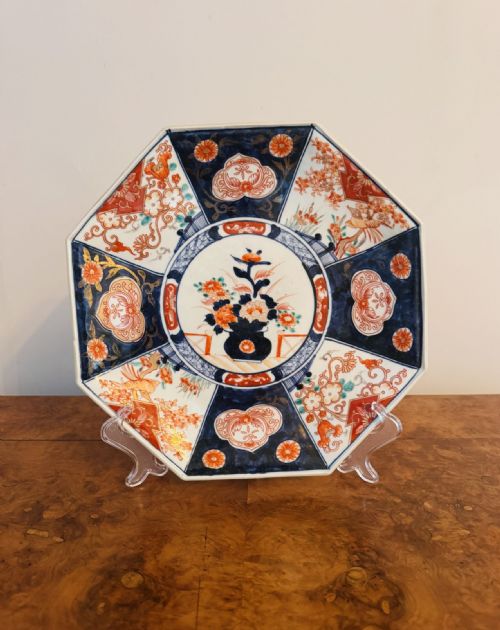
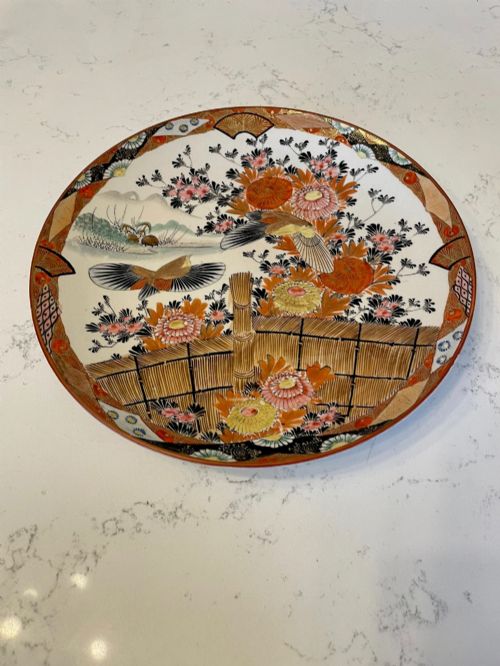
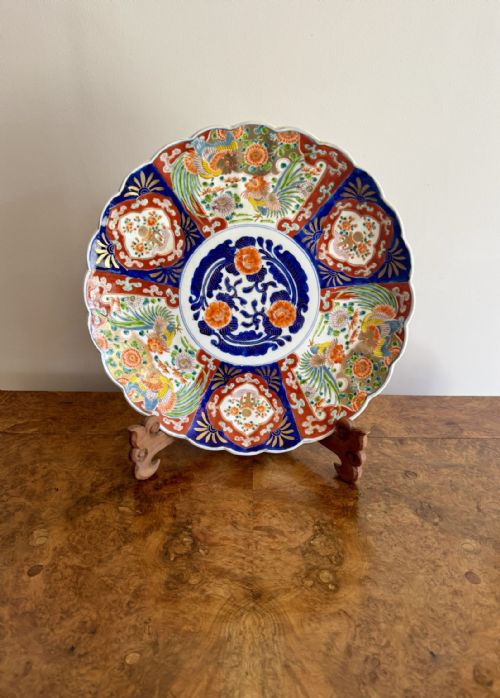
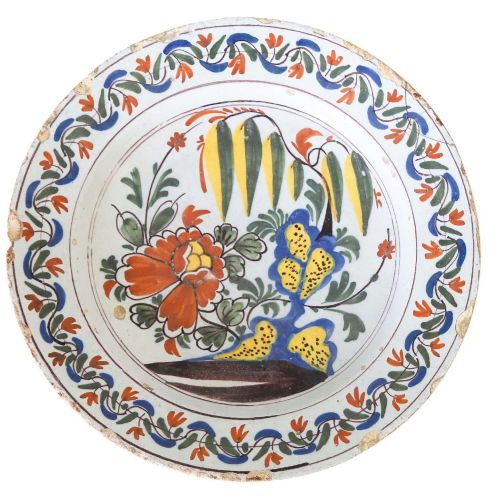
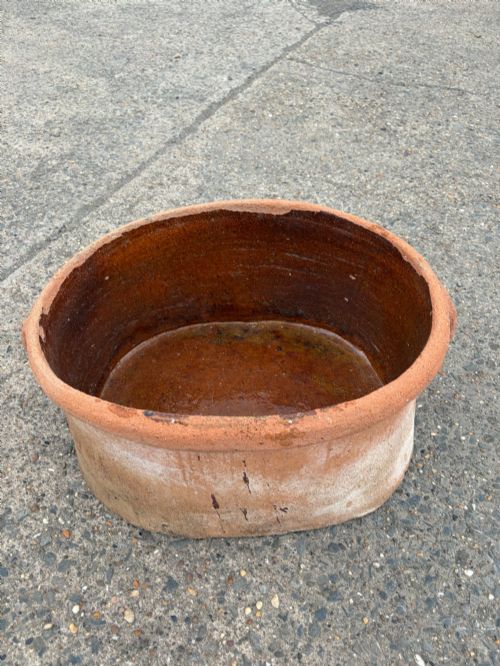
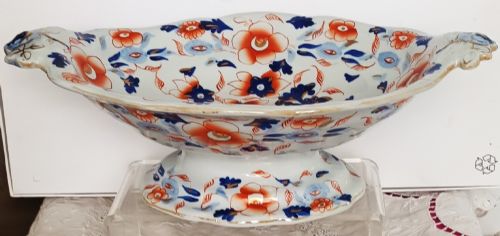
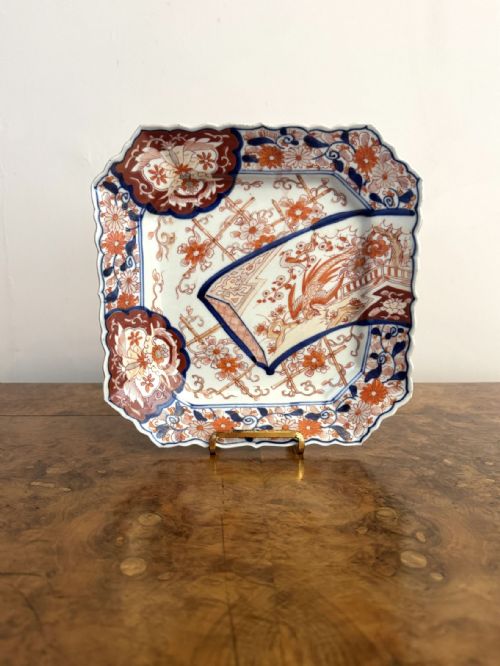
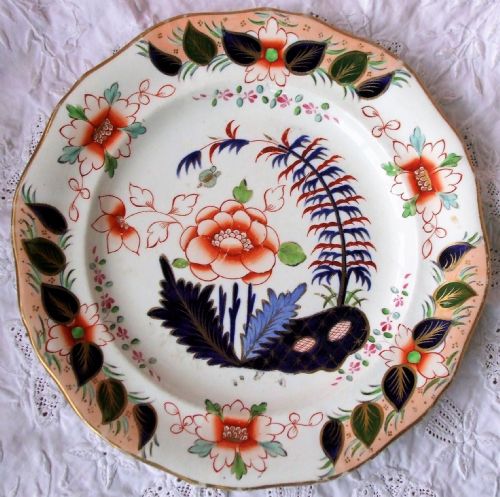
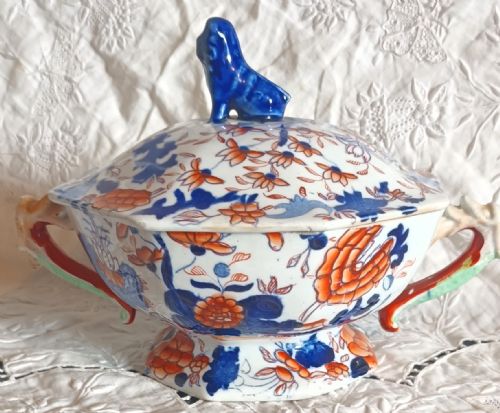
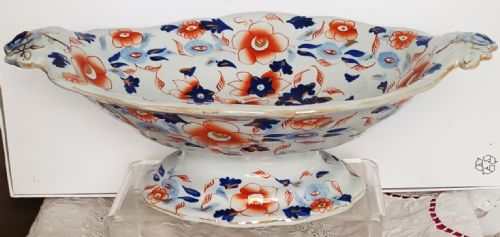
An orange ceramic dish encompasses decorative plates, bowls, chargers, and serving pieces gathered under this search phrase. The selection ranges from eighteenth-century English Delftware and Chinese famille rose dishes to nineteenth-century ironstone and Japanese Imari porcelain.
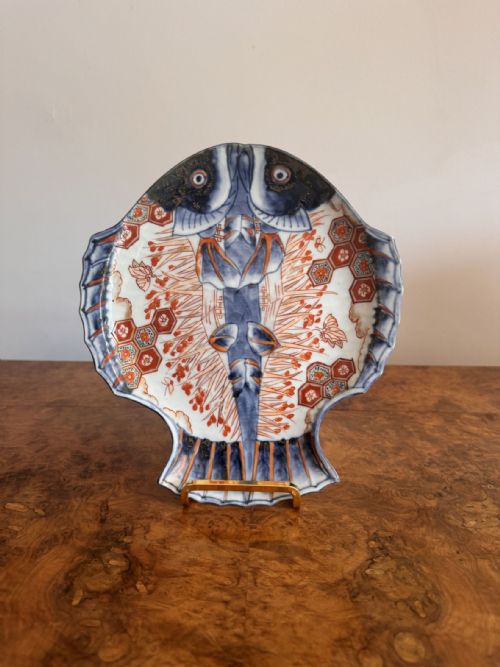
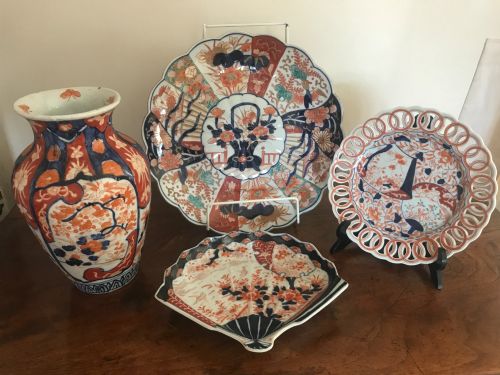
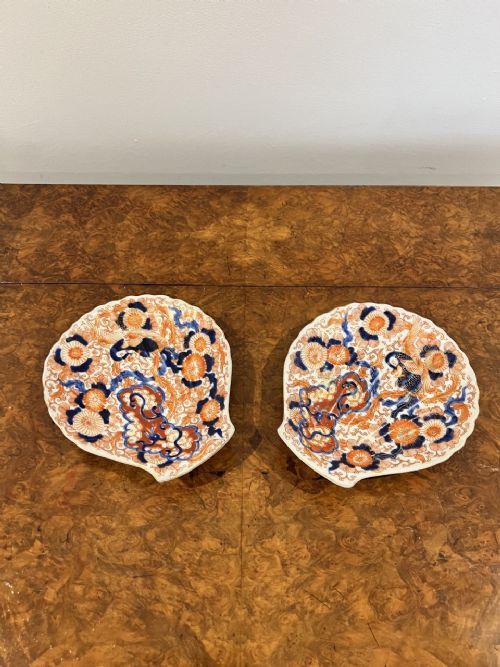
Buyers encounter various forms, including scalloped edges, fish shapes, shell shapes, and large chargers depicting traditional motifs. Pieces stem from English factories, Chinese kilns, and Japanese workshops across multiple historical periods.
How they were made
Potters shaped porcelain, earthenware, terracotta, and ironstone into plates and bowls before applying hand-painted polychrome decoration, glazes, and occasional gilt or gold leaf accents. Firing techniques across English, Chinese, and Japanese traditions fixed the pigments and glazes to the ceramic body.
Specialised forms involved moulding clay into distinct silhouettes like fish, shells, fans, and boats, followed by meticulous hand-painting of floral patterns, dragons, and figures.
Several plates shaped precisely like swimming fish and delicate fans wait to swim onto your dining table.
What varies in quality
Quality rests in the crispness of the hand-painted brushwork, the depth of the glaze, and the precision of the moulding in shaped pieces like shells and fish. Superior examples display finer detail in complex patterns and better preservation of surface enamels and gilding over time.
The sophistication of the design execution and the integrity of the ceramic body distinguish standard production wares from exceptional output by notable makers and periods.
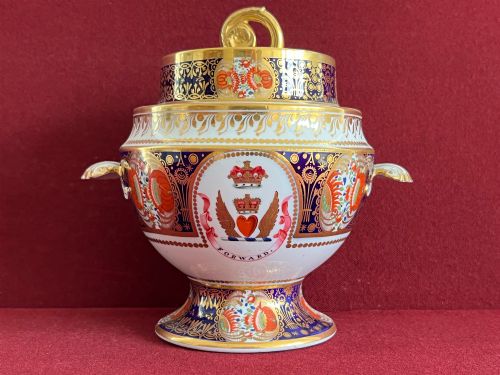
John Davenport of Longport·Mason's Ironstone·Royal Crown Derby·Worcester Flight Barr & Barr
The Orange Ceramic Dish Glossary
- Imari
- A style of Japanese porcelain featuring distinctive cobalt blue, iron red, and gold decoration. These wares were exported widely to Europe from the Edo period onwards.
- Delftware
- Tin-glazed earthenware produced in England and the Netherlands, typically featuring hand-painted polychrome or blue-and-white motifs. The opaque white glaze provides a smooth ground for decoration.
- Ironstone
- A type of durable heavy earthenware patented in the nineteenth century by English manufacturers as a robust alternative to porcelain. It frequently carried colourful transfer-printed or hand-painted patterns.
- Charger
- A large ornamental plate or shallow dish originally used for serving food or displayed upright on sideboards. Many surviving examples served a purely decorative function.
- Comport
- A raised footed dish or bowl used for presenting fruit or sweetmeats at table. These pieces stand on pedestals to create height in table settings.
Orange Ceramic Dish: Frequently Asked Questions
How do I care for an antique ceramic dish?
Wash antique ceramic and porcelain pieces gently by hand in lukewarm water using mild soap, avoiding harsh detergents and automatic dishwashers. Dry them thoroughly with a soft cloth to protect surface enamels and any gilt details.
Display or store the pieces away from direct sunlight and sudden temperature changes to prevent stress on the glaze and ceramic body over time.
Can I use these dishes for food?
Many eighteenth and nineteenth-century ceramic and ironstone dishes were made for domestic dining and serving use. However, antique glazes can be delicate, and some historic pigments may contain materials unsuited for modern consumption.
Assess the condition of the glaze and any prior repairs before using historic tableware for serving food, as most pieces are better suited for display.
How do I distinguish eighteenth-century pieces?
Eighteenth-century pieces typically exhibit characteristic paste compositions, hand-applied tin glazes, or early soft-paste porcelain bodies. Their painting styles reflect the specific palette and brushwork conventions of periods such as the Georgian era or the Edo period.
Compare the weight, potting characteristics, and pigment application against known examples from the same production centre to confirm the period.
What is Japanese Imari porcelain?
Japanese Imari porcelain refers to wares made in Arita and exported from the port of Imari during the Edo and Meiji periods. They are recognised by their iron red and cobalt blue colour palette, frequently accented with gilding.
These pieces were produced in large quantities for international export and adapted well to Western decorative tastes.