




Gold Gilded Frame Mirror
A gold gilded frame mirror brings immediate warmth, reflection and architectural depth to a room through centuries of traditional craftsmanship.
Gold Gilded Frame Mirror
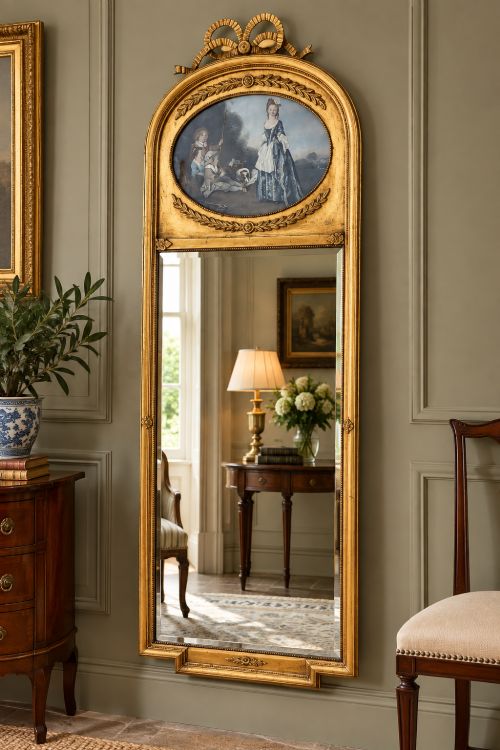
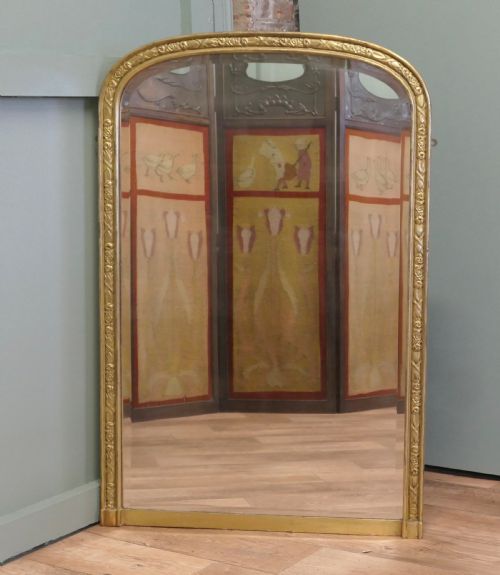
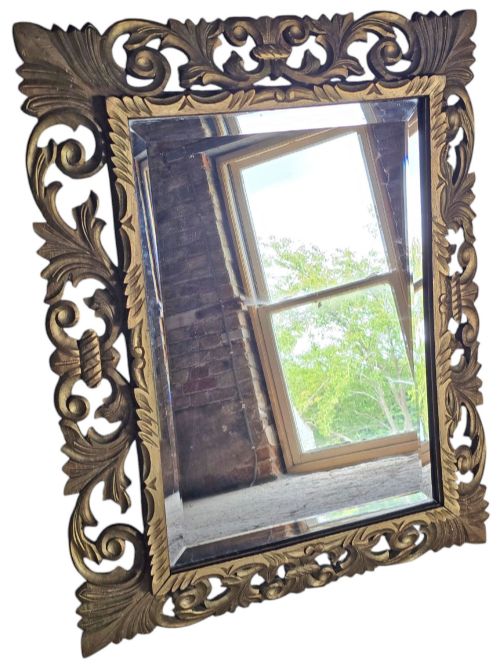
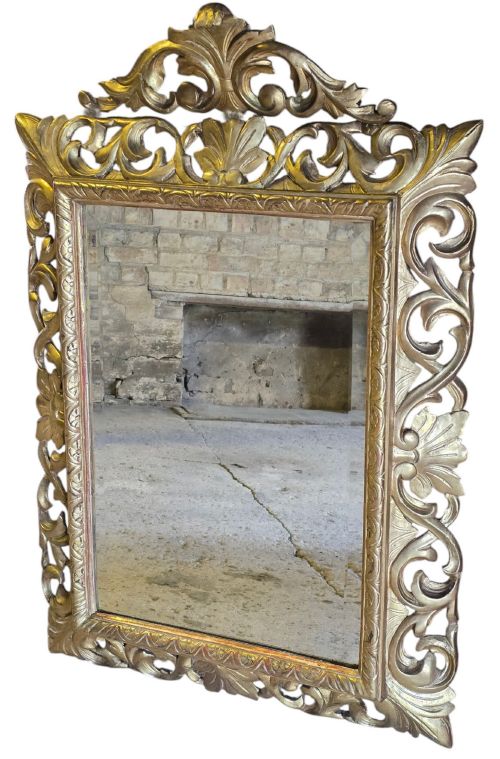
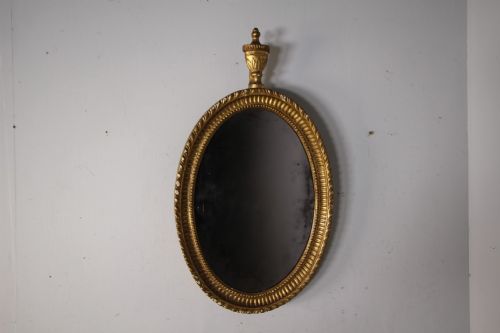
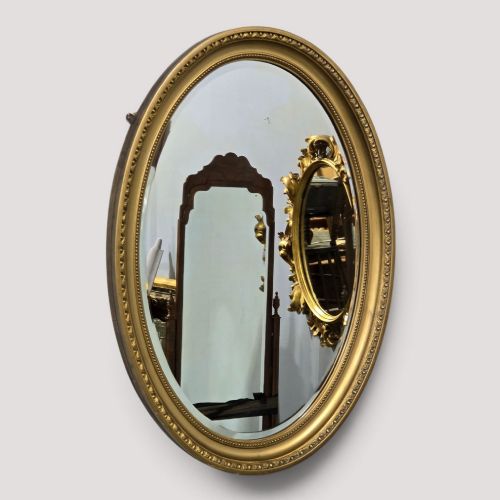
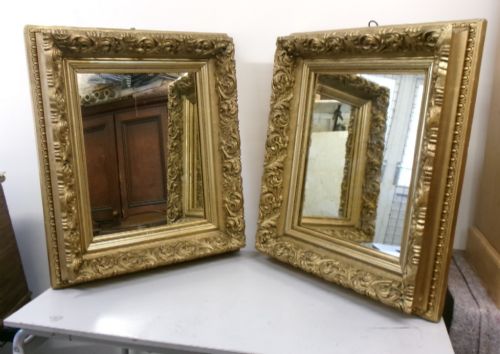
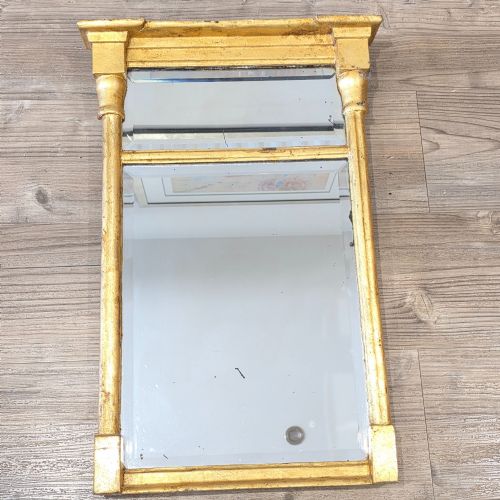
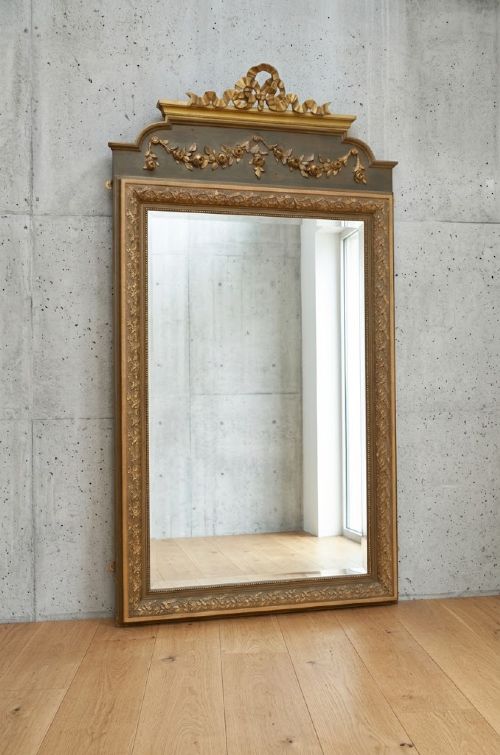
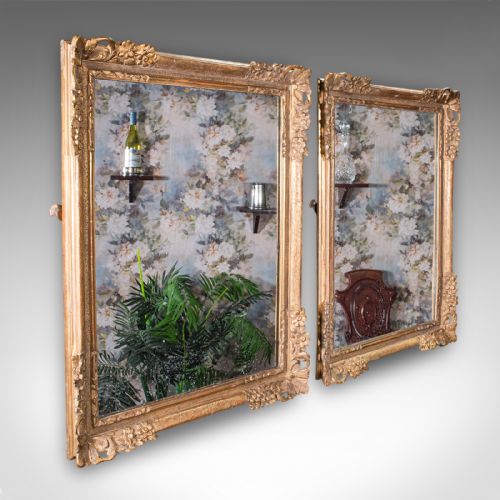
When you search for a gold gilded frame mirror, you encounter a selection spanning the eighteenth, nineteenth and early twentieth centuries, originating from English and continental workshops. The most common forms on this page are substantial overmantel mirrors designed to sit above a fireplace, alongside tall wall mirrors and compact pier mirrors.
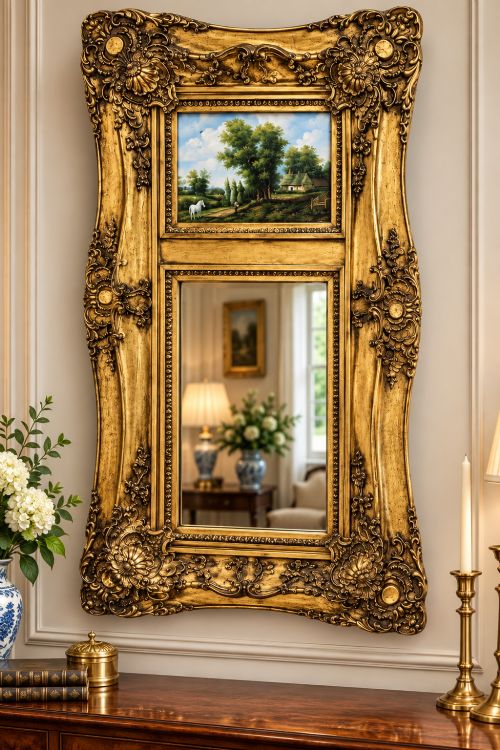
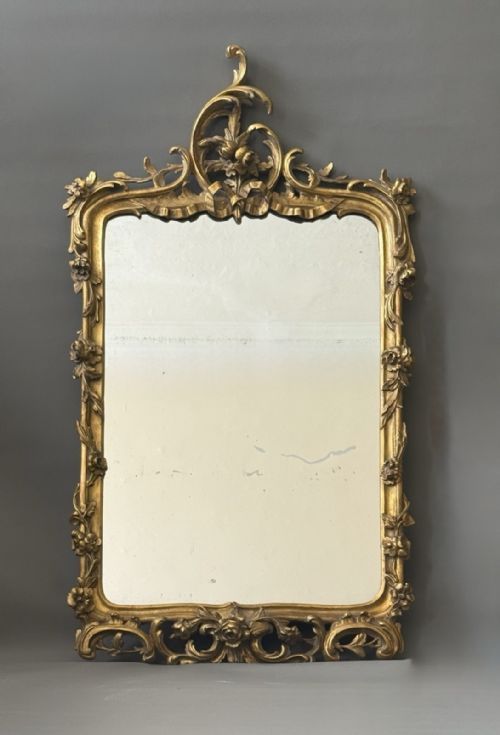
The styles range from restrained Regency and classic Louis Philippe designs to ornate Rococo Revival and intricate Florentine carvings. Many pieces serve as statement furnishings, combining functional glass plates with deeply decorative wooden and gesso structures intended to catch and multiply ambient light.
Materials and construction
Carved wood provides the foundational structure for these pieces, utilising timbers such as pine or hardwood that support the heavy ornamentation. Gesso, a mixture of chalk and binder, is applied over the timber and sculpted to create crisp relief details like acanthus leaves and ribbon crests.
Gold leaf or metallic gilding is then meticulously applied to the prepared surface, sometimes complemented by composition moulding for repetitive decorative motifs. The glass plates often include period characteristics such as mercury silvering or foxing, set within frames secured by traditional joinery.
Some nineteenth-century mirrors feature secret compartments behind the frame, originally intended for hiding love letters.
What separates the tiers
The quality of a gold gilded frame mirror rests primarily in the crispness and depth of the hand-carved detailing versus the repetitiveness of moulded composition ornaments. Superior pieces display harmonious proportions where the weight of the frame matches the scale of the glass plate without appearing clumsy.
The integrity of the original gilding and the character of the glass plate also distinguish finer examples. Original mercury plates with natural foxing indicate genuine age, while frames retaining their initial layers of gold leaf demonstrate superior historical preservation.
The Gold Gilded Frame Mirror Glossary
- Giltwood
- Wood that has been coated with thin sheets of gold leaf or metallic powder. This technique protects the underlying material while providing a brilliant reflective surface.
- Gesso
- A plaster-like material applied to wooden frames as a smooth base for carving and gilding. Artisans can model intricate low-relief decorations directly into this substance.
- Overmantel mirror
- A large mirror specifically proportioned to hang on the wall directly above a fireplace mantelpiece. These pieces often feature arched or shaped tops to draw the eye upward.
- Pier mirror
- A tall, narrow mirror designed to hang on the wall space between two windows. They frequently incorporate candle sconces or small ledges.
- Foxing
- The natural age-related degradation of the reflective backing behind the glass plate. This process creates charming dark spots and mottled patterns across the reflection.
Gold Gilded Frame Mirror: Frequently Asked Questions
How do I clean a gilded frame?
Dust the carved surfaces gently with a soft, dry brush to prevent damage to the delicate gold leaf layers. Avoid using chemical sprays, water or abrasive cloths on the frame.
For the glass plate, apply a mild glass cleaner to a cloth rather than spraying directly onto the mirror. This stops liquid from seeping behind the frame and damaging the backing.
What is an overmantel mirror?
An overmantel mirror is a large decorative glass specifically built to sit above a fireplace opening. They were traditionally scaled to fill the visual gap between the mantel shelf and the ceiling.
These mirrors also function effectively on standard room walls when a grand architectural statement is desired.
How do I identify a period frame?
Examine the construction methods visible on the reverse of the frame, including the type of wood and joinery used. Hand-carved details combined with gesso layers usually point towards nineteenth-century or earlier craftsmanship.
The presence of original mercury glass with natural foxing provides a strong indicator of eighteenth or nineteenth-century origin.