
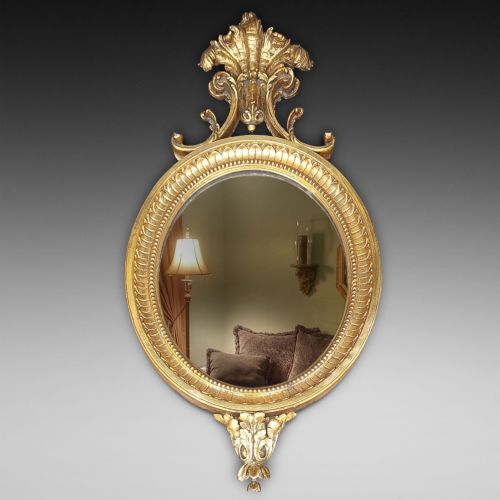
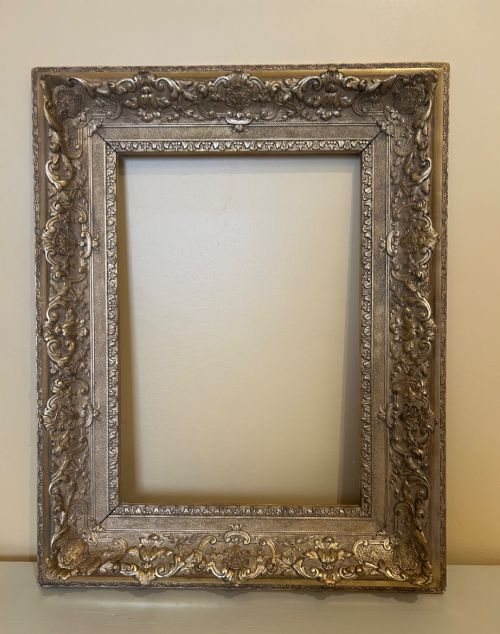
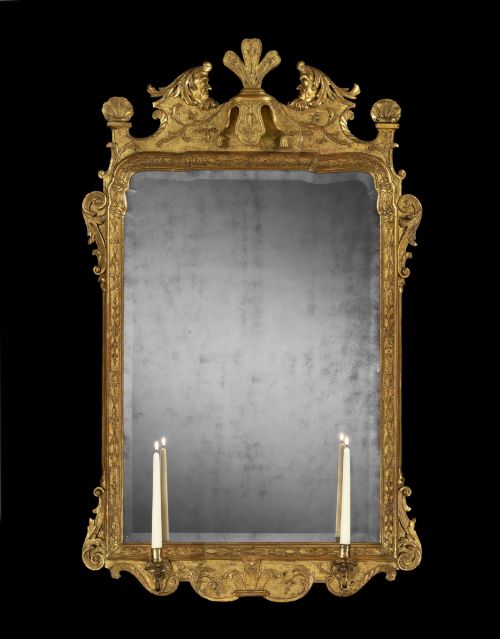

Gold Gesso Frame
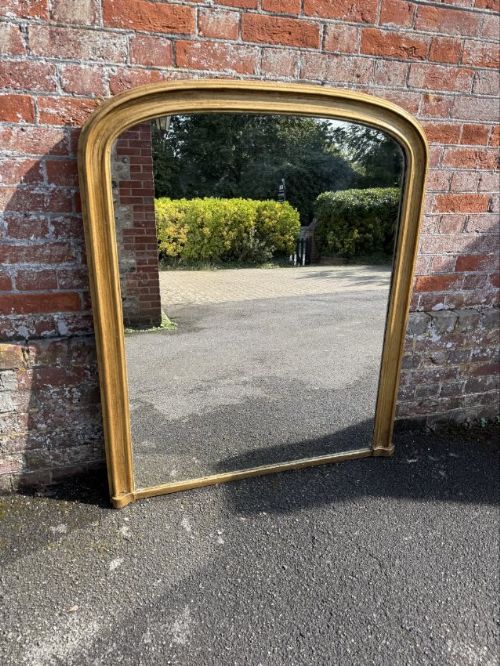
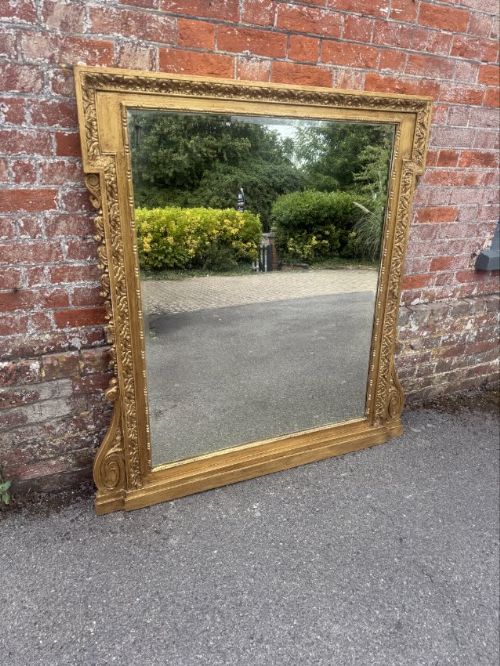
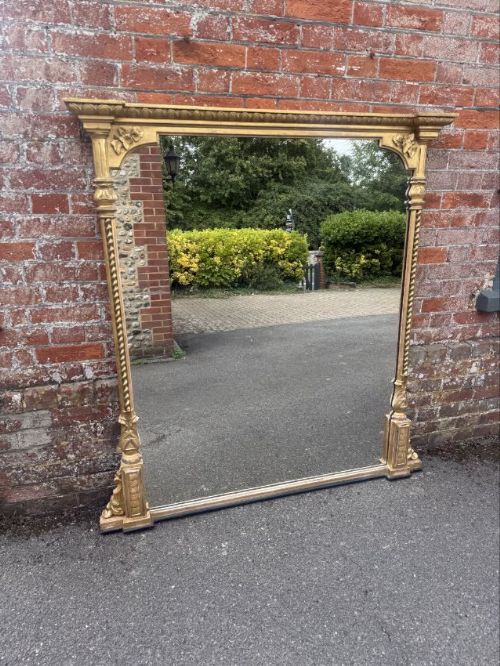
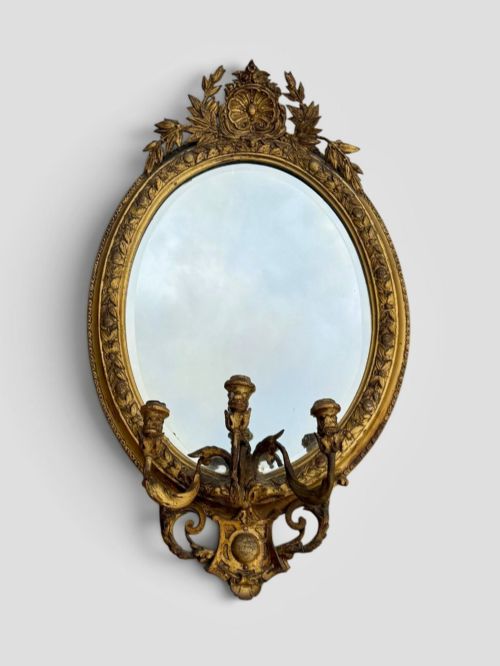
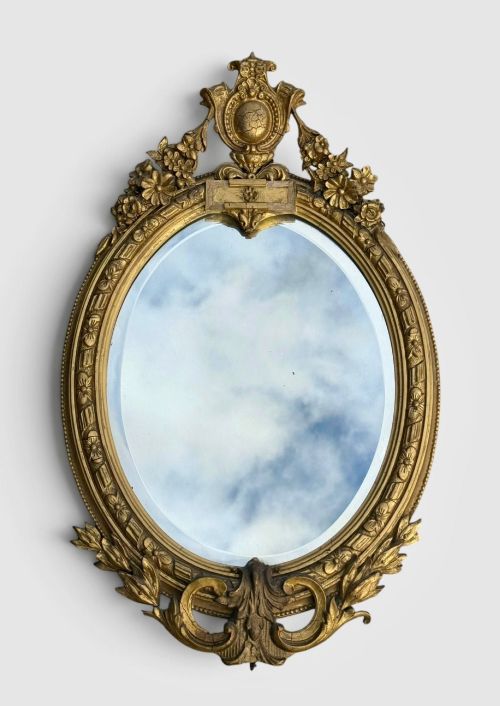
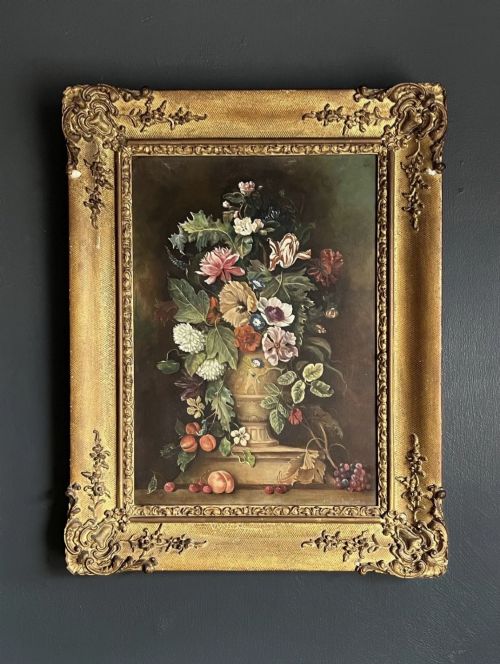
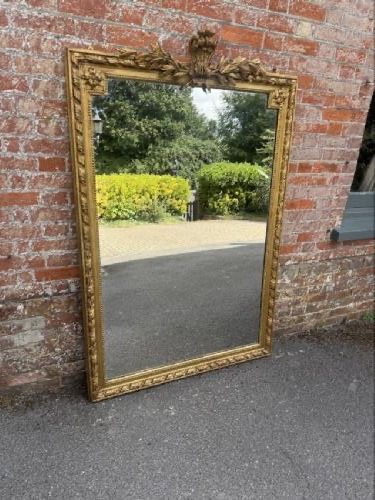
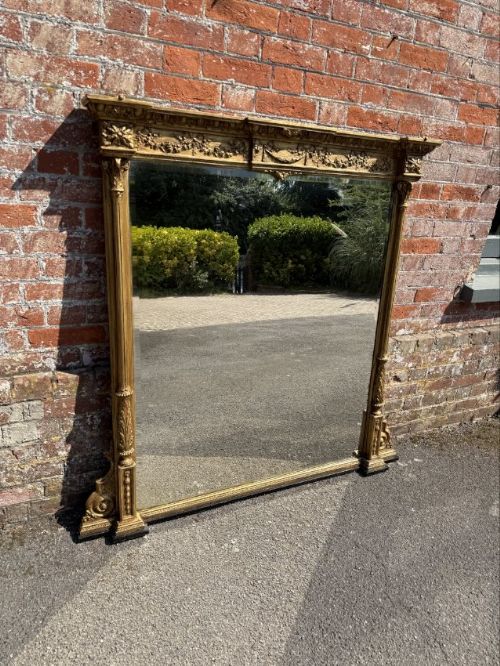
When sourcing a gold gesso frame, collectors encounter ornate carved wooden mouldings covered in fine plasterwork and finished in gleaming metal leaf.
Gold Gesso Frame
A gold gesso frame brings together substantial wooden construction, intricate plaster enrichment, and a shimmering metallic finish designed to hold large mirrors and paintings. These pieces emerge predominantly from the nineteenth century, reflecting Victorian and revivalist tastes across English and French workshops.
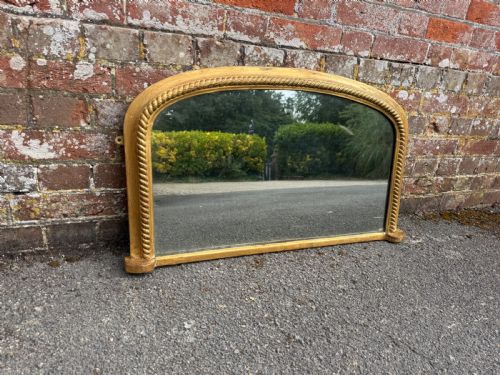
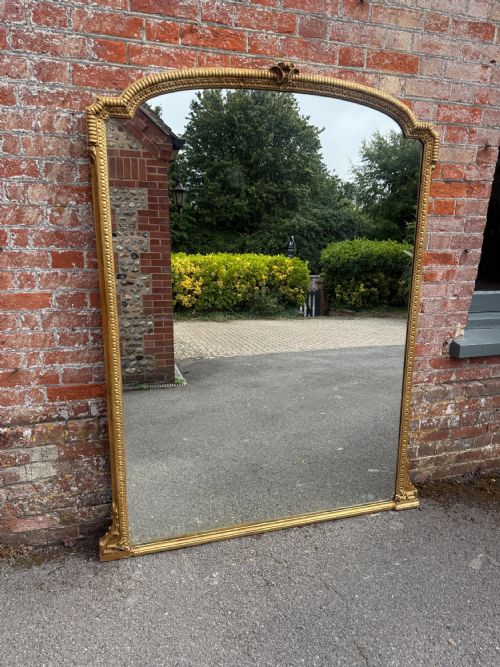
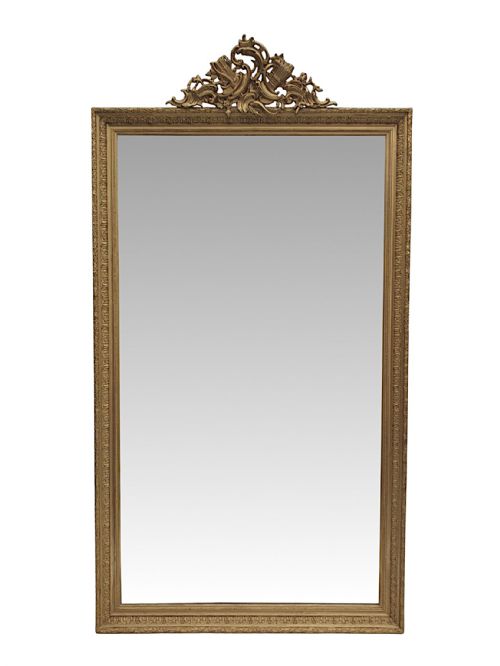
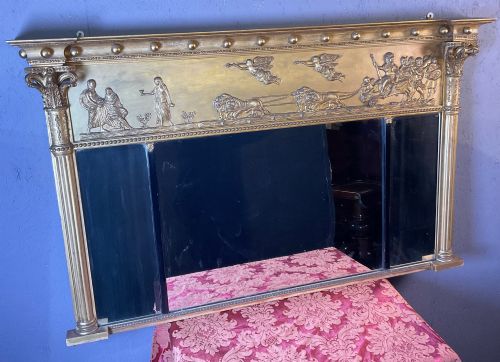
The most common formats on this page are large overmantel mirrors and wall mirrors, alongside occasional picture frames and standalone paintings. Makers shaped these objects to dominate interiors, utilising arched tops, rope twists, and ribbon motifs that typify the period.
Pieces span from eighteenth-century George I designs up to early twentieth-century interpretations, showing continuity in craftsmanship. Buyers encounter both rectangular formats and shaped top configurations intended for specific architectural settings.
Materials and construction
Artisans built the structural core from carved wood, creating a sturdy foundation before applying layers of gesso. This fine plaster mixture allowed craftsmen to model deep, crisp relief ornamentation directly onto the wooden substrate.
Surfaces received thin layers of gold leaf or gilt paint to achieve a brilliant reflective quality. Glass components, including original mirror plates and mercury glass, were subsequently fitted into the prepared rebates.
Some nineteenth-century makers hid secret rope twists inside architectural mouldings just to test the patience of future restorers.
Evaluating craftsmanship and condition
Quality rests in the depth and sharpness of the gesso carving, where superior examples exhibit crisp, Undamaged relief work rather than softened contours. The precision of the joinery in the underlying wooden frame dictates structural stability over centuries of hanging.
The preservation of the original gold leaf and the clarity of the glass plate heavily influence desirability. Patination that shows natural ageing without heavy loss to the gesso substrate marks the distinction between standard and finer output.
The Gold Gesso Frame Glossary
- Gesso
- A plaster-based mixture of gypsum or chalk combined with a binder, applied to wood to create a smooth surface for gilding. This material allows for intricate three-dimensional mouldings.
- Giltwood
- Timber that has been coated with gold leaf or metallic paint. It provides the luxurious sheen characteristic of formal antique mirrors.
- Overmantel Mirror
- A large mirror specifically designed to hang above a fireplace mantelpiece. These pieces often feature arched tops to fit architectural proportions.
- Mercury Plate
- An early type of mirror glass created using a tin and mercury amalgam. It produces a distinctive mottled reflection with deep visual character.
- Pier Mirror
- A tall, narrow mirror designed to hang on the wall space between windows. They frequently incorporate gesso frames matching interior joinery.
Gold Gesso Frame: Frequently Asked Questions
Are these frames suitable for modern walls?
These pieces require secure fixings into structural brickwork or heavy studs due to the combined weight of wood, gesso, and glass.
Professional hanging hardware ensures the substantial load is safely distributed across the wall.
How do I distinguish eighteenth and nineteenth century frames?
Eighteenth-century examples often display hand-carved gesso work with distinct tool marks and earlier plate glass techniques.
Nineteenth-century revival pieces tend to utilise composition ornament moulded onto machine-sawn timber bases.
Can I replace the glass in an antique frame?
Original glass plates should be preserved whenever possible to maintain the historical integrity and value of the object.
If replacement is necessary, select silvered glass that matches the thickness and slight imperfections of historic plate glass.