

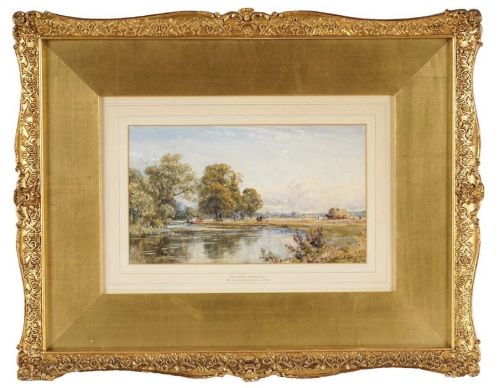
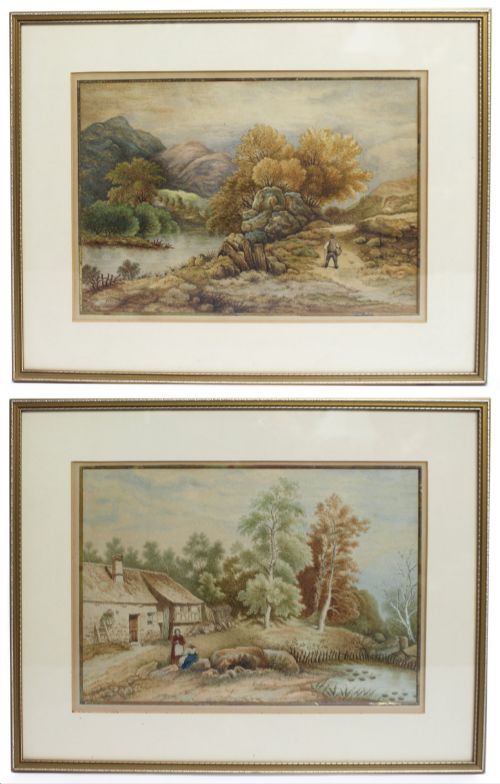
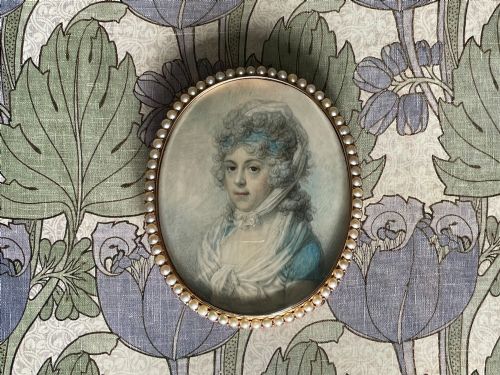
Gold Framed Watercolour Painting
A gold framed watercolour painting brings centuries of delicate pigment and polished metal together on the wall.
Gold Framed Watercolour Painting
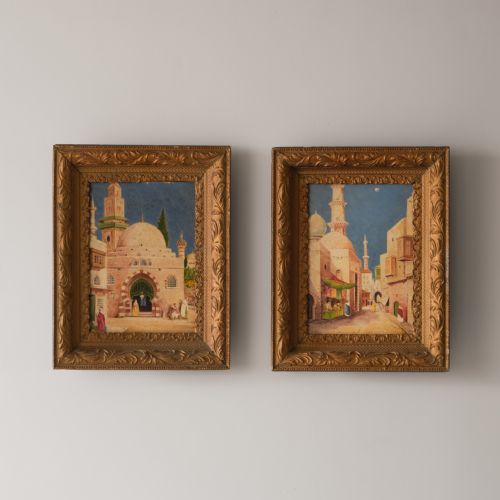
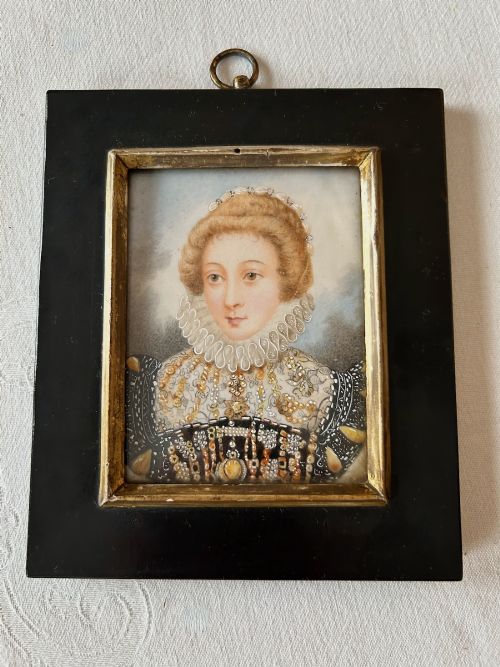
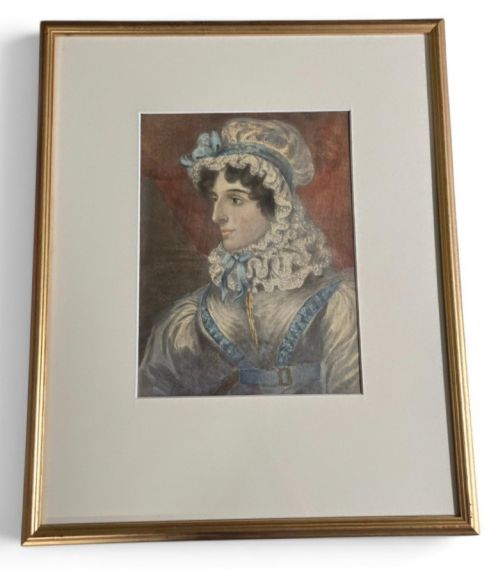
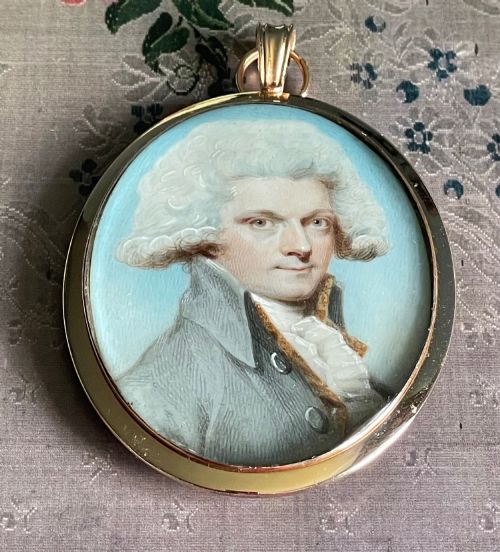
A gold framed watercolour painting comprises works on paper or glass executed with water-soluble pigments, secured inside metallic or gilt wood mouldings. Buyers searching for a gold framed watercolour painting encounter portrait miniatures, coastal scenes, and botanical studies spanning from the Georgian era to the mid-twentieth century.
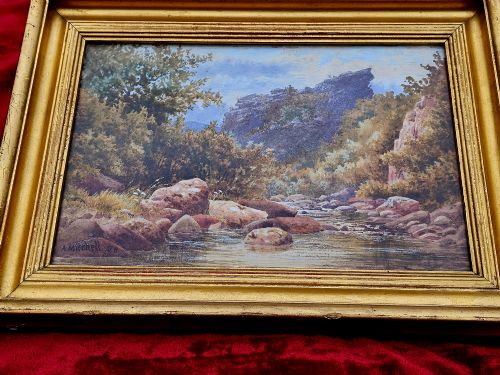
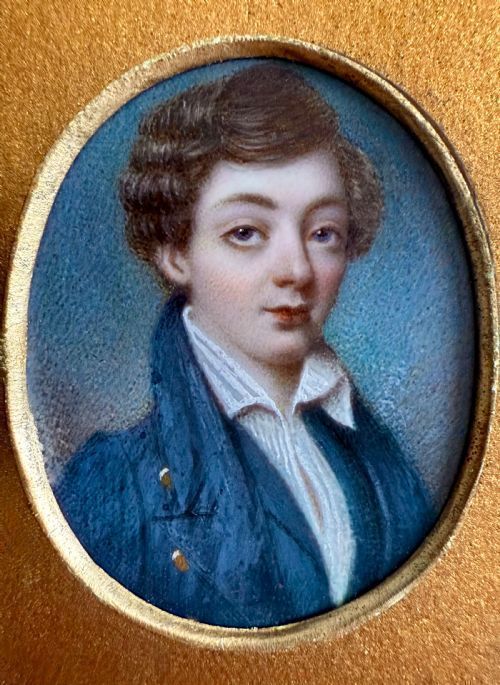
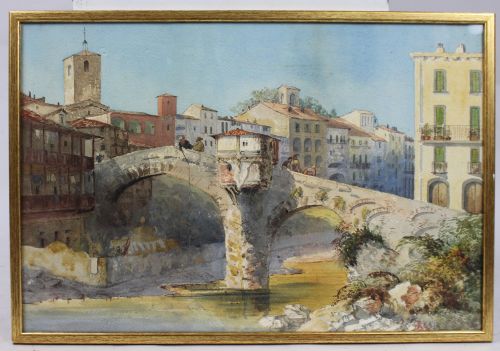
The selection ranges from intimate miniature portraits signed by period artists to expansive landscapes depicting Cornish harbours and Italian lakes. Victorian and Edwardian examples dominate the selection, accompanied by eighteenth-century works and later impressionist interpretations.
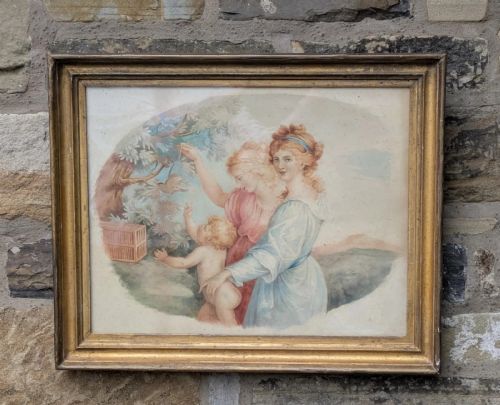
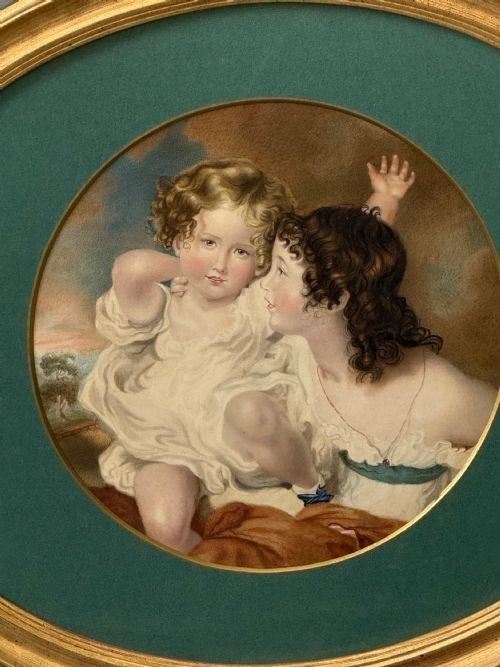
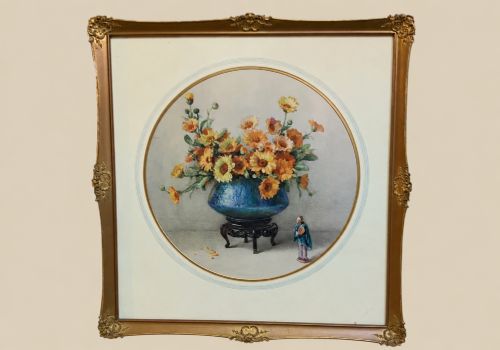
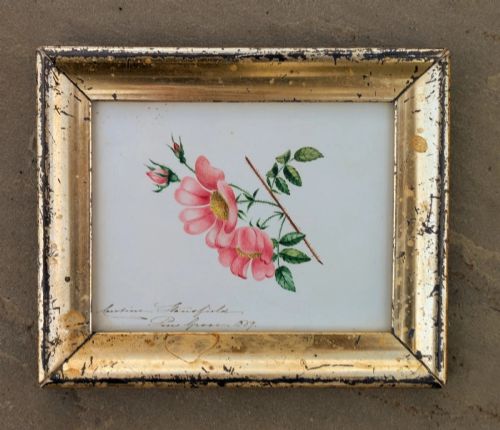
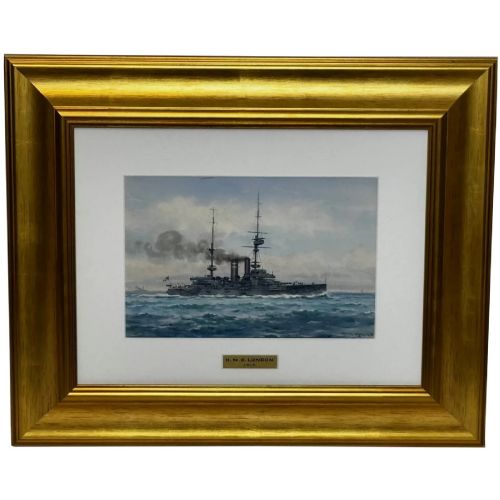
Subjects vary from classical genre scenes and still lifes of flowers to maritime watercolours and naïve depictions. These pieces preserve the fugitive tones of early pigments within protective glazed housings.
Materials and construction
Artists painted primarily upon paper or glass surfaces using finely ground watercolour pigments suspended in water-soluble binders. Works on paper required mounting beneath glass to prevent moisture degradation and fading from ambient light.
Frames utilise wood, giltwood, or gilt metal finished with applied gold leaf to provide a reflective border that complements the luminous quality of the pigment. Backings typically consist of timber panels or card secured within the rebate of the moulding.
Gold Framed Watercolour Painting Retail Price Guide 2026
Typical asking prices for gold framed watercolour painting among the pieces listed under this phrase on Sellingantiques today, from the lower quarter to the upper quarter. They describe what is for sale here now, not the wider market.
Several artists painted distant harbours and quiet garden paths while the world outside underwent industrial transformation.
Evaluating quality and execution
Quality rests upon the precision of the brushwork and the stability of the pigment against historical fading. Finer examples display confident handling of light and atmospheric depth, particularly in landscape and portrait formats.
The integrity of the surrounding gilding and the preservation of the original backing materials contribute substantially to the standing of an individual piece. Retained signatures, exhibition labels, and period provenance elevate the interest of works from named practitioners.
Henri Fradelle·Charles Shirreff·Richard Cosway·William Banks Fortescue·Frank Watson Wood·Robert Thorne Waite·Ernest Arthur Rowe·George Oyston·Frederick James Kerr·George Rankin·Frederick Buck·Robert George Talbot Kelly·Charles Henry Slater·Herman S Melville·George Stanfield Walters·Charles Edward Wilson
The Gold Framed Watercolour Painting Glossary
- Watercolour
- A painting method where the pigments are suspended in a water-based solution. It is traditionally applied to paper surfaces to create transparent washes of colour.
- Giltwood
- Wood that has been coated with a thin layer of gold leaf or metallic powder. It provides the decorative border seen on traditional picture frames.
- Portrait miniature
- A small, highly detailed painting depicting a specific person. These works frequently date from the eighteenth and nineteenth centuries and appear under protective glass.
- Gilt metal
- A base metal treated to resemble gold. It serves as an alternative framing material to carved timber mouldings.
- Naive art
- Artwork produced by individuals without formal academic training. These pieces often display a charming perspective and direct application of pigment.
Gold Framed Watercolour Painting: Frequently Asked Questions
Are all these frames solid gold?
The frames consist of wood, gilt metal, or giltwood covered with a thin layer of gold leaf rather than solid precious metal. This traditional technique provided a durable and reflective finish without excessive weight.
Over the decades, minor losses to the surface gilding can occur, which dealers often touch up carefully to preserve the visual harmony of the piece.
How do I date an antique watercolour?
Examine the style of the clothing, the framing materials, and any visible signatures or inscriptions on the reverse. Georgian and Victorian works often feature distinct handwritten labels and older backing boards.
Paper characteristics and pigments also offer clues to the period of creation. Consulting comparative examples by known artists helps narrow down the production year.
What is a portrait miniature?
A portrait miniature is a small-scale painting, often created on ivory, vellum, or paper during the eighteenth and nineteenth centuries. They were frequently commissioned to commemorate family members or loved ones.
These intimate works were often designed to be worn as pendants or kept inside protective travel cases before finding their way into decorative frames.