




Gold Framed Seascape Art
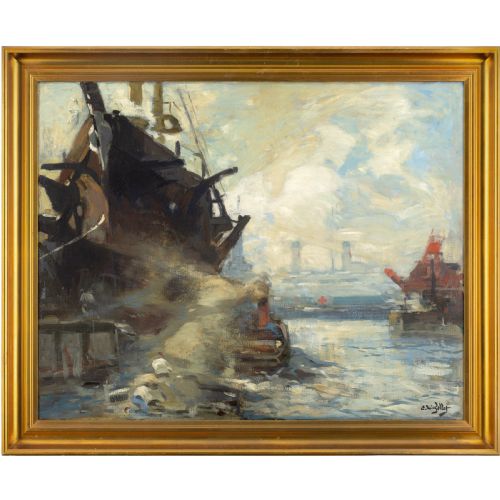
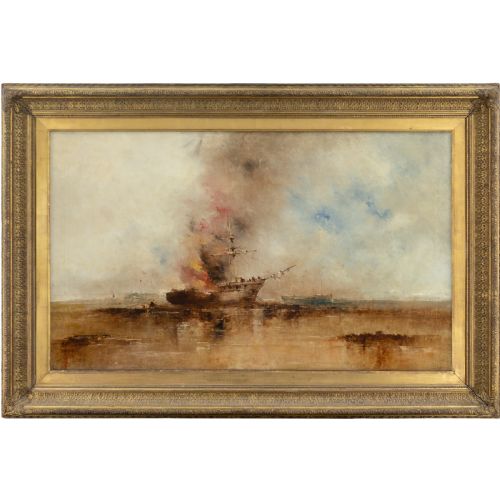
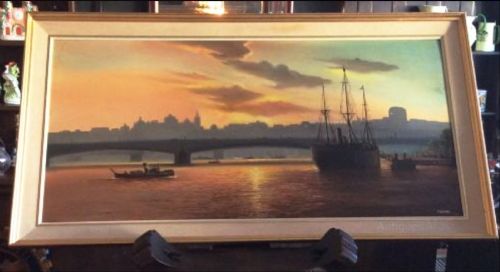
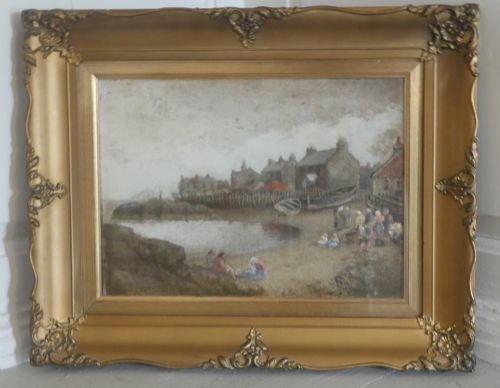
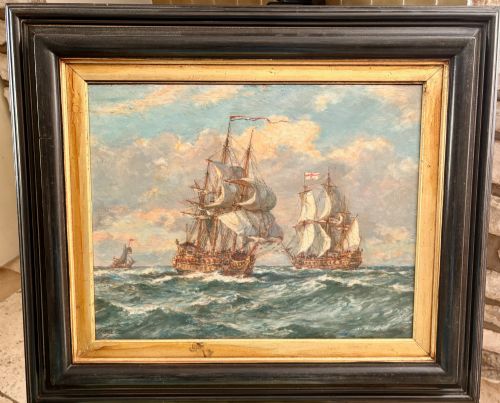
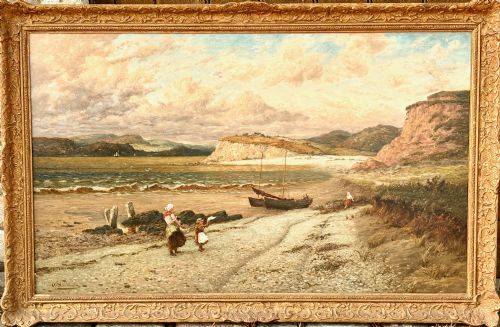
Gold framed seascape art brings historical maritime views and coastal scenes into rooms through oil paint, watercolour, canvas, and wood.
Gold Framed Seascape Art
When you search for gold framed seascape art, you encounter maritime oil paintings, watercolour paintings, and framed artwork spanning from the seventeenth century through the Victorian period, Edwardian era, and mid-twentieth century.
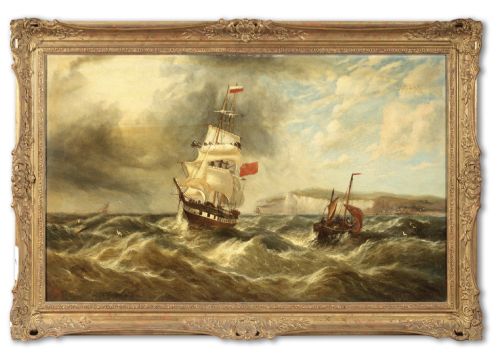
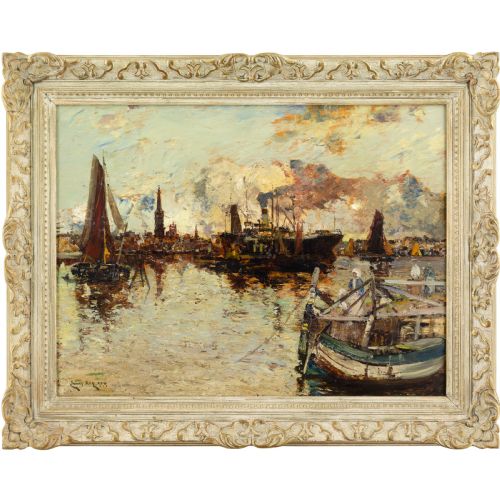
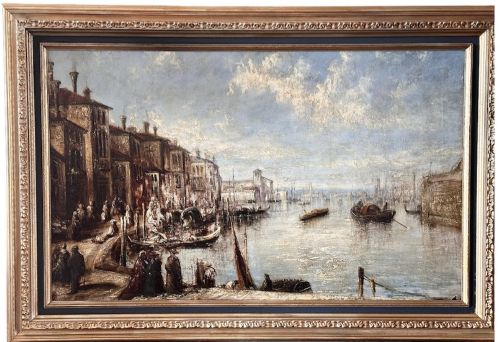
The most common pieces on this page are nineteenth-century and early twentieth-century oil paintings on canvas or board depicting harbour scenes, coastal views, and ships in rough seas.
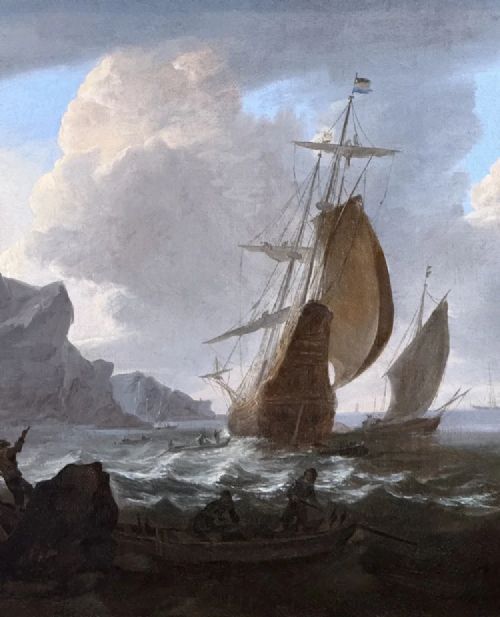
Works range from British impressionist coastal studies and Victorian marine watercolours to detailed Dutch boat scenes and panoramic views of Venice.
Materials and Technique
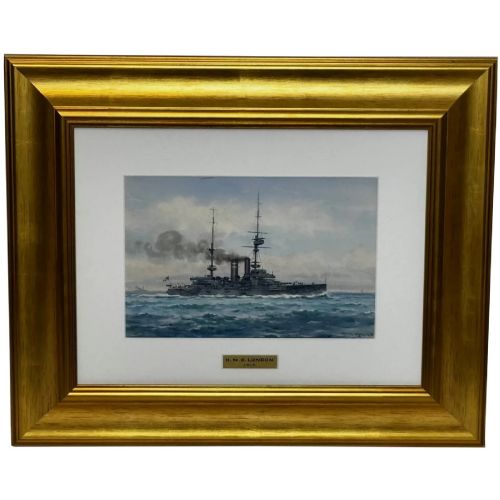
Artists painted primarily with oil paint on canvas or wooden panel, alongside watercolours on paper, capturing coastal light and maritime action.
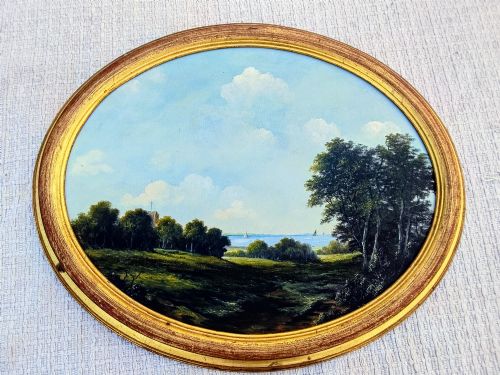
Frames utilise wood finished with gilt, giltwood, and gold leaf, providing ornate decorative borders around the paintings.
Gold Framed Seascape Art Retail Price Guide 2026
Typical asking prices for gold framed seascape art among the pieces listed under this phrase on Sellingantiques today, from the lower quarter to the upper quarter. They describe what is for sale here now, not the wider market.
Several artists captured historical naval vessels weathering gales, proving that painters enjoyed stormy seas just as much as peaceful harbour sunsets.
Evaluating Quality in Marine Art
Quality rests in the handling of light on water, the accuracy of rigging and hull construction, and the overall atmospheric tension of the sea.
The craftsmanship of the gilt frame alters the piece, with hand-carved gold leaf mouldings carrying greater distinction than simpler giltwood surrounds.
Eugène-Louis Gillot·William McAlpine·James Kay·Frank Watson Wood·Bernard Gribble·Bonaventura Peeters·Francis Moltino·Bernard Benedict Hemy·Willem Bos·Charles Euphraisie Kuasseg·John Wilson Carmichael·Joseph Farquharson·Erich Mercker·Thomas Hodgson Liddell·William Henry Williamson·John Holland·George Stanfield Walters
The Gold Framed Seascape Art Glossary
- Giltwood
- Wood carved and coated with gold leaf or metallic gilt paint to create a decorative frame. This finish protects the wood while adding reflective brightness to the artwork.
- Oil on Canvas
- Pigment mixed with drying oil applied to a stretched woven fabric support. This technique allows for rich texture and deep colour layering in marine subjects.
- Watercolour
- Paint made from water-soluble pigments applied to paper. It yields translucent washes well suited to atmospheric harbour scenes and coastal light.
- Maritime Art
- Depictions of ships, harbours, coastal views, and naval battles. This genre encompasses historical shipping records and romantic coastal landscapes alike.
- Post-Impressionism
- An art style following impressionism that focuses on expressive brushwork and symbolic colour. Pieces in this manner interpret coastal views with heightened visual emotion.
Gold Framed Seascape Art: Frequently Asked Questions
How do I date an old seascape painting?
Dating relies upon examining the canvas type, stretcher construction, artist signatures, and framing materials. Stylistic clues within the maritime subject, such as ship rigging types and clothing fashion, also narrow down the era.
Comparison with documented works by the same artist or school provides further chronological accuracy. Frame styles matching specific nineteenth-century or Edwardian trends offer supportive evidence.
What is the difference between marine and seascape art?
Marine art specifically focuses on ships, naval battles, and human activity upon the water. Seascapes encompass a broader view dominated by the sea, coastlines, waves, and coastal weather.
Many historical paintings overlap both categories by featuring vessels navigating coastal waters or entering bustling harbours.
How should I care for oil paintings in gilt frames?
Keep oil paintings away from direct sunlight and fluctuating humidity to prevent canvas slackening and paint cracking. Dust the canvas gently with a soft, dry brush and avoid liquid cleaners.
Gilt frames require careful dusting with a soft cloth to protect the gold leaf finish from abrasion and flaking.
Are watercolours as durable as oil paintings?
Watercolours are more sensitive to light and moisture because paper and pigments degrade faster than oil on canvas. They must be framed behind glass with acid-free mounts to prevent fading.
Oil paintings possess greater physical resilience due to the protective nature of oil paint layers, though both mediums demand stable indoor environments.