



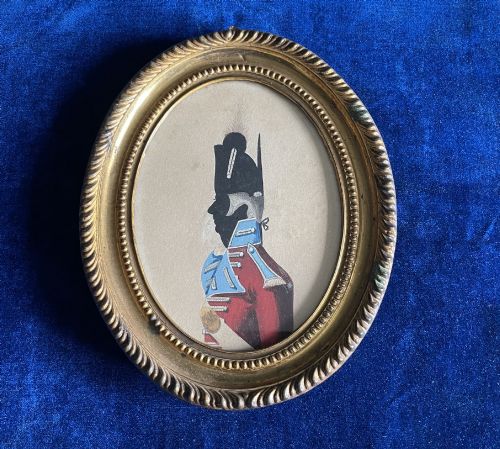
Gold Framed Miniature Portrait
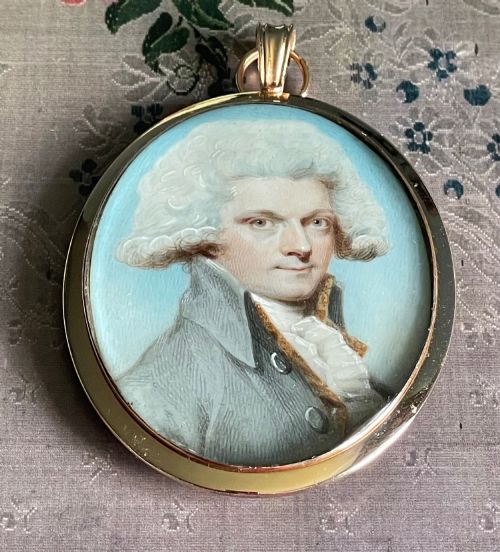
These gold framed miniature portrait pieces are intimate likenesses captured in delicate detail, offering a tangible connection to Georgian and Regency subjects.
Gold Framed Miniature Portrait
A gold framed miniature portrait represents a tradition of portable likenesses spanning the eighteenth and nineteenth centuries. These works record sitters from the Georgian and Regency eras, rendered on mediums such as vellum and paper.
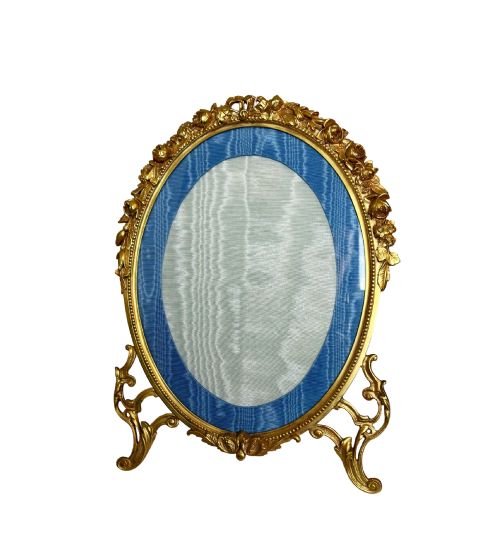
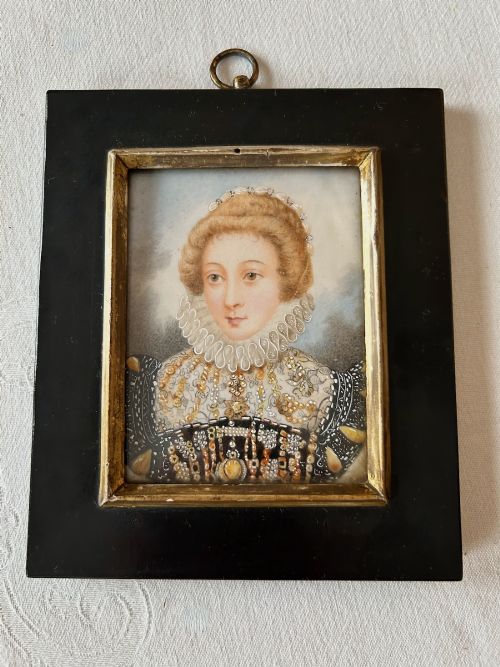
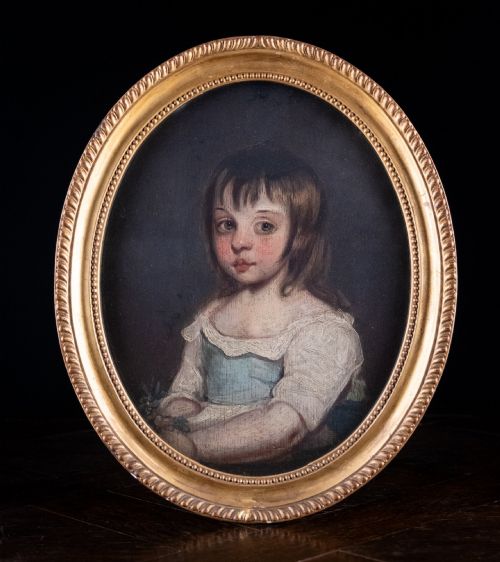
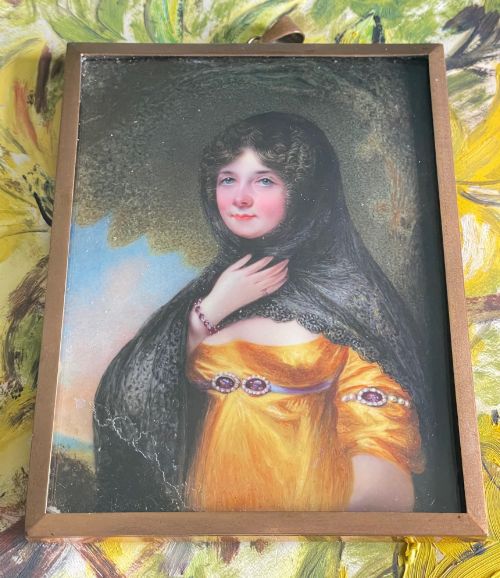
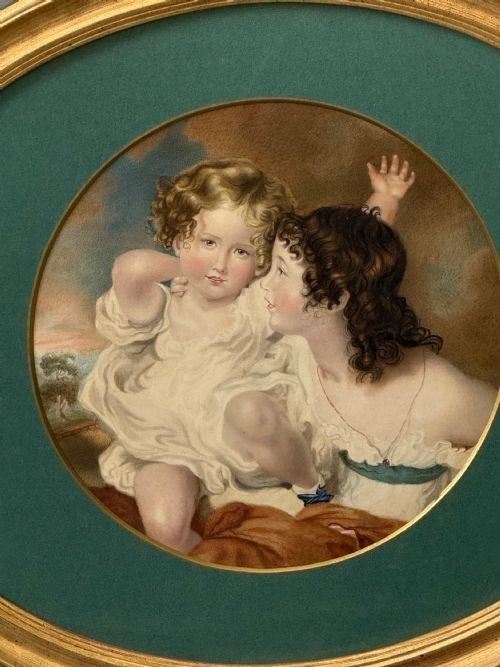
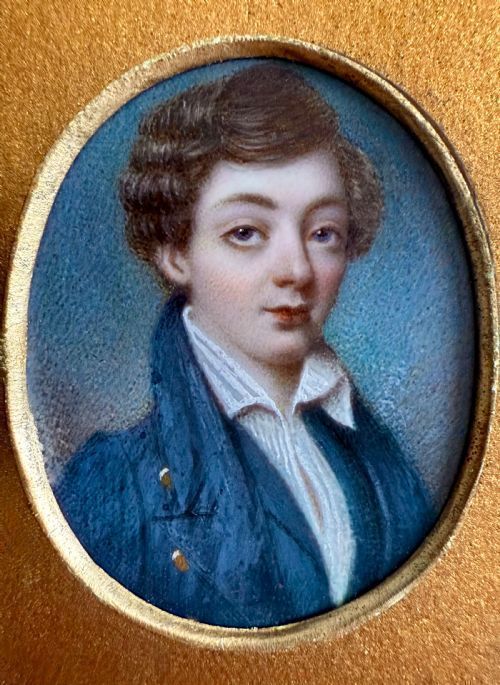
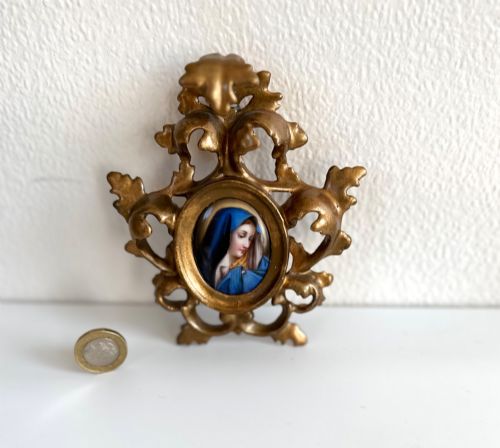
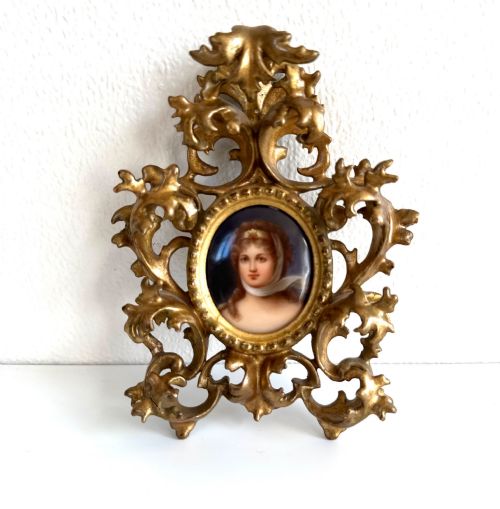
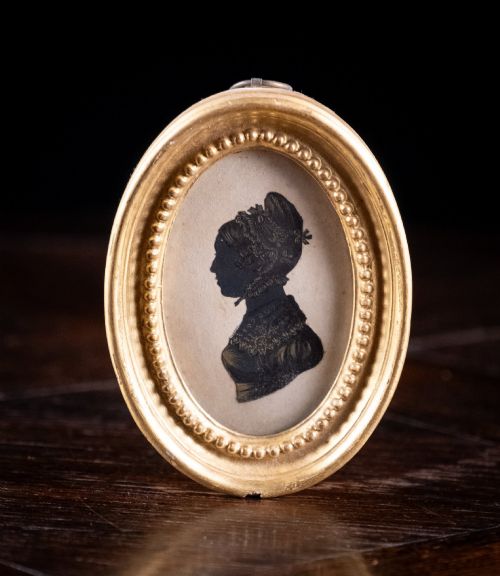
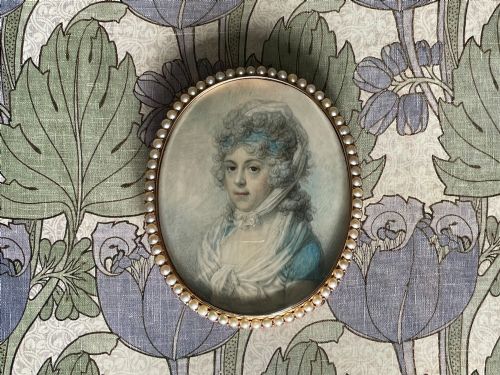
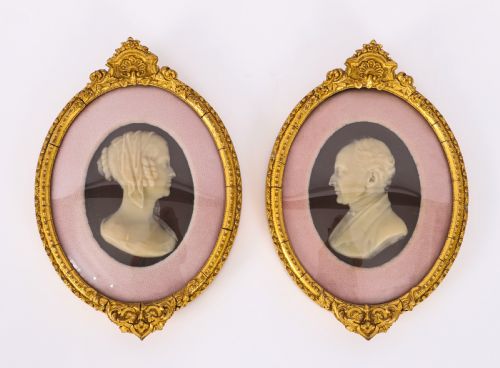
The pieces on this page include distinct depictions, ranging from a lady in a white dress and a portrait of a lady in a bonnet to the blue boy. Each item preserves the distinct aesthetic of its period, reflecting the portrait miniatures and fine art categories of the trade.
Materials and construction
Artists utilised watercolour and ink applied to surfaces like vellum, creating fine details within a compact scale. Gold leaf, gilt metal, and gold-plated metal formed the structural and decorative housings for these delicate works.
Protective glass covers each subject, safeguarding the fragile pigments beneath. A gold rim frequently frames the internal composition, securing the miniature within its outer metallic housing.
Gold Framed Miniature Portrait Retail Price Guide 2026
Typical asking prices for gold framed miniature portrait among the pieces listed under this phrase on Sellingantiques today, from the lower quarter to the upper quarter. They describe what is for sale here now, not the wider market.
The listings span the eighteenth and nineteenth centuries, featuring works from both the Georgian and Regency periods executed on vellum and paper.
Assessing quality
The sophistication of the brushwork dictates the standing of a piece, separating skilled portraiture from simpler renderings. Artists working within established circles demonstrate superior handling of facial expression and costume detail.
The composition of the framing materials also influences the piece, with heavier gold leaf housings sitting apart from lighter gilt metal alternatives. The clarity of the protective glass and the stability of the underlying vellum further define the execution.
Richard Cosway·James Ferguson·Isaac Wane Slater
The Gold Framed Miniature Portrait Glossary
- Miniature portrait
- A small-scale painting depicting a specific person, usually executed in watercolour or enamel. These objects were frequently worn as jewellery or kept in private spaces.
- Vellum
- A fine parchment made from prepared animal skin, providing a smooth surface for detailed ink and watercolour work. It was favoured by artists for its durability and fine grain.
- Georgian
- The period spanning the reigns of the first four Georges, associated with specific shifts in portraiture and decorative arts. Pieces from this era often display distinct costume details.
- Regency
- The period governed by the Prince Regent, marking a refined aesthetic in British art and fashion. Miniatures from this time reflect the softer palettes and distinct apparel of the early nineteenth century.
Gold Framed Miniature Portrait: Frequently Asked Questions
How were these miniatures displayed?
These portraits were designed for intimate viewing rather than public display on walls. Owners kept them in pocket-sized cases or wore them suspended from ribbons.
The metal and glass enclosures protected the delicate watercolour pigments from dust, light, and moisture during handling.
How do I date a miniature?
Dating relies heavily on the style of clothing, hair, and framing materials visible in the piece. Costume changes between the Georgian and Regency eras provide clear chronological indicators.
Inscriptional evidence on the reverse or the specific handling of the vellum and glass can also help narrow the period of creation.
What materials are used?
Artists painted on vellum or paper using watercolour and ink. The housings incorporate gold leaf, gilt metal, and gold-plated metal alongside protective glass.
These components ensured both the visual appeal and the physical preservation of the delicate interior artwork.