



Antique Oval Miniature
An antique oval miniature is a small-scale portrait or plaque executed with delicate precision, offering an intimate glimpse into past lives through portable art.
Antique Oval Miniature
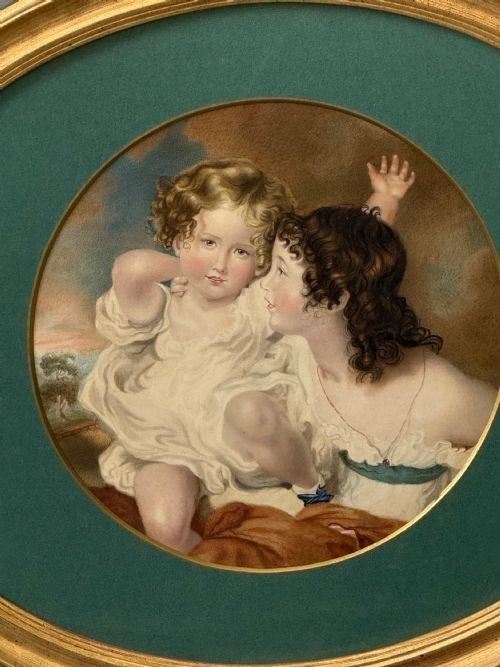
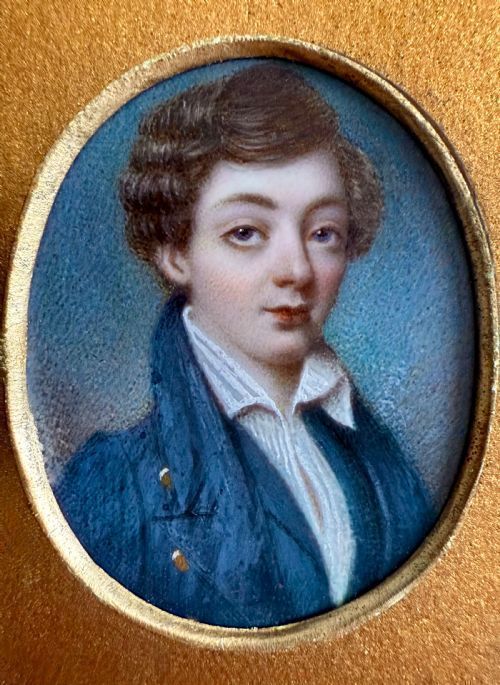
The search for an antique oval miniature brings forth small-scale portraits and paintings created primarily during the eighteenth and nineteenth centuries. These works record individual likenesses through watercolours on paper or glass, silhouettes, enamel plaques, and plumbago drawings.
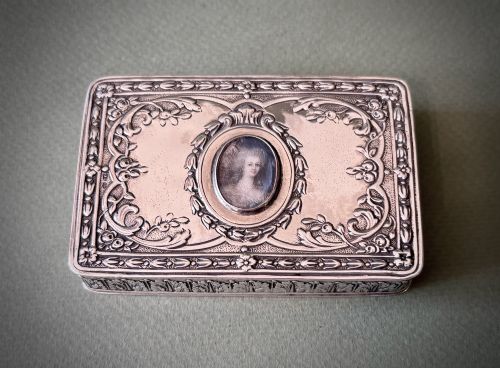
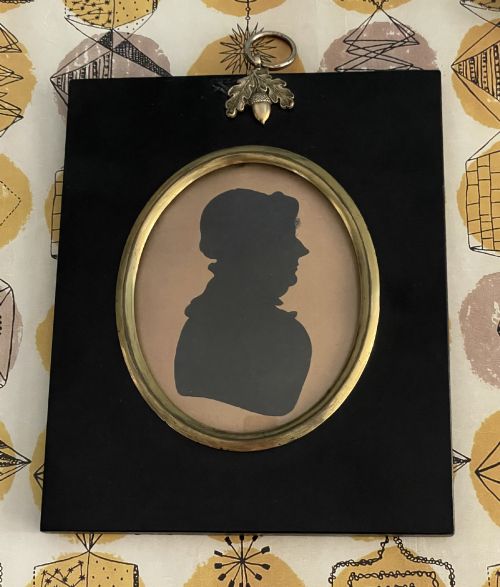
The pieces appearing on this page span Georgian, Regency, Victorian, and Edwardian periods, alongside regional examples from British and Continental schools. Many retain their original surrounds, ranging from simple ebonised wood to gold pendants and gilt bronze frames.
Materials and construction methods
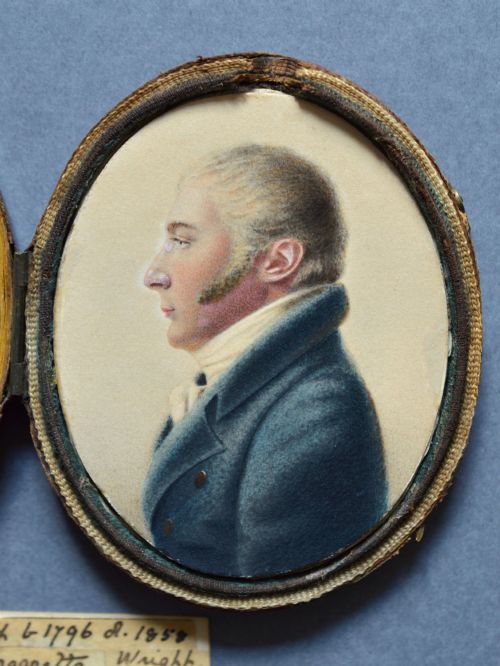
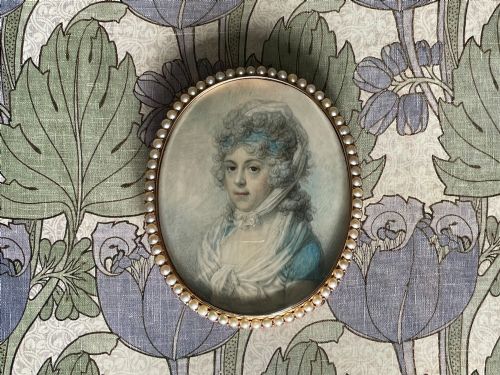
Artists created these works using watercolour, enamel, or pencil on delicate supports such as prepared paper, ivory, card, glass, or copper. Pigments required microscopic precision, applied with fine brushes to achieve lifelike skin tones and minute details of costume.
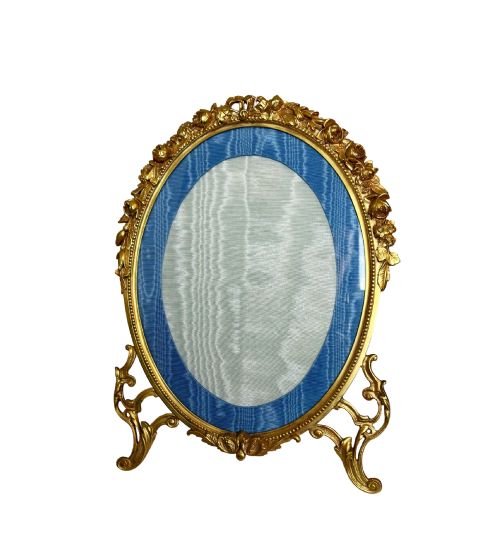
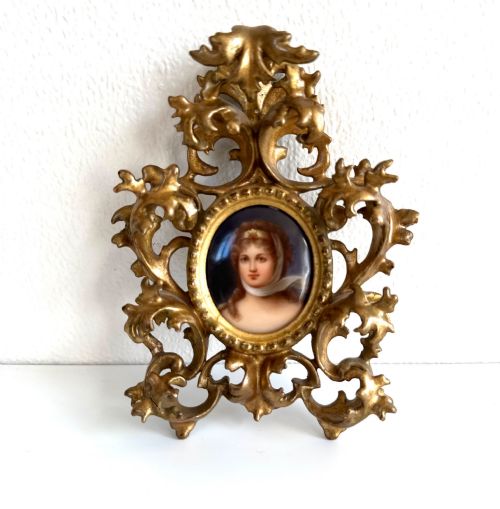
Framing forms an integral part of the construction, utilising brass, gold, gilt metal, and ebonised wood to protect the fragile surface. Many pieces incorporated convex glass or were mounted into pendants, rings, snuff boxes, and wall plaques.
The listings span the eighteenth to the early twentieth century, incorporating watercolours, silhouettes, enamels, and plumbago drawings.
Distinctions in craftsmanship and preservation
Quality rests upon the draughtsmanship and the control of the pigment, where master painters captured anatomical accuracy and psychological depth on a tiny scale. Inferior examples suffer from stiff proportions, muddy washes, and heavy-handed linework that obscures the subject's expression.
The preservation of the painted surface and the originality of the housing determine the standing of a piece within the range. Works retaining their original gold pendants, bezels, and glass show less interference than those restored or rehoused in later centuries.
James Sharples·Henry Bone·Thomas John Horsley·Richard Cosway·James Gillespie·John C D Engleheart·Frederick Buck·John Taylor·William Naish
The Antique Oval Miniature Glossary
- Plumbago
- A graphite drawing technique popular in the eighteenth century, capable of rendering fine detail with monochrome precision.
- Silhouette
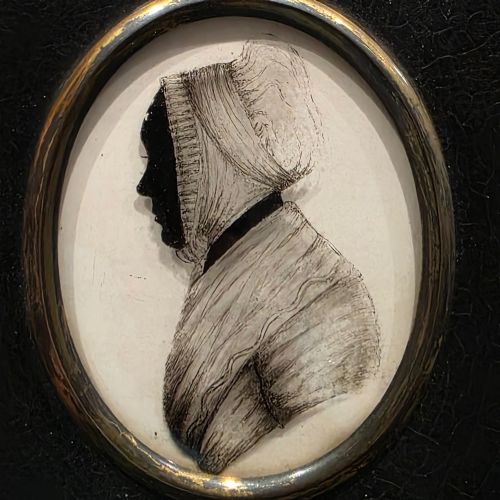
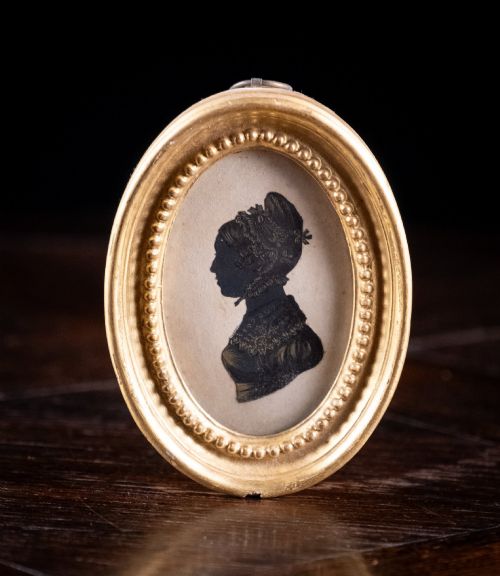
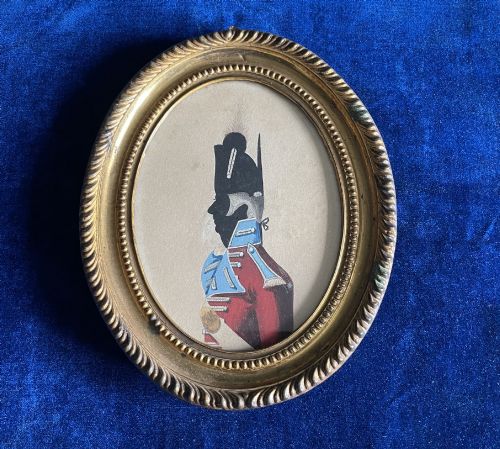
- A portrait profile filled in with a solid dark colour, often cut from paper or painted directly onto card, plaster, or glass.
- Enamel
- A durable medium created by fusing powdered glass to a metal substrate, such as copper or gold, under high heat.
- Pendant
- A piece designed to be worn suspended from a chain or ribbon, frequently housing a portrait miniature behind protective glass.
Antique Oval Miniature: Frequently Asked Questions
How were antique oval miniatures worn or displayed?
These small portraits were frequently worn as jewellery close to the heart, mounted in gold pendants, lockets, brooches, or rings. Others served as portable keepsakes carried in pockets or displayed on walls within small wooden and metal frames.
Over time, display habits shifted from private personal adornment to domestic wall hanging and tabletop presentation in specially fitted vitrines or easel frames.
What subjects appear most often in these portraits?
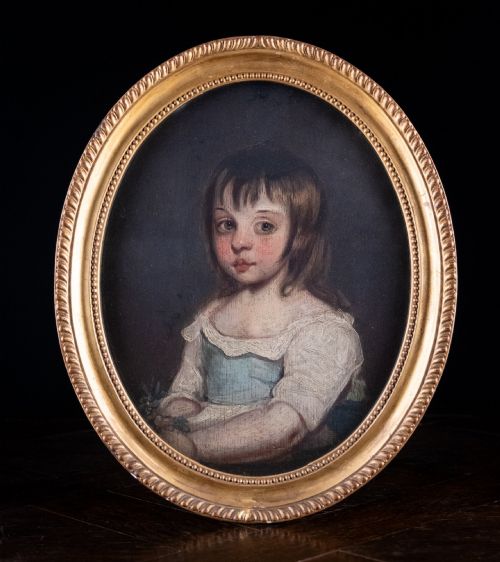
The subjects are predominantly individual men, women, and children from the Georgian, Regency, and Victorian eras, commissioned to record family likenesses. Members of the nobility, military officers, and literary figures also appear alongside anonymous sitters.
Occasional examples depict historical rulers, such as Mughal emperors, or draw inspiration from larger academic paintings by artists like Sir Thomas Lawrence.
How can I tell the period of a frame from the miniature?
Frames often provide direct clues through their construction metals, such as early gold bezels, Regency cast brass, or late Victorian ebonised wood. The style of the mount frequently matches the costume of the sitter, though later re-framing does occur.
Examining the reverse can reveal old handwritten labels, trade stickers, or woven hair compartments that corroborate the period of the artwork within.
What is a reverse painted silhouette?
A reverse painted silhouette involves applying dark pigment to the underside of a convex or flat piece of glass. This technique creates depth and protects the delicate silhouette from surface wear and fading.
Such pieces are often backed with contrasting paper or fabric to make the profile stand out clearly against a light ground.