






Fine Art Miniature
Fine art miniature works present intimate likenesses and small-scale subjects, offering collectors intense character studies housed in delicate period frames.
Fine Art Miniature
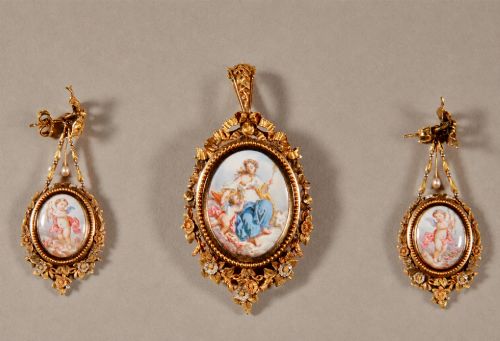
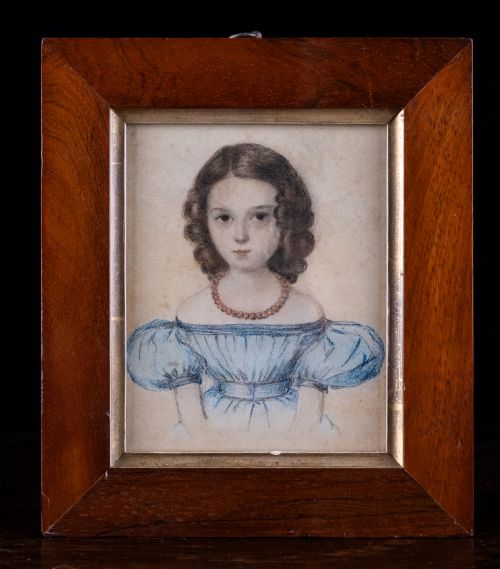
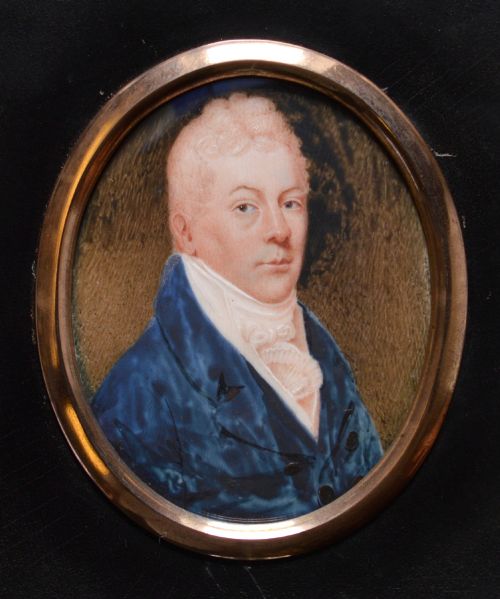
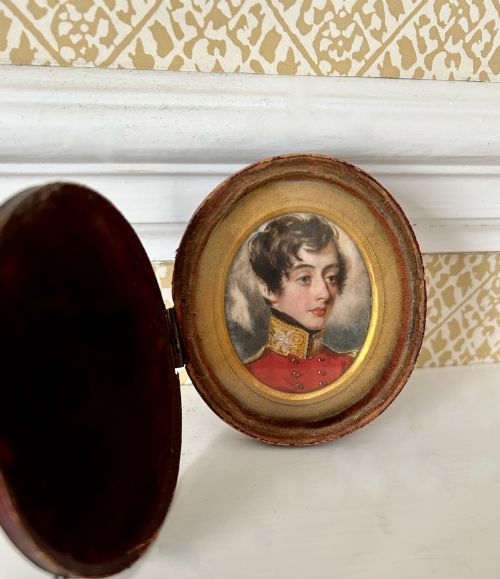
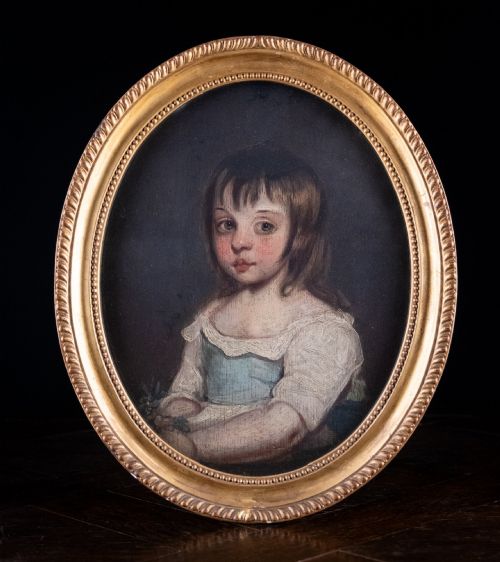
A fine art miniature delivers concentrated portraiture and painted scenes on a small canvas, paper, ivory, or copper support. These works focus heavily on human likeness, recording officers, gentlefolk, children, and historical figures.
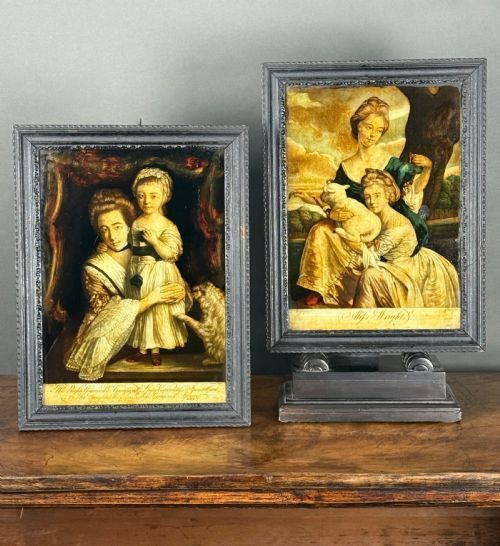
The versions most commonly met across these listings stem from the Georgian and Regency eras, alongside selected seventeenth-century copper works and later nineteenth-century interpretations. Portrait miniatures dominate the selection, appearing alongside silhouettes and reverse glass mezzotints.
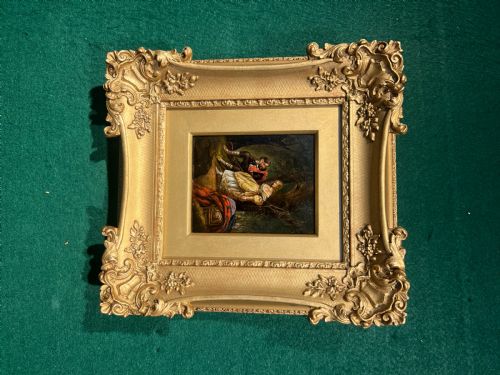
Makers and schools from Britain, Ireland, and continental Europe populate the works, bridging intimate domestic portraiture with formal oil paintings scaled down for personal keeping.
Materials and technique
Artists painted fine art miniature works using watercolour on paper or ivory, alongside oil on copper, gouache, pastel, and reverse glass mezzotint. Ivory provided a luminous base that gave skin tones a natural, glowing depth.
Makers housed these small paintings within giltwood, gilt metal, or wood frames, often protecting the delicate surfaces beneath curved glass. Silhouettes involved precise hand-cut paper paired with watercolor details.
Fine Art Miniature Retail Price Guide 2026
Typical asking prices for fine art miniature among the pieces listed under this phrase on Sellingantiques today, from the lower quarter to the upper quarter. They describe what is for sale here now, not the wider market.
Listings feature works spanning the seventeenth, eighteenth, and nineteenth centuries, utilising watercolour, oil, paper, and ivory.
Judging quality and execution
Quality rests in the precision of the brushwork, the psychological depth captured in the subject's expression, and the preservation of the delicate surface medium. Superior pieces display meticulous detail in lace, hair, and uniform insignia.
The integrity of the original housing also dictates value, where period gilt frames and undamaged convex glass maintain the piece's authentic domestic context.
Anna Tonelli·James Sharp·John Taylor·William Naish·Nicolas Freese·Frederick Buck·Albin R Burt·William Egley·Edward Pugh·Samuel Cotes·Isaac Wane Slater·Diana Hill·AE Chalon·Sir Peter Lely·George Perfect Harding·John Scougall·Elisabeth Vigee Le Brun
The Fine Art Miniature Glossary
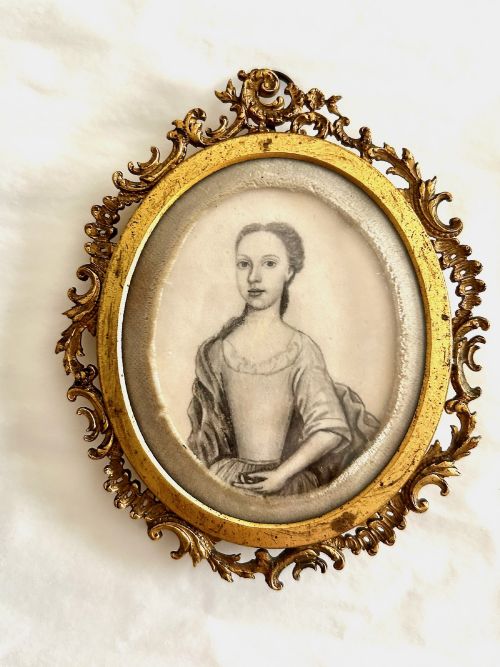
- Plumbago
- A drawing executed in graphite, taking its name from the Latin word for lead ore. These detailed monochrome works were popular for portrait miniatures in the eighteenth century.
- Reverse glass mezzotint
- An image transferred and painted directly onto the reverse side of a glass panel. This technique created rich tonal contrasts visible from the front.
- Miniature
- A painting or portrait executed on a small scale, often designed to be worn as jewellery or carried in a pocket. The format demands immense technical skill from the artist.
- Giltwood
- Wood carved and coated with gold leaf or a gold-coloured metallic finish. It frequently surrounds these small artworks to add warmth and reflection.
Fine Art Miniature: Frequently Asked Questions
What are fine art miniatures?
These pieces are small-scale paintings and portraits produced on materials such as ivory, paper, copper, and glass.
Artists painted them to capture the likeness of family members, military officers, and public figures for private keeping.
How were miniatures displayed originally?
Owners kept these small artworks inside fitted pocket cases, hung them closely on domestic walls, or wore them as personal pendants.
The delicate frames and convex glass protected the fragile watercolour or oil layers from dust and handling.
How do I date a miniature portrait?
Dating relies heavily on the clothing styles, hairstyles, and framing techniques visible in the artwork.
Georgian and Regency examples often display distinct collar shapes, bonnets, and military uniforms tied to specific decades.
What is painted ivory in miniatures?
Artists used thin slices of ivory as a painting surface because its translucent quality mimics the glow of human skin.
Watercolour applied lightly over this base creates lifelike luminosity in portrait subjects.