

Gold Framed Landscape Picture
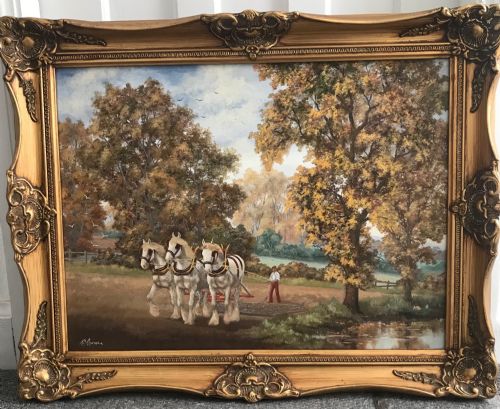
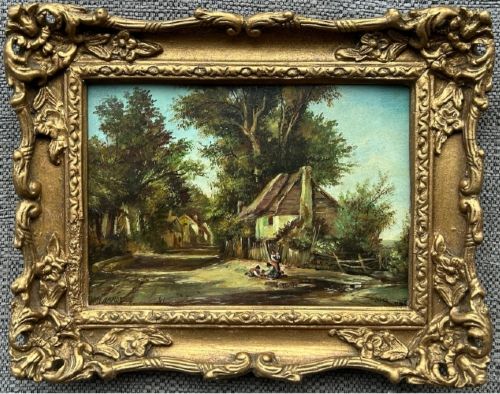
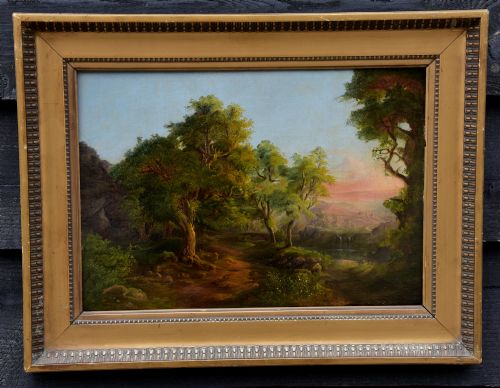
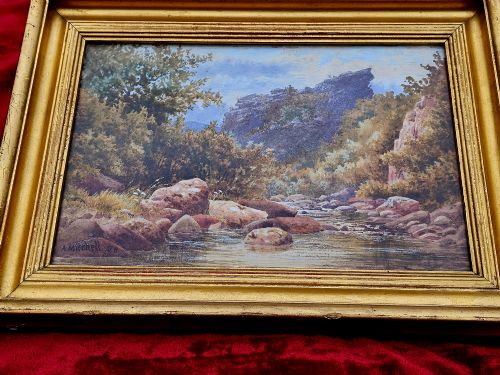
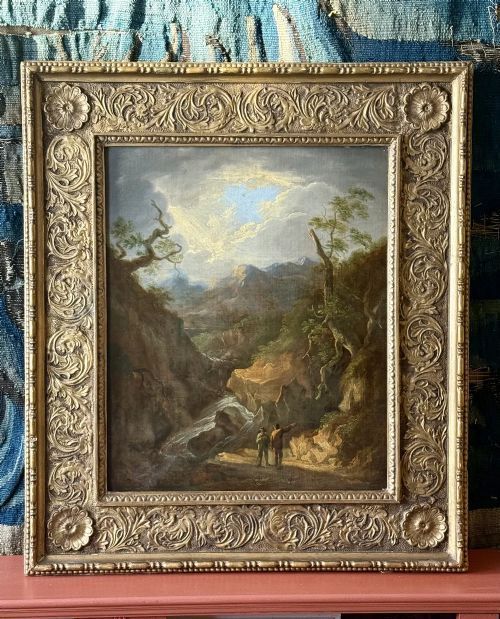
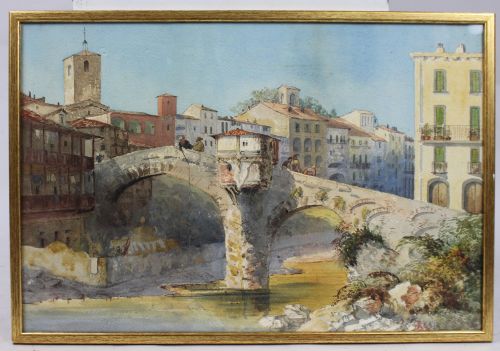
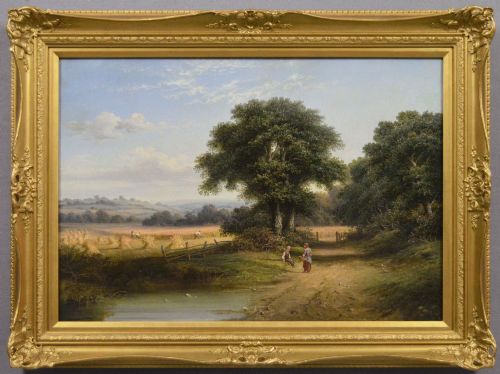
A gold framed landscape picture brings the outdoors inside, pairing painted views of fields and rivers with ornate timber or gesso surrounds.
Gold Framed Landscape Picture
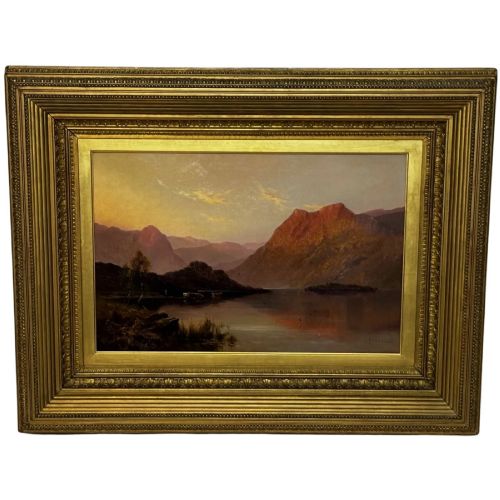
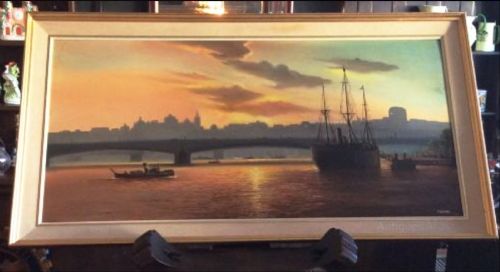
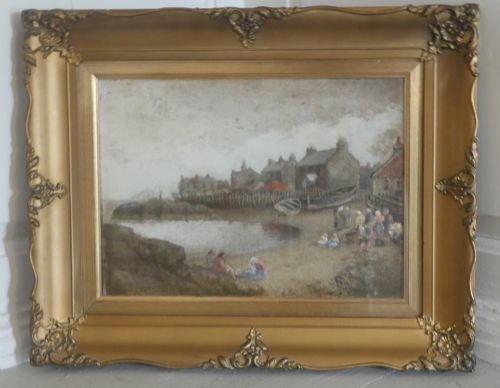
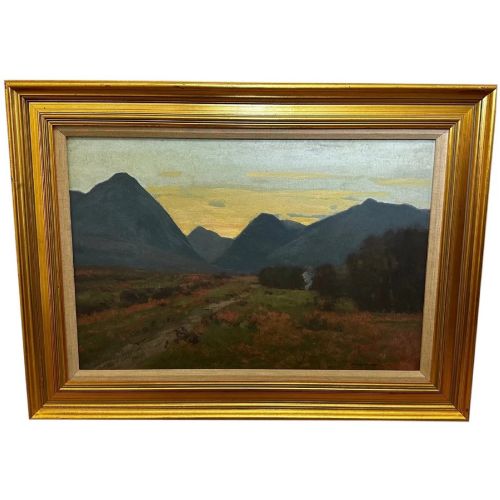
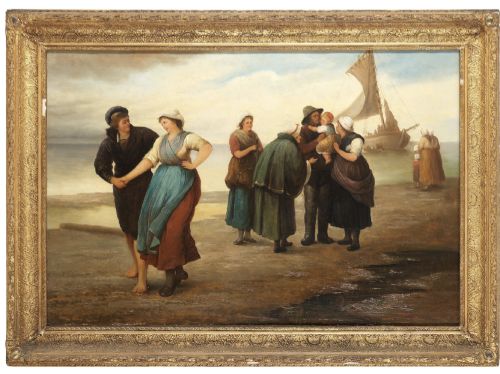
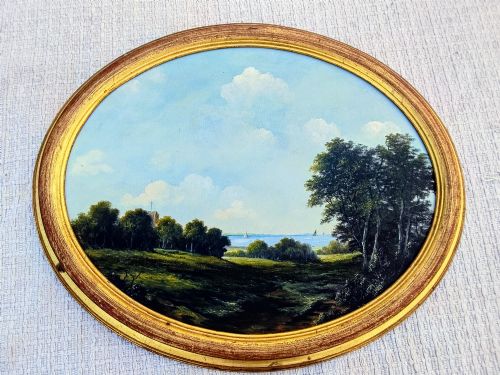
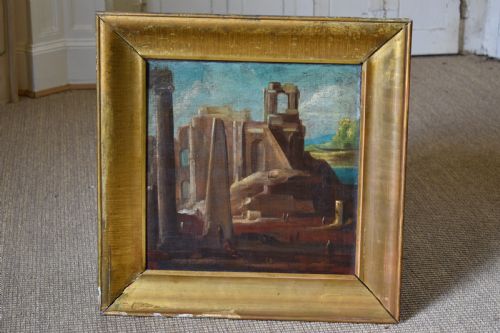
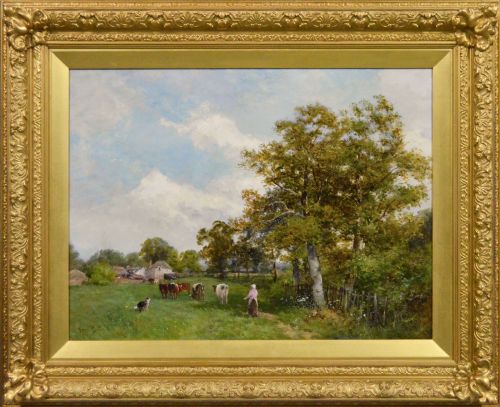
When someone searches for a gold framed landscape picture, they encounter traditional painted scenes of nature enclosed within gilded borders. The pieces span periods from the nineteenth century through to the mid-twentieth century, showing rural views, coastal scenes and woodland settings.
Oil on canvas and watercolour paintings dominate the selections, alongside framed art prints and lithographs. The overarching style draws heavily on Victorian, Edwardian and British impressionist traditions, presenting pastoral life and topography.
Most examples rely on wooden frames finished with gesso and gold leaf or gilt paint to set off the painted composition. Buyers meet works by named regional painters alongside pieces attributed to broader nineteenth-century British and European schools.
Materials and construction
Painters applied oil or watercolour onto woven canvas, wooden panels or heavy paper sheets. Oil paint allowed artists to build rich, textured surfaces representing light on water or foliage, whilst watercolours captured translucent atmospheric effects.
Surrounding the artwork, carpenters and framers built wooden structures coated in layers of gesso before applying the final gilt finish. This decorative moulding protected the edges of the canvas or paper and provided a reflective boundary to frame the view.
Materials span oil on canvas, watercolour, gesso, glass, and wood.
Evaluating the standard
The skill of the brushwork and the handling of natural light distinguish finer paintings from simpler decorative output. Stronger compositions demonstrate careful perspective and a confident rendering of weather, foliage and figures within the landscape.
The craftsmanship of the framing also dictates quality, separating hand-carved and deeply moulded gesso surrounds from plain modern substitutes. Original frames that retain their untouched gilding add considerable integrity to the overall piece.
William Howard Hardy·David Bates·Walter Heath Williams·Francis Moltino·David Roberts·Joseph Farquharson·Erich Mercker·Charles Leslie
The Gold Framed Landscape Picture Glossary
- Gesso
- A plaster-like mixture applied to wooden frames as a base for gilding. It is built up in smooth layers before being stamped or carved with decorative motifs.
- Gilt wood
- Timber treated with gold leaf or metallic paint to create a reflective golden surface. It forms the classic border for traditional art.
- Oil on canvas
- Pigment mixed with drying oils applied to a stretched cloth support. This technique permits deep colour saturation and visible brush texture.
- Lithograph
- A print produced from a flat stone or metal plate treated to retain ink in designated areas. It allows multiple reproductions of an original drawing.
Gold Framed Landscape Picture: Frequently Asked Questions
How do I hang a heavy framed landscape?
Heavy oil paintings require sturdy fixings screwed directly into wall studs or masonry using appropriate rawlplugs. Picture wire rated for the specific weight distributes the load safely across two wall hooks.
Position the centre of the picture at eye level, ensuring the surrounding wall space balances the visual weight of the gilt frame.
Where should I place these pictures at home?
These works suit traditional living rooms, studies and hallways where natural light enhances the gilt frame and painted details. Avoid hanging them in direct sunlight or damp spaces such as unventilated bathrooms.
Pairing a landscape with period furniture creates a cohesive room scheme that reflects nineteenth-century interior aesthetics.
How do I date a landscape painting?
The style of dress worn by any figures, the stretcher construction behind the canvas, and the framing technique all offer clues to the period. Victorian and Edwardian works often feature specific canvas stamps and distinct brushwork conventions.
Signatures, exhibition labels on the reverse, and biographical details of the artist help narrow down the exact decade of creation.