


Original Yorkshire Artwork
Original yorkshire artwork captures the topography, coastlines, and rural settlements of the county through historical paintings and watercolours.
Original Yorkshire Artwork
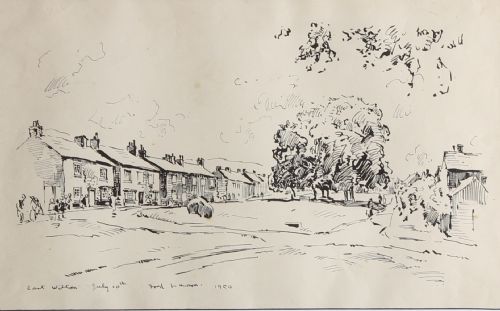
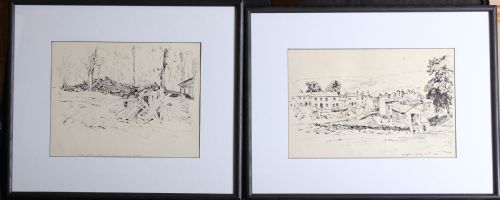
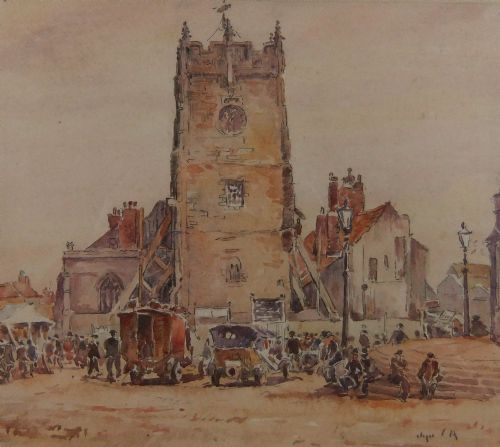
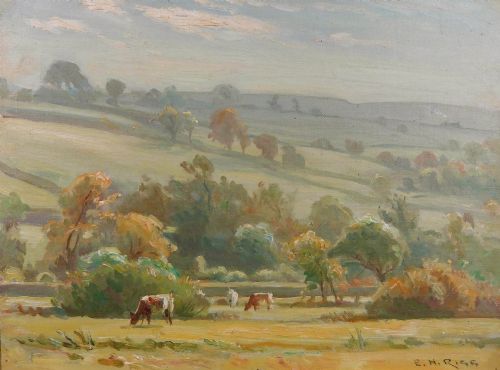
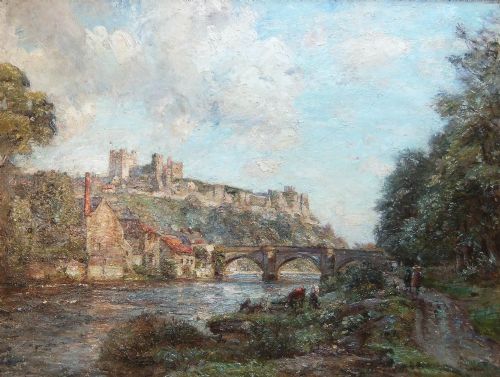
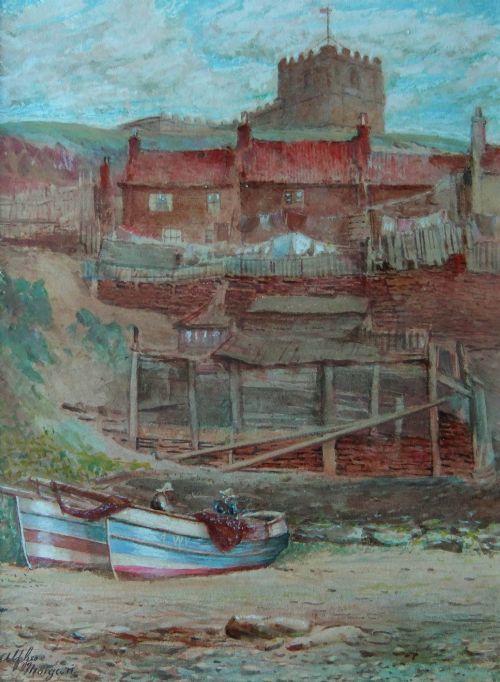
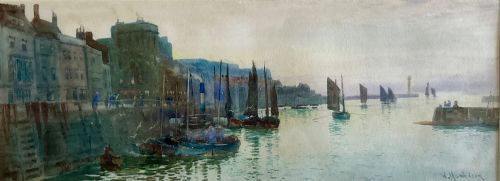
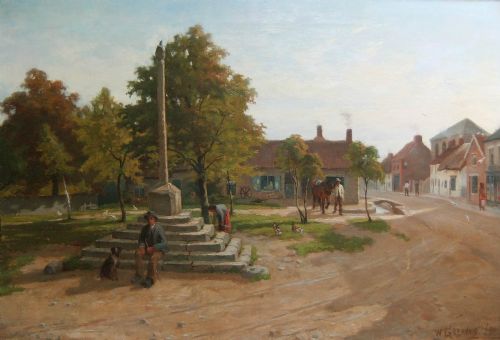
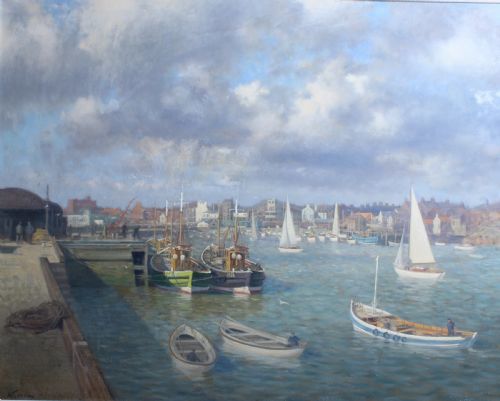
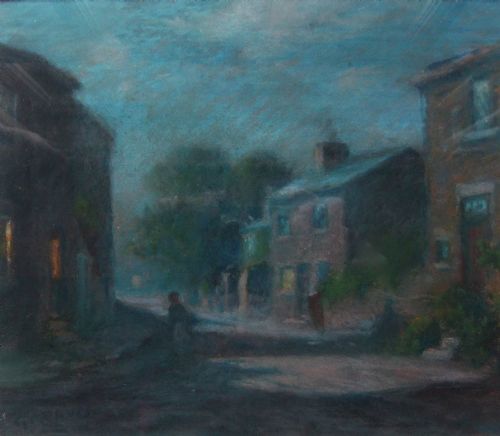
Original yorkshire artwork encompasses paintings and watercolours produced across the late nineteenth, Victorian, and mid-twentieth centuries. These works concentrate heavily on regional topography, recording identifiable landmarks, rural farmsteads, and coastal harbours.
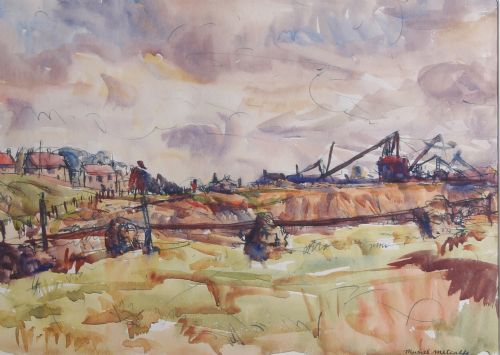
The most frequent examples encountered on this page are watercolours and oil paintings created by British artists working during the Edwardian period and the early twentieth century. Subjects range from the North Yorkshire coast around Whitby and Staithes to inland dales and agricultural valleys.
Makers and painters represented in the selections include regional figures and members of established artistic circles who recorded local scenery. Their output forms a coherent record of northern landscapes executed in traditional painting media.
How they were made
Works in this category rely primarily on oil paint or watercolour pigment applied to canvas, wood panels, paper, or board. Oil paints provide heavier texture and opacity, particularly on stretched canvas or panel supports.
Watercolour works utilise fluid pigments on paper, sometimes combined with ink drawing or pastel for finer detail and line work. Support materials reflect standard studio practices of the Victorian and mid-century periods.
Several artists clearly braved freezing Yorkshire winters, returning with snow-laden views of Wensleydale and icy streams.
What varies in quality
Gradations in quality depend upon the artist's handling of light, atmosphere, and spatial depth within the Yorkshire landscape. Stronger examples demonstrate confident brushwork and precise tonal control over coastal weather or evening illumination.
Compositional ambition and the specificity of the location further differentiate individual pieces. Works capturing nuanced atmospheric conditions outrank simpler, formulaic topographical views.
Muriel Metcalfe·Fred Lawson·John Smith Atherton·Ernest Higgins Rigg·Herbert Royle·Alfred G. Morgan·William Matthison·William Greaves·Walter Goodin·F A Roylance·Robert Little·William JB Jenkins·Arthur Reginald Smith·Cuthbert Crossley·Reginald Grange Brundrit·Arthur Tucker·Robert Leslie Howey·Owen Bowen·Tom Clough·Florence Hess·James Watson·George Weatherill·Frank H. Mason·George Hamilton Constantine
The Original Yorkshire Artwork Glossary
- Watercolour
- A painting method where fine pigment is suspended in a water-soluble binder and applied to paper. It allows for transparent washes and delicate tonal gradation.
- Oil painting
- The process of painting with pigments bound in a drying oil, typically linseed. This medium permits rich textures and extensive blending time on canvas or panel.
- British Impressionism
- A painting style influenced by French movements but adapted by British artists to capture natural light and outdoor scenes. It prioritises visible brushstrokes and luminous colour palettes.
- Staithes artist
- A painter associated with the fishing village of Staithes on the Yorkshire coast, known for plein-air marine and local genre scenes. These artists formed a notable regional community.
Original Yorkshire Artwork: Frequently Asked Questions
What subjects appear in these works?
These pieces predominantly depict Yorkshire landscapes, including coastal harbours, fishing docks, sweeping dales, and rural farmsteads. Scenes often focus on recognisable locations such as Whitby, Staithes, Richmond, and Wensleydale.
Artists recorded the changing light of the coast and inland valleys through different seasons, ranging from snowy moorlands to evening light on the North Yorkshire coast.
How should I frame an antique painting?
Antique paintings and watercolours require framing materials that protect the paper or canvas from environmental damage. Traditional wood mouldings matching the period of the artwork are often chosen to complement the visual style.
Watercolours require conservation mounting with acid-free board and glass to prevent moisture accumulation and fading from direct light exposure.
How do I identify the period of a piece?
Periods can often be determined by stylistic markers, artist signatures, and the physical materials used for the support. Edwardian and Victorian works frequently utilise specific paper types, framing methods, or tonal palettes characteristic of their decade of creation.
Inscribed titles or signatures on the reverse or front of the work provide direct reference to the active dates of the painter.
Where were these paintings displayed originally?
Many of these works were produced by regional artists for local exhibition, domestic display, or sale within northern galleries. They reflected a growing interest in British landscape art and local topography during the late nineteenth and early twentieth centuries.
Owners typically hung them in domestic interiors as records of familiar Yorkshire scenery or coastal holiday locations.