
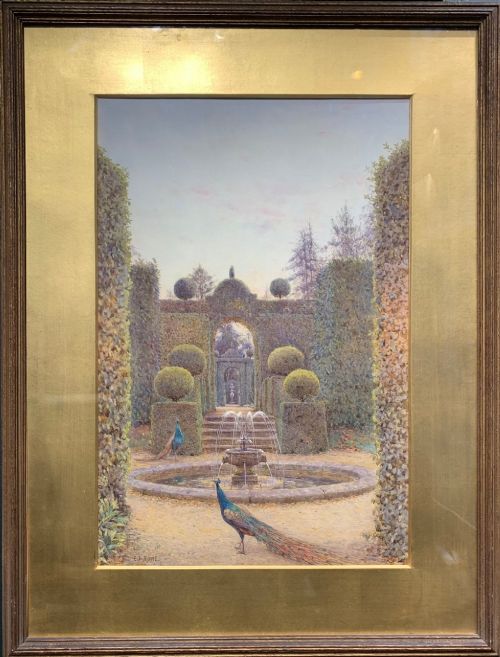

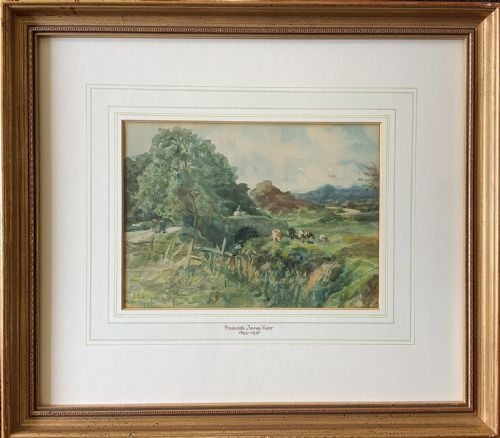
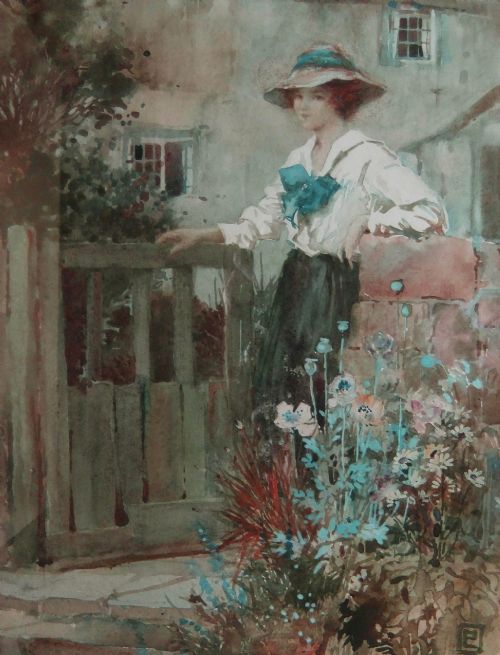
Country Landscape Watercolour
Country landscape watercolour works capture rural scenes across Britain through pigment on paper.
Country Landscape Watercolour
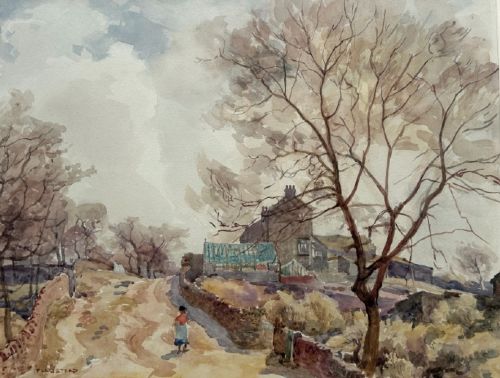
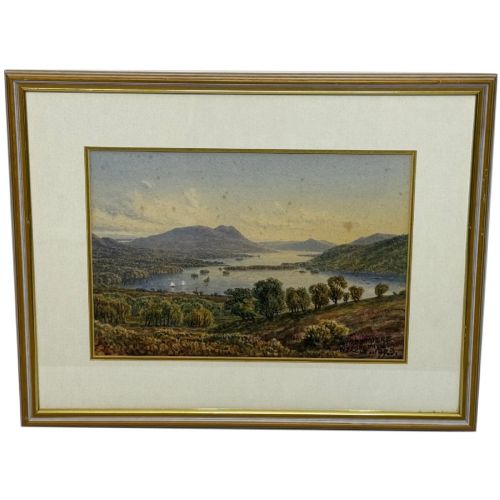
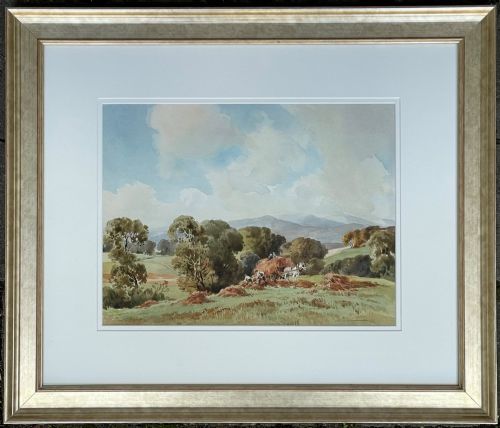
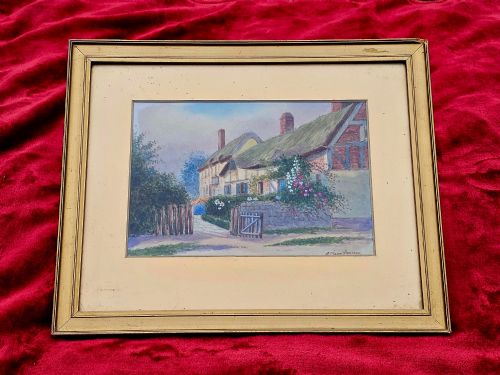
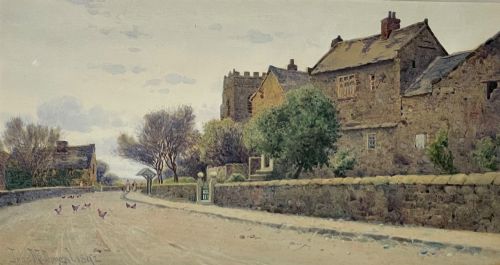
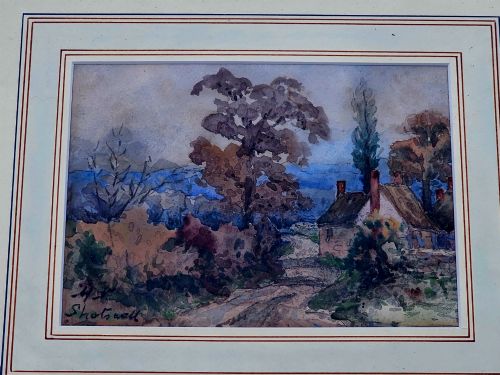
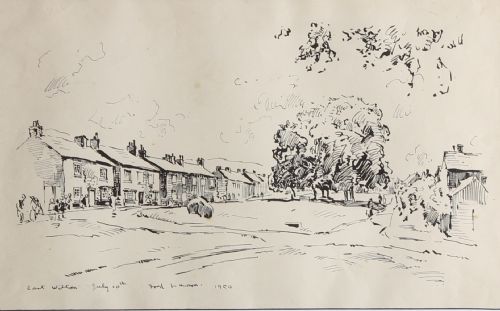
A country landscape watercolour represents rural views, villages, rivers and farming scenes created across the nineteenth and twentieth centuries. These paintings record changing British countryside traditions through the hands of named artists and regional schools.
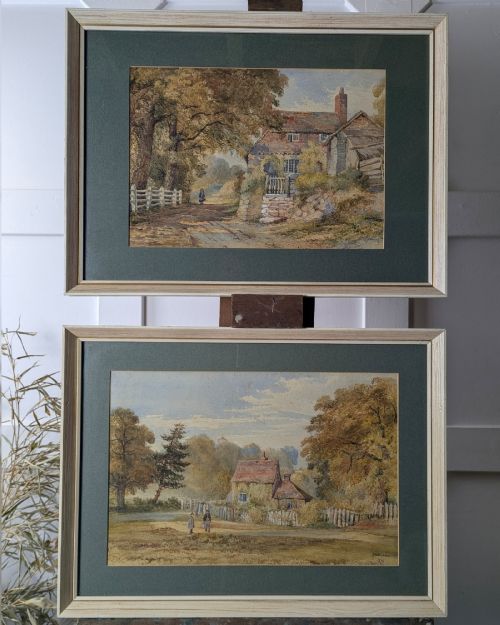
Most examples found here date from the Victorian and Edwardian eras up to the mid-century period. Common formats include framed artwork depicting cottages, moorlands, harvest fields and pastoral paths.
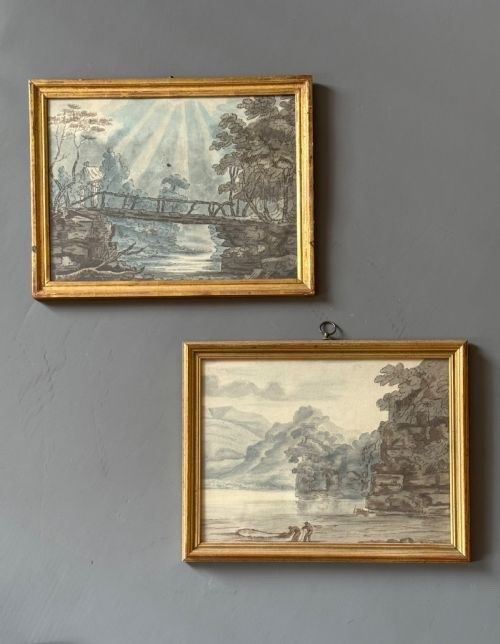
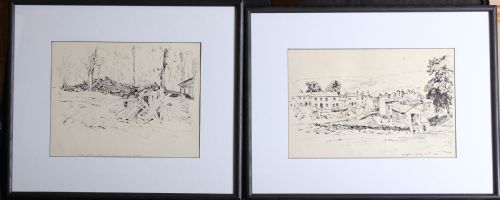
Buyers encounter individual sheets and pairs, often preserved behind glass in period timber frames. The subjects range from quiet local lanes to expansive northern dales and southern river valleys.
How They Were Made
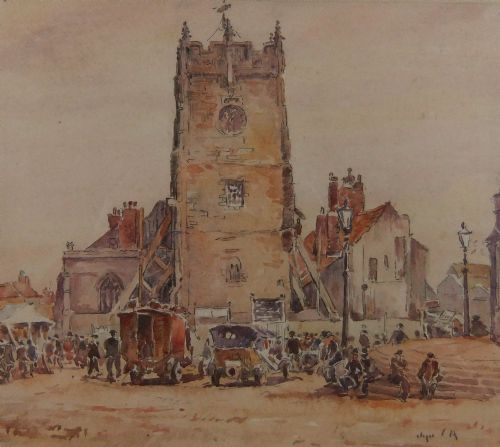
Artists applied watercolour pigment onto paper support, occasionally incorporating ink lines and touches of bodycolour to define details. Many works combine transparent washes for skies and distant hills with more opaque pigment in the foreground.
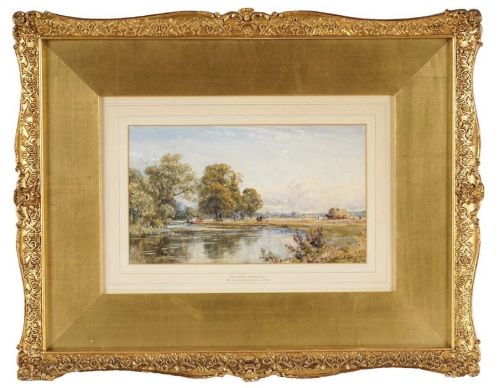
Finished sheets were secured behind glass and mounted within wood frames, frequently highlighted with gold leaf or gilt mouldings to complement the composition.
The selection spans the Victorian, Edwardian, and mid-century periods through traditional British landscape styles.
What Varies in Quality
Quality rests upon the sureness of the brushwork and the artist's command of light and atmosphere across the rural scene. Stronger compositions display confident tonal control and precise observation of weather, foliage and terrain.
The preservation of the paper support and the vibrancy of the original pigment heavily influence the visual impact. Works that retain their original character without excessive fading or discoloration stand out within the selection.
Percy Lancaster·John McDougal·Fred Lawson·Robert Thorne Waite·Ernest Arthur Rowe·James Orrock·Ernest Pile Bucknall·Theresa Stannard·John Syer·Claude Hayes
The Country Landscape Watercolour Glossary
- Watercolour
- A painting method where fine pigment is mixed with water-soluble binders and applied to paper. This medium allows for luminous washes and delicate atmospheric effects.
- Bodycolour
- Watercolour mixed with white pigment to create an opaque finish. Artists utilise this technique to add highlights and solid details to a composition.
- Grisaille
- A painting executed entirely in shades of grey or neutral monochrome. This method emphasises form and tonal value over naturalistic colour.
- Provenance
- The documented history and ownership of an artwork. Clear records help establish attribution and authenticity.
- Wash
- A thin, fluid layer of diluted pigment spread across the paper. Painters employ this technique to build up skies and broad background expanses.
Country Landscape Watercolour: Frequently Asked Questions
How do I date an old watercolour?
Dating relies on stylistic markers, framing methods, and artist signatures recorded in the work. Paper types and handwritten inscriptions on the reverse also provide clues to the period.
Comparison with documented examples by the same hand helps narrow the decade of production.
Are these paintings original?
The works listed are original hand-painted art on paper rather than modern mechanical reproductions. Each piece is an individual creation by the artist.
Brushstrokes and pigment texture remain visible under close inspection.
How should I frame and hang them?
Watercolours require protection behind glass to prevent atmospheric damage to the paper. Acid-free mounts keep the painting surface separate from the glazing.
Displaying them away from direct sunlight preserves the fugitive pigments found in nineteenth-century works.
What subjects are most common?
Rural views dominate the selection, including harvest fields, rivers, country lanes, and farming cottages. Coastal scenes and moorland paths also appear frequently across the periods.
These subjects reflect the Victorian and Edwardian taste for pastoral escapism.