





Signed Original Landscape Artwork
Signed original landscape artwork captures scenery from the brush of identified hands across the nineteenth and twentieth centuries.
Signed Original Landscape Artwork
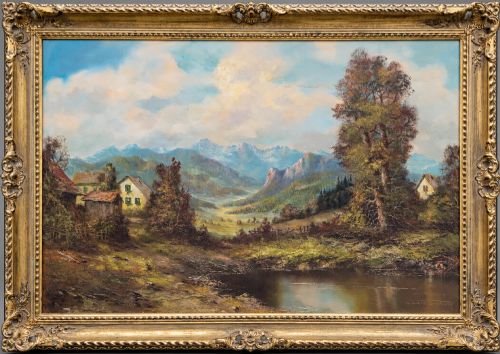
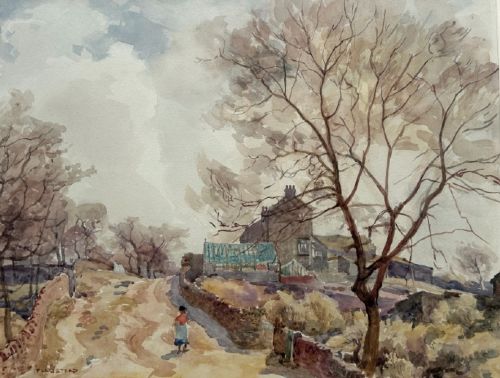
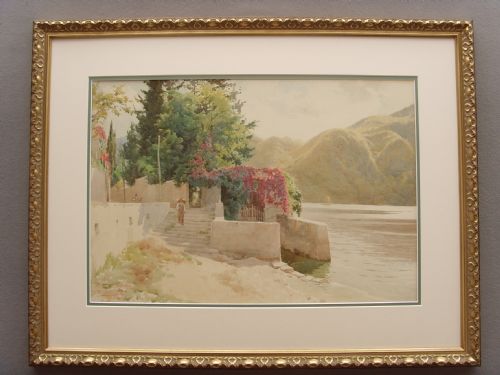
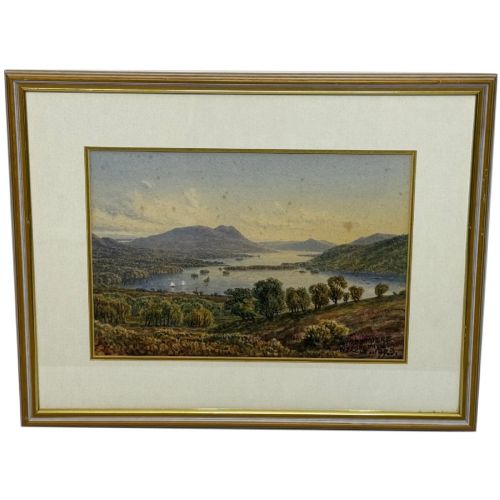
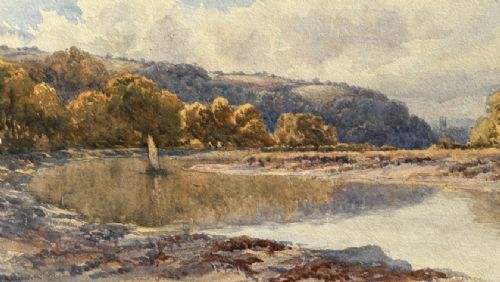
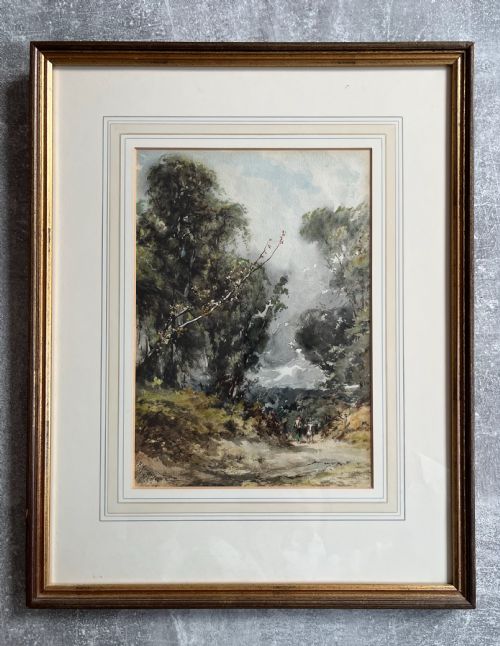
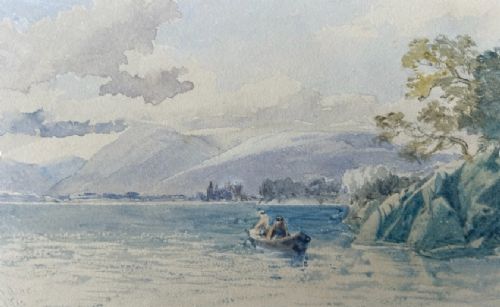
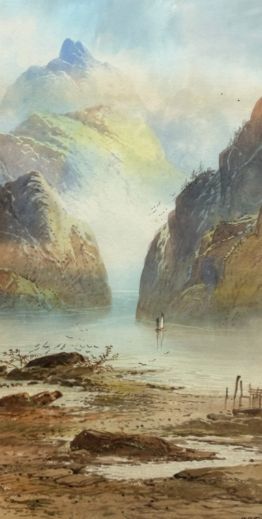
A signed original landscape artwork typically presents framed views of rivers, coastal shores, and highlands executed by identified artists. These creations range from nineteenth-century watercolours to mid-twentieth-century oil paintings on canvas, board, and wood panel.
Buyers encounter British regional scenes spanning Scotland, Wales, and the English Lake District alongside continental subjects. Styles shift from Victorian academic traditions through to early twentieth-century impressionism and modern British interpretations.
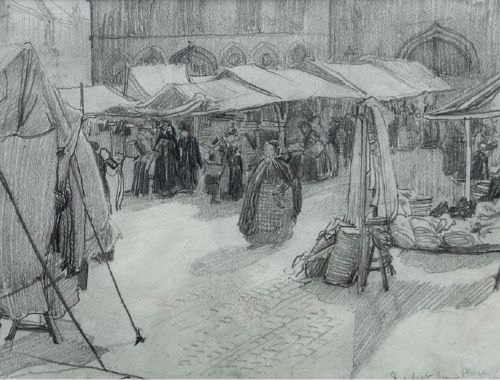
The selection centres on individual works bearing artist signatures or monograms, encompassing both intimate pencil drawings and broader oil compositions.
Materials and execution
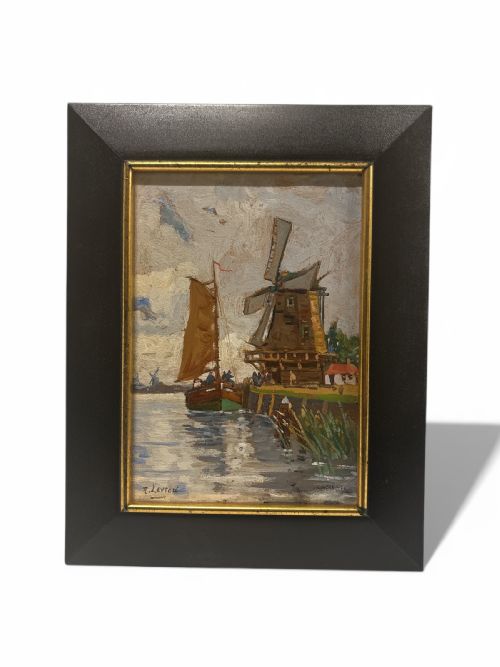
Painters applied oil and watercolour pigments onto varied supports including stretched canvas, prepared wooden panels, and absorbent paper. Gilt framing frequently accompanies these pieces, preserving the edges and complementing the pictorial space.
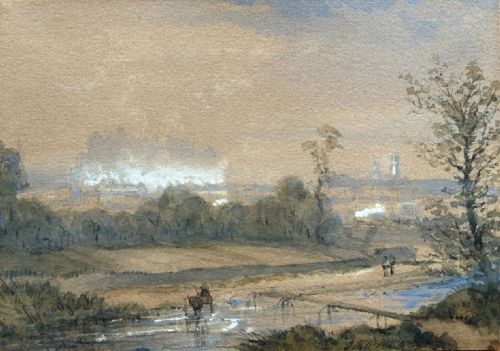
Techniques vary from delicate transparent washes in watercolour to thick impasto strokes of oil paint applied en plein air. Pencil work appears in preparatory sketches and detailed topographical drawings.
Listings feature works created between the nineteenth century and the nineteen-sixties, spanning watercolours, oils, and pencil drawings.
Distinctions in quality
Quality rests upon the sureness of the draftsmanship and the artist's ability to render atmospheric light and topographical depth. Stronger pieces display confident brushwork and harmonious tonal balance rather than rigid adherence to formulaic scenery.
The preservation of the original paper or canvas surface, together with the integrity of early framing, influences the overall standing of an individual painting.
Kenneth Cozens·George Fotherly Hargitt·Thomas Miles Richardson Jnr·James Orrock·William Henry Earp·Henry Percy Huggill·John R Prentice·William H Myers·Tom Campbell·Frederick Marriott·Arthur Wardle·Alfred Fontville de Breanski Jr·Sidney A Court·Robert Leslie Howey·George Houston·William Banks Fortescue·Robert Morson Hughes·Thomas W Lascelles·William Joseph Boyes·Russell Sidney Reeves·John Bond
The Signed Original Landscape Artwork Glossary
- Impasto
- Paint applied thickly to a canvas or panel, standing visibly above the surface. This technique creates a textured, three-dimensional effect that catches light across the painted landscape.
- En plein air
- Painting outdoors to capture natural light and transient weather conditions directly. Artists working in this manner often complete landscapes in a single sitting.
- Watercolour
- Pigment suspended in a water-soluble binder, traditionally applied to paper. It relies on the white of the paper showing through transparent washes to create luminosity.
- Monogram
- A cipher formed by overlapping or combining the initials of an artist's name. It serves as an abbreviated signature on nineteenth and twentieth-century works.
- Provenance
- The documented history of a work's ownership and origin. Clear provenance helps verify the attribution of signed pieces.
Signed Original Landscape Artwork: Frequently Asked Questions
How do I identify the artist?
Signatures, monograms, or inscriptions written on the front or reverse of the canvas, board, or paper provide the primary attribution. Comparing these signatures with known records helps confirm the creator.
Examine the framing and labels on the back, as previous galleries or framing shops often note the artist's full name and title of the scene.
Where should I hang these paintings?
Choose interior walls that avoid direct, harsh sunlight to protect watercolours and oil pigments from fading over time. Stable room temperatures away from moisture sources ensure the paper and wood supports remain undamaged.
Consider eye-level placement in rooms with neutral lighting where the specific tones of the landscape can be appreciated without glare from surrounding windows.
What is the difference between oil and watercolour?
Oil paint utilises a slow-drying oil medium that allows artists to blend colours smoothly and build rich, opaque layers on canvas or wood panels. Watercolour employs water-soluble binders on paper, creating translucent washes that rely on the reflective quality of the paper beneath.
Oil works generally require protective wooden frames without glass, whereas watercolours need glazing and mats to keep the paper surface safe from atmospheric moisture.
How are nineteenth-century landscapes dated?
Dated signatures or inscriptions written directly on the painting or the backing paper offer the most direct evidence of creation time. Stylistic clues, such as clothing styles of figures within the scene or specific architectural landmarks, also narrow down the period.
Examine the framing materials, canvas weave, and paper watermarks, which often correspond to manufacturing techniques typical of the Victorian or Edwardian eras.