


Edwardian Style Landscape Art
Edwardian style landscape art captures pastoral quietude and atmospheric twilight through charcoal and oil, offering buyers a serene window into British countryside and urban scenes.
Edwardian Style Landscape Art
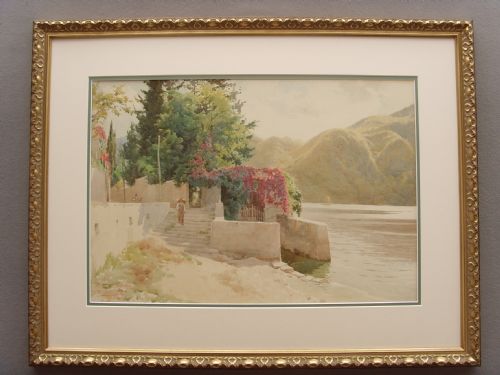
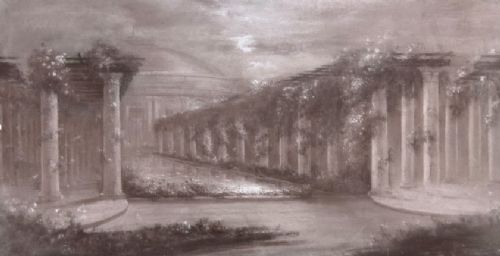
Edwardian style landscape art encompasses atmospheric charcoal drawings and oil paintings depicting British pastoral scenes, river banks, and winter gardens. When searching for this phrase, buyers encounter original artworks created across the nineteenth and twentieth centuries, reflecting enduring pastoral traditions.
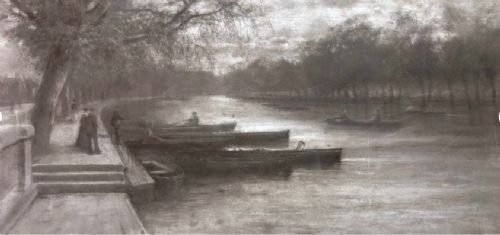
The pieces on this page span several decades, featuring works from eighteen ninety through to nineteen sixty alongside nineteenth-century examples. Common subjects include English landscapes, country cottages, coaching scenes outside inns, and river banks with figures picking flowers.
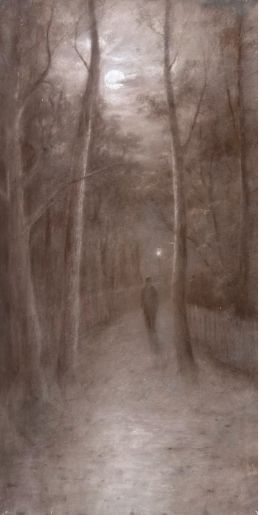
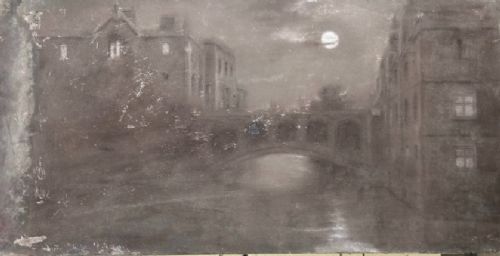
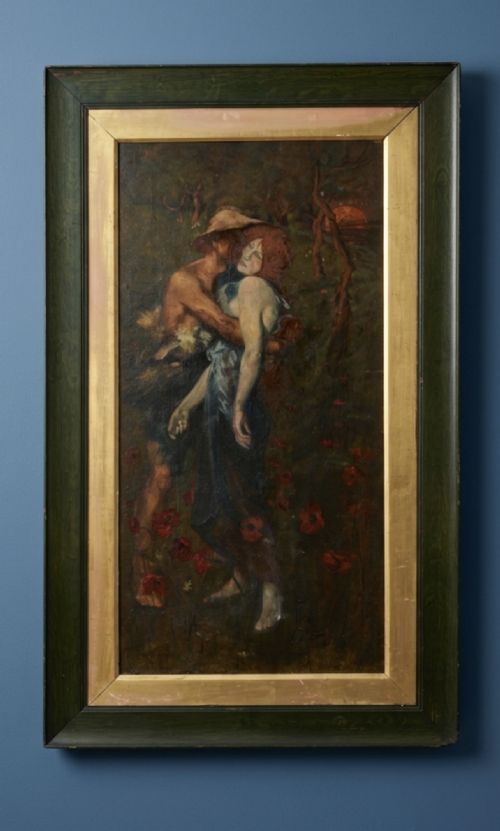
Stylistic influences range widely across the selection, incorporating Tonalism, Victorian Symbolism, the Pre-Raphaelite movement, and British Impressionism. Many works show the distinct influence of artists like Grimshaw and Whistler, focusing on moody light and twilight conditions.
Materials and Techniques
Artists utilise oil paint and charcoal on canvas, paper, and canvas stretchers to achieve depth and texture in these landscapes. Some works incorporate gilt wood framing to complement the finished painting.
Techniques rely heavily on tonal balance and atmospheric perspective, particularly in charcoal drawings attached to canvas stretchers. Watercolour painting also appears alongside oils, capturing finer details in figures and pastoral settings.
Listings feature works from eighteen ninety through to nineteen sixty, utilising canvas, paper, charcoal, oil paint, and gilt wood.
Factors of Quality
Quality rests upon the artist's handling of light, atmosphere, and proportion within the landscape. Stronger works demonstrate confident brushwork or charcoal handling that creates a distinct mood.
The preservation of the original support, whether canvas, paper, or stretcher, influences the overall integrity of the piece. Framed watercolours and oils retain greater visual impact when housed in period-appropriate frames.
Philip Richard Morris·Frederick Septimus Lewis·Claude Cardon·Peter Jackson·George Morland·Robert John Hammond·John Charles Maggs·Fred Merriman
The Edwardian Style Landscape Art Glossary
- Tonalism
- An artistic style where mood and shadow predominate over sharp details, often depicting landscapes in twilight or mist. This approach creates a quiet, contemplative atmosphere in the artwork.
- Charcoal
- A dry drawing medium made from organic carbon, used to build deep darks and subtle greys on paper or canvas. It allows for rapid, expressive marks that suit atmospheric scenes.
- Canvas Stretcher
- A wooden framework that holds a painted canvas taut and secure. Older pieces often retain their original stretchers, which provide historical context.
- Pre-Raphaelite
- A nineteenth-century movement focused on detailed observation of nature, bright colours, and serious subject matter. Its influence appears in several pastoral and figurative compositions.
Edwardian Style Landscape Art: Frequently Asked Questions
What defines edwardian style landscape art?
Edwardian style landscape art captures British rural and urban views with an emphasis on atmosphere, twilight, and pastoral calm. The works draw upon tonalist and impressionist traditions to evoke a specific mood rather than a strict topographical record.
Paintings and drawings in this category frequently feature rivers, cottages, and figures within pastoral settings, utilising oil or charcoal as primary mediums.
How should I display charcoal landscape drawings?
Charcoal drawings on paper require careful framing behind protective glass to prevent dust and moisture damage. Keeping them away from direct sunlight preserves the deep carbons and paper integrity.
Displaying them in appropriately proportioned frames complements their tonal qualities and maintains historical presentation standards.
Are these artworks original pieces?
The selection includes original period artworks alongside occasional period copies, all created with traditional materials like oil paint and charcoal. Each listing records the specific medium and support used by the artist.
Examining the canvas, paper, and stretcher construction helps verify the period and authenticity of individual works.
What subjects are common in these landscapes?
Common subjects include river banks, country houses, coaching inns, and winter gardens across various British locations. Figures engaged in quiet daily activities often animate the rural scenery.
Artists frequently explore changing light conditions, particularly evening atmospheres and misty rural views.