

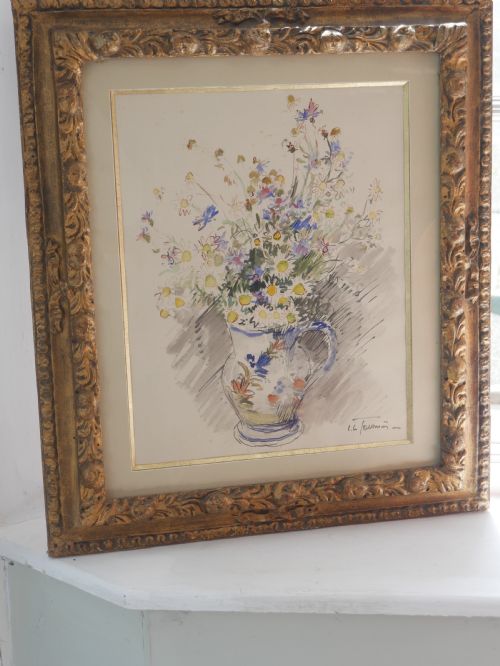


Gold Framed Drawing
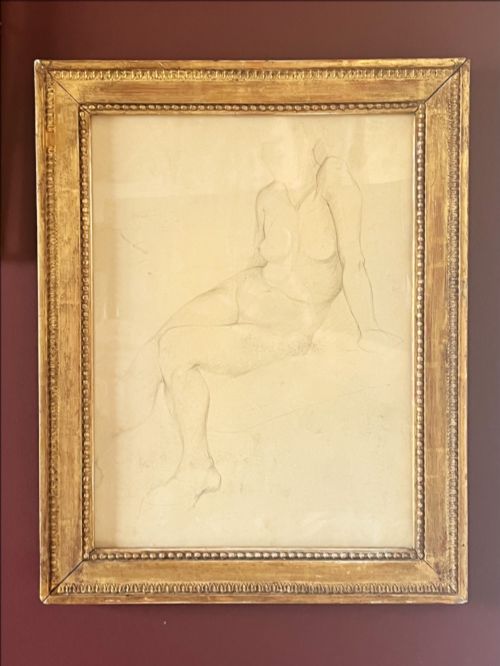
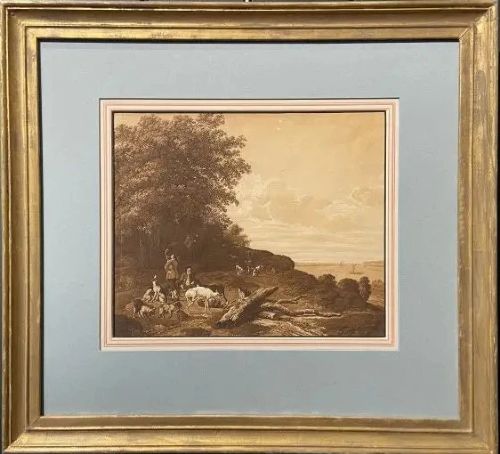
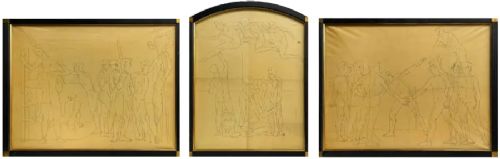
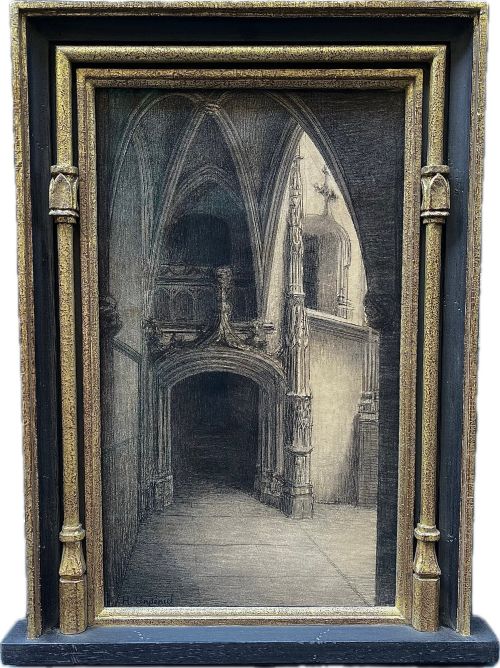
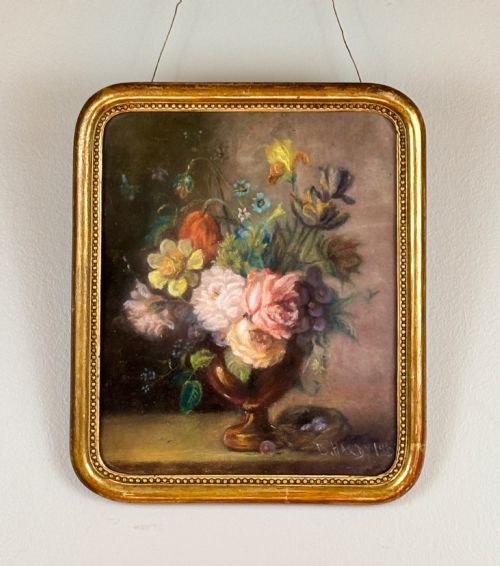
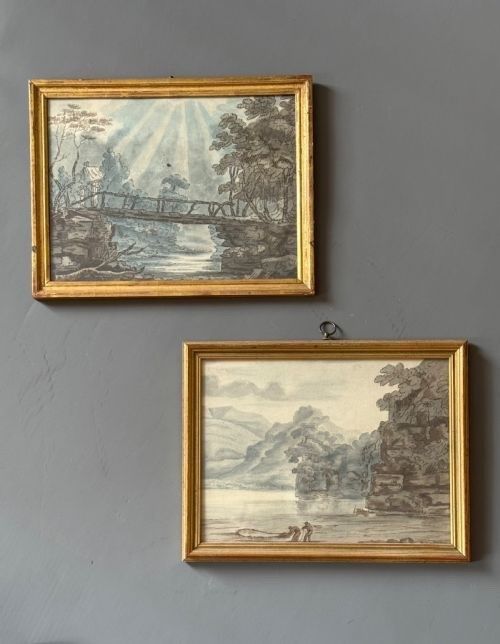
When you search for a gold framed drawing, you uncover works on paper held in gilded wooden surrounds that span multiple centuries.
Gold Framed Drawing
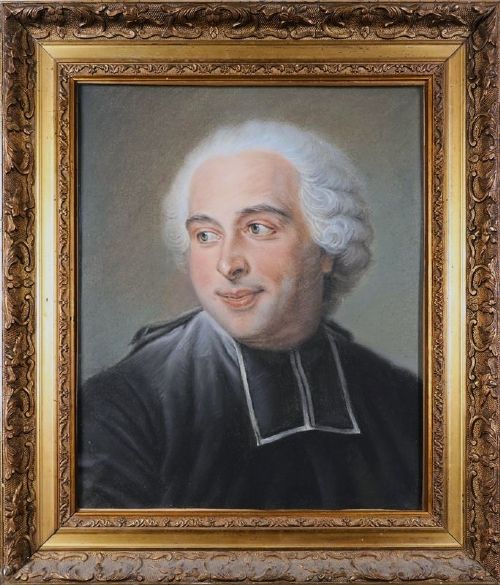
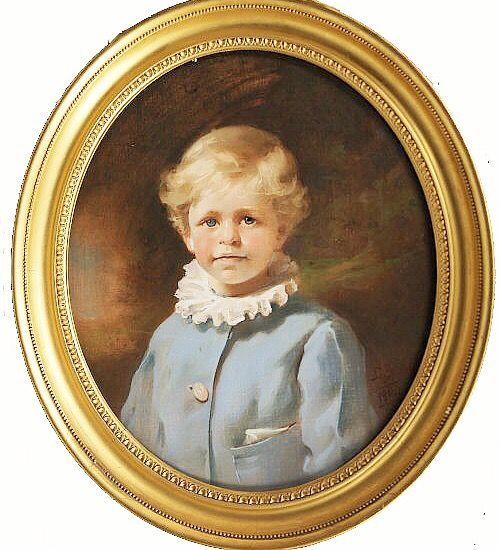
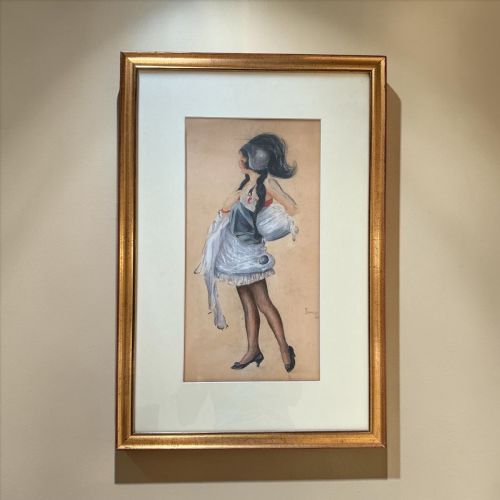
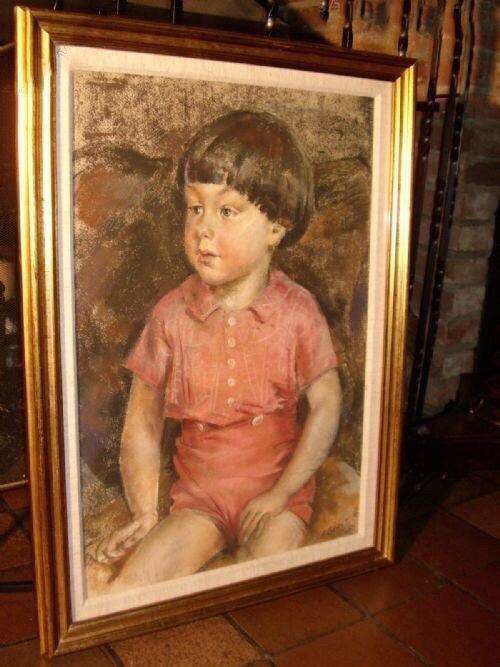
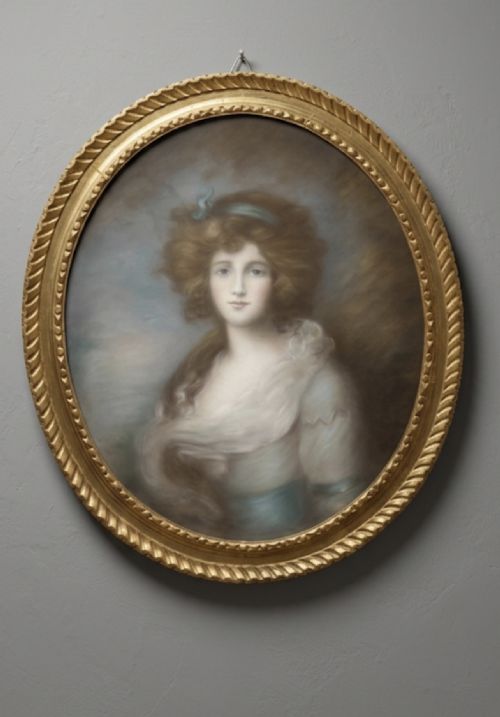
A gold framed drawing brings together works on paper executed in media such as pastel, pencil, charcoal, pen and ink, and watercolour, all housed within period wooden frames enriched with gilt leaf. These pieces range from intimate 18th-century sketches and Georgian portraits to 19th-century academic studies and mid-century modern compositions.
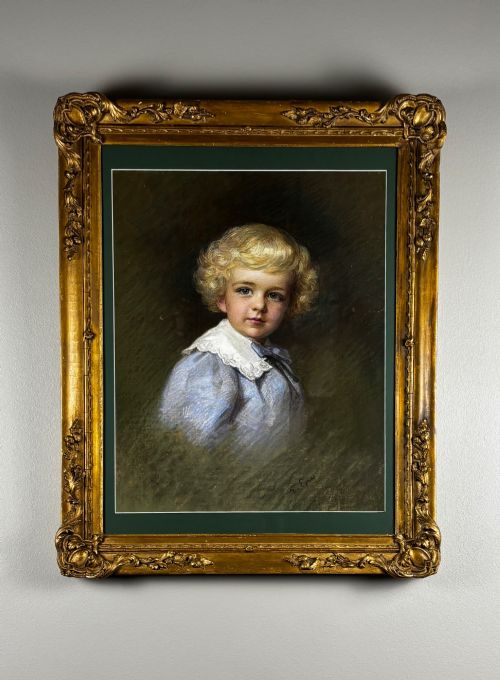
The version most commonly met on this page is the 19th-century portrait drawing in pastel, often housed in a decorative giltwood frame that enhances the tonal qualities of the paper artwork within.
Materials and technique
The underlying support is invariably paper, sometimes mounted on canvas, bearing marks made by dry media like pastel, chalk and charcoal, or fluid media such as watercolour, pen and ink, and gouache. These works are protected behind glass to preserve the friable surface of the pigments and inks.
The framing technique relies on carved or moulded wood finished with gold leaf, giltwood, or gesso, providing a reflective border that isolates the drawing from its surroundings and catches ambient light to illuminate the subtle tones of the paper.
Cats make an appearance among the serious human portraits, reminding us that even historic draughtsmen appreciated a stylish feline subject.
Judging the range
The distinction between an ordinary piece and an exceptional one rests upon the sureness of the draughtsmanship and the expressive capability of the artist, rather than the mere age of the paper or the size of the moulding. Masterly handling of line and pigment in a portrait or landscape elevates the entire object beyond simple decorative utility.
The relationship between the artwork and its enclosure plays a definitive role, as period-appropriate or original gilt frames that complement the exact scale and period of the drawing demonstrate a higher degree of integrity than later replacements.
Emily Eyres·Augustus John·John Charles Maggs·Eduard Leon Cortes
The Gold Framed Drawing Glossary
- Giltwood
- Wood that has been coated with a thin layer of gold leaf or gold powder over a prepared ground. This material provides the characteristic metallic sheen seen on traditional picture frames.
- Pastel
- A dry painting medium in the form of a stick, consisting of pure powdered pigment and a binder. It creates velvety surfaces with intense colour that require glass protection.
- Gouache
- An opaque water-based paint consisting of pigment, a coarser binder, and added inert material. It allows for solid, flat areas of colour in works on paper.
- Neoclassical
- A style spanning the 18th and early 19th centuries inspired by the art and culture of classical antiquity. It prioritises restraint, linear precision, and classical motifs.
Gold Framed Drawing: Frequently Asked Questions
How do I care for a gold framed drawing?
Keep the artwork out of direct sunlight to prevent the fading of delicate watercolours and pastels on paper. Maintain a stable room temperature to protect both the wooden frame and the paper support from humidity fluctuations.
Ensure the glass remains intact and sealed to prevent dust and moisture from reaching the drawing surface over time.
Are these drawings original works?
The selection primarily consists of unique, hand-drawn or hand-painted works created directly by artists rather than mass-produced mechanical reproductions. Each piece bears the distinct touch of the creator's hand through media such as pencil, pastel, or ink.
Occasional printed items appear in the listings, but these are explicitly identified to distinguish them from unique graphical works.
How can I tell the period of the frame?
Examine the construction methods of the wooden moulding, the composition of the gesso layer beneath the gold leaf, and the types of fasteners used at the back. Period frames often show hand-carved details or specific compounding materials characteristic of Georgian or Victorian workshops.
Changes in gilding style and corner construction also help separate 18th-century frames from later 19th-century and mid-century interpretations.
What is the difference between pastel and watercolour?
Pastel uses dry pigment sticks applied directly to paper to build up velvety, blendable layers of colour with a soft matte finish. It remains fragile and relies heavily on glass protection to avoid smudging.
Watercolour utilises transparent pigments suspended in a water-soluble vehicle, applied with a brush in washes that allow the white of the paper to illuminate the composition.