



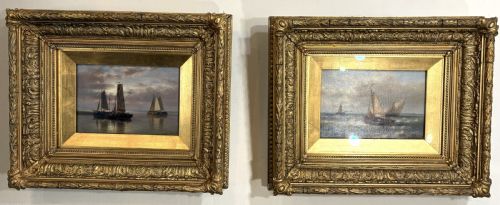

Gold Frame Ship Art
Gold frame ship art brings the drama of the open sea and historical vessels straight into an interior through oil and watercolour paintings.
Gold Frame Ship Art
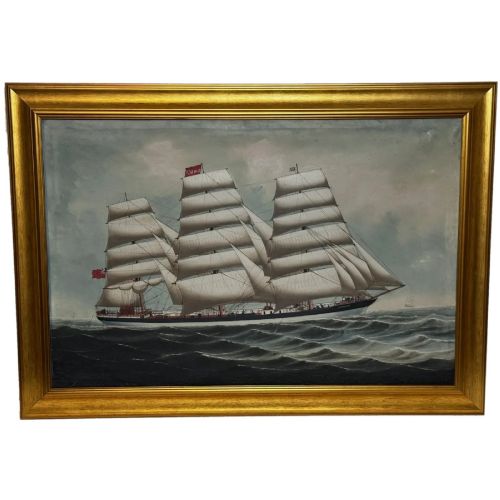
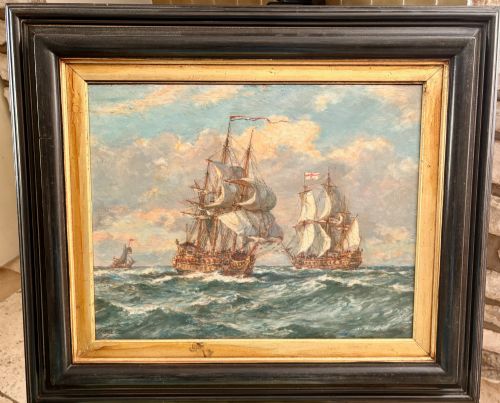
Gold frame ship art encompasses marine oil paintings, watercolours, and framed artwork depicting naval engagements, merchant vessels, and coastal scenes. Buyers searching for gold frame ship art encounter Victorian and Edwardian works alongside pieces dating from the seventeenth, eighteenth, and nineteenth centuries.
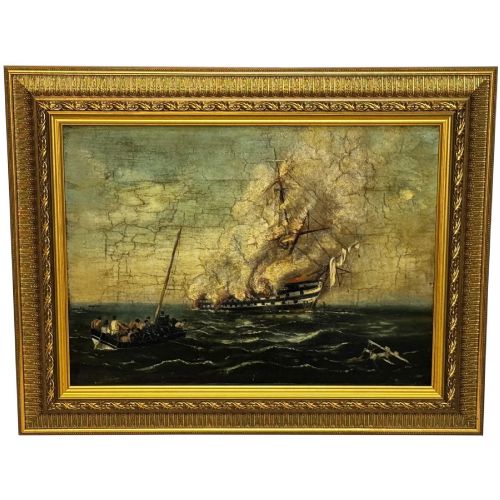
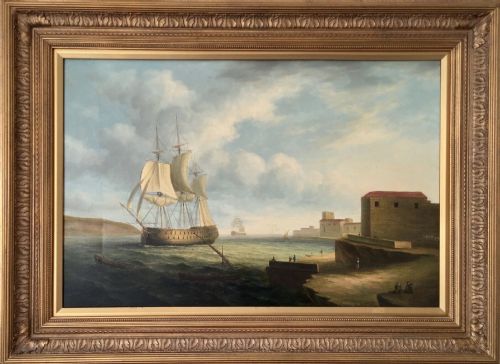
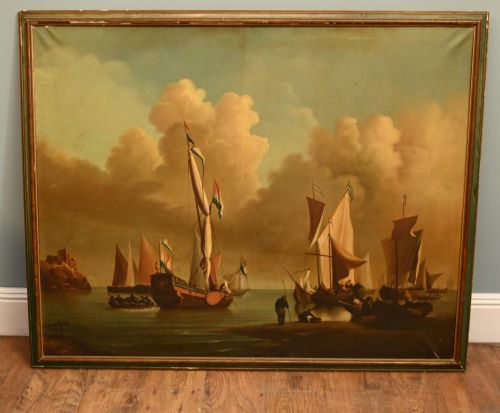
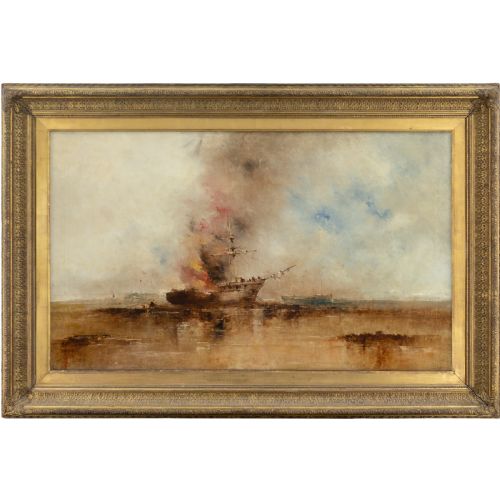
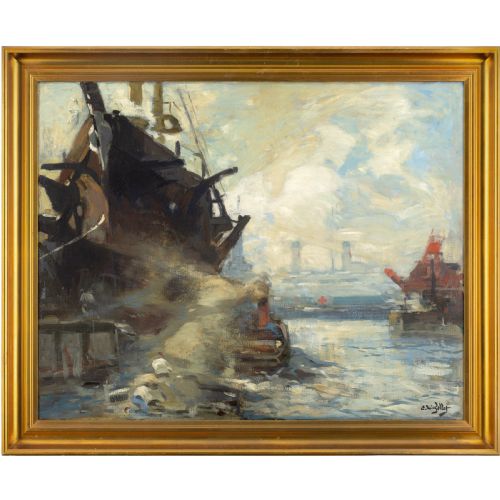
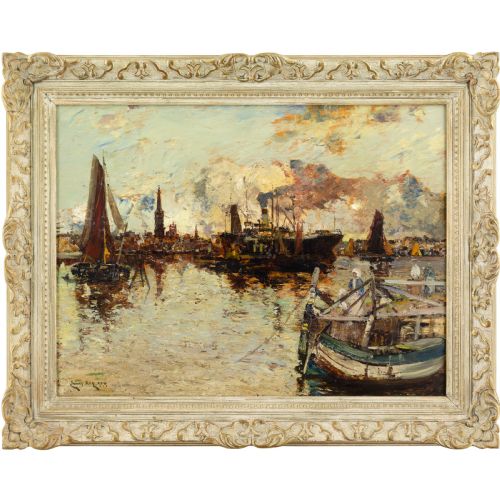
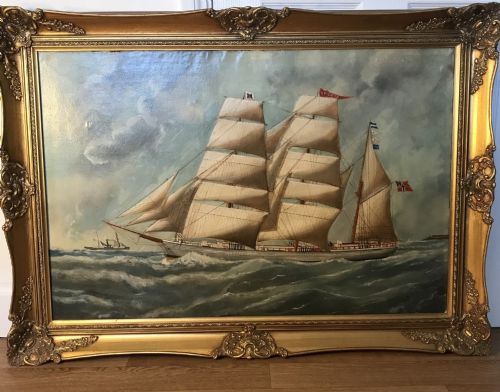
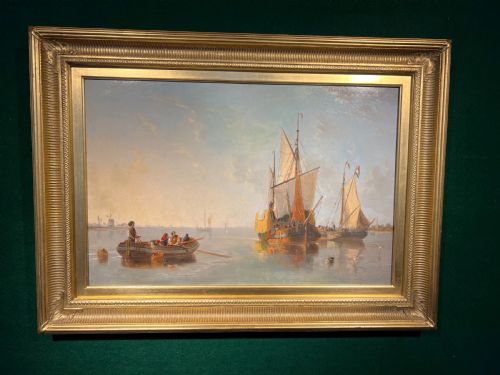
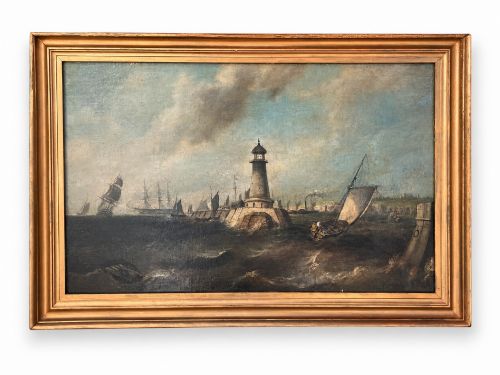
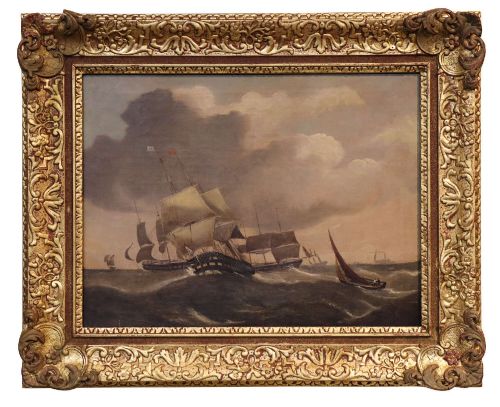
The dominant forms on this page are oil paintings on canvas or board, presented within giltwood and gilded wood frames. Subjects range from three-masted schooners and royal yachts to dramatic shipwrecks and harbour views.
Most examples originate from British and European schools, capturing maritime history through detailed depictions of galleons, warships, and contemporary shipping.
Materials and technique
Artists utilise oil paint and watercolour applied to canvas, wood panels, or card to build up maritime scenes. Canvases are stretched and mounted within heavy wooden frames finished in gold leaf or gilt.
Techniques combine precise rigging details and hull structures with atmospheric treatments of stormy seas, coastal light, and billowing sails.
Gold Frame Ship Art Retail Price Guide 2026
Typical asking prices for gold frame ship art among the pieces listed under this phrase on Sellingantiques today, from the lower quarter to the upper quarter. They describe what is for sale here now, not the wider market.
Several ships depicted on this page sail directly into nineteenth-century storms with all sails raised.
Distinctions in quality
Quality rests upon the artist's command of maritime perspective, accurate ship architecture, and the natural movement of water in calm or gale conditions. Superior works demonstrate careful handling of light on sails and breaking waves.
The craftsmanship of the surrounding gilt frame contributes significantly to the overall piece, with hand-carved giltwood settings elevating the presentation of the artwork.
Eugène-Louis Gillot·William McAlpine·Reginald Arthur Borstel·John Rose Miles·James Kay RSW·Bernard Gribble·Bonaventura Peeters·Bernard Benedict Hemy·John Wilson Carmichael·Nicholas Condy·Abraham Hulk I·Charles William Wyllie·Daniel Sherrin·Charles Sim Mottram·Hendrik Willebrord Jansen·George Stanfield Walters·John Callow·Thomas Bush Hardy·Ebeneezer Colls·Richard Brydges Beechey
The Gold Frame Ship Art Glossary
- Giltwood
- Wood carved and coated with gold leaf or a gold-coloured finish. This material forms the ornate frames typical of period maritime paintings.
- Marine art
- Artwork that depicts or draws its main inspiration from the sea, including ships, coastal views, and naval battles. Such works form the core of this collection.
- Galleon
- A large sailing ship with three or more masts used by European nations from the fifteenth to the eighteenth centuries. These vessels frequently appear in historical oil paintings.
- Gouache
- An opaque method of watercolour painting that produces a heavier, more solid colour finish. Artists occasionally employ this medium for detailed maritime watercolours.
Gold Frame Ship Art: Frequently Asked Questions
What periods do these paintings date from?
The selection spans from seventeenth-century works by artists like Bonaventura Peeters through to nineteenth-century Victorian pieces and twentieth-century interpretations.
Victorian and Edwardian maritime paintings form a large portion of the available inventory.
Are the frames original to the art?
Many pieces retain their period giltwood or gilded wood frames, which complement the era of the painting.
Framing styles reflect the Victorian and Edwardian preference for ornate gold presentation.
What types of vessels are depicted?
Paintings show a wide variety of watercraft, including three-masted schooners, royal yachts, warships with cannons, and fishing boats.
Historical scenes range from calm harbour anchorages to dramatic shipwrecks in heavy seas.
Which mediums are used in these works?
The primary medium is oil paint applied to canvas, wood panels, or board.
Watercolours and works on paper also appear alongside the heavier oil paintings.