




Gold Frame Coastal Painting
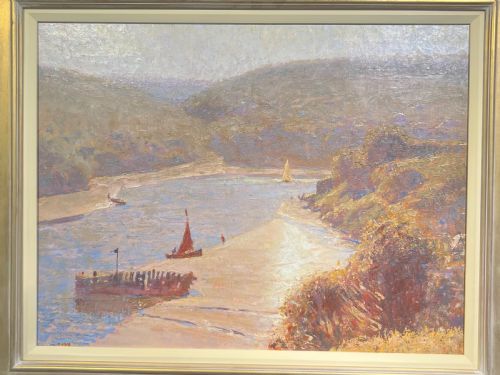
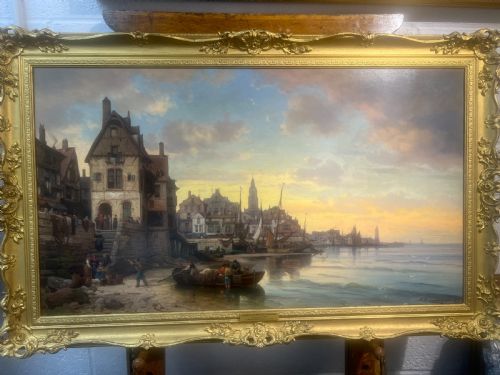
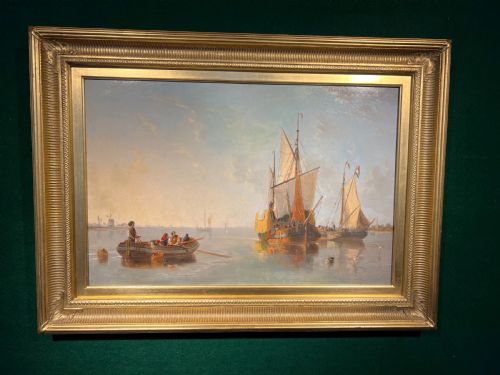
When you search for a gold frame coastal painting, you are looking for maritime scenes, harbours, and shores captured in oil or watercolour, usually housed in gilded timber.
Gold Frame Coastal Painting
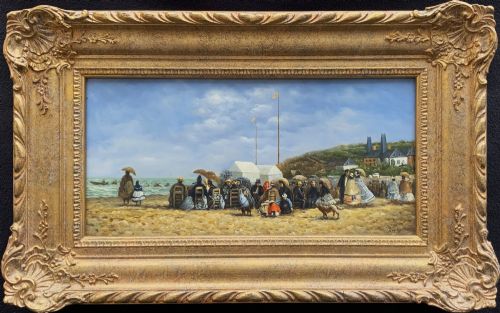
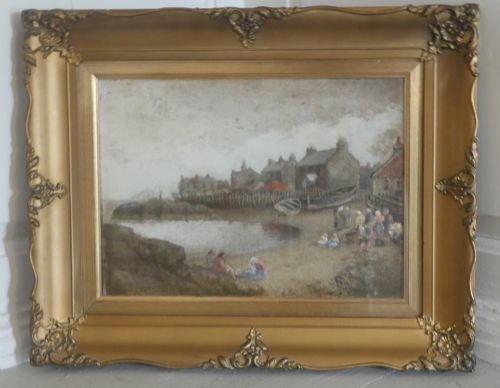
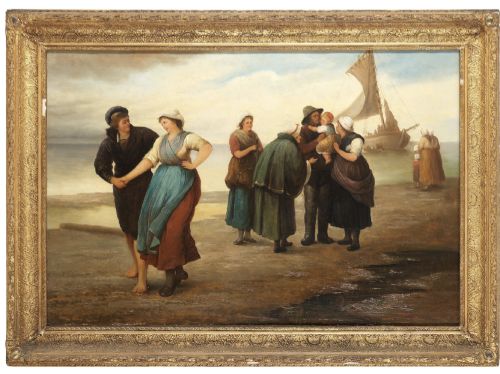
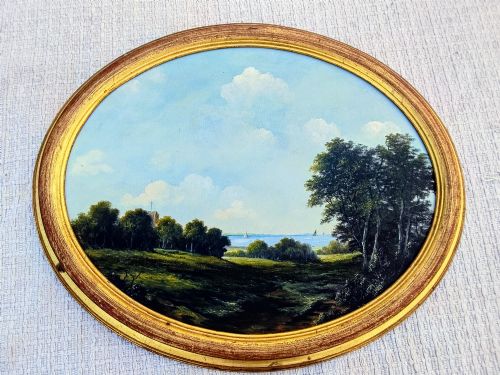
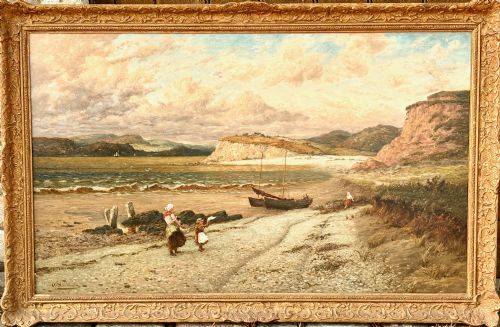
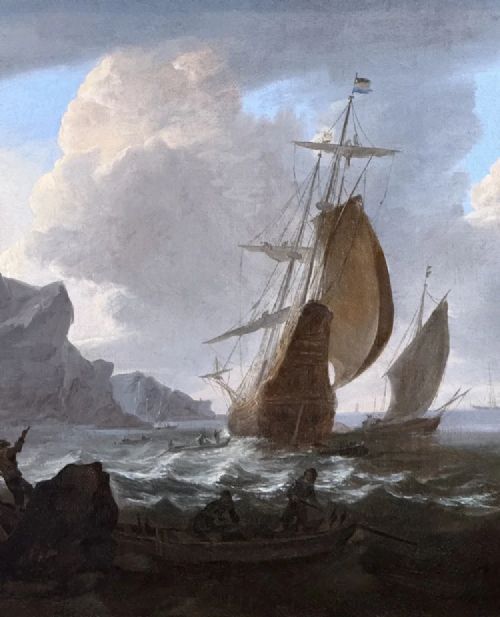
A gold frame coastal painting brings the nineteenth-century and early twentieth-century shore indoors, recording everything from bustling Cornish harbours to quiet sandy beaches and stormy seas. You will frequently encounter works from the Victorian era and the Edwardian period, often executed by British and European painters drawn to maritime life.
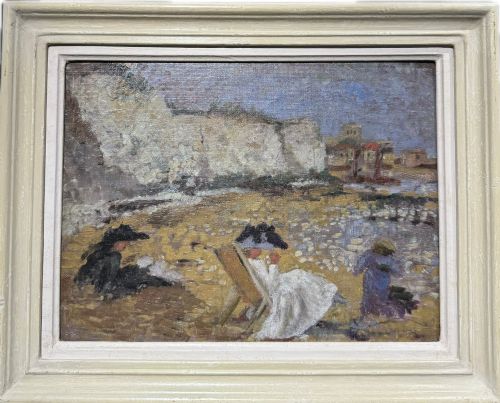
The subjects range from working fishing boats off St Ives and St Michael's Mount to sweeping coastal paths, dramatic cliffs, and figures gathered by the seaside. Canvases and watercolours from the nineteenth century sit alongside later Post-Impressionist interpretations from the nineteen-twenties and nineteen-thirties.
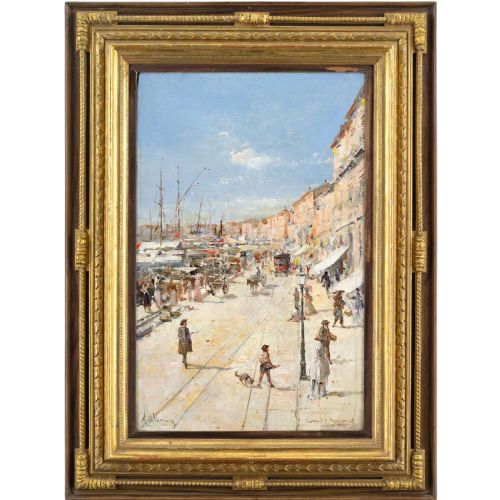
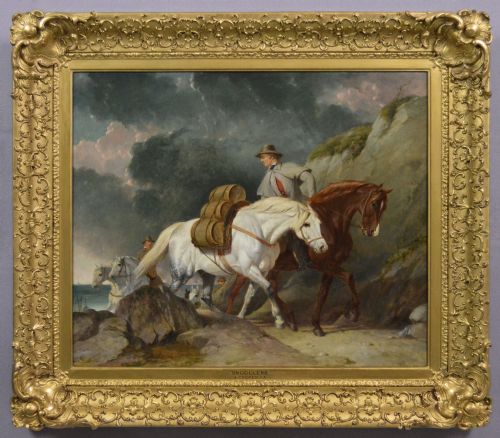
Most examples are presented within their original or period-matching giltwood and wood frames, which complement the maritime palette of deep blues, greys, and warm coastal light. These works function primarily as wall art, capturing a specific coastal topography that has since vanished or altered significantly.
How they were made
Painters typically applied oil paint onto stretched canvas, primed board, or paper, building texture with brushwork or palette knives to render the movement of waves and the atmosphere of sea spray. Watercolours on paper offer a lighter, more translucent record of coastal light, particularly in works produced during the Victorian period.
The frames themselves are constructed from carved or moulded wood, finished with layers of gesso and gold leaf or metallic gilt paint to create the distinctive bright surround. These giltwood frames were often tailored specifically to the dimensions of the canvas, adding substantial weight and decorative presence to the finished artwork.
Listings feature works from the nineteenth century up to nineteen-seventy, utilising oil on canvas, watercolour on paper, and carved giltwood frames.
What varies in quality
The strength of a piece rests in the artist's command of light, weather, and topography, where skilled brushwork conveys the genuine heft of a gale-driven sea or the specific quality of light on a Cornish harbour. Lesser examples rely on formulaic repetition of maritime tropes without capturing the particular atmosphere of the coast.
Condition plays a vital role, distinguishing works with intact, original giltwood frames and stable canvas surfaces from those suffering from heavy overpainting, flaking pigment, or clumsy frame repairs. The integrity of the signature, the clarity of the provenance, and the harmony between the painting and its frame further separate standard decorative items from significant works of fine art.
William Banks Fortescue·John Wilson Carmichael·Abraham Cooper·Joseph Farquharson·John Holland·Bernard Benedict Hemy·Abraham Hulk·John Moxon·Charles Napier Hemy·Gustave De Bréanski·Pieter Cornelis Dommersen
The Gold Frame Coastal Painting Glossary
- Giltwood
- Wood carved and coated with gold leaf or metallic powder. This finish gives antique frames their bright, reflective border.
- Marine art
- Painting that depicts ships, shipping, sea views, and coastal scenes. It forms the core of nineteenth-century maritime output.
- Gesso
- A plaster-like mixture applied to wooden frames before gilding. It provides a smooth base for carving intricate decorative details.
- Provenance
- The documented history of a painting's ownership and origin. It helps verify the authenticity and attribution of the artwork.
- Post-Impressionism
- An art movement following impressionism that explored emotional and structural responses through bolder colour and form. It appears in twentieth-century coastal interpretations.
Gold Frame Coastal Painting: Frequently Asked Questions
How do I date a coastal painting?
You look closely at the artist's dates, the style of the clothing worn by figures on the shore, and the construction methods of the stretcher and canvas. Framing styles and paper types also offer strong clues to the decade of production.
Signatures, exhibition labels on the reverse, and the specific pigments utilised further help narrow down whether a work belongs to the early nineteenth century or later periods.
Were these paintings made to be framed?
Artists and dealers paired these canvases and watercolours with matching gilt frames to protect the edges and enhance the visual impact of the composition. A period frame often remains with the painting for generations.
The heavy wooden and giltwood surrounds were designed specifically to isolate the maritime scene from the domestic wall, drawing the viewer directly into the coastal landscape.
How should I hang a heavy gilt frame?
You need to secure the hanging wire or brass D-rings directly into wall studs or use heavy-duty wall anchors rated for the combined weight of the wood and canvas. Giltwood frames are substantially heavier than modern alternatives.
Position the painting away from direct sunlight and steady temperature fluctuations to protect both the oil paint and the delicate gilt surface of the frame from cracking.
What is the difference between marine and coastal art?
Marine art primarily focuses on ships, naval battles, and deep-water shipping vessels navigating the open sea or stormy gales. Coastal art places its main emphasis on the shore, harbours, cliffs, and land-based activities.
Many nineteenth-century works bridge both categories, showing fishing boats returning to a harbour framed by rocky cliffs and coastal paths.