

Gold Double Frame
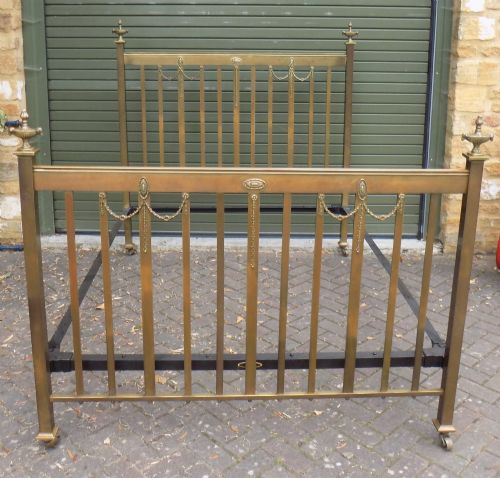
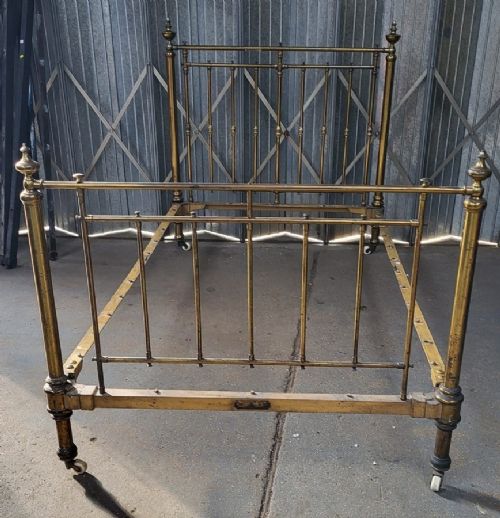
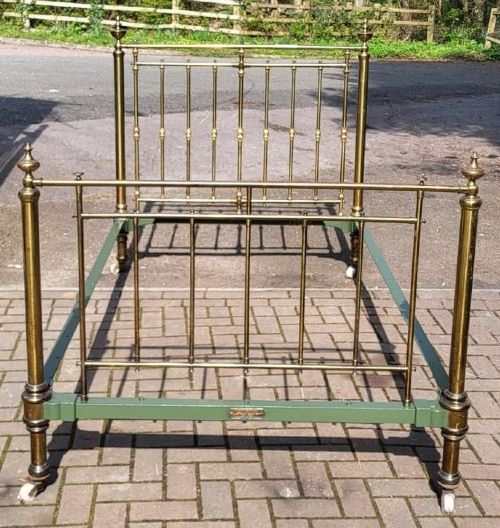
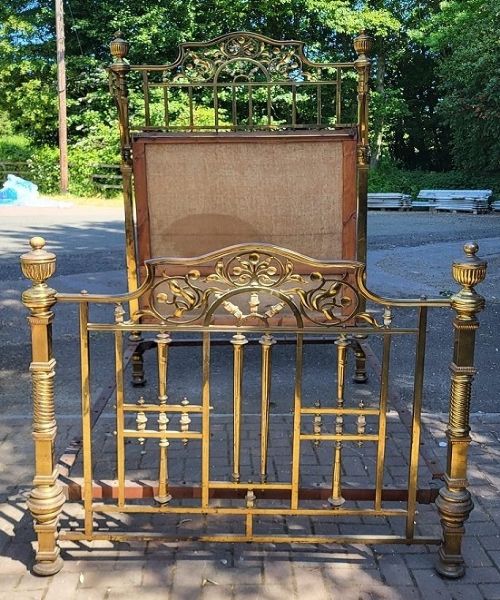
When you search for a gold double frame, you enter a collection spanning brass bedsteads, photo frames, and lockets from the Victorian and Edwardian periods.
Gold Double Frame
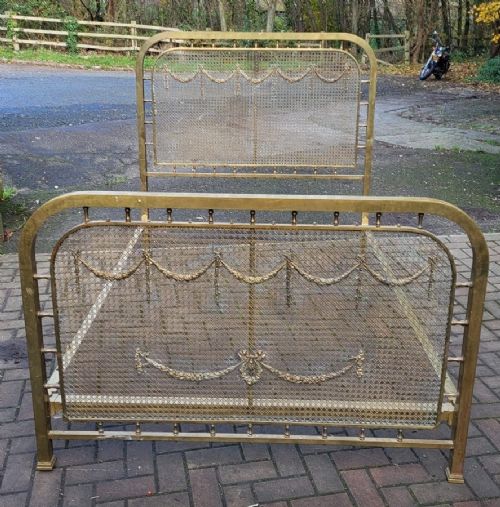
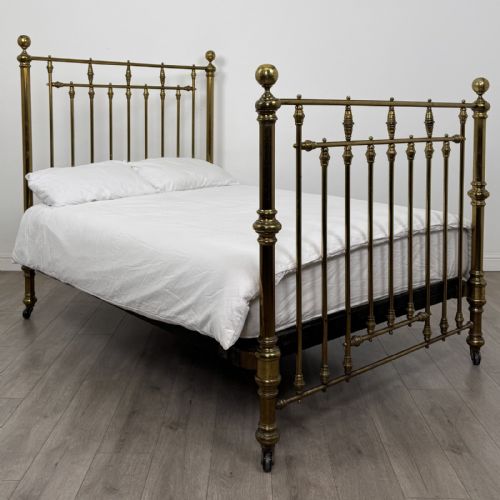
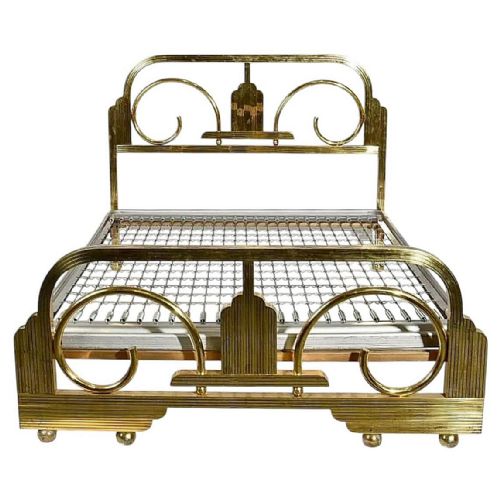
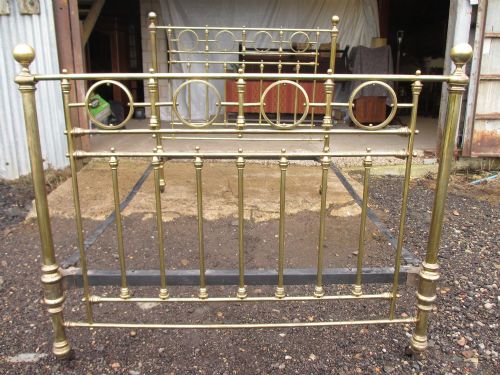
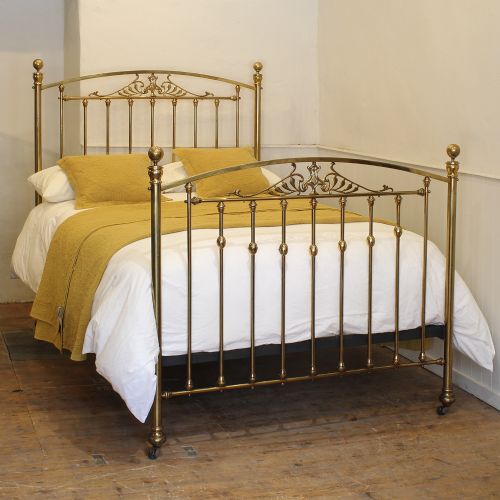
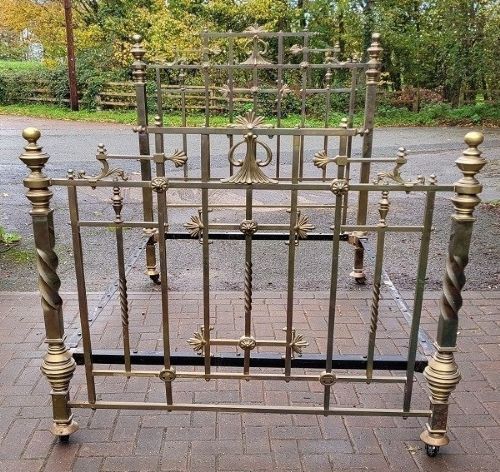
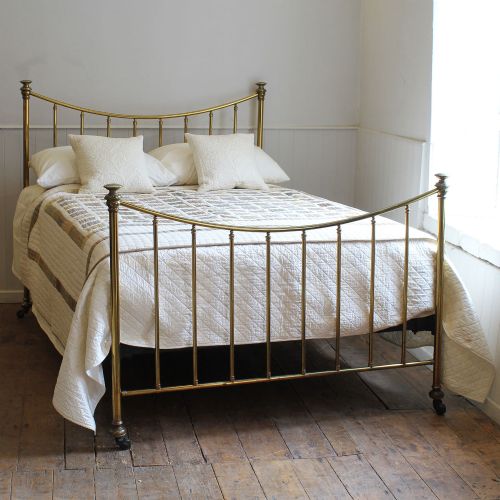
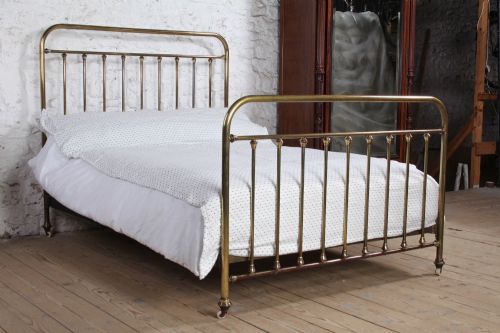
A gold double frame covers objects designed to hold two items or share a double capacity, most frequently seen here as Victorian and Edwardian brass bed frames, double photo frames, and lockets. These pieces originate across the nineteenth and early twentieth centuries, appearing in forms from easel photograph holders to large brass bedsteads.
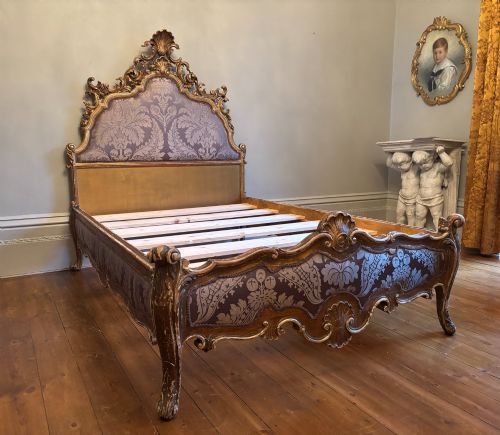
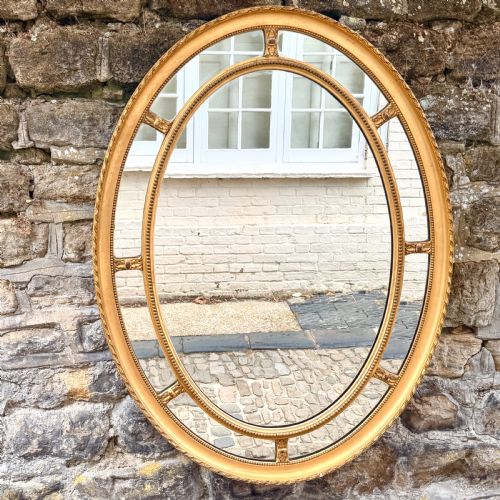
Buyers seeking a gold double frame often encounter brass and iron bed frames alongside gilt gesso mirrors and ormolu photo frames. The selection includes items spanning the Georgian, Victorian, and Edwardian eras, uniting functional household furnishings with personal ornaments.
What varies in quality
The standard of a gold double frame depends on the crispness of its casting and the durability of its construction. Ornate brass bedframes with detailed stampings and robust iron components sit above simpler utility pieces.
Finishes separate standard examples from superior ones, particularly in the depth of ormolu gilding on photo frames or the intricate carving on wooden and gesso surrounds. Original glass, secure hinges, and intact castors elevate an item's standing.
Gold Double Frame Retail Price Guide 2026
Typical asking prices for gold double frame among the pieces listed under this phrase on Sellingantiques today, from the lower quarter to the upper quarter. They describe what is for sale here now, not the wider market.
Some double frames double as hiding spots for portraits, proving Victorians loved a secret compartment.
Goldsmiths And Silversmiths·Versace·Robert Byng·Francis Hayman·Joshua Reynolds
The Gold Double Frame Glossary
- Ormolu
- A finely ground high-carat gold-mercury amalgam applied to bronze or other metals. This technique imparts a rich golden sheen to nineteenth-century photo frames and decorative mounts.
- Bedstead
- The framework of a bed, supporting the mattress and springs. Victorian examples frequently utilise brass and iron combinations in double sizes.
- Locket
- A small ornamental pendant designed to open and reveal portrait miniatures or hair. Edwardian and Victorian versions often incorporate gold or gold on silver with glass panels.
- Gesso
- A plaster-like mixture applied to wood surfaces as a base for gilding. It allows for the creation of ornate, moulded relief patterns on picture frames and wall mirrors.
- Easel frame
- A standing frame supported by a hinged metal prop at the back. Victorian examples often allow for two photographs to be displayed side by side.
Gold Double Frame: Frequently Asked Questions
How do I date a brass bed frame?
Examine the construction methods and metal components. Victorian and Edwardian examples often pair brass tubing with iron slot-in frames and castors.
Stamped manufacturer marks and the complexity of the brass ornamentation also help narrow the decade of production.
How were double photo frames used?
These hinged or easel-backed objects held two distinct portrait photographs side by side. They sat upon desks, dressing tables, and mantelpieces in Victorian and Edwardian homes.
Many utilised glass fronts and precious metals to display images of family members.
Are these frames made of solid gold?
Most items described with gold tones utilise brass, ormolu, giltwood, or gold applied over silver. A smaller category of items, such as lockets and pendants, consists of solid gold or gold-plated sterling silver.
Checking the metal properties reveals whether the piece is solid precious metal or a gilded base.
How do I care for antique brass and ormolu?
Keep these metal surfaces away from moisture and direct sunlight to preserve the finish. Dust gently with a soft, dry cloth without applying harsh chemical polishes that strip thin gilding.
Protecting the original lacquer or patina maintains the historical integrity of the piece.