




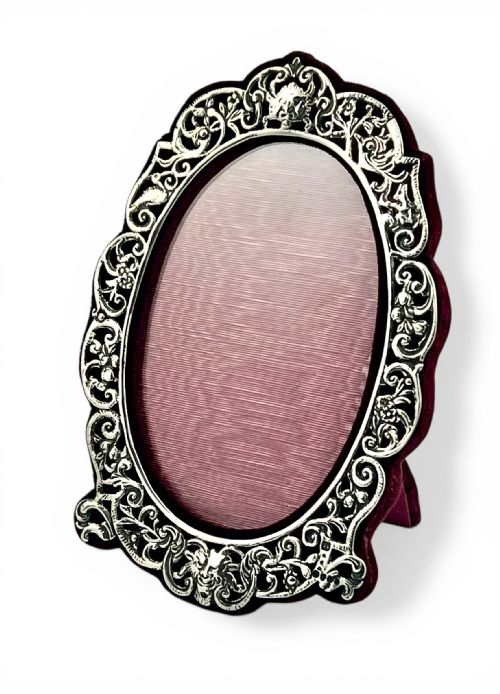
Late Victorian Picture Frame
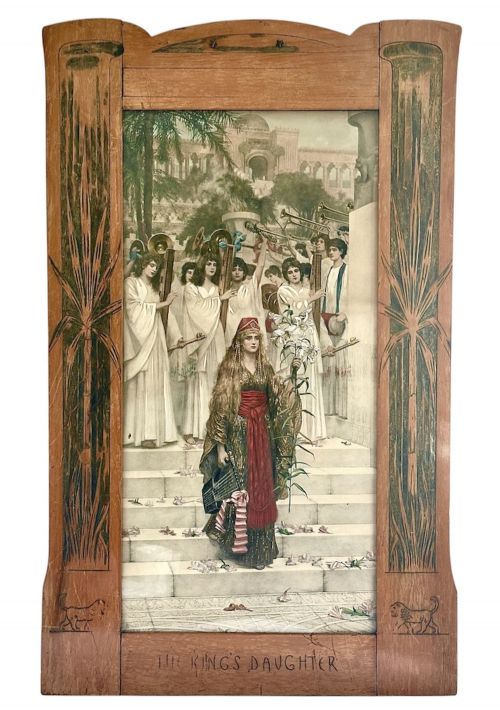
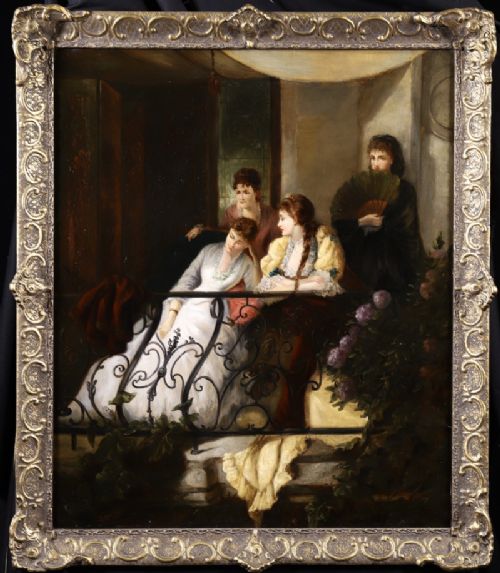
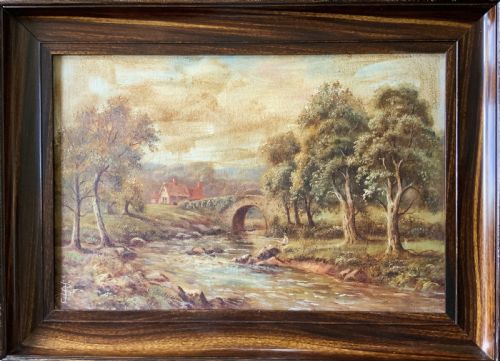
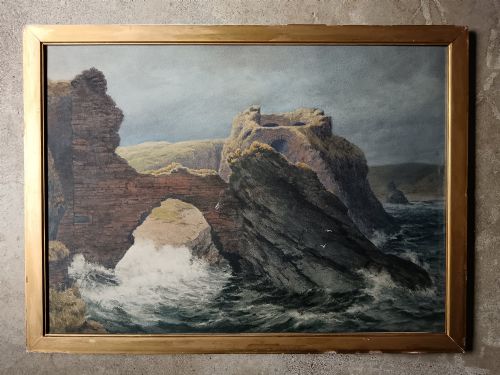
When you search for late victorian picture frame, you encounter the tangible craftsmanship of the nineteenth century designed to house portraits, watercolours, and photographs.
Late Victorian Picture Frame
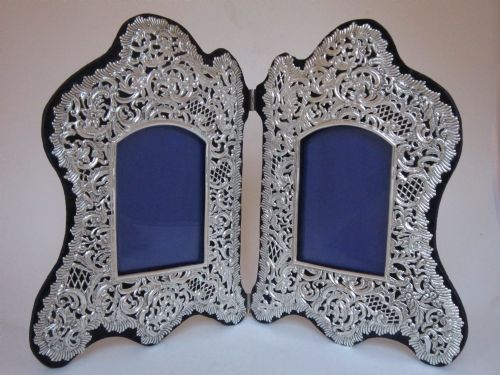
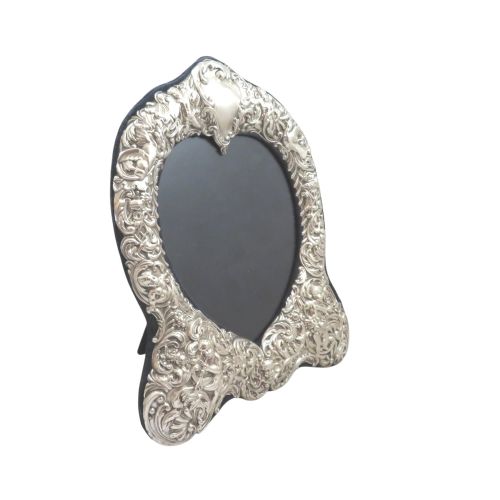
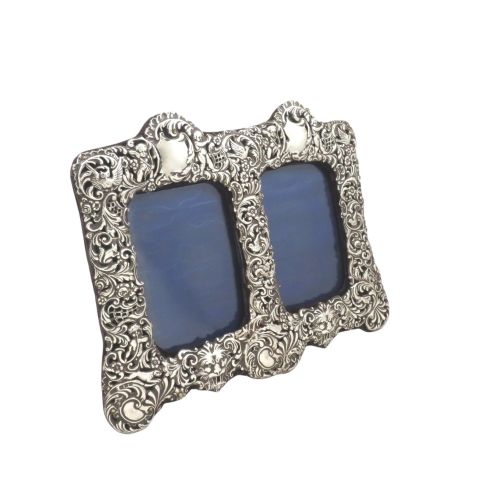
The selections recorded in archives and current listings encompass diverse formats, ranging from simple wooden mouldings to elaborate metal and silver photo frames. Buyers encounter both single enclosures and double-hinged pairs designed for table display or wall hanging.
Originating predominantly from British and European workshops, these items reflect the stylistic preferences of the late nineteenth century, including classical revivals and simple domestic forms.
How they were made
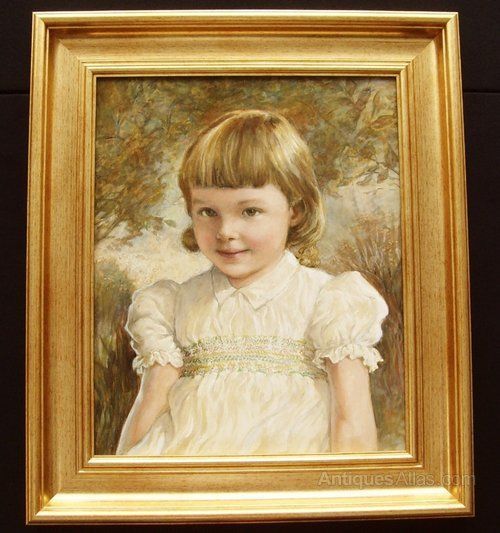
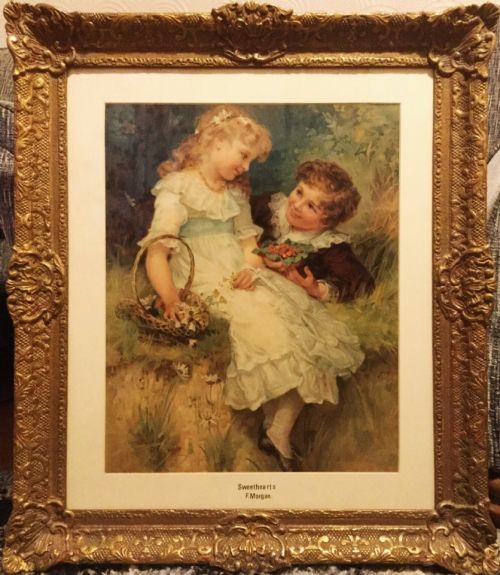
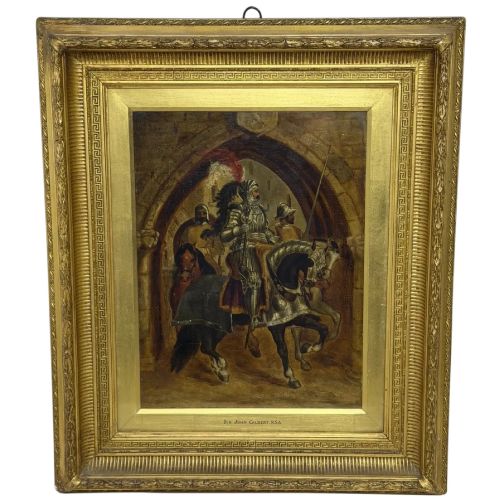
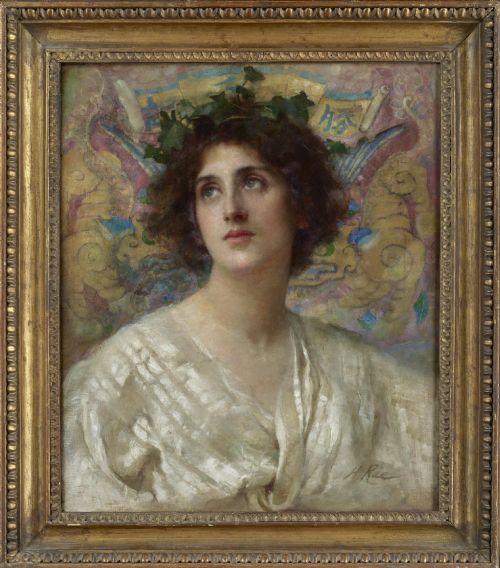
Makers utilised traditional woodworking techniques, often shaping carved pine, burr walnut veneer, or timber finished with gesso and gilt layers to create sturdy structural housings. Metalwork examples relied on sterling silver bearing hallmarks or cast ormolu compositions.
Surface ornamentation involved embossing, fluted borders, and delicate joinery designed to secure glass panes and backing materials securely around the artwork.
Late Victorian Picture Frame Retail Price Guide 2026
Typical asking prices for late victorian picture frame among the pieces listed under this phrase on Sellingantiques today, from the lower quarter to the upper quarter. They describe what is for sale here now, not the wider market.
Materials recorded in listings for this phrase include sterling silver, brass, burr walnut veneer, gesso, and gilt wood.
What varies in quality
The standard of a late victorian picture frame depends upon the depth of the carving, the integrity of the gilt or metal finish, and the weight of the silver or wood employed in construction. Hand-carved details and crisp hallmarks distinguish superior examples from plain commercial production.
Preservation of original backing materials, glass, and structural joints influences the overall integrity of the piece as it survives into the present day.
Walker And Hall·Syner And Beddoes
The Late Victorian Picture Frame Glossary
- Gesso
- A plaster-like material applied to wood surfaces to create a smooth base for gilding or painting. It provides the foundation for intricate moulded ornamentation.
- Ormolu
- Gilded bronze or brass applied to decorative objects and frames during the nineteenth century. This technique yields a bright golden metallic surface.
- Rebate
- The recessed groove on the inner edge of a frame designed to hold the glass, artwork, and backing board securely in place. Its dimensions dictate the maximum size of the picture inserted.
- Hallmark
- An official stamp applied to precious metals indicating the standard of purity, the assay office, and the date of manufacture. Silver frames often display these marks near the outer border.
- Burr walnut veneer
- Thin slices of decorative wood taken from walnut tree growths, displaying intricate swirling grain patterns. It was applied to timber frames for rich visual texture.
Late Victorian Picture Frame: Frequently Asked Questions
How do I date a frame?
Dating relies on hallmarks stamped into silver components, stylistic cues such as Louis XVI revival motifs, and recorded construction methods typical of the late nineteenth century.
Archival records and maker marks further assist in narrowing the decade of production for specific wooden and metal examples.
Can I display photographs in them?
Many surviving examples were originally constructed as photo frames featuring glass panes and easel backs designed specifically for portrait displays.
Ensuring the internal dimensions match your photograph protects the paper during mounting.
What woods were used?
Makers frequently selected pine, walnut, and burr walnut veneer for structural stability and decorative grain patterns.
Gilt wood and gesso coatings were often applied over timber foundations to achieve a bright finish.
How do I care for silver frames?
Silver components require gentle dusting and occasional cleaning with appropriate non-abrasive polishes to preserve hallmarked surfaces.
Avoiding excessive moisture protects the underlying wooden structures and backing materials from deterioration.