




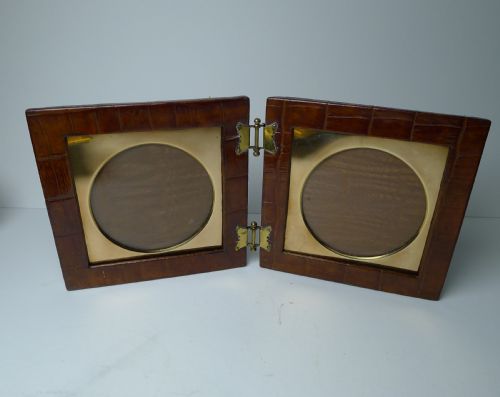


Vintage Double Portrait Frame
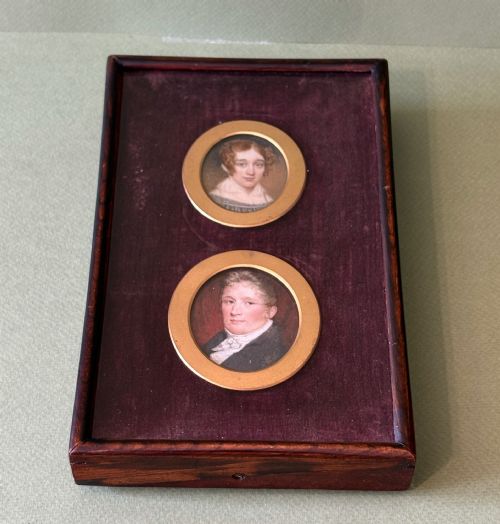
A vintage double portrait frame holds two likenesses side by side, offering a glimpse into past partnerships through brass, wood, and glass.
Vintage Double Portrait Frame
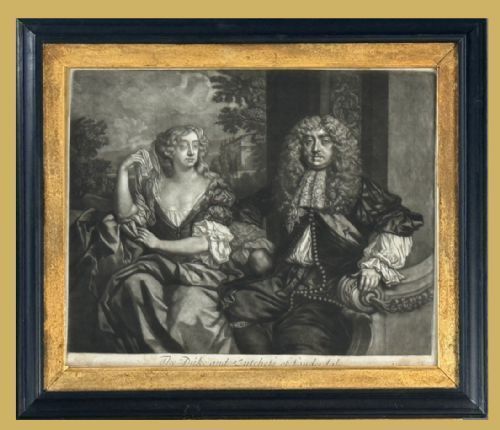
A vintage double portrait frame brings together paired likenesses, whether through hinged metal photograph surrounds, folding travel cases, or shared oil and print compositions. These objects span periods from the seventeenth century through to the Edwardian era, capturing subjects in brass, silver plate, and stepped oak frames.
The versions met most frequently on this page combine nineteenth century metalwork with portrait photography and prints. Pieces range from French ormolu and crocodile folding travel frames to oil paintings on canvas and framed engravings.
Materials and construction
Makers utilised cast brass, silver plate, and carved wood such as oak to build structural surrounds that often fold for travel or stand on desks. Glass protects delicate paper prints, miniature portraits, and photographs while backing materials secure the contents.
Artistic works within these frames rely on oil on canvas, ink, mezzotint, and engraving techniques. The integration of metal hinged mounts and leather or crocodile coverings demonstrates the dual focus on portability and display.
Vintage Double Portrait Frame Retail Price Guide 2026
Typical asking prices for vintage double portrait frame among the pieces listed under this phrase on Sellingantiques today, from the lower quarter to the upper quarter. They describe what is for sale here now, not the wider market.
Listings incorporate items from the seventeenth, nineteenth, and early twentieth centuries, utilising materials such as glass, brass, oak, canvas, and crocodile skin.
Distinctions in craftsmanship
The standard of metal casting and surface finishing dictates the refinement of a piece, separating ornate French ormolu and silver plate from utilitarian designs. Weight, the crispness of chased details, and the precision of folding hinges demonstrate the maker's hand.
In painted and printed examples, the fidelity of the artwork and the integrity of the original framing materials establish the piece's standing. Stepped oak mouldings and signed canvases reflect greater artistic ambition than mass-produced alternatives.
The Vintage Double Portrait Frame Glossary
- Ormolu
- Gilded bronze or brass ornamentation applied to furniture and decorative metalwork. This technique creates a rich golden finish popular in nineteenth century French designs.
- Mezzotint
- A printmaking process of the intaglio family where tones are worked from dark to light on a copper plate. It allows for subtle tonal gradations ideal for portraiture.
- Locket pendant
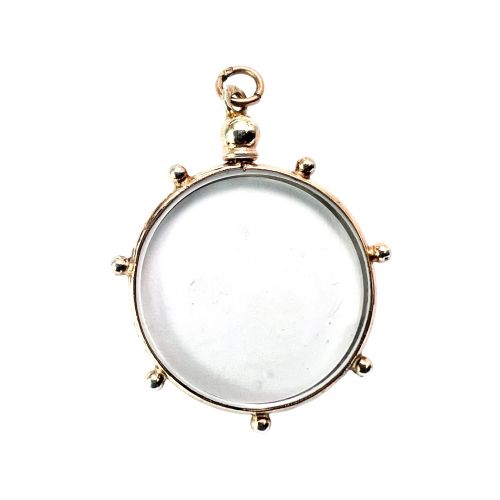
- A small case worn on a chain designed to hold miniature portraits or locks of hair. Glass top screw variants protect the enclosed imagery securely.
- Stepped frame
- A picture surround featuring receding or protruding concentric layers of wood or metal. This profile adds depth and architectural focus to oil paintings and photographs.
Vintage Double Portrait Frame: Frequently Asked Questions
What periods do these double frames come from?
These pieces originate from a broad span of eras, including the seventeenth century, the Victorian period, and the Edwardian epoch. Materials and construction methods align closely with the prevailing decorative arts of each specific decade.
Craftsmanship shifts from early hand-engraved and painted works to later nineteenth century ormolu metalwork and twentieth century travel photograph cases.
How were double portrait frames used originally?
Owners placed these items on desks, dressing tables, or mantelpieces to display paired likenesses of family members, monarchs, or business associates. Folding travel versions allowed individuals to carry images of loved ones while away from home.
Some pieces served as commemorative presentation items, featuring specific plaques and signatures to mark corporate milestones.
What materials make up these frames?
Construction materials encompass cast brass, silver plate, crocodile skin, and solid oak. Protective elements typically rely on glass placed over paper prints, photographs, or miniature paintings.
Backings and internal structures incorporate wood, paper, and metal hinges to support the dual display format safely.
How do I distinguish between Victorian and Edwardian examples?
Victorian pieces frequently showcase ornate cast metal, ormolu, or heavy silver plating with decorative detailing reflecting nineteenth century revival styles. Edwardian items often lean towards simpler timber surrounds or specialised locket and travel formats.
Examining the underlying construction, fastening methods, and accompanying portrait style helps clarify the period of origin.