

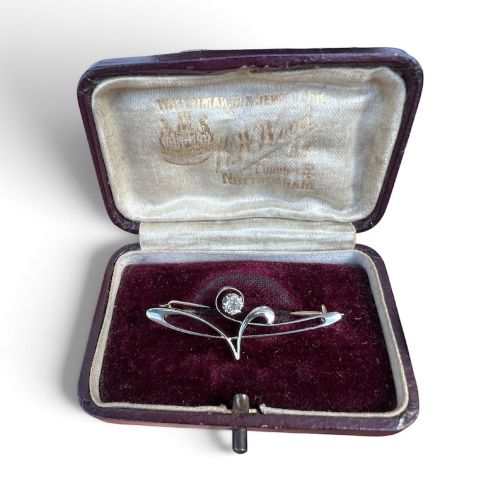
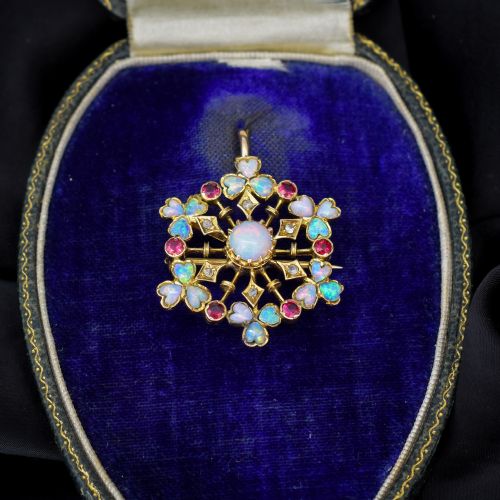
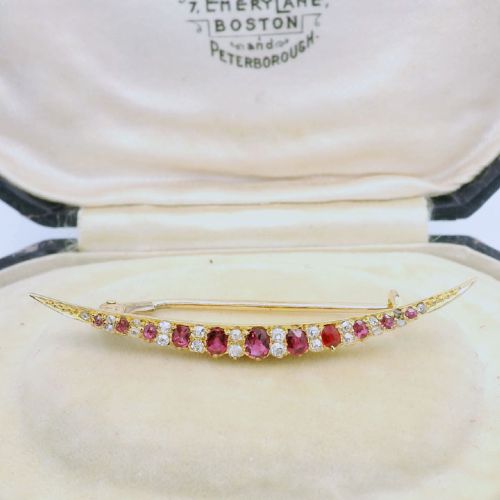
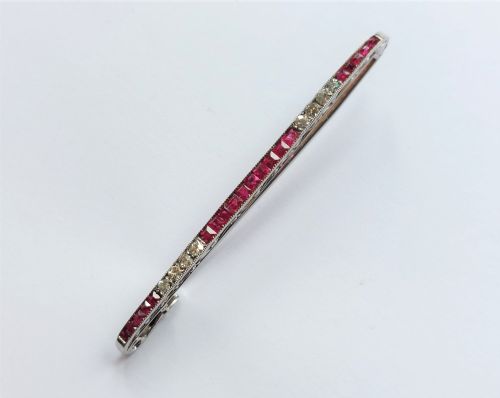



Gold Diamond Pin
A gold diamond pin brings together enduring precious metals and sparkling stones, offering a wearable piece of history for daily adornment.
Understanding the gold diamond pin
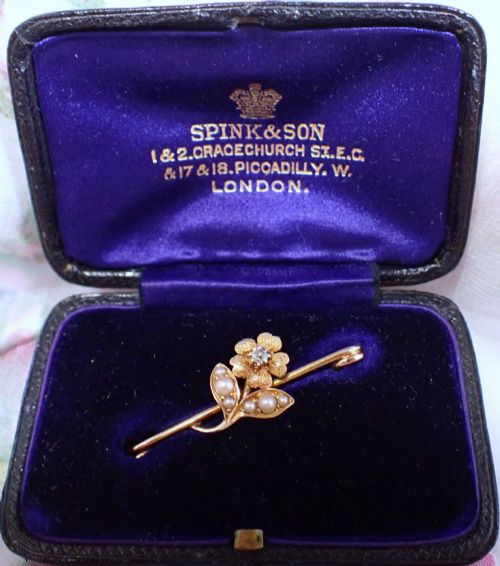
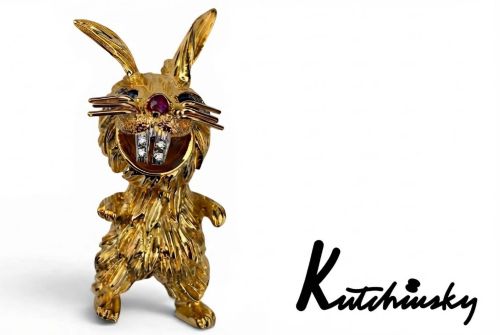
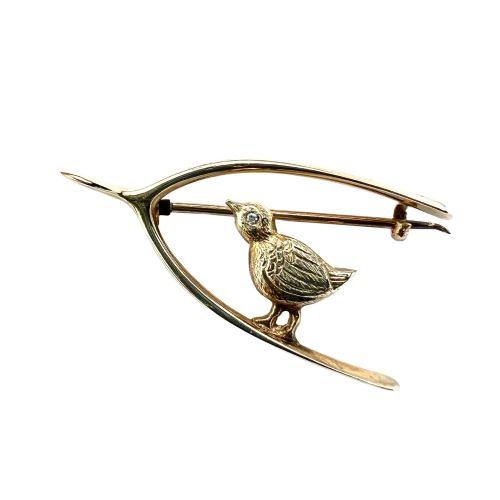
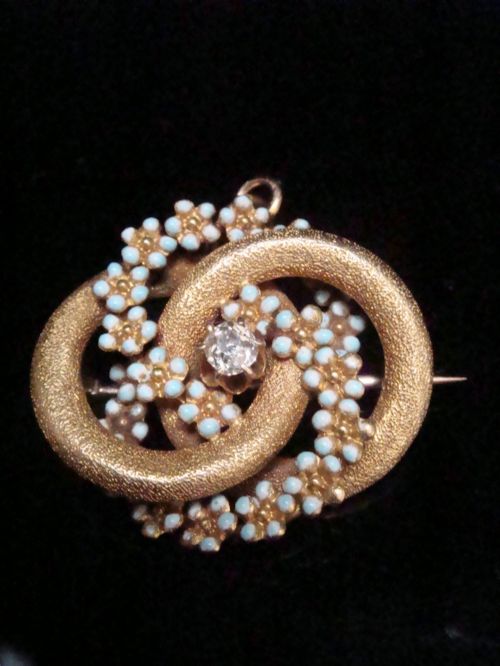
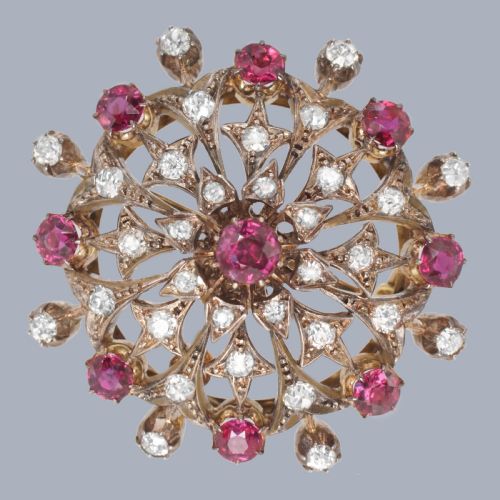
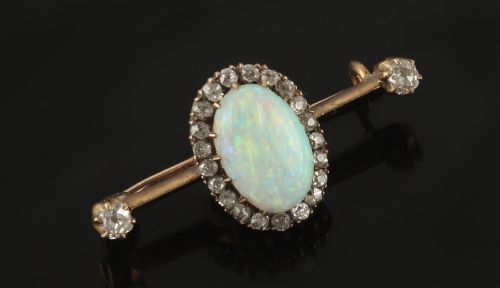
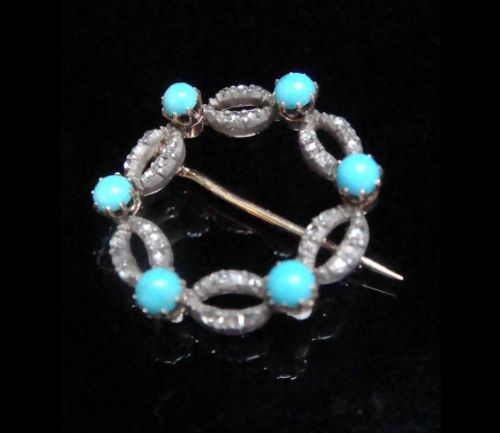
A gold diamond pin serves as a decorative fastening or ornamental accessory for garments, appearing in forms such as brooches, stickpins, and lapel pins. These items emerge from periods including the Edwardian era, the 19th Century, the 1920s, and mid-century decades.
Makers and retailers represented across the wider history of these jewels include established names such as E. Wolfe & Co., Asprey's, and Mappin and Webb, alongside Parisian houses like G. Colani. Collectors encounter diverse designs that reflect the aesthetic shifts of their respective decades.
Materials and construction
Goldsmiths utilise various purities of gold, including 9ct, 10ct, 14ct, 15ct, 18ct, and platinum, often pairing white and yellow metals to highlight individual stones. Platinum gained popularity in Edwardian and Art Deco settings for its strength in delicate wirework and millegrain edges.
Diamonds are cut in old cuts, rose cuts, or modern facets, and are frequently accompanied by coloured gems such as peridot, ruby, topaz, sapphire, and spinel. Metal components are cast, forged, or assembled by hand to create secure settings for each individual gem.
Retail Price Guide 2026
Typical UK retail prices for gold diamond pin, calculated from the Sellingantiques database of over a million retail prices indexed since 2003. This retail price guide relies exclusively on Sellingantiques data; no external sources or auction records are used, so the figures do not describe the wider market.
Listings feature Edwardian, Art Deco, and mid-century styles fabricated in yellow gold, white gold, platinum, and silver.
Distinctions in quality
Quality rests in the precision of the metalwork, the symmetry of the stone setting, and the integrity of the original clasp or pin stem. Finer pieces display crisp botanical or figural detailing without distortion or clumsy repairs.
The brilliance of the diamonds and the saturation of accompanying coloured stones dictate the visual impact of the jewel. Maker attribution and original retailer boxes further elevate the standing of individual pieces.
G. Colani·E. Wolfe & Co.·Asprey's·Mappin and Webb
The Gold Diamond Pin Glossary
- Brooch
- An ornamental jewellery piece designed to be attached to clothing, often secured with a pin and catch on the reverse.
- Stickpin
- A long pin with a decorative head, originally used to secure neckties or lapels in place.
- Millegrain
- A jewellery technique featuring a border of tiny raised metal beads along the edges of a setting.
- Old cut
- A diamond facet arrangement characterised by a high crown, small table, and deep pavilion, typical of older jewellery.
- Navette
- A boat-shaped gemstone or setting design that tapers to points at both ends.
Frequently Asked Questions
What is a gold diamond pin?
A gold diamond pin is a small decorative fastener or brooch made from gold and set with diamonds, designed to ornament clothing.
These pieces function as wearable art that secures scarves, lapels, or hats while adding a touch of period elegance.
How do I wear a stickpin?
A stickpin pushes directly through the fabric of a tie, lapel, or scarf, and is usually secured at the back with a protective cap or clutch.
Buyers often place them on jacket lapels or knitwear to introduce a subtle focal point to an outfit.
How do I date a brooch?
Dating relies on stylistic clues, metal types, and construction methods characteristic of periods like Edwardian, Art Deco, or mid-century design.
Examining the pin mechanism and the cut of the diamonds also helps narrow down the era of manufacture.
Are platinum and white gold different?
Platinum is a naturally white, dense precious metal used extensively in Edwardian and Art Deco jewellery for delicate settings, while white gold is an alloy of gold mixed with white metals.
Both metals provide a bright, silvery background that complements the sparkle of diamonds.